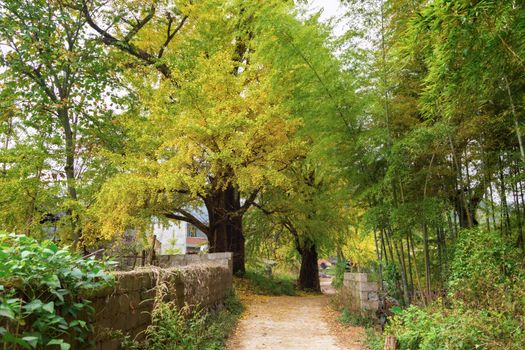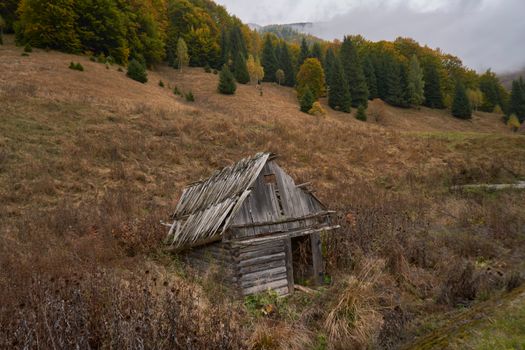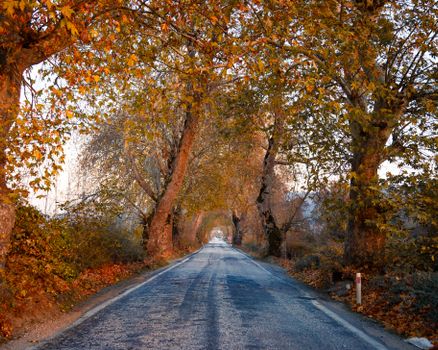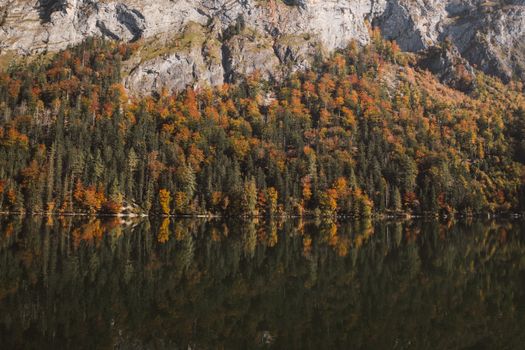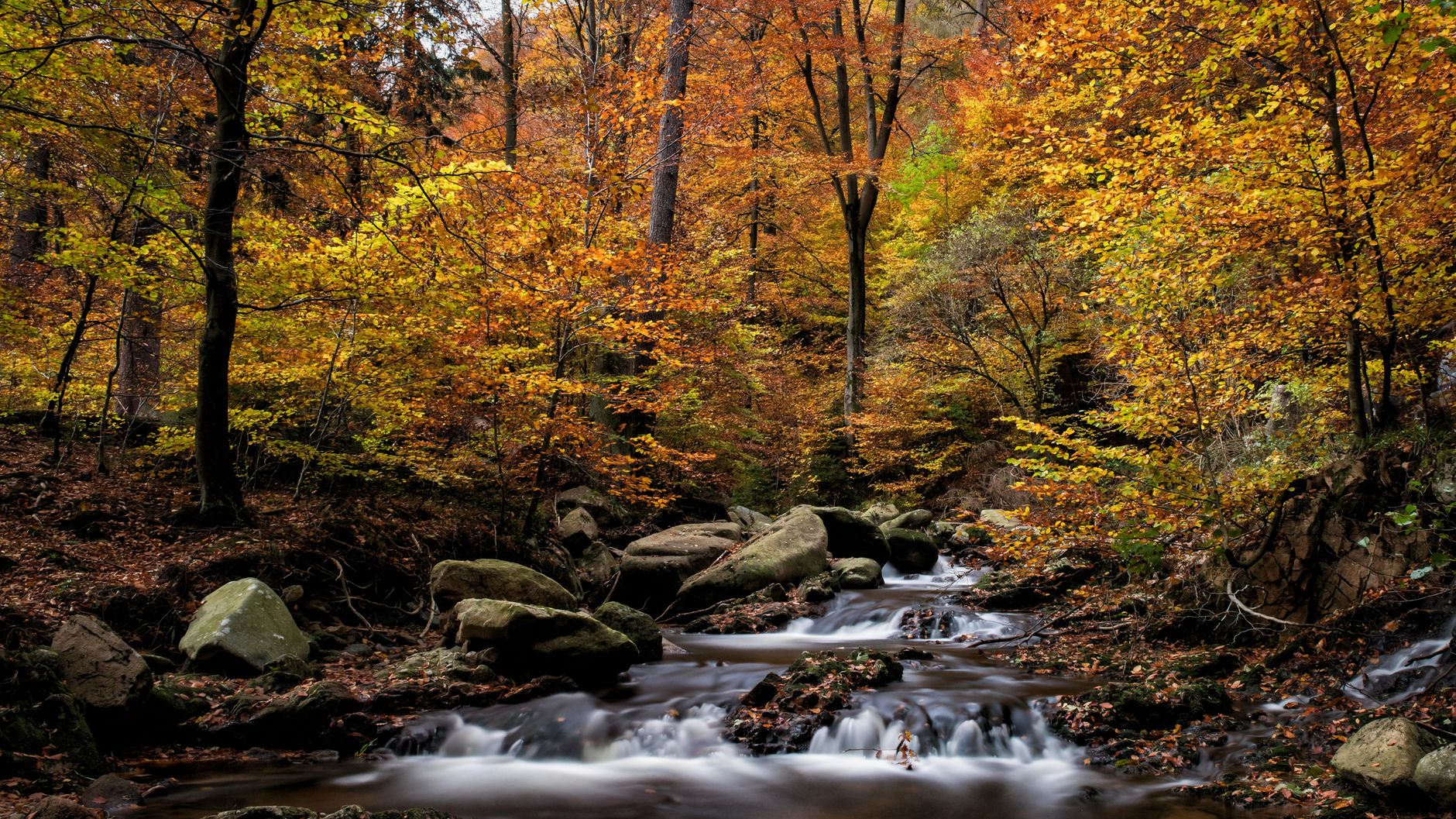
The crisp air, the scent of woodsmoke, the golden light filtering through a canopy of crimson and gold – there’s nothing quite like autumn. For years, like many of you, my fall travel bucket list was dominated by the usual suspects: New England’s fiery maples, Japan’s vibrant momiji, Canada’s golden larches. And don’t get me wrong, they are spectacular. I’ve chased peak foliage through Vermont’s winding roads, marvelled at Kyoto’s illuminated temples, and hiked through Algonquin Park in a riot of color. Each trip was beautiful, yes, but also increasingly… crowded.
The magic of nature’s grand finale often felt diluted by selfie sticks, bumper-to-bumper traffic, and the constant scramble for that perfect, unobstructed shot. I remember one particularly frustrating afternoon in the Catskills, stuck in a line of cars just to catch a glimpse of a waterfall, thinking, "There has to be another way."
That’s when I decided to shift my focus. Instead of following the well-trodden path, I started looking for the unseen. The places where autumn arrives with just as much fanfare, but without the throngs. The destinations where the local innkeeper still remembers your name, and the only traffic jam you encounter is a herd of sheep crossing the road. And what I found, dear Tripsora readers, was nothing short of extraordinary.
Join me as I pull back the curtain on six incredible, under-the-radar fall foliage destinations that will redefine your autumn travel. These are the places you’ll want to visit now, before the rest of the world catches on.
---
1. The Balkan Bloom: Montenegro & Albania's Mountainous Hues
When you think of the Balkans, images of Adriatic beaches, ancient ruins, and dramatic coastlines probably come to mind. But venture into the mountainous interiors of Montenegro and northern Albania in October, and you’ll discover an autumn spectacle that rivals anything in Western Europe. This region, a personal favorite, offers a rugged, authentic fall experience.
My Anecdote: I stumbled upon this gem during an extended road trip through the Balkans. We were driving through Montenegro’s Durmitor National Park in mid-October, expecting dramatic peaks and deep canyons, but not the explosion of color that greeted us. The beech forests, interspersed with larch and birch, had turned every shade of ochre, burnt orange, and brilliant yellow. One morning, hiking near Black Lake, the mist lifted to reveal snow-dusted peaks framing a lake reflecting a kaleidoscope of leaves. It was utterly surreal, and we had the trails almost entirely to ourselves. Later, crossing into Albania’s Valbona Valley, the narrow mountain roads were lined with trees ablaze, leading to charming guesthouses where we were welcomed like family, warmed by crackling fires and hearty, homemade meals.
Why it's a Secret Gem: The infrastructure for tourism is still developing, meaning fewer crowds and more genuine interactions. The deciduous forests in national parks like Durmitor (Montenegro) and Valbona Valley National Park (Albania) offer incredible biodiversity and stunning fall transformations. The dramatic karst landscapes provide a breathtaking backdrop to the vibrant foliage.
Practical Tips & Details:
- Best Time to Visit: Mid-October to early November.
- Getting There: Fly into Podgorica (Montenegro) or Tirana (Albania), then rent a car. Be prepared for winding mountain roads. A 4x4 isn't strictly necessary but can be helpful for exploring off-the-main-path areas.
- What to Do: Hike in Durmitor National Park (Montenegro), explore Lake Skadar, drive the scenic P1 road (Montenegro), and trek the "Peaks of the Balkans" trail in Valbona Valley (Albania).
- Accommodation: Expect charming family-run guesthouses (e.g., around €30-€50/night including breakfast) and small hotels.
- Instagram Moment: The reflection of autumn leaves in Black Lake (Crno Jezero) in Durmitor, or a panoramic shot of Valbona Valley from the Valbona Pass.
---
2. Central Asia's Golden Embrace: Kyrgyzstan's Walnut Forests & Mountain Passes
For the truly adventurous fall foliage enthusiast, Kyrgyzstan offers an unparalleled experience. Beyond its famed celestial mountains and nomadic culture, this Central Asian gem boasts ancient walnut forests and high-altitude passes that blaze with color each autumn. It's a land of epic landscapes and profound hospitality, where nature's beauty is raw and untamed.
My Anecdote: My journey to Kyrgyzstan was initially for horse trekking, but I landed in early October and was immediately captivated by the unexpected fall display. Driving from Bishkek towards Osh, the Tien Shan mountains unfolded in a symphony of gold and russet. But the real revelation was Arslanbob. This village, nestled in the world's largest natural walnut forest, was a sea of golden leaves. I spent days hiking through the forest, collecting walnuts, and being invited for tea by local families. The air was crisp, the scent of woodsmoke and damp earth filled my senses, and the only sounds were the rustle of leaves and distant donkey bells. It was a profound connection to nature and a culture far removed from my own.
Why it's a Secret Gem: Kyrgyzstan is known for its summer trekking and yurt stays, but its autumn transformation remains largely undiscovered. The unique mix of walnut, juniper, and spruce forests provides a distinct color palette against the dramatic, snow-capped peaks. Plus, experiencing nomadic culture amidst autumn leaves is truly unique.
Practical Tips & Details:
- Best Time to Visit: Late September to mid-October.
- Getting There: Fly into Manas International Airport (FRU) near Bishkek. Public transport (marshrutkas) is available, but renting a car with a driver or joining a tour is recommended for remote areas.
- What to Do: Explore the walnut forests of Arslanbob, hike in Ala Archa National Park, visit Issyk-Kul Lake (the world’s second-largest alpine lake), and experience a yurt stay in a remote valley.
- Accommodation: Guesthouses (around €20-€40/night) and yurt camps (around €25-€50/night, often including meals) are common.
- Instagram Moment: A traditional yurt camp surrounded by golden trees with snow-capped mountains in the background, or a close-up of the ancient walnut trees in Arslanbob.
---
3. Patagonia's Fiery South: Lenga Trees in Argentina & Chile
When you think of Patagonia, you probably picture towering granite spires, vast glaciers, and windswept plains. And while it’s a legendary destination for hiking and adventure, its autumn display is often overshadowed by its summer and spring glories. However, the unique Lenga and Ñire trees native to the region put on a spectacular show of deep reds, oranges, and purples that are unlike any other fall foliage experience.
My Anecdote: I first visited Patagonia in March (autumn in the Southern Hemisphere) to hike the "W" circuit in Torres del Paine. I expected dramatic mountains, but I was completely unprepared for the fiery transformation of the forests. The Lenga trees turned a breathtaking, almost iridescent crimson, creating a stark and beautiful contrast with the turquoise lakes and grey granite peaks. One afternoon, hiking towards Mirador Base Torres, the path wound through a forest that felt like it was on fire. The air was crisp, the trails were quieter than peak season, and every turn offered a new, magnificent vista. It felt like I had stumbled into a painter's dream, a wild, untamed canvas of autumn.
Why it's a Secret Gem: Most travelers flock to Patagonia during the warmer summer months (December-February). Visiting in autumn (March-May) means fewer crowds, lower prices, and the added bonus of these incredible, unique fall colors. The Patagonian autumn is distinct, dominated by the brilliant reds and oranges of its endemic deciduous trees.
Practical Tips & Details:
- Best Time to Visit: March to early May (Southern Hemisphere autumn).
- Getting There: Fly into El Calafate (Argentina) for Los Glaciares National Park or Punta Arenas/Puerto Natales (Chile) for Torres del Paine National Park.
- What to Do: Hike famous trails like the "W" in Torres del Paine (Chile) or around Fitz Roy in El Chaltén (Argentina), take a boat trip to Perito Moreno Glacier, and enjoy the dramatic landscapes.
- Accommodation: Hostels (around €15-€25/night), guesthouses, and hotels are available, often at lower "shoulder season" rates. Camping is also an option.
- Instagram Moment: The vibrant red Lenga trees framing the iconic Torres del Paine peaks, or the golden-red forests reflecting in a glacial lake near El Chaltén.
---
4. Japan's Untamed North: Hokkaido's Early Autumn Splendor
While Kyoto and Nikko steal the spotlight for Japan’s autumn colors, the northern island of Hokkaido offers an earlier, wilder, and significantly less crowded fall experience. Known for its volcanic landscapes, pristine national parks, and unique wildlife, Hokkaido's autumn is a symphony of fiery reds, deep oranges, and brilliant yellows, often arriving weeks before the rest of Japan.
My Anecdote: After a few too many shoulder-to-shoulder moments in Kyoto during peak momiji season, I decided to try something different. I flew to Hokkaido in late September, hoping to catch the very beginning of the colors. What I found was a revelation. Daisetsuzan National Park, Japan’s largest, was already ablaze. I took a ropeway up Mount Asahidake, and the entire landscape below me was a tapestry of color – brilliant red nanakamado (rowan) berries, golden birch, and fiery Japanese maples. Later, soaking in an outdoor onsen in a small, remote village, surrounded by steam and a canopy of autumn leaves, I realized this was the authentic, serene fall experience I had been craving. The food was incredible, the people were warm, and the sense of peace was profound.
Why it's a Secret Gem: Hokkaido's autumn starts earlier (mid-September to mid-October), making it perfect for those who want to beat the crowds and experience a different side of Japan. The large national parks offer vast, untouched landscapes for hiking and photography, far from the urban bustle.
Practical Tips & Details:
- Best Time to Visit: Mid-September to mid-October.
- Getting There: Fly into Sapporo's New Chitose Airport (CTS). Japan Rail Pass (if applicable) can be used, but a rental car offers more flexibility for exploring national parks.
- What to Do: Hike in Daisetsuzan National Park (Mount Asahidake, Sounkyo Gorge), explore the Shiretoko Peninsula (a UNESCO World Heritage site), visit Jozankei Onsen, and enjoy Sapporo’s culinary scene.
- Accommodation: From traditional ryokans (around €100-€200/night with meals) to modern hotels (around €60-€120/night), with plenty of budget-friendly options in cities.
- Instagram Moment: A vibrant red maple tree reflected in a clear alpine lake in Daisetsuzan, or a steaming outdoor onsen surrounded by fiery autumn leaves.
---
5. The Scottish Highlands' Golden Glow: Beyond the Heather
When people picture the Scottish Highlands, they often imagine rugged mountains cloaked in purple heather or dramatic, misty lochs. And while those images are certainly true, visiting in autumn reveals a completely different, equally stunning landscape. From late September to early November, the Highlands transform into a symphony of golds, russets, and coppers as the birch, larch, and oak trees shed their summer green.
My Anecdote: My first autumn trip to Scotland was purely by chance, a last-minute decision to escape city life. I drove north from Edinburgh, heading towards Perthshire, known as "Big Tree Country." I thought I knew Scotland, but this was a revelation. The rolling hills were speckled with brilliant yellow birches, the ancient Caledonian pine forests stood tall and dark, and the larch trees glowed a startling golden orange against the backdrop of grey skies and misty mountains. Walking along the River Tay near Dunkeld, the air was crisp, the scent of damp earth and pine needles intoxicating. I visited a local pub, warmed by a peat fire, and felt a deep, ancestral connection to the landscape. It wasn't the flamboyant, in-your-face fall of New England, but a subtle, majestic beauty that felt uniquely Scottish.
Why it's a Secret Gem: Scotland's autumn colors are often overshadowed by its dramatic summer scenery. However, the unique mix of native deciduous trees and introduced species creates a rich and varied display, particularly in areas like Perthshire, Argyll, and the Cairngorms National Park. The light is often softer, more atmospheric, perfect for photography.
Practical Tips & Details:
- Best Time to Visit: Late September to early November.
- Getting There: Fly into Edinburgh (EDI) or Glasgow (GLA), then rent a car. Driving is essential for exploring the Highlands.
- What to Do: Explore "Big Tree Country" in Perthshire (Birnam Wood, The Hermitage), hike in the Cairngorms National Park, visit Glencoe for dramatic scenery, and explore the Isle of Skye (though its trees are less dense, the drive to get there is stunning).
- Accommodation: Charming B&Bs (around €70-€120/night), guesthouses, and hotels. Expect cozy pubs with roaring fires.
- Instagram Moment: A golden larch forest reflecting in a misty loch, or an ancient castle framed by vibrant yellow and orange trees.
---
6. America's Hidden Heartland: The Ozarks & Upper Midwest
When Americans think of fall foliage, their minds often jump straight to New England. But a vast, equally stunning, and far less crowded autumn spectacle unfolds annually across the American Midwest, particularly in the Ozark Mountains and the Upper Midwest states like Wisconsin and Michigan. This region offers classic American charm with breathtaking natural beauty.
My Anecdote: Growing up, my family vacations often took us through the Midwest, and I always overlooked its autumn potential. Years later, researching hidden gems, I decided to explore the Ozarks in Arkansas and Missouri. What a revelation! Driving through the Boston Mountains, the oak, hickory, and maple trees had turned a brilliant mosaic of reds, oranges, and deep purples. I took a scenic float trip down the Buffalo National River, the first national river in the US, and was surrounded by towering bluffs draped in fiery foliage. The small towns offered genuine hospitality, delicious local BBQ, and a slower pace of life. Later, a trip to Wisconsin’s Door County in October revealed charming coastal towns nestled amidst forests of vibrant maples and birches, reflecting beautifully in Lake Michigan. It was the quintessential American autumn, without the tourist crush.
Why it's a Secret Gem: These regions are often overlooked for their fall colors, despite boasting vast forests and dramatic landscapes. The Ozarks offer rolling hills, rivers, and unique geological formations, while the Upper Midwest provides lakeside views and charming small towns, all at a fraction of the crowds you'd find on the East Coast.
Practical Tips & Details:
- Best Time to Visit: Mid-October to early November for the Ozarks, late September to mid-October for the Upper Midwest.
- Getting There: Fly into regional airports (e.g., Fayetteville, AR for the Ozarks; Green Bay, WI for Door County) and rent a car.
- What to Do: Float the Buffalo National River (AR), hike in the Ozark National Forest (AR) or Mark Twain National Forest (MO), explore scenic byways like the Pig Trail Scenic Byway (AR). In the Upper Midwest, drive through Door County (WI), visit state parks, and enjoy local apple orchards and wineries.
- Accommodation: Cozy cabins (around €80-€150/night), charming B&Bs (around €100-€180/night), and motels.
- Instagram Moment: A canoe on a clear river reflecting a canopy of red and orange trees in the Ozarks, or a lighthouse framed by vibrant autumn leaves on the shores of Lake Michigan in Door County.
---
General Tips for Chasing Under-the-Radar Autumn
Venturing off the well-worn path for fall colors requires a bit more planning, but the rewards are immeasurable. Here are some universal tips to make your experience unforgettable:
- Be Flexible with Dates: Peak foliage varies year to year and location to location. Research local foliage reports closer to your travel date, but be prepared for slight variations. Generally, higher altitudes and more northern latitudes see colors earlier.
- Rent a Car: While public transport exists in many of these regions, a rental car offers the ultimate freedom to explore remote roads, pull over for spontaneous photo ops, and discover hidden viewpoints.
- Embrace the Shoulder Season: Many of these destinations are in their "shoulder season" during autumn, meaning fewer tourists, lower prices for accommodation and flights, and a more relaxed atmosphere.
- Pack Layers: Autumn weather can be unpredictable. Be prepared for crisp mornings, warm afternoons, and chilly evenings. Waterproof outer layers are always a good idea.
- Support Local Businesses: These smaller, less-mainstream destinations thrive on local tourism. Stay in local guesthouses, eat at family-run restaurants, and buy crafts from local artisans. Your impact will be more meaningful.
- Learn a Few Local Phrases: A simple "hello" or "thank you" in the local language can go a long way in forging connections and enhancing your experience.
- Photography Gear: Don't forget your camera! A wide-angle lens for landscapes and a telephoto for details will serve you well. A tripod is great for low-light shots or creating dreamy effects with water.
- Leave No Trace: Always be respectful of the natural environment. Stick to marked trails, don't pick leaves or disturb wildlife, and pack out everything you pack in.
---
Conclusion: The Road Less Traveled, A Canvas of Gold
There's a unique thrill in discovering something truly special before the rest of the world catches on. These hidden fall foliage destinations offer not just breathtaking beauty, but also an authentic travel experience, a chance to connect with nature and local cultures without the distraction of crowds. They remind us that the most profound beauty often lies just beyond our usual horizons, waiting patiently for the curious and the adventurous.
So, this autumn, ditch the guidebooks that point to the same old spots. Dare to explore. Let the vibrant hues of a secret forest, the crisp air of a forgotten mountain pass, or the quiet reflection in an unknown lake fill your senses. Trust me, the memories you make on these roads less traveled will be far more vivid, and far more cherished, than any perfectly curated Instagram feed from a crowded tourist trap.
Which of these hidden gems has piqued your interest? Or do you have your own secret fall spot you’re willing to share (we promise to keep it between us!)? Let me know in the comments below! And don't forget to share this guide with your fellow autumn adventurers!