Hike to the Heart of History: Discover Europe's Last Untouched Villages
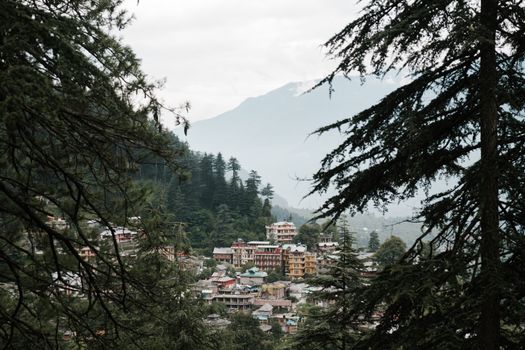
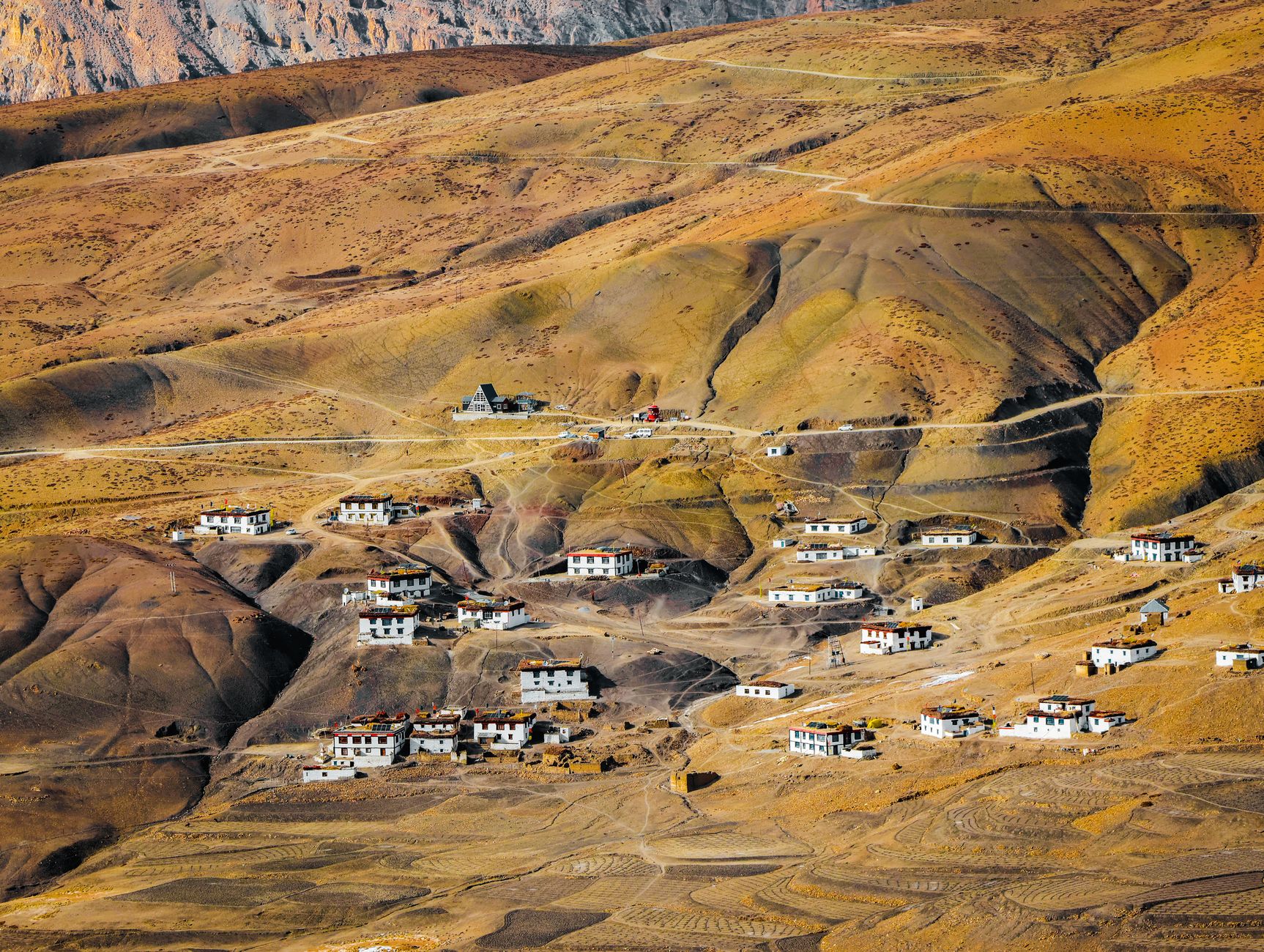
There’s a specific kind of magic that settles in your soul when you stumble upon something truly unexpected, something that feels like yours alone, even if just for a fleeting moment. I remember it vividly: standing on a rocky outcrop in the Albanian Alps, the air crisp and clean, looking down into a valley where a cluster of ancient stone houses clung to the hillside like forgotten jewels. No souvenir shops, no selfie sticks, just the bleating of sheep and the distant murmur of a river. It was a place where time had apparently taken a detour, and I, with my dusty hiking boots, felt like I’d just stepped into a living postcard from another century.
That feeling, dear Tripsora readers, is the holy grail of travel: authentic discovery. In an age where every corner of the globe seems to be meticulously mapped, reviewed, and Instagrammed into oblivion, finding these pockets of untouched beauty feels increasingly rare. But they exist. They're just not always accessible by paved roads or tourist buses. They demand a little effort, a little sweat, and a willingness to trade convenience for genuine connection.
This isn't about ticking off famous landmarks. This is about lacing up your boots, embracing the journey, and letting the trail lead you to places that whisper stories of old, villages where traditions thrive, and the pace of life is dictated by the sun and seasons, not Wi-Fi signals. We’re talking about hidden villages that are still flying under the radar, accessible primarily by foot, and waiting for you to discover them before the rest of the world catches on.
Ready to embark on an adventure that promises soul-stirring landscapes and truly authentic encounters? Let's dive in.
The Untamed Allure: Why Hiking is Your Passport to Authenticity
In a world obsessed with speed, hiking forces you to slow down. It’s not just a mode of transport; it’s a meditation, a sensory feast, and an intimate dialogue with the land. When you trek for hours, sometimes days, to reach a destination, you earn it. You notice the way the light filters through the trees, the scent of pine needles, the sound of a distant cowbell. You feel the terrain under your feet, the rhythm of your breath. This deep engagement with the journey prepares you for the profound experience of arriving in a village that has largely remained untouched by mass tourism.
Unlike flying into a bustling city or driving up to a well-known attraction, hiking to a remote village strips away the layers of commercialism. You meet locals on their terms, often through chance encounters on the trail or in the village’s only taverna. There’s a raw honesty to these interactions, unburdened by the usual tourist-vendor dynamic. You’re not just a consumer; you’re a curious traveler, a temporary guest in their world. This slower pace allows for genuine cultural immersion, fostering connections that simply aren't possible when you're rushing from one photo op to the next. It’s sustainable travel at its core, supporting local economies directly and minimizing your footprint.
Our Top Picks: European Hidden Village Hikes That Will Steal Your Heart
Europe, despite its well-trodden paths, still holds countless secrets. Here are a few of my absolute favorite hiking trails that lead to villages whispering tales of old, places that are ripe for discovery right now.
1. Gjirokastër & The Zagoria Villages, Albania: Where Stone Sings Stories
If you’re craving a taste of Europe untamed, Albania is your answer, and its southern Zagoria region is a hidden gem waiting to be unearthed. Most tourists flock to the Albanian Riviera, but true adventurers head inland.
- The Journey: Start your adventure in Gjirokastër, a UNESCO World Heritage site known as the "City of Stone." Explore its Ottoman-era bazaar and formidable castle before venturing into the wild. From Gjirokastër, numerous trails branch out into the Zagoria region. One fantastic route involves taking a local furgon (minibus) to a village like Nepravishtë or Çarshovë, and then hiking between the ancient stone villages, often following old shepherd paths. A particularly rewarding multi-day trek can take you through villages like Nivan, Vithkuq, and Këllëz, often crossing historic Ottoman bridges.
- Why it's Hidden: Albania is still developing its tourism infrastructure, and the mountainous interior is far less explored than its coast. The Zagoria villages are remote, requiring effort to reach, and largely untouched by modern development.
- The Village Vibe: Imagine villages built almost entirely of stone – houses, roofs, even the fences. Life here moves at a glacial pace. You’ll see farmers tending their fields, women weaving, and men gathered for coffee in the village square. The hospitality is legendary; don't be surprised if you're invited in for a raki or a home-cooked meal. It's a true step back in time.
- Practicalities:
- Difficulty: Moderate to challenging, depending on the chosen route and duration. Some trails are well-marked; others require basic navigation skills or a local guide.
- Best Seasons: Spring (April-May) for wildflowers and pleasant temperatures, or Autumn (September-October) for colorful foliage and cooler air. Summers can be hot.
- Accommodation: Expect charming guesthouses (bujtina) in the villages, often run by families. Prices are incredibly reasonable, typically €20-€40 per night including breakfast. Book ahead, as options are limited.
- Food: Hearty, organic, and delicious. Think slow-cooked lamb, fresh salads, homemade bread, and local cheeses.
- Cost: Albania is very budget-friendly. Expect to spend €30-€60 per day for food, accommodation, and transport.
- My Anecdote: I once got delightfully lost near the village of Dukaj, ending up at a local farm. Despite the language barrier, the family invited me to share their lunch of fresh cheese, olives, and homemade bread. It was a moment of pure, unadulterated human connection that transcended words.
- Instagram Moment: Panoramic shots of stone villages clinging to steep hillsides, ancient arched bridges spanning crystal-clear rivers, and the warm smiles of hospitable locals.
2. The Valle Verzasca & Corippo, Switzerland: Europe's Smallest, Revived Gem
Switzerland is famous for its mountains, but the canton of Ticino, bordering Italy, offers a unique blend of Alpine grandeur and Mediterranean charm. Here lies the Valle Verzasca, home to an emerald river and the enchanting village of Corippo.
- The Journey: The Valle Verzasca is easily accessible by public transport (bus) from Locarno. From the bus stop at Lavertezzo, you can begin your hike along the Verzasca River, famous for its impossibly clear, emerald-green water and ancient Roman bridge (Ponte dei Salti). The trail gradually climbs through forests and past smaller hamlets. A moderate 1.5-2 hour hike from Lavertezzo will lead you up to Corippo, nestled high above the valley.
- Why it's Hidden: While the Verzasca River itself draws some day-trippers, the village of Corippo remained almost forgotten until recently. With a dwindling population (once just 12 people!), it was Europe’s smallest independent municipality. It's now being revitalized as a "diffused hotel" (albergo diffuso), preserving its heritage.
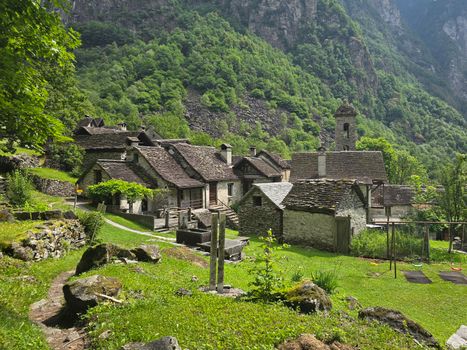
- The Village Vibe: Corippo is a marvel of rustic stone architecture. Its narrow, cobbled alleys wind between tiny houses, a charming church, and a single, traditional restaurant. The silence here is profound, broken only by the chirping of cicadas or the distant rush of the river. It feels like stepping into a perfectly preserved medieval painting.
- Practicalities:
- Difficulty: Easy to moderate. The trail along the river is relatively flat, with a steady ascent to Corippo. Well-marked paths.
- Best Seasons: Late Spring (May-June) and early Autumn (September-October) offer ideal temperatures and fewer crowds. Summer is popular for swimming in the river, but the trails can be busy.
- Accommodation: The "Albergo Diffuso Corippo" offers renovated stone houses as unique accommodations. Prices range from €100-€200 per night, a worthwhile splurge for the experience. Book well in advance.
- Food: The village restaurant serves traditional Ticinese cuisine. Otherwise, pack a picnic to enjoy by the river.
- Cost: Switzerland is generally expensive, but hiking is free, and the experience is priceless.
- My Anecdote: Swimming in the shockingly cold, emerald waters of the Verzasca, then drying off on sun-warmed rocks before hiking up to Corippo, felt like a perfect day. The village itself, so quiet and still, had an almost spiritual quality. It truly felt like a place time forgot, now gently reawakening.
- Instagram Moment: The iconic Ponte dei Salti bridge over the emerald Verzasca, the charming stone houses of Corippo, and panoramic views of the valley from the village.
3. Serra da Estrela & Sabugueiro, Portugal: Shepherd's Trails in the Wild Heart
While Portugal's coasts and cities are bustling, its interior, particularly the Serra da Estrela Natural Park, remains a wild, rugged, and incredibly authentic region. This is Portugal's highest mountain range, home to glacial valleys and ancient shepherding traditions.
- The Journey: Start your adventure from Manteigas, a town nestled in the Zêzere Glacier Valley. Numerous well-marked trails (PR routes) crisscross the park. One particularly scenic route takes you through the glacial valley, past stunning rock formations, and up towards higher altitudes, eventually leading to Sabugueiro. The hike can range from 3-6 hours depending on your starting point and pace, offering breathtaking vistas throughout.
- Why it's Hidden: Most international tourists overlook inland Portugal for the beaches and Lisbon/Porto. The Serra da Estrela attracts domestic visitors, but its vastness means many villages remain untouched by mass tourism.
- The Village Vibe: Sabugueiro proudly claims to be the "highest village in Portugal." It's a granite-built village steeped in pastoral traditions. Here, you’ll encounter shepherds with their flock of ovelhas da Serra (Serra sheep), the source of the region's famous Queijo da Serra cheese. The air is crisp, the pace of life slow, and the locals are warm and welcoming, eager to share their heritage.
- Practicalities:
- Difficulty: Moderate to challenging. The terrain can be rocky and steep in places. Good hiking boots are essential.
- Best Seasons: Late Spring (May-June) for blooming wildflowers and pleasant weather, or early Autumn (September-October) for golden landscapes and the chance to see cheese-making in full swing. Winters can be snowy and challenging.
- Accommodation: Small guesthouses and rural tourism houses are available in Sabugueiro and nearby towns like Manteigas. Prices are very reasonable, typically €40-€70 per night.
- Food: You MUST try Queijo da Serra, a creamy, pungent sheep's milk cheese. Hearty mountain cuisine, often involving lamb or goat, is the norm.
- Cost: Portugal's interior is very affordable.
- My Anecdote: I spent an afternoon watching a local shepherd skillfully guide his flock with his two Estrela Mountain Dogs. Later, in Sabugueiro, I tasted fresh Queijo da Serra at a tiny shop, the owner proudly explaining the cheese-making process. It was a tangible connection to centuries of tradition.
- Instagram Moment: Panoramic views of the glacial valleys, the iconic Estrela Mountain Dogs, traditional granite houses, and perhaps a candid shot of a shepherd and his flock.
Planning Your Off-Grid Adventure: Practical Tips for the Discerning Hiker
Embarking on a journey to these hidden gems requires a little more planning and a lot more mindfulness. Here’s how to ensure a smooth, rewarding, and responsible adventure:
- Deep Dive Research: Go beyond the first page of Google. Look for local blogs, niche hiking forums, and even academic papers on remote regions. Word-of-mouth from experienced travelers is gold. Maps.me and AllTrails are excellent for offline navigation, but always cross-reference.
- Embrace Sustainable Travel: These villages are pristine precisely because they haven't been overrun. Leave no trace: pack out everything you pack in. Support local businesses directly – stay in guesthouses, eat at local tavernas, buy handmade crafts. Be mindful of water and energy usage.
- Gear Up Wisely:
- Footwear: Sturdy, broken-in hiking boots are non-negotiable.
- Layers: Weather in mountainous regions can change quickly. Pack moisture-wicking base layers, a warm mid-layer, and a waterproof/windproof outer shell.
- Navigation: A physical map and compass (and know how to use them!) are crucial backups to your fully charged phone with offline maps.
- First-Aid Kit: Blister plasters, pain relievers, antiseptic wipes, any personal medications.
- Water & Snacks: Carry more water than you think you'll need, and high-energy snacks.
- Other Essentials: Headlamp, power bank, sun protection (hat, sunscreen), small towel, multi-tool.
- Safety First: Always inform someone of your itinerary. Check local weather forecasts. Understand your physical limits and don't push them. Travel insurance is always a good idea, especially for remote areas.
- Disconnect to Reconnect: Expect limited or no Wi-Fi/cell signal. This is part of the charm! Embrace the digital detox. Download books, podcasts, or music beforehand.
- Language Basics are Key: Learn a few essential phrases in the local language (hello, thank you, please, how much, water, food). Even a small effort shows respect and can open doors to incredible interactions.
- Accommodation & Food: In tiny villages, options are scarce. Book guesthouses or homestays well in advance. Don't expect Michelin-starred restaurants; embrace simple, local, and often incredibly delicious cuisine.
The Art of Slow Travel and Cultural Immersion
The true reward of these journeys isn't just the stunning photos; it's the profound sense of connection you forge.
- Engage, Don't Just Observe: Smile, make eye contact, and try to strike up conversations (even with gestures if language is a barrier). Ask about local traditions, history, or daily life. Be genuinely curious.
- Participate: If there's a local festival, market day, or even just an opportunity to help with a task (like gathering olives, if offered), seize it. These are the moments that become lifelong memories.
- Listen to the Silence: In these places, the rhythm of life is different. Take time to simply sit, observe, and absorb the atmosphere. The absence of urban noise is a luxury.
- Embrace the Unexpected: Plans might change, things might not go exactly as anticipated. That's part of the adventure. Be flexible and open to serendipitous encounters.
- Respect Local Customs: Dress modestly, especially when visiting religious sites. Ask permission before taking photos of people. Be aware of local etiquette regarding greetings, meals, and interactions.
Protecting These Gems: The Responsibility of Discovery
The irony of discovering a hidden gem is that by sharing it, you risk contributing to its eventual mainstreaming. As travel bloggers, we walk a fine line. Our goal at Tripsora is to inspire adventure, but also to advocate for responsible, respectful exploration.
- Support Local, Always: Channel your tourism dollars directly into the community. Stay in local guesthouses, eat at family-run restaurants, hire local guides, buy authentic local products. This ensures that tourism benefits the people who call these places home.
- Minimize Your Impact: Practice Leave No Trace principles rigorously. Be mindful of your noise levels, especially in quiet villages. Respect private property.
- Be a Cultural Ambassador: Your actions reflect on all travelers. Be polite, patient, and understanding.
- Think Before You Share (Ethically): While we encourage sharing your amazing experiences, consider the potential impact of over-sharing hyper-specific, sensitive locations. Sometimes, a general description or a focus on the feeling of discovery is more responsible than geo-tagging the exact spot of a tiny, fragile village. Encourage others to find their own hidden gems, rather than just copying yours.
- Educate Others: Share your knowledge about responsible travel with friends and fellow adventurers.
Your Adventure Awaits: Go Forth and Explore!
The world is still full of wonders waiting to be discovered, places where the air smells different, where smiles are genuine, and where the past feels palpably present. These hiking trails to hidden villages offer more than just scenic views; they offer a chance to reconnect with nature, with history, and with the very essence of human connection.
So, pack your bags, lace up your boots, and set your compass for the road less traveled. Go forth and explore, but do it mindfully, respectfully, and with an open heart. The next great adventure, the next unforgettable story, is waiting for you just beyond the next bend in the trail.
Have you stumbled upon a truly hidden village on your travels? Share your stories (responsibly!) in the comments below – we'd love to hear about your authentic discoveries!
---