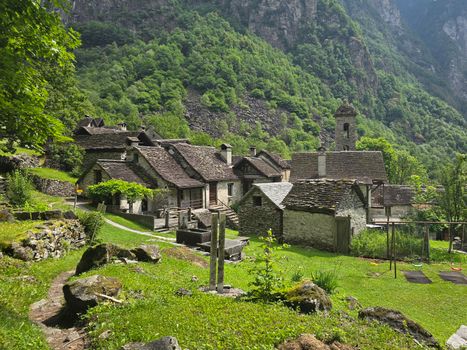
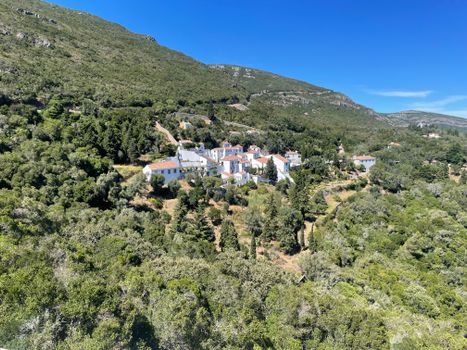
The crisp mountain air bit at my cheeks as I crested the final ridge. Below, nestled in a verdant valley, was a sight so perfect it seemed plucked from a storybook: ancient stone chalets clinging to a hillside, smoke curling from chimneys, and the distant, melodic clang of cowbells. No cars, no bustling crowds, just the profound silence of the Alps and the promise of a hot meal in a place where time had apparently taken a leisurely detour.
That moment, arriving in Gimmelwald after a challenging but exhilarating hike, wasn't just a travel experience; it was a revelation. It ignited a passion within me – a relentless pursuit of those elusive, hidden villages that demand a little effort to reach but reward you with an authenticity and beauty that mainstream tourism simply can't offer.
If you’re anything like me, you crave more than just pretty postcards. You yearn for stories, for connections, for the feeling of truly earning a view or a meal. You want to step into a world where ancient traditions thrive and the pace of life slows to a comforting rhythm. Forget the guidebooks that point you to the obvious. Today, we're lacing up our boots and venturing into the extraordinary.
Welcome, fellow adventurers, to Tripsora, and to a journey unlike any other. I'm about to share my top five hiking trails that lead to hidden villages so spectacular, so steeped in character, they will quite literally blow your mind. These aren't just hikes; they're portals to different worlds, demanding effort but promising memories that will last a lifetime.
Why Seek the Hidden? The Call of the Unseen Path
Before we dive into the specific destinations, let's talk about the magic. Why do we put ourselves through the sweat and strain of a hike when a bus or car might take us closer?
The answer, for me, is multifaceted. It's about the authenticity. Villages that are harder to reach often retain their cultural integrity, their traditions, and their genuine way of life. They haven't been commodified by mass tourism. It's about the reward. There's an unparalleled sense of accomplishment when you arrive somewhere stunning, knowing every step brought you closer. It's about the connection. With nature, with yourself, and often, with the incredibly welcoming locals who appreciate your effort to experience their world.
These journeys aren't just about the destination; they're about the entire pilgrimage. The rustle of leaves underfoot, the crisp mountain air filling your lungs, the panoramic views unfolding with every switchback – these are all part of the story.
Practical Pointers for Your Hidden Village Quest:
- Research is Key: Always check trail conditions, weather forecasts, and local regulations.
- Pack Smart: Layered clothing, sturdy hiking boots, water, snacks, first-aid kit, and a power bank are non-negotiable.
- Go Local: Consider hiring a local guide, especially for more challenging treks. They offer invaluable insights and support the local economy.
- Respect Culture: Learn a few basic phrases, dress modestly where appropriate, and always ask permission before taking photos of people.
- Leave No Trace: Pack out everything you pack in. Preserve the pristine beauty of these places.
Ready to embark on an adventure that will redefine your travel goals? Let's go!
1. Alpine Serenity: Gimmelwald, Switzerland
My first true hidden village love affair began in the heart of the Swiss Alps. Most tourists flock to Lauterbrunnen or Mürren, and while beautiful, they have a distinctly more "touristy" feel. Gimmelwald, however, is a different beast entirely. It’s a car-free, working farm village that feels suspended in time, clinging to a cliff face high above the Lauterbrunnen Valley.
My Personal Gimmelwald Story: I'd heard whispers of this magical place from fellow backpackers. After riding the cable car up from Stechelberg, the immediate calm hit me. The only sounds were cowbells, the distant rush of waterfalls, and the wind. I checked into the legendary Mountain Hostel, known for its friendly vibe and epic views. My days were spent hiking the flower-strewn trails, sipping local beer at the tiny 'Honesty Bar', and simply watching the clouds drift past the Eiger, Mönch, and Jungfrau peaks. One evening, after a long hike to the Sprutz waterfall, I sat on my hostel balcony, feeling utterly disconnected from the world and more connected to myself than ever before. It was pure bliss.
The Hike: You can take a cable car most of the way, but the real magic is in the hike. From Mürren, a well-marked, mostly downhill path (about 1.5-2 hours) winds through meadows, past working farms, and offers increasingly stunning views of the valley floor and waterfalls. For a more challenging ascent, you can hike up from Stechelberg (3-4 hours, steep). The reward? Those iconic views of Gimmelwald seemingly carved into the mountainside.
What to Expect & Do:
- Authentic Alpine Life: See cows grazing, farmers at work, and traditional chalets.
- Hiking Paradise: Miles of trails for all levels. Don't miss the hike to Sprutz waterfall or a longer trek towards Tanzbodeli for panoramic views.
- Honesty Bar: Grab a drink and pay on the honor system – a testament to the village's trust and community spirit.
- Relaxation: Simply soak in the unparalleled natural beauty.
Details & Practicalities:
- Location: Lauterbrunnen Valley, Bernese Oberland, Switzerland.
- Getting There: Train to Lauterbrunnen, then bus to Stechelberg (Line 141). From Stechelberg, take the Schilthornbahn cable car towards Mürren, getting off at Gimmelwald. For the hike, you can start from Mürren (accessible by cable car from Lauterbrunnen via Grütschalp) or Stechelberg.
- Best Time to Visit: Late spring to early autumn (May-October) for hiking. Winter offers a snowy wonderland, but trails might be limited.
- Accommodation: Mountain Hostel Gimmelwald is iconic. A few small guesthouses are also available. Book well in advance!
- Approximate Costs: Cable car rides are pricey (Swiss Travel Pass or Half-Fare Card is recommended). Hostels/guesthouses are standard Swiss prices (e.g., CHF 40-80 for a dorm bed). Food can be bought at the small village shop or enjoyed at hostel/guesthouse restaurants.
- Instagram-Worthy Moment: A shot of the village nestled against the backdrop of the Jungfrau massif, or a selfie with a friendly cow and its bell.
2. Berber Echoes: Aroumd, Morocco (High Atlas Mountains)
From the pristine Alps, let's journey to the rugged, sun-baked peaks of Morocco's High Atlas Mountains. Just a short drive from the bustling souks of Marrakech lies Imlil, the gateway to Toubkal National Park. But for a truly hidden gem, you need to push a little further, ascending to the traditional Berber village of Aroumd.
My Personal Aroumd Story: The journey itself was an adventure. After a chaotic taxi ride from Marrakech to Imlil, I hired a local guide (highly recommended!) and a mule to carry my pack. The path wound through terraced fields and apple orchards, with children waving from the village paths. Arriving in Aroumd, with its mud-brick houses clinging to the mountainside, felt like stepping into a different century. I stayed in a traditional guesthouse (a "riad" or "dar"), where the hospitality was as warm as the mint tea. Sharing a meal of tagine with my host family, under a sky ablaze with stars, felt profoundly authentic. The next day, we hiked further up the valley, past waterfalls and ancient shrines, feeling the raw power of the mountains.
The Hike: From Imlil, Aroumd is about a 1.5 to 2-hour walk. The path is well-trodden but rocky and steadily uphill. You can hire a mule for your bags (or yourself!) if needed, which is a common and culturally enriching experience. The views of the deep valley and the surrounding peaks, including Jebel Toubkal (North Africa's highest peak), are spectacular.
What to Expect & Do:
- Berber Culture: Experience the enduring traditions of the indigenous Berber people.
- Mountain Treks: Aroumd is the last accessible village before the Toubkal refuge, making it a perfect base for day hikes or multi-day treks towards Toubkal.
- Local Hospitality: Stay in a family-run guesthouse, savor home-cooked meals, and learn about local life.
- Stargazing: Far from city lights, the night sky here is breathtaking.
Details & Practicalities:
- Location: High Atlas Mountains, near Imlil, Morocco.
- Getting There: Grand taxi from Marrakech to Imlil (approx. 1.5-2 hours). From Imlil, hike or hire a mule to Aroumd.
- Best Time to Visit: Spring (April-May) and Autumn (September-October) for pleasant hiking weather. Summer can be hot, winter can bring snow.
- Accommodation: Numerous guesthouses (e.g., Dar Adrar) offering basic but comfortable rooms and delicious food.
- Approximate Costs: Grand taxi Marrakech-Imlil (approx. 70-100 MAD per person if shared). Guide/mule (negotiable, expect 200-400 MAD/day for a guide, less for a mule). Guesthouse (250-500 MAD per night including dinner/breakfast).
- Instagram-Worthy Moment: Terraced fields with mud-brick homes against a backdrop of snow-capped peaks, or a portrait of a local guide with a shy smile.
3. Himalayan Heartbeat: Ghandruk, Nepal (Annapurna Region)
Nepal's Annapurna region is famous for its epic treks, but you don't need to commit to weeks on the trail to experience its magic. Ghandruk, a large Gurung village, offers a stunning introduction to Himalayan life and culture, accessible via a rewarding short trek from Pokhara.
My Personal Ghandruk Story: After the bustle of Kathmandu and Pokhara, the quiet ascent towards Ghandruk was a balm for the soul. The air grew crisper, the views more expansive. As I arrived, the stone houses and slate roofs of Ghandruk seemed to cascade down the hillside. My teahouse balcony offered an unobstructed panorama of Machapuchare (Fishtail Mountain), Annapurna South, and Hiunchuli. Waking up to the sunrise painting these giants in hues of orange and pink was an experience that brought tears to my eyes. I spent a day exploring the Gurung Museum, learning about their rich history, and sharing stories with fellow trekkers over bowls of dal bhat. It felt like I was truly at the heart of the Himalayas.
The Hike: The most common trek starts from Nayapul (about 1.5-2 hours drive from Pokhara). From Nayapul, it's a moderate 4-5 hour uphill trek through rhododendron forests and past smaller villages to Ghandruk. The path is well-maintained with stone steps in many sections. Alternatively, you can drive closer to Kimche and have a shorter, easier hike (1.5-2 hours).
What to Expect & Do:
- Panoramic Mountain Views: Incredible vistas of the Annapurna range, including Machapuchare.
- Gurung Culture: Explore the traditional stone houses, visit the Gurung Museum, and witness local life.
- Teahouse Trekking: Experience the unique Nepalese trekking culture, staying in simple but welcoming teahouses.
- Further Exploration: Ghandruk can be a stop on longer treks like the Annapurna Base Camp or Poon Hill circuit.
Details & Practicalities:
- Location: Annapurna Conservation Area, Gandaki Province, Nepal.
- Getting There: Fly or bus to Pokhara. From Pokhara, hire a taxi or take a local bus to Nayapul (or Kimche for a shorter hike).
- Best Time to Visit: Spring (March-May) for rhododendrons and clear skies, or Autumn (September-November) for the clearest mountain views.
- Accommodation: Numerous teahouses offering basic rooms and meals.
- Approximate Costs: ACAP permit (3000 NPR for foreigners), TIMS card (2000 NPR for foreigners). Bus/taxi to Nayapul (approx. 1500-3000 NPR). Teahouse rooms (500-1000 NPR, often cheaper if you eat there). Meals (500-1000 NPR per meal).
- Instagram-Worthy Moment: Sunrise over the Annapurna range from your teahouse balcony, or a candid shot of children playing in the village square with prayer flags fluttering in the background.
4. The Dying City's Embrace: Civita di Bagnoregio, Italy
Imagine a village perched precariously on a crumbling plateau, accessible only by a long, slender pedestrian bridge. Civita di Bagnoregio, often called "The Dying City," is an architectural marvel and a poignant reminder of nature's relentless power. It's not a mountain trek, but the walk across that bridge feels like a journey through time itself.
My Personal Civita Story: I'd seen photos, but nothing prepared me for the sight of Civita emerging from the mist-shrouded valley. The walk across the pedestrian bridge, suspended high above the 'Valley of the Badlands,' was breathtaking and a little eerie. With every step, I felt the weight of centuries. Once inside the ancient gate, the silence was profound, broken only by the chirping of birds and my own footsteps on cobblestones. There were only a handful of permanent residents, giving the village a ghostly, yet incredibly peaceful, atmosphere. I spent hours wandering the narrow alleys, peeking into tiny gardens, and savoring a simple pasta dish at one of the village's few restaurants, feeling like I had stumbled into a forgotten dream.
The Hike (or Walk): The "hike" here is the dramatic walk across the 300-meter-long pedestrian bridge. It’s a steep ascent, but entirely paved. It's not physically demanding in the same way a mountain trek is, but the sheer visual impact and the sense of isolation it creates are powerful. Parking is available in the newer town of Bagnoregio, and from there, it's about a 20-minute walk to the start of the bridge.
What to Expect & Do:
- Unique Architecture: Explore the medieval stone buildings, archways, and a charming central piazza.
- Panoramic Views: Incredible vistas of the surrounding 'calanchi' (badlands) from the village's edge.
- Historical Significance: Learn about the village's struggle against erosion and its efforts to survive.
- Slow Tourism: Enjoy a leisurely pace, perhaps a meal at one of the few local eateries.
Details & Practicalities:
- Location: Lazio region, Italy, about 1.5 hours north of Rome.
- Getting There: Train from Rome to Orvieto. From Orvieto, take a local bus or taxi to Bagnoregio. From Bagnoregio, walk to the pedestrian bridge.
- Best Time to Visit: Spring (April-May) and Autumn (September-October) for pleasant weather and fewer crowds. Summer can be hot and busy.
- Accommodation: Limited options within Civita itself (a few B&Bs), more choices in the larger town of Bagnoregio.
- Approximate Costs: Entrance fee to Civita (approx. €5). Bus/taxi from Orvieto (approx. €5-10).
- Instagram-Worthy Moment: The iconic shot of Civita di Bagnoregio from the end of the pedestrian bridge, or a close-up of the ancient stone architecture against a dramatic sky.
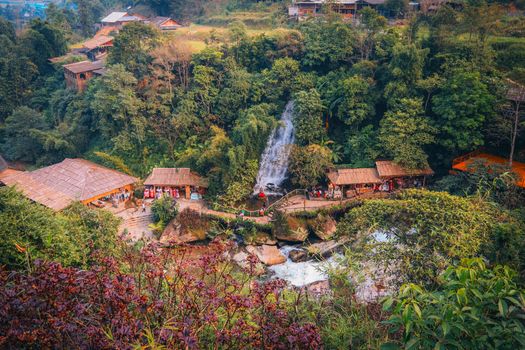
5. Dragon's Backbone & Ethnic Charm: Longji Rice Terraces, China
Our final hidden village adventure takes us to the spectacular Longji Rice Terraces in China's Guangxi province. Here, the "villages" are not just destinations, but integral parts of a breathtaking, man-made landscape. The terraces, carved into the mountainsides by the Zhuang and Yao ethnic minorities over centuries, resemble a dragon's backbone winding through the hills.
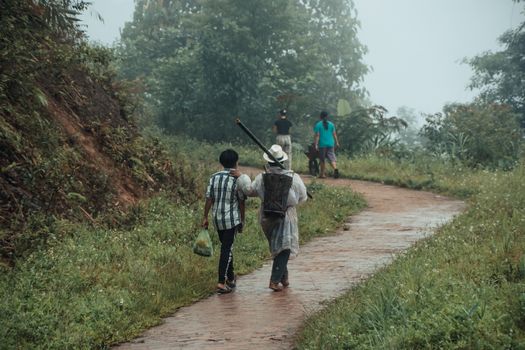
My Personal Longji Story: The bus ride from Guilin was winding, but nothing prepared me for the scale of the terraces. I chose to stay in Dazhai, one of the more remote villages. My hike from the bus drop-off point involved navigating narrow, sometimes muddy, paths that snaked through the vibrant green (or golden, depending on the season) rice paddies. I remember getting happily lost for a while, just soaking in the incredible views and the sounds of village life. Staying in a traditional wooden guesthouse with a balcony overlooking the terraces was pure magic. One evening, a local Yao woman, with her impossibly long, dark hair, shared stories of her ancestors. The sunrise over the "Golden Buddha Peak" viewpoint, with mist rising from the terraces, was a moment of profound beauty and cultural immersion.
The Hike: The Longji Rice Terraces area encompasses several villages (Ping'an, Dazhai, Jinkeng, etc.). The main "hike" involves trekking between these villages along well-worn paths that traverse the terraces. For example, hiking from Dazhai to Ping'an can take 3-5 hours, offering incredible views and allowing you to experience the different ethnic communities. Shorter, easier walks lead to various viewpoints within each village area.
What to Expect & Do:
- Stunning Landscapes: Witness the awe-inspiring engineering and beauty of the rice terraces, which change color with the seasons.
- Ethnic Minority Culture: Engage with the Zhuang and Yao people, known for their vibrant traditional dress, unique customs, and hospitality.
- Viewpoint Hikes: Ascend to famous viewpoints like "Seven Stars Accompany the Moon" (Ping'an) or "Golden Buddha Peak" (Dazhai) for panoramic vistas.
- Local Cuisine: Savor bamboo rice, local chicken, and other regional specialties.
Details & Practicalities:
- Location: Longsheng County, Guangxi Zhuang Autonomous Region, China, about 2-3 hours from Guilin.
- Getting There: Take a tourist bus or private transfer from Guilin to the Longji Rice Terraces entrance, then transfer to a local shuttle bus that takes you closer to villages like Dazhai or Ping'an. From there, it's a walk/hike to your guesthouse.
- Best Time to Visit:
- April/May: Planting season, terraces filled with water, reflecting the sky.
- June-September: Lush green.
- Late September-Early October: Harvest season, golden terraces (can be crowded).
- Winter: Snow-covered, quiet, but very cold.
- Accommodation: Numerous guesthouses run by local families, many with stunning terrace views.
- Approximate Costs: Entrance fee to Longji Rice Terraces Scenic Area (approx. 100 CNY). Bus from Guilin (approx. 50-80 CNY). Guesthouse (100-300 CNY per night). Meals (30-80 CNY per meal).
- Instagram-Worthy Moment: The sweeping panorama of the terraces from a viewpoint, especially at sunrise or sunset, or a close-up of a local farmer working in the fields.
Your Next Great Adventure Awaits
The world is full of wonders, and some of the most profound experiences are found off the paved roads, at the end of a winding trail. These five hidden villages, each with its unique charm and story, represent just a sliver of what's out there waiting to be discovered. They offer more than just beautiful scenery; they offer a chance to slow down, connect, and truly feel alive.
The effort of the hike melts away the moment you step into these untouched worlds. You're not just a tourist passing through; you're an adventurer, a temporary resident, a witness to traditions that have endured for centuries. These are the journeys that transform you, that give you stories far richer than any souvenir.
So, are you ready to trade the ordinary for the extraordinary? To swap your screen time for trail time? To let the mountains, the history, and the people of these hidden gems blow your mind?
Which hidden village will you discover first? Share your dreams and plans in the comments below! And don't forget to bookmark this post for your next epic adventure – and share it with your fellow wanderlust-driven friends! The world's secrets are waiting for you.
---