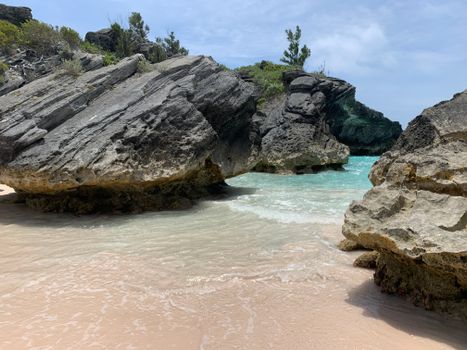
Secret Beaches Nobody Talks About That Will Blow Your Mind
There’s a moment every traveler dreams of: stepping onto a pristine, untouched beach, the sand cool beneath your feet, the water a kaleidoscope of blues, and not a soul in sight. It's the kind of picture-perfect paradise often reserved for postcards or high-budget travel shows. But what if I told you these places aren't just fantasy? What if I told you that, with a little insider knowledge and a dash of adventurous spirit, you could find them?
I remember my first "secret beach" revelation. It was years ago, on a trip to Bali. I'd spent days battling crowds at Seminyak and Kuta, feeling more like a sardine than a free-spirited explorer. Frustrated, I struck up a conversation with a local warung owner. He chuckled, "You want real Bali beach? Go south, before sunset. Find the temple, then walk left, down the path." Skeptical but desperate, I followed his cryptic directions. What I found was a secluded cove, framed by towering cliffs, with waves crashing rhythmically against soft, dark sand. There were maybe five other people there, all whispering, as if sharing a sacred secret. The air hummed with serenity, and as the sun dipped below the horizon, painting the sky in fiery oranges and purples, I knew I’d found something truly special. It wasn’t on any tourist map, and that made it all the more magical.
That experience ignited a passion in me: the hunt for the world's hidden shores. The ones that require a little effort, a local tip, or a leap of faith to discover. The ones that haven't been swallowed by resorts or selfie sticks. If you're tired of fighting for towel space and yearn for genuine tranquility, you're in the right place. I’ve scoured continents, hiked through jungles, and navigated choppy waters to bring you five truly mind-blowing secret beaches that will redefine your idea of paradise. Get ready to bookmark this, because your next adventure starts now.
1. Freedom Beach, Phuket, Thailand: A Secluded Slice of Thai Heaven
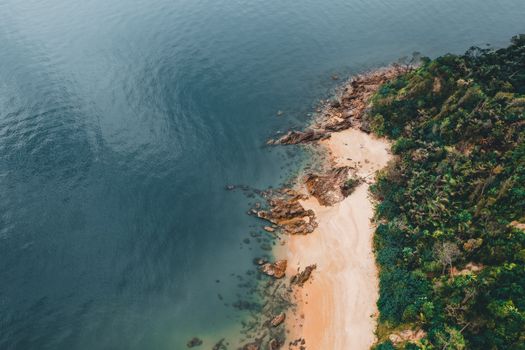
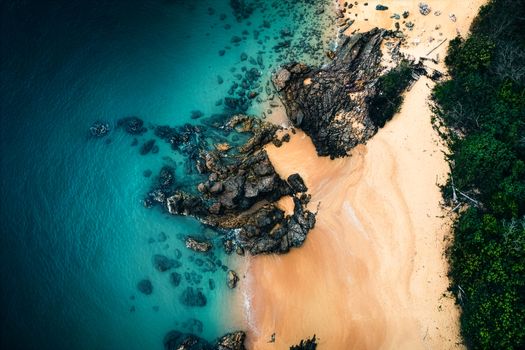
Phuket. The name conjures images of bustling Patong, vibrant nightlife, and crowded shores. But just a stone's throw away from the tourist hubbub lies a sanctuary so serene, it feels like a different island altogether: Freedom Beach. Tucked away on the island's west coast, south of Patong, this 300-meter stretch of powder-soft white sand and impossibly clear turquoise waters is a true hidden gem.
I first stumbled upon Freedom Beach on a sweltering afternoon after being utterly overwhelmed by the chaotic energy of Patong. A local longtail boat driver, sensing my desperation for peace, offered a "special trip" to a "quiet beach." Skeptical but curious, I agreed. The 15-minute boat ride, skirting the dramatic coastline, was an adventure in itself. As we rounded the final headland, the view that unfolded took my breath away. Lush green hills sloped down to meet the pristine sand, and the water sparkled with an almost otherworldly clarity. There were a handful of people scattered across the beach, each lost in their own peaceful reverie.
Why it's secret: Its primary access is by longtail boat, typically from Patong, Karon, or Kata beaches. There's a land route, but it involves a very steep, sometimes challenging hike down a dirt path, which deters most casual visitors. This limited accessibility keeps the crowds at bay, preserving its untouched beauty.
Practical Details & Tips:
- Getting there: The easiest way is to hire a longtail boat. Prices vary, but expect to pay around 1,000-1,500 THB (approx. $30-45 USD) for a round trip from Patong, depending on your negotiation skills and the duration of your stay. Agree on a pick-up time.
- Facilities: There are usually a couple of small, rustic restaurants offering basic Thai food and drinks, but they can be pricey. It's wise to pack your own water and snacks, especially if you're on a budget.
- Best time to visit: Early morning (before 10 AM) or late afternoon (after 3 PM) offers the most tranquility. Avoid the peak season (November-February) if you want absolute solitude, though even then, it's far less crowded than other Phuket beaches.
- Instagram-worthy moment: The iconic swing hanging from a palm tree, perfectly framing the azure waters. Or simply the untouched shoreline with nobody in sight.
2. Praia da Ursa, Sintra, Portugal: Where the Atlantic Roars and Rocks Dance
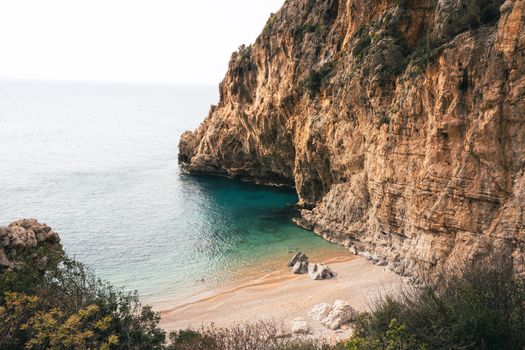
Portugal's coastline is famous for its dramatic cliffs and golden beaches, but few compare to the raw, untamed beauty of Praia da Ursa. Located near Cabo da Roca, the westernmost point of mainland Europe, this beach is a wild, windswept masterpiece shaped by the powerful Atlantic Ocean. Its name, "Bear Beach," comes from two towering sea stacks that resemble a bear and her cub, standing sentinel against the crashing waves.
My journey to Praia da Ursa was an exercise in determination. After visiting the bustling tourist viewpoint at Cabo da Roca, I noticed a faint trail winding down the dizzying cliffs. A local photographer, tripod in hand, pointed me in the right direction, warning of a "difficult descent." What followed was a thrilling, sometimes precarious, 30-minute hike. Scrambling over loose rocks and navigating steep, winding paths, I questioned my sanity more than once. But then, through a break in the terrain, I saw it: a vast expanse of golden sand, framed by colossal, sculptural rock formations, with the turquoise Atlantic churning and roaring. The effort melted away, replaced by an overwhelming sense of awe and achievement.
Why it's secret: Its challenging access is the main deterrent. There's no paved road, no easy staircase – just a rugged, unmaintained trail that requires proper footwear and a good level of fitness. It’s not a beach for casual sunbathers but for adventurers seeking dramatic natural beauty.
Practical Details & Tips:
- Getting there: Drive or take a bus to Cabo da Roca. From the main parking lot, look for the dirt path heading north along the cliffs. The trail is often unmarked and can be tricky to find. GPS coordinates for the trailhead can be helpful.
- The hike: Wear sturdy hiking shoes with good grip. Avoid flip-flops or sandals. The path is steep, rocky, and can be slippery, especially after rain. Allow at least 30-45 minutes for the descent and longer for the ascent.
- Safety: Check tide times before you go; at high tide, parts of the beach can disappear. The currents are strong, so swimming is generally not recommended unless you are an experienced swimmer and the conditions are calm. There are no lifeguards or facilities.
- Best time to visit: Late spring or early autumn for pleasant hiking weather. Go at low tide to explore the rock formations and enjoy more beach space. Sunset here is absolutely spectacular, but be mindful of hiking back in the dark.
- Instagram-worthy moment: The iconic "Ursa" (bear) and "Gigante" (giant) rock formations against the backdrop of the crashing waves. The sheer scale and ruggedness are incredible.
3. Playa del Amor (Hidden Beach), Marietas Islands, Mexico: A Subterranean Oasis
This isn't just a secret beach; it's practically a natural wonder. Playa del Amor, famously known as the "Hidden Beach," is located within one of the Marietas Islands, a protected national park off the coast of Punta Mita, Mexico. It's a beach that literally exists inside a cave, open to the sky through a massive, circular hole. The only way to reach it? A short, exhilarating swim through a dark tunnel at low tide.
My first glimpse of Playa del Amor felt like stepping into a science fiction movie. After a scenic boat ride from Punta Mita, our guide gave us a quick safety briefing. "Swim through here, don't touch the rocks, and when you see the light, you're there!" With a deep breath, I plunged into the cool water and followed the line of swimmers through the narrow, dark passage. The anticipation was palpable. Then, as I emerged into the sunlight, the sight took my breath away. A perfectly circular patch of blue sky above a pristine, crescent-shaped beach, bathed in soft light, with crystal-clear water gently lapping at the sand. It felt like a sacred, secret chamber, and the collective gasp from our small group confirmed its magic.
Why it's secret (or exclusively hidden): While its fame has grown, access is strictly controlled by the Mexican government to protect the delicate ecosystem. Only a limited number of visitors are allowed per day, and you must go with a licensed tour operator, ensuring it never feels truly crowded. The unique entry method also adds to its allure and exclusivity.
Practical Details & Tips:
- Getting there: You must book a tour with a licensed operator from Punta Mita or Sayulita. Prices typically range from $100-150 USD per person, including boat transport, snorkeling gear, and guide.
- Access: The swim through the tunnel is mandatory. You'll be wearing a life vest, and the tunnel is only accessible at low tide. If tides are too high or currents too strong, access might be denied for safety.
- Conservation: The Marietas Islands are a UNESCO Biosphere Reserve. Respect all rules: do not touch the coral, do not leave any trash, and do not disturb the wildlife (especially the blue-footed boobies).
- Best time to visit: Weekdays are generally less busy than weekends. The dry season (November-May) offers calmer waters and better visibility.
- Instagram-worthy moment: The iconic circular opening to the sky, framing the pristine beach and turquoise water. It’s a truly unique photo opportunity. Be sure to use a waterproof camera or phone case!
4. Little Hellfire Bay, Esperance, Western Australia: A Wild, Pristine Wonderland
Australia is synonymous with stunning beaches, but away from the bustling east coast lies a region of unparalleled natural beauty: Esperance in Western Australia. And within the magnificent Cape Le Grand National Park, you'll find a series of bays so pristine they defy description. While its famous neighbor, Hellfire Bay, draws a few more visitors, Little Hellfire Bay remains a tranquil, often deserted haven.
My road trip through Western Australia was all about chasing solitude, and Esperance delivered in spades. After a long drive across the vast Nullarbor Plain, arriving at Cape Le Grand felt like entering another world. The main beaches were beautiful, but a ranger at the park entrance, noticing my sense of adventure, whispered, "If you want true peace, try Little Hellfire. Just keep walking past the main one." Following his advice, I navigated a short, winding path through fragrant eucalyptus trees. What emerged was a scene of breathtaking contrast: dazzling white sand, so fine it squeaked underfoot, meeting water that shifted from emerald green to sapphire blue, all framed by ancient, rust-colored granite boulders. I spent hours there, the only sound the gentle lapping of waves and the occasional cry of a seabird. It was pure, unadulterated bliss.
Why it's secret: Its remote location in Western Australia, requiring a significant drive from major cities, and its slightly less accessible nature within the National Park keep it off the radar for most tourists. It requires effort to reach, rewarding only those who seek it out.
Practical Details & Tips:
- Getting there: Little Hellfire Bay is located within Cape Le Grand National Park, about a 45-minute drive east of Esperance. You'll need a vehicle, preferably a 4WD for exploring other parts of the park, though a 2WD can get you to the main parking areas. There's a national park entry fee (approx. $15 AUD per vehicle). From the Hellfire Bay parking lot, it's a short, well-marked walk to Little Hellfire.
- Facilities: Cape Le Grand National Park has basic facilities at some of its main bays (picnic tables, toilets), but Little Hellfire Bay itself is completely undeveloped. Bring all your own supplies: water, food, sun protection.
- Wildlife: Keep an eye out for friendly kangaroos and wallabies, which often frequent the park's beaches, especially early morning or late afternoon.
- Best time to visit: Spring (September-November) for wildflowers and pleasant temperatures, or autumn (March-May). Summer can be very hot.
- Instagram-worthy moment: The striking contrast of the pure white sand against the turquoise water and the ancient granite boulders. Capture a kangaroo on the beach for extra "wow" factor.
5. Anse Marron, La Digue, Seychelles: The Ultimate Secluded Paradise
When you picture the Seychelles, you probably imagine iconic granite boulders and impossibly clear waters. But even in this postcard-perfect archipelago, there are places that feel truly undiscovered. Anse Marron on La Digue island is one such place – a spectacular, secluded cove only reachable via a challenging, guided hike along the island's southern coastline.
My journey to Anse Marron was an adventure from the moment it began. I hired a local guide, a weathered man named Jean-Pierre, known for his encyclopedic knowledge of La Digue's hidden corners. The hike was not for the faint of heart: scrambling over giant granite rocks, wading through waist-deep water, and navigating dense jungle paths for several hours under the tropical sun. I was drenched in sweat and covered in sand, but the suspense built with every step. Finally, we rounded a final bend, and Anse Marron revealed itself. It was a vision of raw, untamed beauty: smooth, sculpted granite boulders creating natural pools of calm, crystal-clear water, leading to a stretch of blindingly white sand, all framed by dense, green foliage. There was no one else there. Just me, Jean-Pierre, and the symphony of the ocean. It was the epitome of a deserted island fantasy.
Why it's secret: Its extremely difficult access is its greatest protector. There are no roads, no signs, and the coastal path requires navigating treacherous terrain that can be dangerous without a local guide who knows the tides and the safest routes.
Practical Details & Tips:
- Getting there: Fly into Mahé, then take a ferry to Praslin, and another ferry to La Digue. Once on La Digue, you must hire a local guide for the Anse Marron trek. Guides can be arranged through your guesthouse or found in the main village of La Passe. Expect to pay around €50-80 EUR per person for a half-day guided tour.
- The hike: This is a strenuous hike, often taking 3-4 hours round trip depending on the starting point and pace. Wear sturdy reef shoes or hiking sandals that can get wet, and bring plenty of water, snacks, and sun protection. Be prepared to climb, swim, and wade.
- Best time to visit: The dry season (May-September) offers calmer waters and less humidity, making the hike more enjoyable. Go early in the morning to avoid the midday heat and have the beach to yourself.
- Safety: Do not attempt this hike without an experienced local guide. They know the safe passages, the tide schedules (which can cut off parts of the route), and potential hazards.
- Instagram-worthy moment: The natural "jacuzzi" pools formed by the granite boulders, the pure white sand, and the feeling of absolute solitude in one of the world's most beautiful places.
Your Guide to Unlocking Secret Shores: Essential Tips for the Adventurous Traveler
Finding these hidden gems isn't just about knowing where they are; it's about knowing how to experience them responsibly and safely. Here's my actionable advice for your secret beach hunting adventures:
- Ask the Locals (Respectfully): The best secrets are always held by those who live there. Strike up conversations with guesthouse owners, fishermen, or shopkeepers. Be polite, show genuine interest in their culture, and they might just share a whispered tip about an "off-the-map" spot. Don't demand; ask humbly.
- Go Analog (and Digital): Old-school paper maps can sometimes show trails that Google Maps misses. But also, use satellite view on Google Maps or other mapping apps. Look for undeveloped coastlines, small coves, or faint trails leading away from main roads.
- Embrace the Effort: True secret beaches rarely have easy access. Be prepared for hikes, boat rides, or navigating unpaved roads. The journey is part of the reward.
- Pack Smart: For any remote beach, assume there are no facilities. Bring ample water, snacks, sunscreen, a hat, a first-aid kit, and a dry bag for electronics. Reef shoes are often invaluable for rocky approaches or exploring tide pools.
- Leave No Trace: This is paramount. These beaches are pristine because they are untouched. Carry out everything you carry in, including all trash. Do not disturb wildlife, take shells, or damage natural formations. Leave it better than you found it.
- Check Tides and Conditions: Always be aware of local tides and currents, especially if swimming or exploring caves. Some beaches become inaccessible or dangerous at high tide. Ask locals about safe swimming areas.
- Go Off-Season or Early/Late: To truly experience solitude, aim for the shoulder seasons or even the off-season (if weather permits). Otherwise, arrive at sunrise or stay until sunset to enjoy the quietest moments.
- Be Flexible: Sometimes the "secret" beach you're looking for might be inaccessible, or a local might point you to an even better one. Embrace spontaneity and allow for unexpected discoveries.
- Budget for Adventure: While some secret beaches are free, others might require boat hires, national park fees, or local guides. Factor these costs into your travel budget.
The Call of the Uncharted Shore
There’s a profound satisfaction that comes with discovering a place that feels like it’s just for you. These secret beaches aren't just pretty backdrops; they're invitations to reconnect with nature, to challenge yourself, and to experience the world in a way that mass tourism simply can't offer. They remind us that true paradise often lies just beyond the well-trodden path, waiting to be found by those brave enough to seek it.
So, what are you waiting for? Stop dreaming and start planning. Pick one of these incredible destinations, pack your bags, and prepare to have your mind blown. The untouched beauty and serene solitude of a secret beach await you.
Which of these secret beaches calls to you the most? Have you discovered any hidden gems of your own? Share your thoughts and stories in the comments below! And don't forget to bookmark this guide for your next epic beach adventure!
---