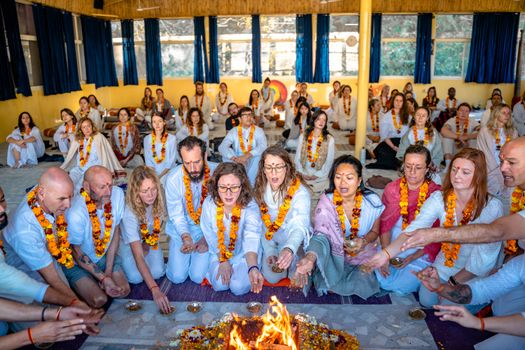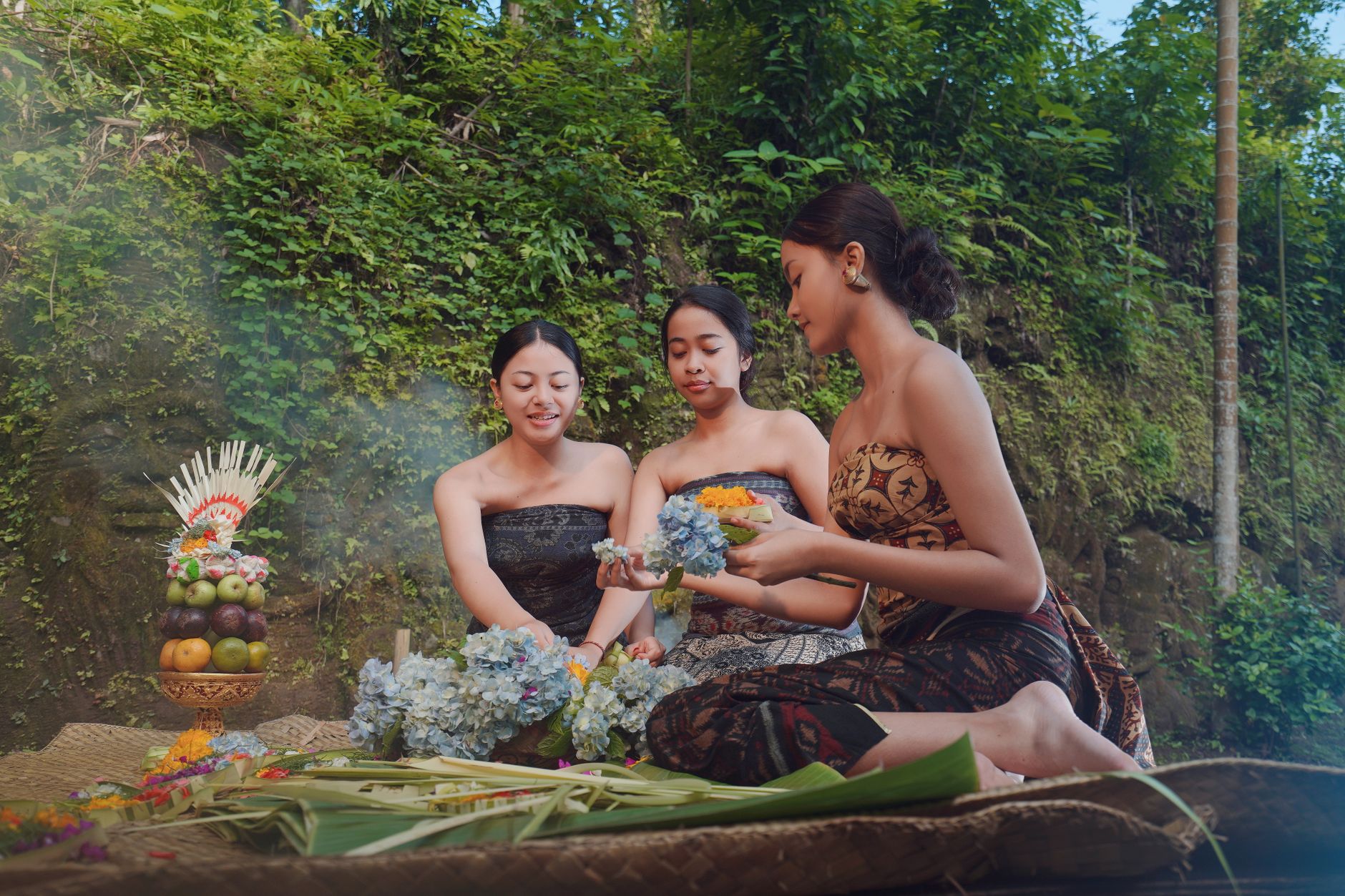
The air hung heavy with the scent of incense and damp earth, a symphony of chanting echoing through the jungle canopy. My heart, a drumbeat against my ribs, pulsed with a mix of trepidation and exhilarating anticipation. I was deep in the heart of Bali, far from the polished resorts, about to meet a Balian – a traditional Balinese healer. This wasn't a spa treatment; this was a pilgrimage. And it was about to blow my mind.
For years, I’d chased the typical travel highs: stunning vistas, bustling markets, gourmet food. But a quiet, gnawing sense of disconnect had begun to creep in. Despite the beauty, something felt missing. I craved depth, authenticity, a connection beyond the superficial. That’s when I started hearing whispers about traditional healers – those guardians of ancient wisdom who still practice medicine, spirituality, and counsel passed down through generations. Could they offer the kind of profound connection I sought?
What I discovered on this journey, and in subsequent encounters around the globe, wasn't just alternative medicine; it was a doorway into cultures, a mirror reflecting my own inner landscape, and a testament to the incredible resilience and power of human spirit. If you're ready to step off the beaten path and into a world where mind, body, and spirit are inextricably linked, then prepare yourself. These traditional healers welcome visitors, and their wisdom will, without a doubt, blow your mind.
Beyond the Clinic: Why Seek Traditional Healing?
Let's be clear: this isn't about ditching modern medicine. Traditional healing offers something different, often complementary. It's about approaching well-being from a holistic perspective, recognizing that physical ailments often have roots in emotional, spiritual, or energetic imbalances.
My first real dive into this was driven by chronic fatigue and a pervasive sense of anxiety that conventional doctors struggled to pinpoint. I'd tried everything – diets, therapy, medication – with limited success. It was then that a friend, a seasoned traveler, suggested I look into a 'limpia' in Mexico. "It's a spiritual cleanse," she explained, "they clear out negative energies." Skeptical but desperate, I booked a flight.
What I found was a profound sense of release, a feeling of lightness I hadn’t experienced in years. It wasn't a magic bullet, but it was a powerful catalyst. These experiences are often less about a quick fix and more about gaining perspective, understanding your inner self, and connecting with ancestral wisdom. It's about opening yourself to possibilities you never knew existed.
Instagram Moment: A serene shot of a traditional healing space – maybe an altar with offerings, or a healer's hands holding herbs, bathed in natural light. #SpiritualJourney #HolisticHealing #AncientWisdom
1. Bali, Indonesia: The Balinese Healers (Balian Taksu)
My journey began in Ubud, the spiritual heart of Bali, a place saturated with the scent of frangipani and devotion. Finding a reputable Balian can be tricky; many are now accustomed to tourists, but authenticity is key. I asked my guesthouse owner, a kind woman named Putu, who recommended a Balian named Ibu Ketut.
Her home was simple, open-air, filled with the aroma of incense and a quiet, ancient energy. Ibu Ketut, a woman with eyes that seemed to hold centuries of wisdom, welcomed me with a gentle smile. Through my translator, she explained that her healing practice, Usada, involved a combination of herbal remedies, massage, and energy work to restore balance (sekala – the seen, and niskala – the unseen).
During my session, she pressed a series of points on my body, her touch both firm and incredibly gentle. She chanted, her voice a low hum that vibrated through me. At one point, she used a small, sharp stick to "release" stagnant energy, a sensation both strange and strangely liberating. She spoke of my anxieties as "heavy clouds" that needed to be swept away, offering practical advice and a personalized herbal tonic made from local plants.
Practical Tips for Visiting a Balinese Healer:
- How to Find: Ask trusted locals (guesthouse owners, reputable tour guides, restaurant staff) for recommendations. Avoid touts.
- Cost: Sessions typically range from IDR 300,000 to 1,000,000 (approx. $20-$70 USD), depending on the healer and duration. Always clarify the price beforehand.
- What to Bring: An open mind, modest clothing (sarong and sash are often provided or expected), and a small offering (can be fruit, flowers, or a small monetary donation).
- Expectations: Be patient. Healers often see many people. Don't expect a Western-style consultation. Come with respect and an open heart.
- Specific Location: Ubud and surrounding villages are prime locations.
Personal Anecdote: After my session with Ibu Ketut, I felt an incredible lightness, as if a weight I hadn't even realized I was carrying had been lifted. The herbal tonic, bitter yet strangely comforting, became part of my daily ritual for weeks. More than just physical relief, I felt a profound sense of peace and clarity.
2. Oaxaca, Mexico: The Wisdom of Curanderos
From the lush tropics of Bali, I ventured to the vibrant, spiritual heart of Oaxaca, Mexico, known for its rich indigenous traditions and powerful curanderos (healers). Here, healing often involves limpias (spiritual cleansings), herbal remedies, and rituals to address both physical and spiritual ailments.
I found Don Miguel through a local artisan who swore by his abilities. His small, unassuming home on the outskirts of Oaxaca City was adorned with statues of saints, candles, and bundles of dried herbs. Don Miguel, a man with kind eyes and a deep, resonant voice, explained that a limpia helps to remove mal de ojo (evil eye), negative energies, or even susto (fright that causes soul loss).
He began by sweeping my body with various herbs – rosemary, rue, basil – their pungent aromas filling the small room. He chanted in Spanish and Zapotec, his words weaving a protective spell. Then came the egg. He rubbed it over my entire body, from head to toe, explaining that it would absorb any negative energies. Finally, he cracked the egg into a glass of water, interpreting the shapes and patterns for me, revealing insights into my anxieties and future path.
Practical Tips for Visiting a Curandero:
- How to Find: Seek recommendations from local markets, reputable cultural centers, or trusted local guides.
- Cost: A limpia typically costs MXN 300-800 (approx. $15-$40 USD).
- What to Bring: Modest clothing, an open mind, and a willingness to participate. Sometimes a specific offering (like an uncracked egg or a candle) might be requested.
- Expectations: The experience can be intense. Don Miguel’s interpretation of the egg was surprisingly accurate, touching on fears I hadn't voiced.
- Specific Location: Oaxaca City, San Cristobal de las Casas, and rural indigenous communities.
Personal Anecdote: When Don Miguel showed me the egg in the water, the yolk was cloudy, with stringy bits rising upwards. He explained it showed a lot of accumulated stress and external negative influences. The ritual, though simple, felt incredibly potent. I left feeling lighter, as if a heavy cloak had been shed, and with a renewed sense of purpose.
3. South Africa: Unveiling the Secrets of Sangomas
My journey took me next to the vibrant landscapes of South Africa, where I sought out the wisdom of the Sangomas. These traditional healers are spiritual guides, diviners, and herbalists, playing a crucial role in many indigenous communities. Their practice, Ukuthwasa, involves a calling from the ancestors and a long, arduous training period.
Finding a Sangoma requires respect and often an introduction. I connected with a cultural tour operator in KwaZulu-Natal who arranged a visit to a village near Durban. Gogo Thandi, a revered Sangoma, welcomed me into her consultation hut, a circular structure filled with the earthy scent of herbs and animal skins. Her attire was striking: beadwork, animal hides, and a serious, yet welcoming, demeanor.
The consultation began with ukuhlahluba – bone throwing. Gogo Thandi cast a collection of bones, shells, and dice onto a mat, interpreting their patterns and positions. She spoke of ancestral spirits, family dynamics, and energetic blockages. Her insights into my personal life were startlingly accurate, touching on specific challenges I was facing without any prior information. She prescribed an herbal remedy for my digestion and offered a blessing for safe travels.
Practical Tips for Visiting a Sangoma:
- How to Find: Best done through a reputable cultural tour operator or with a trusted local guide who understands the protocols. Direct, unannounced visits are not recommended.
- Cost: Consultations can range from ZAR 200-800 (approx. $10-$40 USD), often including a small offering of snuff or tobacco.
- What to Bring: Respectful, modest clothing. A small cash offering is customary. An open mind and a willingness to listen.
- Expectations: Be prepared for a very different cultural experience. A translator may be necessary. The focus is often on ancestral guidance and energetic balance.
- Specific Location: KwaZulu-Natal, Eastern Cape, and rural areas across South Africa.
Personal Anecdote: The bone throwing was mesmerizing. Gogo Thandi's interpretations resonated deeply, giving me a profound sense of validation and guidance. I left with a small bag of her prescribed herbs, but more importantly, a feeling of being seen and understood on a spiritual level.
4. Peru: Connecting with Andean Q'ero Paqos
High in the Andes mountains of Peru, the Q'ero nation are considered the last direct descendants of the Inca, preserving ancient spiritual traditions. Their healers, known as Paqos, are earth keepers and wisdom keepers, connecting with the spirits of the mountains (apus) and Mother Earth (Pachamama).
My visit to the Sacred Valley included an opportunity to participate in a despacho ceremony with a Q'ero Paqo named Don Juan. This wasn't a one-on-one healing session in the traditional sense, but a communal offering to Pachamama, a ritual of gratitude, reciprocity, and intention setting.
We gathered in a circle, overlooking breathtaking mountain peaks. Don Juan, dressed in traditional Q'ero textiles, meticulously arranged an offering on a cloth: coca leaves, flower petals, seeds, candies, and even gold and silver leaf. Each item held symbolic meaning, representing our prayers, gratitude, and intentions for abundance, health, and harmony. As he chanted in Quechua, blowing his breath over the offering, I felt a deep connection to the ancient land and the collective energy of the group.
Practical Tips for Engaging with Andean Paqos:
- How to Find: Look for reputable tour operators specializing in spiritual or cultural tours in the Sacred Valley or Cusco. Often, these are group ceremonies rather than individual consultations.
- Cost: Group despacho ceremonies can be part of a tour package or cost around $50-$150 USD per person.
- What to Bring: Warm clothing (it can be cold in the mountains), an open heart, and any personal intentions you wish to offer.
- Expectations: This is about connecting with nature, community, and ancient traditions. It's less about a diagnosis and more about spiritual alignment and gratitude.
- Specific Location: Cusco, Sacred Valley (Pisac, Urubamba, Ollantaytambo).
Personal Anecdote: As the despacho bundle was carefully wrapped and then ritually burned, releasing our prayers into the cosmos, I felt an overwhelming sense of peace and belonging. It was a powerful reminder of our interconnectedness with nature and each other.
5. Thailand: The Gentle Power of Traditional Thai Medicine
Thailand is renowned for its vibrant culture and spiritual practices, and its traditional medicine (TTM) is a deeply rooted system encompassing herbal remedies, massage, and spiritual blessings. While Thai massage is widely known, the deeper healing practices are just as fascinating.
In Chiang Mai, I sought out an Ajarn (master) of traditional Thai healing, known for his work with herbal compresses and Yam Khang – the fire foot massage. Ajarn Somchai, a jovial man with strong, knowing hands, welcomed me into his humble clinic. He began by assessing my energy and asking about my physical complaints.
For my stiff shoulders, he prepared a warm herbal compress, a bundle of medicinal herbs wrapped in cloth, which he then steamed. He applied it with rhythmic pressure, the warmth penetrating deep into my muscles, releasing tension. He also demonstrated Yam Khang, where he would dip his foot in herbal oil and then press it onto a hot iron plate before massaging it onto the client's body. While I didn't experience the Yam Khang directly (it requires specific conditions and is not for everyone), witnessing his skill was incredible. He also offered a simple herbal tea and advice on diet.
Practical Tips for Exploring Thai Traditional Medicine:
- How to Find: Look for reputable traditional Thai medicine clinics or schools in Chiang Mai or Bangkok. Ask locals for recommendations.
- Cost: Herbal compress sessions or traditional consultations can range from THB 500-1500 (approx. $15-$45 USD).
- What to Bring: Comfortable, loose clothing. An open mind and a willingness to try different modalities.
- Expectations: The approach is often gentle but effective, focusing on balancing the body's elements.
- Specific Location: Chiang Mai (especially around the Old City), Bangkok, and rural areas with community health centers.
Personal Anecdote: The herbal compress massage was incredibly soothing. The scent of the herbs, combined with Ajarn Somchai's skilled touch, melted away the knots in my shoulders. I left feeling relaxed, rejuvenated, and with a deeper appreciation for the nuanced wisdom of TTM.
Ethical Travel: Honoring the Healers and Their Traditions
Engaging with traditional healers is a privilege, not a right. It's crucial to approach these experiences with immense respect, cultural sensitivity, and an ethical mindset.
Here's how to be a responsible traveler:
- Research and Respect: Understand the cultural context of the healing practice you're seeking. Learn a few phrases in the local language, especially "thank you."
- Ask for Permission: Never photograph a healer or their practice without explicit permission. Some rituals are sacred and not meant for public viewing or sharing.
- Go Through Reputable Channels: Avoid seeking out healers through shady means. Rely on local recommendations, reputable guides, or established cultural organizations. This helps prevent exploitation and scams.
- Be Clear About Costs: Always clarify the fee upfront. Haggling over spiritual services is generally considered disrespectful.
- Dress Modestly: Especially when visiting sacred spaces or someone's home. Cover your shoulders and knees.
- Open Mind, Open Heart: Suspend judgment. These practices may seem foreign, but they are deeply meaningful to the communities that uphold them.
- Don't Expect a Cure-All: Traditional healing is often a journey, not a single event. It’s about balance, insight, and self-discovery.
- Listen to Your Intuition: If something feels off, or if a healer makes you uncomfortable, it's okay to politely decline and leave.
- Leave an Offering: Beyond monetary payment, a small, thoughtful gift (fruit, flowers, a handmade item) can be a beautiful gesture of gratitude.
Instagram Moment: A collage of diverse hands – a Balinese healer's, a Mexican curandero's, a Sangoma's – each showing a unique aspect of their practice, with a caption about respect and gratitude. #EthicalTravel #RespectLocalCulture #MindfulExplorer
The Journey Within: A Transformative Conclusion
My encounters with traditional healers around the world have been some of the most profound and humbling experiences of my life. They haven't just offered remedies for physical ailments; they've provided a deeper understanding of myself, my place in the world, and the incredible interconnectedness of all things. Each healer, with their unique wisdom and practices, has opened my eyes to the power of ancient traditions and the enduring human spirit.
These journeys aren't always comfortable. They can challenge your perceptions, push you out of your comfort zone, and sometimes even bring up difficult emotions. But in those moments of vulnerability and openness, true transformation can occur. You learn to listen differently, to feel more deeply, and to trust in a wisdom far older and grander than our modern world often acknowledges.
So, if you're seeking more than just a vacation, if you're yearning for a journey that nourishes your soul and expands your mind, consider seeking out a traditional healer. Go with respect, an open heart, and a willingness to learn. You might just find the clarity, healing, and connection you've been searching for. Trust me, the experience will blow your mind – in the most beautiful and unexpected ways.
What's your most profound travel experience? Have you ever visited a traditional healer? Share your stories in the comments below! And if this article inspired you, don't forget to share it with your fellow adventurers!
---