Embrace Ancient Wisdom: Your Transformative Journey with Traditional Healers in October 2025
The scent of burning palo santo still clings faintly to my travel scarf, a subtle reminder of the profound shift that began years ago when I first stepped off the well-worn tourist path. I wasn’t looking for another selfie spot or a bustling market; I was searching for something deeper, something that Western medicine, for all its marvels, couldn't quite touch. I was seeking wisdom, healing, and connection from those who hold ancient traditions in their hands – the traditional healers.
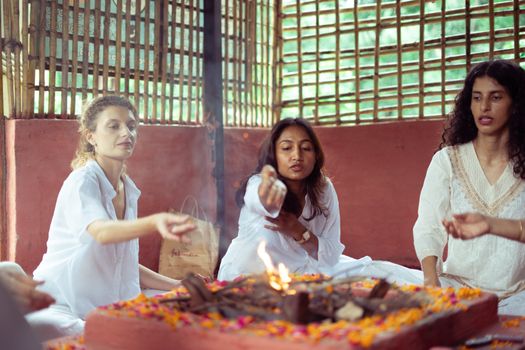
My first encounter was with a quiet curandera in a small village outside Oaxaca, Mexico. I arrived skeptical, burdened by a nagging sense of unease that no amount of meditation or self-help books could shake. She didn’t offer a prescription or a diagnosis in the way I knew it. Instead, she listened, observed, and then, with a gentle touch and a whisper of ancestral prayers, performed a limpia – a spiritual cleansing using herbs and an egg. The immediate physical sensation was subtle, but the emotional release that followed was a tidal wave. I left feeling lighter, clearer, as if a heavy cloak had been lifted. That experience wasn't just a travel anecdote; it was a turning point, igniting a passion to explore the world's diverse healing traditions and share them with fellow seekers.
And now, as we look towards October 2025, the call to connect with these incredible guardians of wisdom feels stronger than ever. Many traditional healers, once secluded, are increasingly open to sharing their gifts with respectful, curious visitors. This isn't about exoticizing their practices, but about engaging with profound knowledge, fostering cross-cultural understanding, and perhaps, finding a piece of your own healing journey.
So, if you're ready to transcend the ordinary and embark on a truly transformative adventure next October, bookmark this page. We're diving deep into where you can find authentic traditional healing experiences, what to expect, and how to approach them with the reverence they deserve.
1. The Amazonian Shaman: Journey into the Rainforest's Heart (Peru)
Imagine the dense, vibrant symphony of the Amazon rainforest at night – the chirping of insects, the rustle of leaves, the distant call of a nocturnal bird. This is the sacred backdrop for some of the world's most powerful plant medicine traditions, guided by indigenous shamans. Peru, particularly the regions around Iquitos and Tarapoto, is renowned for its vegetalistas or curanderos who work with master plants like Ayahuasca, San Pedro, and various medicinal herbs.
My own experience near Tarapoto involved a week-long retreat at a respected healing center. The journey began long before the ceremonies, with a strict dieta – a period of clean eating, abstinence, and introspection. This preparation, the shaman explained, was crucial for purification and to honor the plants. The ceremonies themselves, held in a traditional maloca (ceremonial hut), were intensely personal and deeply communal. Guided by the shaman's icaros (sacred songs), the plant medicine facilitated profound introspection, emotional release, and a reconnection with nature that was both humbling and exhilarating. It wasn't always easy – some moments were challenging – but the insights gained were invaluable.
Planning Your October 2025 Amazonian Immersion:
- Locations: Look for reputable retreat centers around Iquitos (accessible by flight from Lima) or Tarapoto (also flight accessible). Highly recommended centers include Ayahuasca Foundation (Iquitos region) or Takiwasi Center (Tarapoto region), both known for their ethical practices and integration support.
- What to Expect: Multi-day retreats (typically 7-14 days) are common, including plant medicine ceremonies, floral baths, traditional saunas, dietas, and integration circles. Expect basic accommodation, often in bungalows or shared dorms, and simple, wholesome food.
- Costs: A 7-day retreat can range from $1,500 to $3,500 USD, covering ceremonies, accommodation, meals, and sometimes airport transfers. Book well in advance for October 2025, as spots fill quickly.
- Ethical Considerations: Choose centers run by indigenous communities or those with strong ties to and respect for local traditions. Ensure they prioritize safety, offer medical screening, and provide post-ceremony integration support. Avoid "shaman tourism" operators who lack respect or proper guidance.
- Preparation: Mental and physical preparation is key. Research the plant medicines, understand the risks, and follow any dietary guidelines provided by the center.
(Instagram-worthy moment: Sunrise over the Amazon from your hammock, the vibrant colors of medicinal plants, or a quiet moment of reflection by a jungle stream.)
2. Balinese Healers: Finding Harmony on the Island of Gods (Indonesia)
Bali, often called the "Island of Gods," is steeped in spiritual tradition, and its healers, known as Balian or Dukun, are an integral part of daily life. These practitioners combine ancient Hindu-Buddhist practices with local animism, offering a diverse array of healing modalities from energy work and traditional massage to herbal remedies and spiritual cleansings.
My visit to a Balinese healer came during a particularly stressful period. A local friend recommended Jero Mangku Istri in Ubud, a revered female Balian known for her gentle yet powerful energy work. Her home was a serene oasis, filled with the scent of frangipani and offerings. She began not with questions, but with observation, gently touching my body, intuitively reading my energy. Her "treatment" involved a combination of light massage, acupressure, and the channeling of energy, accompanied by soft chants. I felt a profound sense of peace and a release of tension I hadn't realized I was holding. It wasn't a magic fix, but it was a powerful reset, reminding me of the body's innate capacity for healing.
Planning Your October 2025 Balinese Healing Journey:
- Locations: Ubud is the spiritual heart of Bali and home to many renowned healers. You can also find practitioners in smaller villages and other tourist hubs.
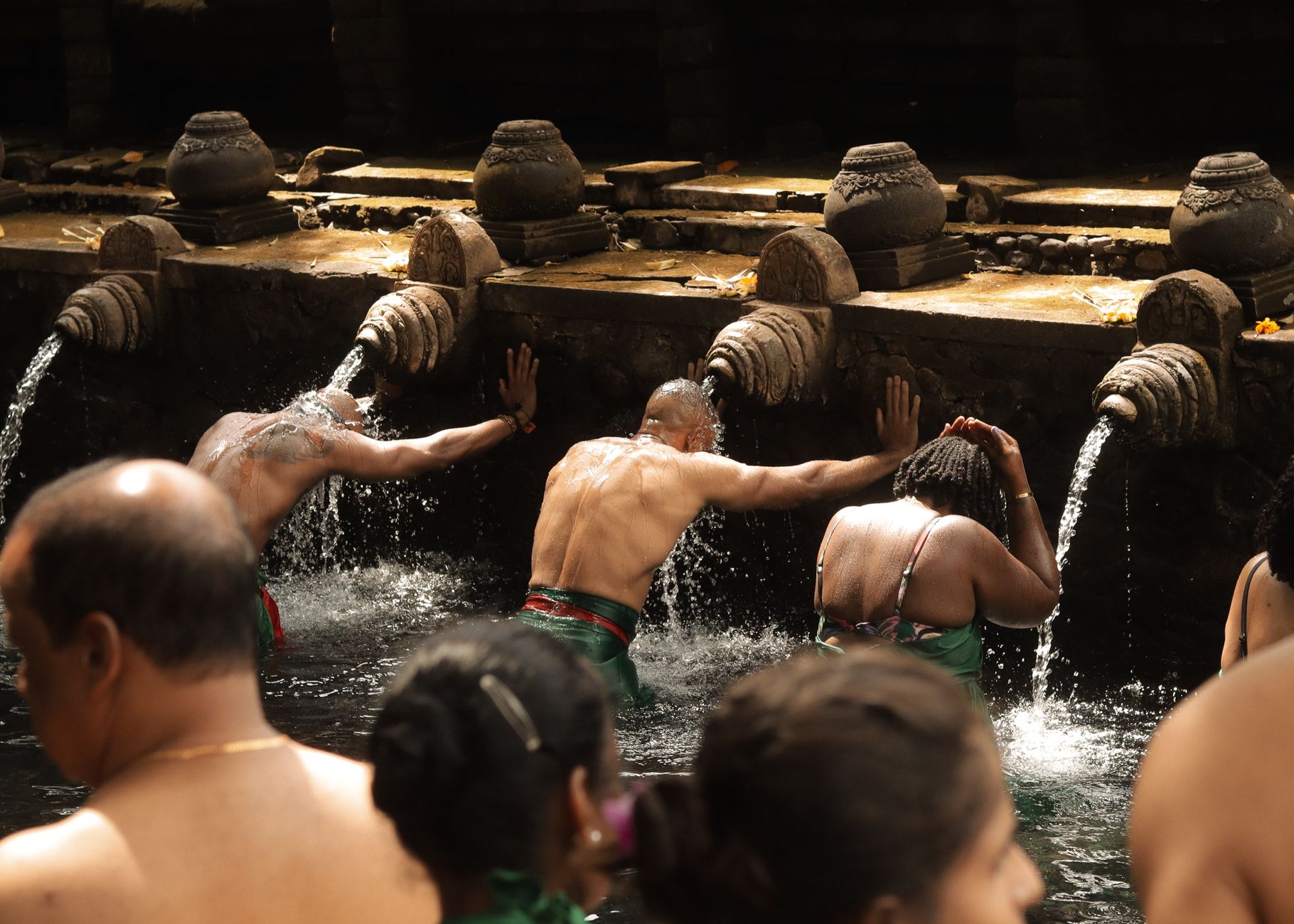
- What to Expect: Balinese healing varies widely. Some healers specialize in Pijat (traditional massage), others in Usada (herbal medicine), Prana (energy healing), or Melukat (water purification rituals). Sessions often involve a consultation, a physical or energetic treatment, and sometimes herbal remedies or advice for home practice.
- Costs: Sessions typically range from 300,000 IDR to 1,000,000 IDR ($20-$70 USD), depending on the healer and the type of treatment. Some highly sought-after healers might charge more.
- Finding a Healer: Ask locals for recommendations, especially taxi drivers or guesthouse owners. Be wary of "healers" aggressively soliciting tourists. Look for genuine practitioners who work from their homes or small, traditional clinics. Respectful guides or reputable wellness centers can also help facilitate introductions.
- Cultural Etiquette: Dress modestly (shoulders and knees covered). Bring a small offering (canang sari) or a donation. Always ask permission before taking photos. Be patient and open-minded.
(Instagram-worthy moment: A serene temple purification ceremony, a beautifully arranged Balinese offering, or a quiet moment amidst lush rice paddies.)
3. South African Sangomas: Ancestral Wisdom and Community Healing (South Africa)
In South Africa, Sangomas are traditional healers and diviners, respected figures who bridge the physical and spiritual worlds. They communicate with ancestors, interpret dreams, and use herbal medicine, bones, and rituals to diagnose and treat ailments, both physical and spiritual. Their role is deeply embedded in community life, offering guidance, protection, and healing.
My journey to understand the Sangoma tradition took me to a rural village in the Eastern Cape, facilitated by a cultural exchange program. I was introduced to Mama Ayanda, a Sangoma who had been practicing for over 30 years. Her home was modest but vibrant, filled with the energy of her ancestors. My session began with a "throwing of the bones" – a divination practice where she cast small objects and interpreted their patterns to understand my spiritual state. It was eerily accurate, revealing anxieties and challenges I hadn't articulated. She then prescribed a series of herbal remedies and a ritual cleansing to be performed by a river, aimed at reconnecting me with my own ancestral strength. The experience was less about a quick fix and more about a profound engagement with a spiritual lineage and community.
Planning Your October 2025 Sangoma Experience:
- Locations: Sangomas practice throughout South Africa, particularly in rural areas and townships. Ethical engagement usually requires a local guide or a cultural tour operator that works directly with communities. Regions like KwaZulu-Natal, Eastern Cape, and Limpopo have strong traditional practices.
- What to Expect: Consultations may involve divination (e.g., bone throwing), dream interpretation, herbal prescriptions, and sometimes ritual ceremonies. These experiences are deeply cultural and community-focused.
- Costs: A consultation can range from R200 to R800 ($10-$45 USD), with additional costs for herbs or specific rituals. Community visits or multi-day experiences arranged through ethical tour operators might cost more, often including accommodation and meals.
- Ethical Engagement: This is crucial. Do not approach Sangomas unannounced or without a trusted local intermediary. Seek out cultural tours or community-based initiatives that prioritize respectful exchange and ensure fair compensation for the healers and their communities. Organizations like Uthando South Africa support community projects that might offer such opportunities.
- Cultural Sensitivity: Show immense respect. Dress modestly. Be patient and open to practices that may be unfamiliar. Photography may be restricted; always ask permission.
(Instagram-worthy moment: Vibrant traditional attire, a community gathering under a Baobab tree, or the intricate patterns of thrown bones.)
4. Curanderos of Oaxaca: Mexico's Vibrant Healing Traditions (Mexico)
Returning to Mexico, but this time to the vibrant, culturally rich state of Oaxaca, you’ll find Curanderos – traditional healers whose practices are deeply rooted in pre-Hispanic and colonial traditions. They specialize in herbalism, spiritual cleansings (limpias), bone setting, and remedies for emotional ailments like susto (fright) or empacho (digestive blockages).
My most recent visit to Oaxaca led me to Doña Maria, a revered yerbera (herbalist) in a small village outside the city. Her tiny shop was an aromatic wonderland of dried herbs, tinctures, and candles. I had been suffering from persistent digestive issues, and after a gentle conversation, she prepared a personalized herbal tea blend and a series of poultices. More than just the physical remedies, her calm demeanor and profound belief in the healing power of nature were incredibly soothing. She also taught me about the energetic properties of certain herbs and how to prepare them, empowering me to continue my healing journey at home. It was a beautiful blend of practical knowledge and spiritual guidance.
Planning Your October 2025 Oaxacan Healing Experience:
- Locations: Oaxaca City and the surrounding villages are excellent places to find Curanderos. Explore local markets like Mercado Benito Juárez or Mercado de Abastos for herbalists, or ask locals for recommendations for specific practitioners.
- What to Expect: Depending on the healer's specialization, you might receive herbal remedies, a limpia (spiritual cleansing using herbs, eggs, or smoke), bone manipulation (for sprains or aches), or energetic healing. Many practices incorporate Catholic elements alongside indigenous beliefs.
- Costs: A consultation or limpia can range from 200 to 800 Mexican Pesos ($10-$45 USD), with herbal remedies costing extra. Prices are generally very affordable.
- Finding a Healer: Look for established practitioners in markets or ask trusted locals (hotel staff, reputable tour guides). Some cultural centers or community initiatives might also offer workshops or introductions to traditional healing practices. Casa Viviana in Oaxaca City is a known center that sometimes facilitates authentic cultural experiences.
- Language: Spanish is essential. If you don't speak it, consider bringing a trusted translator.
- Respect: Approach with humility and an open heart. These practices are sacred.
(Instagram-worthy moment: A vibrant display of medicinal herbs in a Oaxacan market, the intricate patterns of indigenous textiles, or the serene courtyard of a traditional healing home.)
Preparing for Your Sacred Journey: Essential Tips for Respectful Engagement
Embarking on a journey to seek traditional healing is not like booking a spa day. It requires intention, respect, and preparation. Here are crucial tips to ensure your October 2025 experience is authentic, safe, and deeply rewarding:
- Do Your Homework (Thoroughly!): Research the specific healing tradition you're interested in. Understand its cultural context, practices, and ethical considerations. What are the potential benefits? What are the risks?
- Seek Reputable Sources: Avoid online "quick fixes" or tourist traps. Look for recommendations from trusted travel bloggers, ethical tour operators, cultural organizations, or direct referrals from locals. Prioritize centers or practitioners who are deeply rooted in their communities and have a long-standing reputation.
- Respect Cultural Etiquette: This is paramount. Learn about local customs, dress codes, and communication styles. Always ask permission before taking photos, and be prepared to be denied. Show gratitude and humility.
- Go with an Open Mind and Heart: Release expectations. Traditional healing isn't always linear or instantly gratifying. Be open to different approaches, beliefs, and outcomes. Trust the process, even if it feels unfamiliar.
- Prepare Physically and Mentally: Some healing traditions require specific dietary restrictions (dieta), abstinence from certain substances, or periods of introspection. Follow these guidelines diligently. Mentally prepare for introspection and potentially challenging emotional releases.
- Budget Appropriately: While many traditional healing services are more affordable than Western alternatives, ensure you have sufficient funds for the healing itself, travel, accommodation, food, and any unexpected expenses. It's also customary to offer a gift or a fair donation, even if a price is stated.
- Prioritize Safety: Research the safety of the region you're visiting. If engaging in plant medicine ceremonies, ensure the center has medical staff on site, proper screening procedures, and a clear safety protocol. Inform someone trustworthy about your itinerary.
- Integrate Your Experience: The healing doesn't end when the session does. Give yourself time and space to process your experience afterward. Journal, meditate, or seek support from a trusted friend or therapist. The insights gained are meant to be integrated into your daily life.
- Language Barriers: Be prepared for potential language barriers. Learn basic phrases in the local language or consider hiring a trusted translator, especially for deeper conversations with healers.
- Leave No Trace: Practice responsible tourism. Respect the environment, support local economies, and minimize your impact on the communities you visit.
A Journey Beyond the Ordinary
My journey with traditional healers has been one of the most enriching aspects of my life. It's taught me about resilience, the interconnectedness of all things, and the profound wisdom that lies outside our conventional understanding. These aren't just ancient rituals; they are living, breathing practices that offer deep healing and a unique perspective on wellness.
October 2025 is your invitation to step into a world of ancestral wisdom, where healing is holistic, community is paramount, and the spirit of the land speaks volumes. This isn't just a trip; it's a pilgrimage, an opportunity for profound self-discovery and a chance to connect with cultures in a way few ever do.
Are you ready to answer the call? Start planning your transformative journey today. Research, prepare, and open your heart. The wisdom of the world's traditional healers awaits you.
Share your thoughts below! Have you had an experience with a traditional healer? Where would you like to go in October 2025? Let us know in the comments and inspire fellow travelers!
---