"You paid how much for that taxi?" My friend's eyes widened, a mixture of amusement and pity on her face as I recounted my exorbitant ride from Rome's Fiumicino Airport. I'd just arrived, jet-lagged and a little too trusting, waving down the first 'official-looking' cab. It was my first solo trip to Italy, and I was determined to experience it like a local. Instead, I’d just paid a tourist premium that could have covered a fancy pasta dinner and a glass of Chianti.
That moment, standing on a bustling Roman street, was an epiphany. I realized that while I yearned for authentic experiences, I was still falling into common tourist traps. I needed to bridge the gap between being a visitor and truly understanding how locals navigate their cities – especially when it came to saving money. And that, my fellow adventurers, is where the magic of travel apps comes in. Not the usual suspects like Google Maps and TripAdvisor, but the real game-changers, the ones that locals swear by, the ones that can genuinely save you hundreds, if not thousands, on your travels.
Over a decade of globetrotting, from the bustling markets of Marrakech to the serene temples of Kyoto, I’ve collected an arsenal of these digital allies. These aren't just apps; they're your secret weapons against inflated prices, your keys to unlocking genuine, local experiences. Ready to ditch the tourist tax and travel smarter? Let's dive in!
Getting Around Like a Local, Not a Mark-Up: Transportation Secrets
The first place tourists often get fleeced is transportation. Whether it’s an overpriced airport transfer or a taxi driver taking the scenic (read: longer, more expensive) route, it adds up fast. Locals, however, have mastered the art of efficient, affordable transit – and they do it with apps.
The Ride-Sharing Revolution Beyond Uber/Lyft: While Uber and Lyft dominate in North America, they're not always the cheapest or most prevalent options elsewhere. In Southeast Asia, Grab is king. Not only does it offer ride-hailing (cars, motorbikes), but also food delivery and even package delivery. I once paid $3 for a Grab Bike in Bangkok, weaving through traffic like a pro, when a tuk-tuk driver quoted me $15 for the same distance. In Europe and Africa, Bolt (formerly Taxify) is a fierce competitor, often undercutting Uber significantly. I saved nearly 30% on rides in Lisbon and Warsaw using Bolt compared to what Uber was quoting at the same time.
Tripsora Tip: Before you land, research the dominant ride-sharing app in your destination country. Download it, set up your payment method, and you'll be zipping around like a local from day one. Many even offer cash payment options, which can be handy.
Mastering Public Transport with Local Apps: Public transport is almost always the cheapest way to get around, but navigating foreign systems can be daunting. Forget fumbling with paper maps or trying to decipher ticket machines. Dedicated city transit apps are your best friend. In London, the TfL Oyster and contactless app lets you top up your Oyster card or simply use your phone for contactless payments. In major European cities, Citymapper is an absolute lifesaver, providing real-time departure boards, disruption alerts, and multi-modal routing (bus, metro, tram, walk, bike). I used it religiously in Paris and Berlin, always knowing the fastest, cheapest way to get from my Airbnb to that hidden boulangerie. For Japan, Japan Transit Planner (Norikae Annai) is essential, providing precise train schedules and platform numbers, even for complex transfers.
Personal Anecdote: I remember being utterly lost in Tokyo's Shinjuku Station, a labyrinth of platforms and lines. My phone's generic map app was useless. A quick switch to Japan Transit Planner, and suddenly the chaos made sense. It told me exactly which platform, which car, and even the minute my train would arrive. Saved me from missing my bullet train!
Scooter & Bike Sharing for Urban Exploration: For shorter distances, especially in pedestrian-friendly cities, scooter and bike-sharing apps are fantastic. Companies like Lime, Bird, Voi, Tier, and local equivalents (e.g., JUMP in some cities) allow you to pick up and drop off scooters or bikes almost anywhere. They're incredibly fun, often faster than walking, and a fraction of the cost of a taxi. Just be sure to check local regulations and wear a helmet if required!
Feast Like a King (or Queen) on a Pauper's Budget: Food Secrets
Food is a huge part of the travel experience, but tourist-trap restaurants near major attractions can drain your wallet faster than you can say "bon appétit." Locals know where the good, affordable food is – and they often order it to their doorstep.
The Power of Local Food Delivery Apps: Forget ordering expensive room service. Embrace local food delivery apps! In many parts of Europe, Glovo and Deliveroo are dominant, offering everything from Michelin-starred takeout to cheap street food. In Asia, GrabFood (part of the Grab ecosystem) and Foodpanda are ubiquitous. These apps connect you to thousands of local eateries that might not even have an English menu, giving you authentic flavors at local prices. I once ordered a multi-course Vietnamese feast through GrabFood in Hoi An for less than $10, delivered right to my hostel. It was more delicious and authentic than any restaurant meal I'd had there!
Tripsora Tip: Use the translation feature on your phone if the app is in a local language. Look for local dishes, check ratings, and don't be afraid to try something new. You'll eat like royalty for a fraction of the cost.
Dining Deals & Restaurant Reservations: Want to dine out but still save? Apps like TheFork (Dimmi in Australia) are popular in Europe and offer significant discounts (sometimes up to 50% off!) on restaurant meals, especially during off-peak hours. They also make reservations a breeze. In the US and Canada, OpenTable is great for reservations, though less focused on discounts. Always check if there's a local equivalent that offers deals.
Personal Anecdote: In Lisbon, I snagged a 40% discount on a fantastic seafood dinner near the Alfama district using TheFork. The food was incredible, the ambiance charming, and I paid what I would've for a mediocre meal in a touristy square. It felt like I'd cracked a secret code.
Market Apps for Fresh & Cheap: If you're staying in an Airbnb with a kitchen, or just want to grab some fresh snacks, local market apps can be invaluable. While less common than food delivery, some cities have apps that list local farmers' markets, their opening hours, and even what produce is in season. A quick search for "mercado app [city name]" can yield surprising results. Buying fresh from local markets is not only cheaper but also an incredible cultural experience.
Sleep Smart, Not Splurge: Accommodation Secrets
Accommodation is often the biggest chunk of a travel budget. While Airbnb and Booking.com are popular, there are other apps that can help you find unique stays or last-minute deals that savvy travelers use.
Last-Minute Luxury for Less: For spontaneous travelers, HotelTonight is a game-changer. This app specializes in last-minute deals on hotels, often offering significant discounts (up to 50-70%) on rooms that would otherwise go empty. While it started with luxury hotels, it now includes a range of options. I once scored a chic boutique hotel in Barcelona for $80 a night that was normally $250, simply by booking the day before. It felt like winning the travel lottery!
Hostelworld for Budget-Friendly Boutique Stays: Don't write off hostels, even if you're past your backpacking days. Hostelworld isn't just for dorms anymore. Many hostels now offer private rooms with en-suite bathrooms that rival boutique hotels, often with better communal areas, activities, and a more social vibe – all at a fraction of the price. I've found incredible "poshtels" in places like Seville and Budapest through Hostelworld that offered style, comfort, and a vibrant atmosphere for under $50 a night.
Tripsora Tip: Filter for "private rooms" and read reviews carefully. Look for hostels with high ratings for cleanliness, location, and staff. You might be surprised at the quality you can find.
Experience More, Pay Less: Unlocking Local Activities
Beyond the main attractions, truly experiencing a destination means diving into its local culture. These apps help you find unique activities without breaking the bank.
Free Walking Tours (with a Catch): While not strictly an app, websites like GuruWalk and Freetour.com connect you with local guides offering "free" walking tours. These guides work on a tip-only basis, meaning you pay what you think the tour was worth at the end. This model incentivizes them to be incredibly engaging and knowledgeable, providing an authentic, budget-friendly introduction to a city. I've had some of my most memorable and informative tours this way, learning about local legends and hidden gems that no guidebook would mention.
Personal Anecdote: A "free" walking tour in Krakow led by a history student turned into a fascinating deep dive into Polish culture and WWII history. His passion was infectious, and I happily tipped him what I would have paid for a standard tour, knowing my money went directly to supporting a local.
Discovering Local Events & Happenings: Forget the tourist brochures. Locals find out what's happening in their city through specific event apps and websites. In many European cities, Resident Advisor is the go-to for electronic music events and club nights. For broader cultural events, a quick Google search for "[City Name] events app" or "[City Name] cultural agenda" will often lead you to local treasures. Sometimes, even Facebook Events can be a surprisingly good resource if you follow local venues or cultural organizations.
Tripsora Tip: Look for apps or websites that list local markets, free concerts, art exhibitions, or community festivals. These are often where you'll find the most authentic and budget-friendly experiences.
Money Matters: Ditching the Dreaded Exchange Rate & Data Roaming
Currency exchange and international data roaming can eat into your budget without you even realizing it. Smart travelers use these apps to keep more money in their pocket.
Multi-Currency Cards & Apps: This is perhaps the biggest money-saver of all. Ditch your traditional bank's foreign transaction fees and terrible exchange rates. Apps like Revolut and Wise (formerly TransferWise) offer multi-currency debit cards that allow you to hold and spend money in dozens of currencies at the interbank exchange rate (or very close to it). You top up your account, convert money in the app, and spend like a local. I've saved hundreds of dollars on a single trip to Asia by using Wise instead of my regular bank card for ATM withdrawals and purchases. No more worrying about hidden fees!
Personal Anecdote: In Thailand, my traditional bank card charged me $5 for every ATM withdrawal, plus a terrible exchange rate. Switching to Wise meant I paid negligible fees and got a far better rate, effectively giving me more baht for my buck. It was a game-changer for my entire trip.
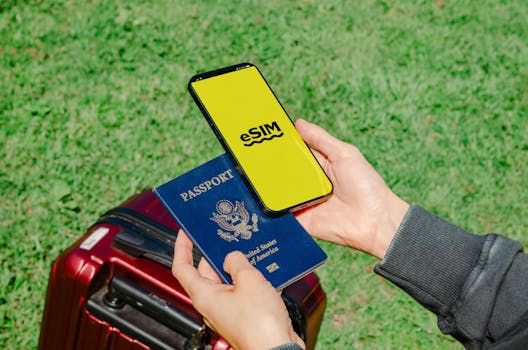
Affordable Data with eSIMs: Paying for international roaming with your home provider is usually a rip-off. Local SIM cards are better, but require finding a shop, registering, and often dealing with language barriers. Enter Airalo (or similar eSIM providers like Holafly, Nomad). An eSIM is a digital SIM card that you can download and activate directly on your phone (if it's eSIM compatible). With Airalo, you can buy data packages for specific countries or regions at incredibly affordable rates, all from your couch before you even leave. I used it in Japan, Vietnam, and Mexico, always having reliable, cheap data without ever swapping a physical SIM.
Tripsora Tip: Download the Airalo app, choose your destination, buy a data package, and follow the simple installation instructions. You'll have internet as soon as you land, which is invaluable for navigation, ride-sharing, and emergencies.
The Ultimate Local's Toolkit: Navigation & Communication
Even with all the money-saving apps, getting lost or struggling to communicate can be stressful. These apps are the glue that holds your smart travel strategy together.
Offline Maps for Uninterrupted Navigation: While Google Maps is great, it relies on data. For those moments when you lose signal, or to conserve data, Maps.me is indispensable. It allows you to download entire country or city maps to your phone, providing offline navigation, points of interest, and even hiking trails. I've used it countless times in remote areas of Patagonia and in the maze-like medinas of Morocco where data was patchy at best.
Tripsora Tip: Download the maps for your destination before you leave home or while you have strong Wi-Fi. It's a small step that can save you a lot of frustration.
Breaking Down Language Barriers: Google Translate is probably already on your phone, but are you using it to its full potential? Download language packs for offline use. Its camera translation feature is a lifesaver for menus, signs, and product labels. The conversation mode can facilitate basic communication with locals. For deeper cultural immersion and language practice, apps like HelloTalk or Tandem connect you with native speakers for language exchange.
Personal Anecdote: Trying to order a specific cut of meat from a butcher in rural France, Google Translate's voice function saved the day. The butcher and I had a good laugh, and I walked away with exactly what I wanted.
Your Journey to Smarter, Cheaper Travel Starts Now!
The world is an incredible place, and experiencing it shouldn't break the bank. These apps aren't just about saving money; they're about empowering you to travel like a local, to discover hidden gems, and to immerse yourself more deeply in the culture of your destination. They turn you from a passive tourist into an active explorer, armed with the same tools and knowledge as the people who call these places home.
My Rome taxi experience taught me a valuable lesson: knowledge is power, and in the digital age, that power is often found in the palm of your hand. So, before your next adventure, take a few minutes to download these apps, explore their features, and prepare to unlock a world of authentic, affordable travel. Locals might not want you to know all their secrets, but now you do!
What are your go-to money-saving travel apps? Share your insider tips in the comments below! Let's build the ultimate community-powered travel toolkit together.