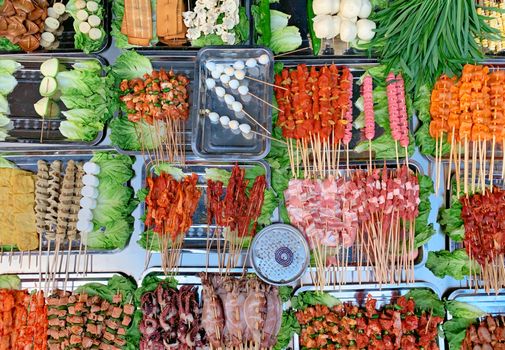
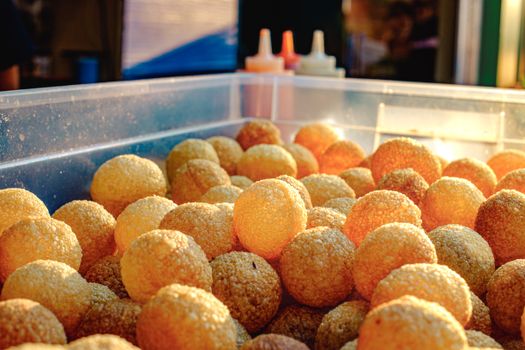
The aroma hit me first – a pungent, almost unbearable funk that clung to the humid Taipei night air. My stomach churned, a primal "run!" instinct screaming in my head. Before me, nestled in a bustling night market stall, sat a steaming cauldron of dark, bubbling liquid, from which a vendor fished out cubes of what looked suspiciously like... well, let's just say it wasn't pretty. This was my first encounter with Stinky Tofu, and frankly, it looked and smelled like a culinary nightmare. My local friend, however, beamed, insisting, "Trust me, it's incredible!" With a deep breath and a prayer to the food gods, I took a bite. And that, my fellow travelers, is how I learned that some of the most extraordinary flavors in the world are hidden behind the most intimidating facades.
Welcome to Tripsora, where we believe travel is about pushing boundaries, and that absolutely includes your palate. Forget your preconceived notions of what "delicious" looks like. Right now, a global trend is sweeping the foodie world: seeking out street foods that are, for lack of a better word, scary. These aren't just weird for weirdness' sake; they are deeply ingrained cultural delicacies, often centuries old, offering a taste experience so unique, so profound, that once you overcome the initial visual (or olfactory!) shock, you'll wonder how you ever lived without them.
Ready to challenge your taste buds and earn some serious bragging rights? Let's dive into the trending "scary-but-amazing" street foods you absolutely need to try on your next adventure!
---
1. The Philippine Dare: Balut – A Duck's Embryonic Secret
My heart genuinely pounded the first time I held a Balut. This Filipino delicacy is a fertilized duck egg, incubated for about 14-21 days, then hard-boiled. When you crack open the shell, you’re greeted not with a simple yolk, but with a partially developed embryo – feathers, beak, and all. Yeah, I know. My internal monologue was a mix of "Oh my god, what have I done?" and "Don't be a wuss, you came all this way!"
The Experience: Locals taught me the ritual: crack the top, sip the savory broth inside (the "soup"), then peel the rest of the shell and eat the entire contents, often with a sprinkle of salt and a splash of vinegar. The first sip of the warm, umami-rich broth was surprisingly pleasant. Then came the challenge of the solid bits. The yolk is creamy, intense, and rich. The albumen (the white part) is firmer, almost rubbery. And then there's the duckling itself – some parts soft, others with a slight crunch (the bones).
Why it’s Amazing: Beyond the shock factor, Balut offers a complex flavor profile: salty, savory, slightly gamey, and incredibly rich. It's a protein powerhouse and a true taste of Filipino culture. It's trending because it’s the ultimate "fear factor" food that, for many, becomes an unexpected delight. Plus, the reactions of first-timers make for viral social media content!
Where to Find It: Widely available from street vendors throughout the Philippines, especially in Manila. Look for "Balut" signs or vendors with steaming baskets. Typical Price: 20-30 PHP (approx. $0.35-$0.50 USD) per egg. Tripsora Tip: Go with a local friend! They'll guide you through the eating process and share stories, making the experience even richer. Don't forget to capture your "before" and "after" expressions for Instagram!
---
2. The Aromatic Enigma: Stinky Tofu – Nose-Pluggingly Good
As I mentioned, Stinky Tofu was my baptism by fire. The smell is often compared to rotting garbage, dirty socks, or an overflowing sewer. It's so potent that you can often smell a Stinky Tofu stall long before you see it. My brain screams "danger," but my foodie spirit whispers, "adventure!"
The Experience: Taiwan is perhaps the most famous for its Stinky Tofu, but you'll find variations across Hong Kong and mainland China. It’s fermented tofu, often deep-fried until golden and crispy, then served with a sweet and spicy sauce, pickled cabbage, and sometimes chili. The moment I bit into that crispy exterior, all the foul smell vanished. The inside was soft, almost custardy, with a deep, savory, umami flavor that was utterly addictive. It’s pungent, yes, but in the best possible way – like a super-aged cheese, but tofu.
Why it’s Amazing: It's a testament to how deceiving first impressions can be. The contrast between the aggressive aroma and the surprisingly delicate, complex flavor is what makes it so trending. It's a rite of passage for any serious foodie traveling through East Asia.
Where to Find It: Taipei's Shilin Night Market, Raohe Street Night Market, and virtually any night market in Taiwan. Also popular in Hong Kong's Mong Kok district. Typical Price: 60-100 TWD (approx. $2-$3.50 USD) for a plate. Tripsora Tip: Don't let the smell deter you. Focus on the crunch and the flavor. Fried versions are often a good entry point. For the brave, try the stewed version! Hashtag your experience #StinkyTofuChallenge.
---
3. The Bloody Marvel: Sup Tulang Merah – Singapore's Red Bone Marrow Feast
This dish looks like something out of a horror movie. Imagine enormous lamb or mutton bones, piled high, drenched in a vibrant, almost neon-red gravy. It’s messy, it’s intense, and it screams "eat me with your hands!"
The Experience: Sup Tulang Merah, literally "red bone soup," is a Singaporean (and Malaysian) hawker staple. The gravy is a rich, spicy, and slightly sweet concoction made with tomatoes, chilies, ginger, and a secret blend of spices. The real prize, however, is the bone marrow hidden within those massive bones. You're given a straw to slurp out the gelatinous, incredibly rich marrow, which tastes like pure, unadulterated umami heaven. The meat clinging to the bones is tender and falls off easily, soaking up that glorious red sauce. My first time, I felt like a caveman, covered in red sauce, but blissfully happy.
Why it’s Amazing: The color is certainly alarming, but the flavor is an explosion. It’s spicy, savory, and incredibly satisfying, offering a unique textural experience. It's trending for its visual drama and the sheer indulgence of slurping marrow directly from the bone.
Where to Find It: Singapore's Newton Food Centre, Geylang Serai Market, and various hawker centers. Typical Price: 8-15 SGD (approx. $6-$11 USD) for a generous portion. Tripsora Tip: Wear dark clothing, or be prepared to get messy! Don't be shy – use your hands and the straw. This is a communal, hands-on eating experience. Snap a pic of that vibrant red goodness before you dive in!
---
4. The Aztec Delicacy: Huitlacoche – Mexico's Mushroomy Gold
Huitlacoche (pronounced wee-tla-KO-cheh) might just be the most deceptively "scary" food on this list. It's not an animal part or a fermented oddity; it's a fungus. Specifically, it's corn smut – a plant disease that causes corn kernels to swell into grayish, gnarled, mushroom-like growths. If you saw it growing in a field, you'd probably think the crop was ruined.
The Experience: Forget what you think you know about fungi. In Mexico, huitlacoche has been a prized delicacy since Aztec times. It’s often sautéed with garlic and epazote (a Mexican herb) and used as a filling for quesadillas, tacos, or even incorporated into soups and sauces. My first bite was in a simple quesadilla in Oaxaca. The texture was slightly spongy and chewy, and the flavor? Earthy, smoky, intensely savory, with a subtle sweetness – like a truffle crossed with a mushroom, but entirely its own thing. It's an umami bomb.
Why it’s Amazing: Its appearance as a "diseased" corn kernel makes it visually unappealing to the uninitiated, but its rich, complex flavor is revered by chefs and foodies alike. It's trending as people discover this ancient, sustainable, and incredibly flavorful ingredient.
Where to Find It: Mexico City markets (like Mercado de San Juan), specialty restaurants, and sometimes in farmer's markets across Mexico. In the US, gourmet Mexican restaurants might feature it. Typical Price: Varies widely, from 30-80 MXN (approx. $1.50-$4 USD) for a quesadilla. Tripsora Tip: Don't let the "corn smut" moniker scare you. Think of it as a unique, gourmet mushroom. It’s often served simply, allowing its distinct flavor to shine. Perfect for a #MexicosHiddenGems post.
---
5. The King with a Crown of Thorns: Durian – The Love-Hate Fruit
Ah, Durian. The infamous "King of Fruits." It's not just its formidable spiky exterior that's intimidating; it's the smell. Oh, the smell. It’s so potent that it’s banned from many hotels, public transport, and airports across Southeast Asia. Descriptions range from "rotting onions" to "gym socks" to "sewage." My first sniff was enough to make me recoil.
The Experience: Yet, for those brave enough to venture past the aroma, Durian promises a unique reward. The flesh inside is a rich, creamy custard, varying in color from pale yellow to deep orange. My first bite, after holding my breath, was mind-blowing. It’s sweet, savory, slightly bitter, incredibly rich, and has a custardy, almost cheesecake-like texture. Some varieties have hints of almond, others a slight oniony note. It’s an acquired taste, but once acquired, it's an obsession. I've seen people weep tears of joy eating it.
Why it’s Amazing: The extreme dichotomy between its offensive smell and its sublime taste is what makes Durian so legendary and trending. It’s a true test of culinary bravery and a cultural icon in Southeast Asia.
Where to Find It: Widely available across Thailand, Malaysia, Singapore, Indonesia, and the Philippines during its peak season (typically May to August). Look for street vendors selling whole or pre-cut segments. Typical Price: Varies wildly by variety and season, from 50-500 THB/MYR/SGD (approx. $1.50-$150+ USD) for a whole fruit, or by weight for segments. Tripsora Tip: Start with a small piece from a reputable vendor. Don't touch the outer husk (it's prickly!). Try different varieties if you can, as flavors vary. Document your reaction – it’s always priceless! #DurianChallenge
---
6. The Crunchy Critters: Fried Insects – Sustainable & Surprising
This is often the ultimate psychological barrier for many travelers: eating insects. Scorpions on a stick, fried crickets, grasshoppers, silkworms – they all look exactly like what they are, and that's the scary part.
The Experience: My first time trying fried crickets in Bangkok was purely for the 'gram. I closed my eyes, chewed quickly, and braced for the worst. To my utter shock, they were... delicious. Crispy, salty, and nutty, much like a tiny potato chip or roasted peanut. Scorpions, surprisingly, tasted a bit like soft-shell crab. Silkworms were creamy and earthy. These aren't just novelty items; insects are a sustainable, protein-rich food source consumed by billions worldwide.
Why it’s Amazing: The visual is undeniably off-putting for Western palates, but the taste is almost universally described as surprisingly good. With growing interest in sustainable protein and adventurous eating, fried insects are trending as a bold culinary statement and a genuinely tasty snack.
Where to Find It: Popular in Thailand (Khao San Road in Bangkok, Chiang Mai night markets), Cambodia (Siem Reap's Pub Street night market), and parts of Vietnam and China. Typical Price: 20-100 THB (approx. $0.60-$3 USD) for a bag or skewer. Tripsora Tip: Start with crickets or grasshoppers – they're usually the most palatable. Look for stalls where the insects are freshly fried and seasoned. Don't overthink it; just crunch! This is peak #BraveBites content.
---
Practical Tips for the Brave Foodie
Ready to embark on your own "scary-but-amazing" food adventure? Here are some actionable tips to ensure a safe and delicious journey:
- Start Small, Stay Open: You don't have to devour a whole Balut on your first try. Ask for a small portion, share with friends, or just take one bite. The goal is to experience, not necessarily to finish everything.
- Go with Locals or a Food Tour: This is my number one tip. Locals know the best (and safest) stalls, can explain the dishes, and guide you through the eating process. A specialized food tour is also an excellent way to safely explore.
- Observe Hygiene: Even for "scary" foods, basic hygiene rules apply. Look for stalls that are busy (high turnover means fresh ingredients), where food is cooked to order, and where vendors appear clean. Trust your gut (literally!).
- Embrace the Culture: These foods are often deeply rooted in local culture and history. Learn about their significance, and approach them with respect and curiosity, not just as a "challenge."
- Document Everything (Ethically!): Your reactions, the food, the vibrant street scenes – it's all part of the story! Take photos and videos, but always be respectful of vendors and locals. Ask permission if you're focusing your camera on people.
- Stay Hydrated & Carry Wipes: Street food can be messy, and adventurous eating often calls for a bottle of water.
- Know Your Allergies: If you have severe allergies, exercise extreme caution. Cross-contamination can be an issue in busy street food environments.
---
Conclusion: Expand Your Palate, Expand Your World
My journey through the world of 'scary-but-amazing' street foods has been one of the most rewarding aspects of my travels. It’s taught me to question my assumptions, to trust in local wisdom, and to find beauty and deliciousness in the unexpected. Every time I’ve pushed past that initial apprehension, I’ve been rewarded with incredible flavors, unforgettable stories, and a deeper connection to the culture I’m exploring.
These trending dishes aren't just food; they're an invitation to step outside your comfort zone, to challenge your perceptions, and to truly live like a traveler, not just a tourist. So, which 'scary' street food will you conquer first? Will it be the rich complexity of Balut, the aromatic bliss of Stinky Tofu, or the crunchy surprise of fried insects?
Share your brave bites with us on social media! Tag @Tripsora and use #TripsoraBraveBites and #ScaryButAmazingFood to show off your culinary courage. Your next adventure awaits, one daring bite at a time!
---