The Call of the Unseen: Why Hiking to Hidden Villages is Your Next Obsession
I remember the exact moment it clicked for me. It was a crisp autumn morning in the Albanian Alps, the kind where the air bites with invigorating freshness and the world feels impossibly vast. I’d been trekking for hours, following a faint path that snaked through towering peaks and dense pine forests, my only companions the distant bleating of sheep and the rhythmic crunch of my boots on gravel. My map showed a dot, just a tiny speck, labeled "Theth." My phone had lost signal miles ago, and frankly, I hadn't missed it.
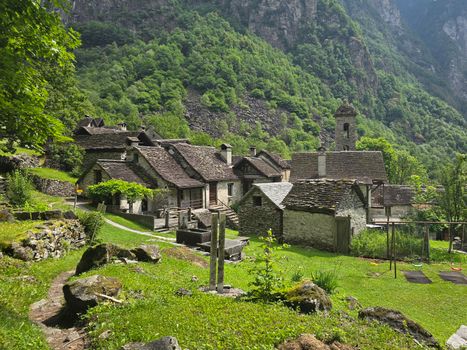
Then, as I rounded a final bend, the valley opened up, and there it was: a cluster of stone houses with weathered wooden roofs, smoke curling lazily from chimneys, nestled in a bowl of emerald green, framed by the dramatic, jagged teeth of the Prokletije Mountains. It wasn't just a village; it was a sanctuary, a living postcard from a bygone era. A wave of profound peace washed over me, a feeling of having truly discovered something special, something earned. That’s the magic of hiking to hidden villages.
In a world increasingly saturated with filters and over-tourism, the desire for genuine, unadulterated experiences has never been stronger. Travelers are craving authenticity, connection, and the thrill of discovery. And that, my friends, is exactly why hiking trails leading to hidden villages are trending right now. They offer a potent antidote to the ordinary, a chance to step back in time, immerse yourself in local cultures, and connect with nature in the most profound way. These aren't just destinations; they're journeys into the soul of a place.
Ready to trade crowded monuments for ancient pathways, and bustling cityscapes for serene mountain hamlets? Let's lace up our boots and explore some of the world's most captivating hidden villages waiting at the end of an unforgettable hike.
Europe's Enchanted Trails: Where History Whispers from Stone and Peak
Europe, often perceived as a continent of well-trodden paths, still guards countless secrets. Beyond the famous capitals and coastal resorts lie ancient trails that wind through breathtaking landscapes, leading to villages where time seems to stand still.
1. Theth, Albania: Jewel of the Albanian Alps
If you want to truly feel like an explorer, Albania's Prokletije Mountains (often called the "Accursed Mountains") are your playground. The multi-day hike between Valbona and Theth is legendary among trekkers, and for good reason. It's challenging, rewarding, and culminates in the serene beauty of Theth.
- The Hike: The most popular route is the Valbona to Theth Pass, a roughly 6-8 hour trek (depending on your pace and starting point) over a mountain pass. The trail is well-marked but rocky and steep in parts. You can start from Valbona and hike over to Theth, or vice-versa. Many opt for a combination of shared taxis, ferries across Lake Koman, and then the hike.
- The Village: Theth is a small, traditional village known for its iconic stone houses, the beautiful Theth Church, and the striking Lock-in Tower (Kulla e Ngujimit), a historical symbol of the Kanun (traditional Albanian law) where men would seek refuge during blood feuds. The surrounding area boasts incredible natural wonders like the Grunas Waterfall and the "Blue Eye" spring.
- My Anecdote: Arriving in Theth after a long day's hike, I was greeted by the owner of a small guesthouse with a warm smile and a glass of homemade rakia. The dinner that followed, prepared with fresh local ingredients, tasted like pure heaven. Sitting on the porch in the evening, watching the stars blaze over the mountains, I felt a deep connection to this untouched corner of the world.
- Practicalities: Guesthouses (called bujtina) are the primary accommodation, offering basic but comfortable rooms and delicious homemade meals (often half-board). Expect to pay around €25-€40 per person per night. Book ahead, especially in peak season (June-September). Bring cash, as ATMs are non-existent.
2. Gimmelwald, Switzerland: Alpine Serenity Above the Clouds
Nestled in the Bernese Oberland, high above the Lauterbrunnen Valley, Gimmelwald is often overshadowed by its more famous neighbors like Mürren and Wengen. But for those who seek authentic Swiss charm and breathtaking views without the crowds, Gimmelwald is a true gem, especially if you arrive by foot.
- The Hike: While you can take a cable car to Gimmelwald, the real adventure begins with hiking to it or from it. A fantastic option is to hike from Lauterbrunnen or Stechelberg up to Gimmelwald, a challenging but incredibly scenic ascent that takes you past waterfalls and through alpine meadows. Alternatively, hike from Gimmelwald to Mürren, then further up to the Schilthorn for panoramic views, making Gimmelwald your peaceful base.
- The Village: Gimmelwald is famously car-free and tiny, with a population of under 150. It’s a working agricultural village, meaning you'll see cows grazing right outside your window, and hear the gentle clang of their bells. There's a single pub, a small shop, and an overwhelming sense of peace.
- My Anecdote: I remember waking up in Gimmelwald to the sound of cowbells, stepping onto my guesthouse balcony, and being hit by the sheer majesty of the Eiger, Mönch, and Jungfrau peaks bathed in morning light. Later, I spent an afternoon hiking through wildflower meadows, feeling like I was walking through a real-life Heidi story. The pace of life here is wonderfully slow, a perfect digital detox.
- Practicalities: Accommodation ranges from rustic guesthouses to a well-known hostel. Prices can be a bit higher than other European spots (it's Switzerland, after all), but the experience is worth it. Expect CHF 50-100 per night. Public transport (cable car) is part of the experience, but hiking offers a deeper connection. The Swiss Travel Pass is highly recommended for exploring the region.
3. Civita di Bagnoregio, Italy: The Dying City's Enduring Charm
While not a multi-day trek, the dramatic approach to Civita di Bagnoregio feels like a journey to another world. Perched precariously atop a crumbling volcanic rock, this ancient village is accessible only by a long, pedestrian bridge, making it one of Italy's most visually stunning "hidden" gems.
- The "Hike": The walk across the bridge is relatively short (about 500 meters) but steep. The real "hike" is the journey to Civita, which often involves parking in Bagnoregio and walking through charming streets before you even reach the bridge entrance. The views from the bridge as you approach the village are absolutely breathtaking.
- The Village: Known as "La Città Che Muore" (The Dying City) due to erosion, Civita is a medieval marvel. Its few permanent residents cling to its history, maintaining ancient stone houses, narrow alleyways, and a profound sense of timelessness. It's a place of quiet beauty and poignant history.
- My Anecdote: As I crossed the bridge, the ancient stone houses of Civita seemed to rise out of the mist, looking like something from a fantasy novel. Inside, the silence was profound, broken only by the chirping of birds and the occasional clink of cutlery from a tiny trattoria. I sat at a small cafe, sipping espresso, watching the clouds drift by, and felt completely transported.
- Practicalities: There's a small entrance fee (around €5) to cross the bridge, which helps with the village's preservation. Limited accommodation is available within Civita itself, mostly B&Bs. Many people visit as a day trip from Rome or Orvieto. Wear comfortable shoes for the bridge and cobblestone streets.
Asia's Ancient Paths: Serenity in the Mountains
Asia's vast landscapes hold some of the world's most ancient cultures and most challenging, yet rewarding, treks. These trails lead to villages steeped in tradition, offering a glimpse into ways of life that have endured for centuries.
1. Ghandruk, Nepal: Heart of the Annapurna Foothills
For many, the Annapurna region of Nepal is synonymous with trekking. While the Annapurna Base Camp and Circuit treks draw thousands, smaller, traditional Gurung villages like Ghandruk offer a more intimate experience of Himalayan life, accessible via stunning, multi-day hikes.
- The Hike: Ghandruk is a popular stop on the Annapurna Base Camp (ABC) trek or the shorter Ghorepani Poon Hill trek. You can spend 2-3 days hiking from Nayapul (near Pokhara) through terraced fields and rhododendron forests to reach Ghandruk. The trails are well-established but involve significant elevation changes.
- The Village: Ghandruk is a large, prosperous Gurung village known for its slate-roofed houses, stone-paved paths, and incredible panoramic views of Annapurna South, Hiunchuli, and Machapuchare (Fishtail Mountain). It offers a rich insight into Gurung culture, with a local museum and traditional homestays.
- My Anecdote: After a challenging day of climbing through mist-shrouded forests, reaching Ghandruk felt like stepping into a dream. The evening light cast a golden glow on the mountains, and the sound of children playing echoed through the village. I stayed in a local teahouse, where the family shared stories over dal bhat, and I felt utterly welcomed into their world.
- Practicalities: Teahouse accommodation is abundant, offering basic rooms and meals for around NPR 500-1000 per night (food extra). You'll need a TIMS card and Annapurna Conservation Area Permit (ACAP), which can be obtained in Kathmandu or Pokhara. Hiring a local guide or porter is highly recommended for both navigation and cultural insights.
2. Shirakawa-go & Gokayama, Japan: A Winter Fairytale
While Shirakawa-go is a UNESCO World Heritage site and not entirely "hidden" anymore, the journey to these Gassho-zukuri farmhouses and the ability to hike between the smaller, less-visited villages in the Gokayama region (like Suganuma and Ainokura) offers an incredibly unique and atmospheric experience, especially in winter.
- The Hike: You can take buses to Shirakawa-go, but to truly appreciate the region's beauty and find more solitude, consider hiking between the villages of Gokayama. Trails connect Ainokura, Suganuma, and Ogimachi (Shirakawa-go), offering scenic walks through forests and over small passes. These aren't strenuous alpine treks, but rather delightful cultural walks.
- The Villages: Famous for their steep, thatched-roof houses designed to withstand heavy snowfall, these villages are architectural marvels. Shirakawa-go's Ogimachi is the largest, while Ainokura and Suganuma in Gokayama are smaller, quieter, and offer an even more authentic glimpse into traditional Japanese rural life.
- My Anecdote: Visiting Ainokura in winter, with snow piled high on the distinctive roofs, felt like walking into a Japanese woodblock print. I spent an afternoon snowshoeing around the village, the only sounds being the crunch of my steps and the distant chime of a temple bell. Staying overnight in a Gassho-zukuri farmhouse, warming myself by the irori (hearth), was an unforgettable cultural immersion.
- Practicalities: Accommodation in a Gassho-zukuri farmhouse (minshuku) typically includes dinner and breakfast and costs around JPY 8,000-15,000 per person. Book far in advance, especially for winter. Buses connect the villages, but walking between them is highly recommended.
3. Sapa's Hmong Villages, Vietnam: Authentic Encounters in the Terraces
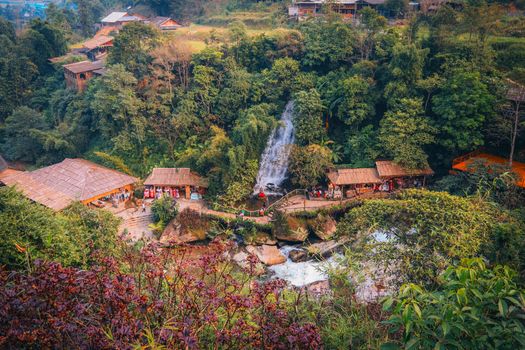
Sapa has become a popular destination, but with a local guide, you can still find truly hidden Hmong and Dao villages nestled deep within the dramatic rice terraces, far from the main tourist hubs. These treks offer profound cultural immersion and breathtaking landscapes.
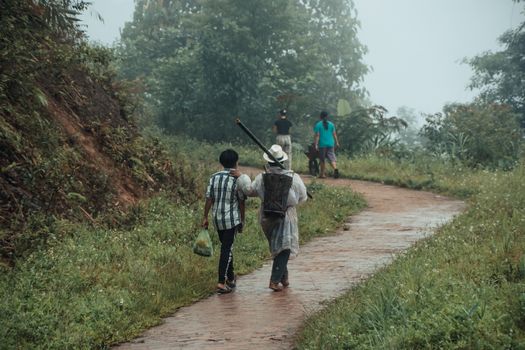
- The Hike: Many multi-day treks originate from Sapa town, ranging from moderate to challenging. A common itinerary involves hiking through villages like Cat Cat (often busy), Lao Chai, Ta Van, and further afield to more remote hamlets like Giang Ta Chai or Ban Ho. The key is to arrange a trek with a local Hmong or Dao guide who knows the less-traveled paths.
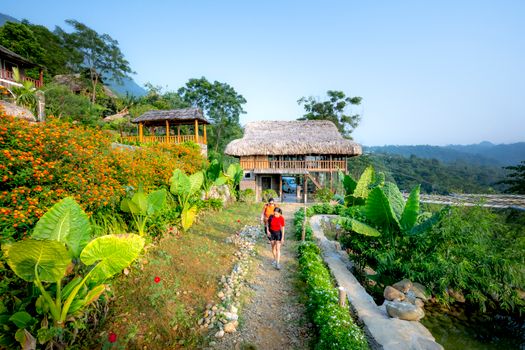
- The Villages: These are living, working communities where ethnic minority groups maintain their traditional lifestyles, farming rice, weaving textiles, and practicing ancient customs. Staying in a homestay provides an unparalleled opportunity to learn about their culture firsthand.
- My Anecdote: My guide, a young Hmong woman named Mai, led me through a maze of vibrant green rice paddies, pointing out medicinal plants and explaining local farming techniques. We arrived at her family home in a small village far from Sapa, where I shared a meal with her family, learned to make spring rolls, and even tried on a traditional Hmong outfit. It was an experience far richer than any postcard could convey.
- Practicalities: Always hire a local guide, not only for navigation but for cultural understanding and to ensure your money directly benefits the community. Homestays are affordable, typically around $10-20 USD per night, including meals. Be prepared for basic facilities and a strong focus on community life. The best time to visit is during the rice planting (May-June) or harvest season (September-October) for the most vibrant views.
The Americas' Untamed Frontiers: Nature's Embrace and Ancient Echoes
From the towering Andes to the lush jungles of Central America, the Americas offer a different kind of hidden village experience – often deeply connected to indigenous cultures and spectacular, untamed wilderness.
1. Lares Trek Villages, Peru: Beyond the Inca Trail
While Machu Picchu draws millions, the Lares Trek offers an incredible alternative, leading trekkers through remote Andean villages where traditional Quechua life thrives, culminating with a visit to the lost city. It's a hike to living history.
- The Hike: The Lares Trek is typically a 3-4 day journey, covering varying distances and elevations (often above 4,000 meters/13,000 feet). It's challenging but incredibly rewarding, passing through stunning high-altitude landscapes, past turquoise lakes, and into traditional weaving villages like Wacawasi and Patacancha.
- The Villages: These are active, traditional Quechua communities. You'll witness daily life – locals tending to alpacas and llamas, women weaving intricate textiles using ancient techniques, and children playing in the crisp mountain air. The trek provides a direct opportunity for cultural exchange and supporting local economies.
- My Anecdote: I remember sitting in a small, mud-brick home in Wacawasi, sipping on coca tea, as a local woman demonstrated her weaving skills. She spoke only Quechua, but her warmth and the artistry of her craft transcended language. It was a humbling reminder of the enduring traditions in these remote corners of the world.
- Practicalities: The Lares Trek is usually done with a licensed tour operator, as it involves logistics like camping gear, food, and guides. Prices vary but expect around $500-800 USD for a 3-4 day trek (excluding Machu Picchu entrance/train, which can be added). Acclimatize in Cusco for a few days before starting.
2. Santiago Apoala, Oaxaca, Mexico: Waterfalls and Zapotec Traditions
Deep in the Mixteca Alta region of Oaxaca lies Santiago Apoala, a breathtakingly beautiful Zapotec village renowned for its dramatic waterfalls, turquoise pools, and hiking trails. It's a true hidden gem, offering a blend of natural beauty and indigenous culture.
- The Hike: The main "hike" here is exploring the network of trails around the village, leading to a series of stunning waterfalls (like "Cola de Serpiente" – Snake Tail), caves, and a petrified waterfall. You can spend a full day or more exploring these natural wonders. The village itself is small and easily walkable.
- The Village: Santiago Apoala is a quiet, traditional Zapotec community. It's not a bustling tourist hub, but a place where local life unfolds at its own pace. You'll find friendly locals, a simple church, and a profound sense of peace.
- My Anecdote: The vibrant turquoise of the Apoala river against the red earth and green vegetation was simply mesmerizing. I spent hours hiking to different waterfalls, swimming in the refreshingly cool pools, and just soaking in the natural beauty. Back in the village, I enjoyed a delicious, simple meal prepared by a local family, their hospitality as warm as the Oaxacan sun.
- Practicalities: It's best to hire a local guide from the community (often available at the ecotourism office) to navigate the trails and learn about the local flora, fauna, and legends. There are a few basic cabañas (cabins) for overnight stays, or you can camp. Reaching Apoala usually involves a 2-3 hour drive from Oaxaca City, often by colectivo (shared taxi) or private transport.
Essential Gear & Trekking Tips for Hidden Village Hikes
Embarking on these unique adventures requires preparation. Here’s how to ensure your journey is safe, comfortable, and respectful:
- Pack Smart & Light: Layers are key. Weather can change quickly in the mountains. A good quality backpack, waterproof jacket, comfortable hiking boots (broken in!), and extra socks are non-negotiable. Don't forget a first-aid kit, water filter/purifier, headlamp, and power bank for your devices.
- Navigation & Safety: While some trails are marked, a reliable offline map app (like Maps.me or AllTrails) is crucial. Consider a satellite messenger for truly remote areas where phone signal is absent. Always inform someone of your itinerary.
- Cash is King: Many hidden villages operate solely on cash. ATMs are rare to non-existent. Carry enough local currency for accommodation, food, and small purchases.
- Learn Basic Phrases: A few words in the local language (hello, thank you, please, how much) go a long way in building rapport and showing respect.
- Respect Local Culture: Dress modestly, especially when visiting religious sites. Ask permission before taking photos of people. Be mindful of local customs and traditions. You are a guest in their home.
- Stay Hydrated & Nourished: Carry plenty of water. Electrolytes are helpful. Enjoy local food, but be cautious with uncooked items if you have a sensitive stomach.
- Permits & Guides: Research if permits are required for specific regions (e.g., Nepal). For many hidden village treks, hiring a local guide is invaluable for safety, navigation, and cultural insights. It also directly supports the local economy.
Sustainable Travel: Treading Lightly, Leaving Memories
The growing popularity of these hidden gems means we, as travelers, have a responsibility. Let's ensure these villages remain special for generations to come.
- Support Local: Choose locally owned guesthouses, eat at local eateries, and buy handicrafts directly from artisans. Your money has a direct, positive impact on these communities.
- Leave No Trace: Pack out everything you pack in. Stick to marked trails. Do not disturb wildlife or natural habitats.
- Cultural Sensitivity: Engage respectfully with locals. Be open to learning, but avoid imposing your own cultural norms. Remember, you are a guest.
- Reduce Your Footprint: Opt for public transport where possible. Minimize plastic waste.
- Educate Yourself: Learn about the history, challenges, and aspirations of the communities you visit.
Your Next Adventure Awaits: Answer the Call of the Wild
There’s a profound satisfaction that comes from earning your view, from feeling the rhythm of the earth beneath your feet, and from connecting with cultures that exist far beyond the reach of Wi-Fi signals. Hiking to hidden villages isn't just a trend; it's a movement towards more meaningful, authentic travel. It’s about slowing down, looking up, and truly seeing the world.
So, are you ready to trade the beaten path for an adventure that will leave you with stories, not just souvenirs? Are you ready to discover the magic that lies just beyond the next ridge? The mountains are calling, and these hidden villages are waiting.
Which hidden village will you discover first? Share your dream trek in the comments below, or better yet, start planning your own unforgettable journey today!
---