Free Flights: My Secret to Flying for Pennies (And How It Changed My Life Forever)
I still remember the first time I landed in Bali. The humid air, the scent of incense, the vibrant colors – it was everything I’d dreamed of. But what made that trip truly unforgettable wasn't just the destination itself; it was the fact that I had flown there in business class, for what felt like pocket change. Seriously. The round-trip flight, which would normally cost thousands, set me back less than $100 in taxes and fees. That’s when it hit me: this wasn't just a travel hack; it was a life-changer.
For years, I believed that exploring far-flung destinations like Southeast Asia or Europe was a luxury reserved for the wealthy. My travel budget was always tight, leading to endless hours scouring Skyscanner for the cheapest economy fares, often with multiple layovers. I loved to travel, but the cost of flights was a constant, frustrating barrier.
Then, a friend introduced me to the world of travel hacking – specifically, how to earn and redeem credit card points and airline miles for free flights. My initial reaction was skepticism. It sounded too good to be true, like some shady pyramid scheme. But driven by a desperate desire to see more of the world, I decided to dive in, cautiously at first. And let me tell you, it wasn't just "good," it was transformative.
That business class flight to Bali? It wasn't a fluke. Since then, I’ve flown to Tokyo, Paris, Rome, São Paulo, and countless domestic destinations – often in premium cabins – all thanks to a strategic approach to points and miles. This isn't just about saving money; it's about unlocking experiences you never thought possible, upgrading your travel style, and seeing the world on your terms.
If you’ve ever dreamed of seeing the Eiffel Tower, hiking in Patagonia, or relaxing on a pristine Thai beach without the crushing financial burden of airfare, then grab a coffee, because I'm about to share the exact strategies that changed my life forever.
The "Aha!" Moment: From Skeptic to Points Evangelist
My journey into the world of points began with a casual dinner conversation. My friend, Mark, was recounting his recent trip to Greece, raving about his flight. "Business class, full flatbed, gourmet meals," he gushed. "And it only cost me about fifty bucks in taxes." My jaw dropped. Fifty bucks?! I had just paid ten times that for an economy flight to visit my parents a few states over.
He saw my disbelief and laughed. "Credit card points, man. It's a game-changer."
Mark patiently explained the basics: how certain credit cards offer massive sign-up bonuses, how you can earn points on everyday spending, and how these points can be transferred to airline loyalty programs to book "free" flights. I left that dinner intrigued, but still wary. It felt like there had to be a catch.
My first foray was small. I applied for a travel rewards card with a modest sign-up bonus – enough for a domestic round-trip flight. I met the minimum spending requirement by simply paying my usual bills and groceries. A few months later, I booked a flight to visit my sister in Denver. The total cost? $11.20 in security fees. That short flight, a mere fraction of the usual cost, was my "aha!" moment. It wasn't a scam. It was real.
Suddenly, the world felt a whole lot smaller and more accessible. I realized that this wasn't about spending more money; it was about spending smarter, leveraging the financial system to my advantage. My travel dreams, once confined by my budget, were now taking flight.
The Foundations: Understanding Points & Miles (Your New Currency)
Think of points and miles as a new form of currency. Just like dollars or euros, they have value, and you can exchange them for goods and services – in our case, flights!
- Credit Card Rewards: This is the bedrock of most travel hacking strategies.
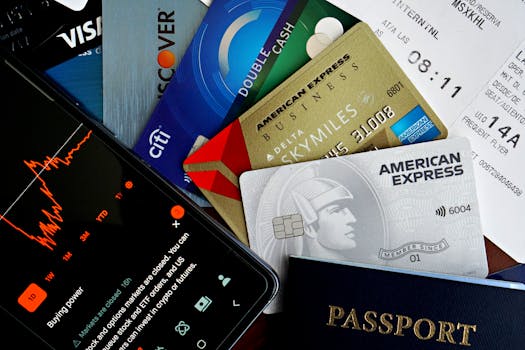
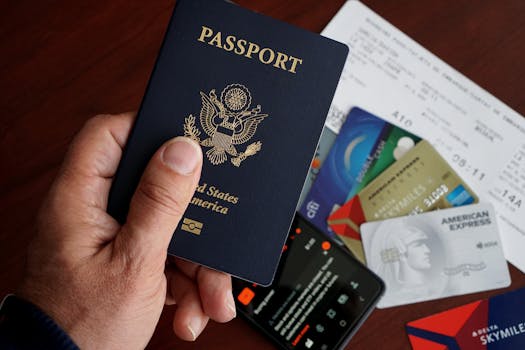
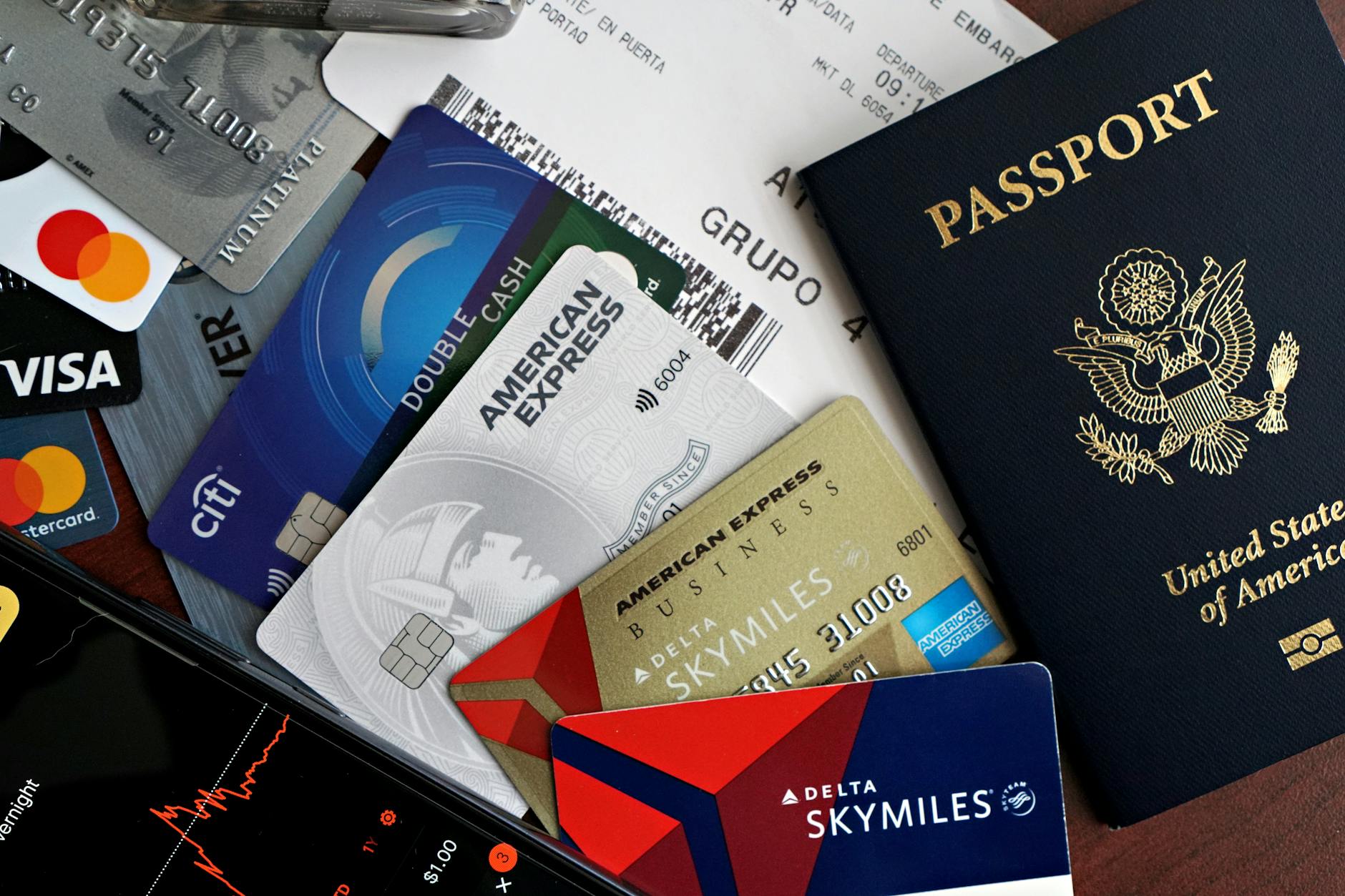
- Sign-Up Bonuses: This is where the magic happens. Many travel credit cards offer tens of thousands, sometimes over 100,000 points, just for opening an account and meeting a minimum spending requirement (e.g., spend $3,000 in the first three months). These bonuses are the fastest way to accumulate a massive points balance.
- Category Bonuses: Many cards offer bonus points for spending in specific categories like dining, groceries, gas, or travel. Using the right card for the right purchase can significantly boost your earnings.
- Annual Fees: Most premium travel cards have annual fees (e.g., $95-$550+). Don't let this scare you! The value of the sign-up bonus and ongoing benefits (like airport lounge access, travel credits, free night certificates) often far outweighs the fee, especially in the first year. Always evaluate if the benefits justify the cost.
- Airline Loyalty Programs: These are the programs directly associated with airlines (e.g., American AAdvantage, United MileagePlus, Delta SkyMiles).
- Earning Miles: You earn miles by flying with the airline or its partners, or by using their co-branded credit cards.
- Redeeming Miles: You use these miles directly with the airline to book flights.
- Transfer Partners: This is a crucial concept. Many flexible travel credit cards (like Chase Ultimate Rewards, Amex Membership Rewards, Citi ThankYou Points, Capital One Miles) allow you to transfer the points you earn directly to a variety of airline and hotel loyalty programs, often at a 1:1 ratio. This flexibility is key, as it allows you to choose the best redemption value across different programs. For example, 50,000 Chase points could become 50,000 United miles or 50,000 Singapore Airlines KrisFlyer miles.
The Golden Rule: Never, ever carry a balance on your credit cards. The interest charges will quickly negate any value you gain from points. This strategy is for responsible spenders who pay their bills in full, on time, every month. Your credit score is more important than any free flight.
My Top Strategies for Earning Points Like a Pro
Once I understood the basics, I developed a systematic approach to earning points. This isn't about spending more; it's about optimizing your existing spending.
- Strategic Credit Card Applications (The Sign-Up Bonus Goldmine):
- Focus on Welcome Bonuses: My primary strategy revolves around earning large welcome bonuses. I research cards with high bonuses (e.g., 60,000+ points) that align with my travel goals (e.g., points transferable to airlines I want to fly).
- Meeting Minimum Spend: This is often the biggest hurdle. Here’s how I do it without overspending:
- Everyday Expenses: Use the new card for all your regular bills – groceries, dining out, utilities, gas, internet, phone.
- Planned Large Purchases: If you know you need to buy a new appliance, furniture, or pay for a car repair, time it with a new card application.
- Pre-pay Bills: Some services allow you to pre-pay for several months (e.g., insurance, streaming subscriptions).
- Family & Friends: If you trust them, you can offer to pay for their expenses (e.g., a dinner bill) and have them pay you back immediately.
- "Churning" (Use with Caution): Some advanced users apply for multiple cards over time, sometimes closing and reapplying for the same card after a cooling-off period to earn bonuses again. This requires careful tracking and understanding of bank rules (e.g., Chase's 5/24 rule). I recommend starting slow and mastering one card at a time.
- Maximizing Everyday Spending:
- Category Bonuses: I keep a mental (or physical!) note of which card offers bonus points for which category. My Chase Sapphire Reserve, for example, gives 3x points on dining and travel, so that's my go-to for restaurants and hotels. My Amex Gold gives 4x points on groceries and dining.
- Online Shopping Portals: Before making any online purchase, I check cashback portals like Rakuten (which often offers Amex Membership Rewards points instead of cash back) or airline shopping portals (e.g., United MileagePlus Shopping). You can earn extra points per dollar spent at thousands of retailers. It's free points for purchases you'd already make!
- Referral Bonuses: Many cards offer bonus points for referring friends and family who get approved for a card. If you have friends who are interested, it's a win-win!
My Tokyo Trip Anecdote: I once earned enough for a round-trip business class flight to Tokyo (worth over $5,000) primarily through a single credit card sign-up bonus of 100,000 points, plus some everyday spending. I transferred those points to an airline partner and found a "sweet spot" redemption. The minimum spend was $5,000 in three months. I used it for my regular expenses, a new laptop I needed, and pre-paying my car insurance for six months. It felt like I was printing money!
The Art of Redemption: How to Find Those "Free" Flights
Earning points is only half the battle; redeeming them wisely is where you unlock true value. This is where flexibility and a little research pay off handsomely.
- Flexibility is Your Best Friend:
- Dates: If you can be flexible with your travel dates, you'll have a much easier time finding award availability. Mid-week flights, off-peak seasons, and avoiding major holidays are usually best.
- Airports: Consider flying into or out of smaller, nearby airports. Sometimes connecting flights from a less popular hub can open up availability.
- Destinations: If you're open to different destinations within a region (e.g., "Europe" instead of "Paris specifically"), you'll have more options.
- Searching Award Space (Become a Detective!):
- Airline Websites: Start by searching directly on airline websites. If you want to use United miles, search on united.com. But remember, airlines are part of alliances:
- Star Alliance: United, Lufthansa, Singapore Airlines, ANA, etc. (Search on United, Aeroplan, or Avianca LifeMiles for partners)
- Oneworld: American, British Airways, Cathay Pacific, JAL, Qatar Airways, etc. (Search on British Airways, Qantas, or American for partners)
- SkyTeam: Delta, Air France, KLM, Korean Air, etc. (Search on Air France/KLM Flying Blue or Delta for partners)
- Tools & Resources: Websites like AwardHacker.com or Point.me can help you identify which loyalty programs offer the best redemption rates for specific routes. These are starting points, though; you'll still need to verify availability on the airline's site.
- "Sweet Spots": These are specific redemptions that offer disproportionately good value.
- Example 1: Short-Haul on Avios. British Airways Avios (transferable from Chase, Amex, Capital One) are fantastic for short-haul flights on partner airlines like American Airlines or Alaska Airlines in the US, or within Europe on British Airways or Iberia. You can often fly for just 7,500-10,000 Avios each way. I used Avios to fly from NYC to Miami for 7,500 points, which would have cost $250!
- Example 2: Business Class to Asia. Programs like ANA Mileage Club (transferable from Amex) or Virgin Atlantic Flying Club (transferable from Chase, Amex, Citi, Capital One) can offer incredible value for business class flights to Asia, sometimes requiring fewer points than other programs, especially on partner airlines.
- Example 3: United to Europe. United MileagePlus (transferable from Chase) often has decent availability and doesn't pass on egregious fuel surcharges on their own flights or many Star Alliance partners.
- Avoiding Fuel Surcharges: This is critical! Some airlines (looking at you, British Airways and Lufthansa, when redeeming through certain partners) levy hefty "fuel surcharges" that can make your "free" flight cost hundreds or even thousands of dollars. Always check the cash co-pay before transferring points. Programs like United, Singapore Airlines, and Turkish Airlines generally have lower surcharges. My Bali business class flight mentioned earlier was on Singapore Airlines, which has very reasonable surcharges when redeemed through their own KrisFlyer program. It cost me 95,000 KrisFlyer miles and $85 in taxes and fees for a round-trip flight that was easily worth $4,000+.
My Paris Redemption Story: Last year, I managed to snag a round-trip economy flight to Paris using 60,000 Capital One Miles (transferred to Air France/KLM Flying Blue) and about $150 in taxes. The cash price for that same flight was over $900. I was able to extend my stay for an extra week thanks to the money I saved on airfare. Walking through the streets of Le Marais, knowing my flight was practically free, made the pain au chocolat taste even sweeter!
Beyond the Flight: Maximizing Your Travel Experience
The benefits of travel hacking extend beyond just the flight itself. Many premium travel credit cards offer perks that enhance your entire travel journey.
- Airport Lounge Access: Many high-end travel cards (like the Chase Sapphire Reserve or Amex Platinum) offer complimentary access to airport lounges worldwide (e.g., Priority Pass, Centurion Lounges). Imagine relaxing in a comfortable lounge with free food, drinks, and Wi-Fi before your "free" flight, instead of battling crowds at the gate. This alone can save you a ton on airport food and drinks and make layovers enjoyable. I remember sipping champagne in the Lufthansa Business Lounge in Frankfurt during a layover, feeling incredibly pampered – all thanks to a credit card perk.
- Travel Credits: Some cards offer annual travel credits that automatically reimburse you for travel-related expenses like airline fees, hotel stays, or even Ubers. These credits can offset a significant portion of the annual fee.
- Travel Insurance: Many premium cards come with robust travel insurance benefits, including trip cancellation/interruption insurance, primary car rental insurance, and baggage delay coverage. This can save you hundreds on separate travel insurance policies.
- Global Entry/TSA PreCheck Reimbursement: Most premium travel cards will reimburse you for the application fee for Global Entry or TSA PreCheck, speeding you through airport security and customs.
Common Pitfalls & How to Avoid Them
While travel hacking is incredibly rewarding, it's not without its potential pitfalls. Being aware of these will ensure your journey is smooth and debt-free.
- The Debt Trap: This is the absolute biggest danger. If you cannot pay off your credit card balance in full every single month, this strategy is NOT for you. The interest rates on credit cards will quickly erase any value you gain from points. Always prioritize financial responsibility over points.
- Annual Fees: Don't just apply for cards blindly. Always calculate if the value of the sign-up bonus, ongoing points, and perks outweigh the annual fee. If a card's benefits no longer serve you, consider downgrading to a no-annual-fee version or canceling it.
- Points Expiration: Some loyalty programs have points that expire after a certain period of inactivity (e.g., 18-24 months). Keep track of your balances and make a qualifying activity (like earning or redeeming a small amount of points) to reset the clock if needed.
- Devaluation: Points and miles are not a stable currency. Airlines and banks can (and do) devalue their points programs, meaning your points might be worth less tomorrow than they are today. This is why it's generally recommended to "earn and burn" – don't hoard points for too long.
- Impact on Credit Score: Applying for multiple credit cards will temporarily cause a small dip in your credit score due to "hard inquiries." However, if you manage your credit responsibly (pay on time, keep utilization low, don't close your oldest accounts), your score typically recovers quickly and can even improve over time as your overall credit limit increases and your credit history lengthens. I've maintained an excellent credit score throughout my travel hacking journey.
- Over-Complication: Don't try to master every single program at once. Start simple. Focus on one or two flexible points programs (like Chase Ultimate Rewards or Amex Membership Rewards) and one or two airline partners. Learn the ropes, then expand.
Your Next Adventure Awaits: Start Flying for Free!
The feeling of stepping onto a plane, knowing that your seat cost you next to nothing, is incredibly liberating. It changes your perspective on travel, making the impossible feel entirely within reach. My life has been immeasurably enriched by the experiences I’ve had, the cultures I’ve immersed myself in, and the friends I’ve made, all thanks to the power of points.
This isn't just about cheap flights; it's about freedom. Freedom to explore, freedom to learn, freedom to create unforgettable memories. It's about turning what seems like an expensive dream into an accessible reality.
So, are you ready to change your life forever? What’s your dream destination? The beautiful beaches of Thailand? The bustling streets of New York City? The ancient ruins of Rome?
Start small. Research one credit card that aligns with your spending habits and travel goals. Understand its benefits and how to responsibly earn its sign-up bonus. Pay off your balance in full, every month. Before you know it, you'll be booking your own "free" flight and wondering why you didn't start sooner.
The world is waiting. Go get those points!
What's your biggest travel dream? Share your thoughts and questions in the comments below – I'd love to hear from you and help you on your journey to free flights!
---