The Secret Sauce: How to Find the Cheapest Gas Stations Worldwide Locals Don't Want Tourists to Know
The engine sputtered. My heart, a frantic drum solo, echoed the sound in the silence of a deserted rural road in southern France. The fuel light had been on for what felt like an eternity, and the next sign for a gas station was still agonizingly far. Panic set in. When I finally limped into a small village, the only station I found was a tiny, independent pump with prices that made my eyes water – nearly €2.00 a liter! I filled up, grumbling, knowing I was being fleeced but having no other choice.
That experience, years ago, was my wake-up call. I vowed never again to be at the mercy of exorbitant tourist-trap fuel prices. Since then, I've crisscrossed continents, from the bustling highways of the US to the winding coastal roads of Portugal and the dusty tracks of Southeast Asia, all while obsessively hunting for the best fuel deals. And guess what? There's a whole hidden world of cheaper gas stations out there, places locals know about and often keep to themselves. It’s not about being sneaky; it’s about being savvy. It’s about understanding the nuances of local economies, leveraging technology, and sometimes, simply asking the right questions.
If you’re ready to stop overpaying and start driving smarter, buckle up. This isn't just a list of tips; it's your definitive guide to unlocking the secrets of cheap gas, anywhere on Earth.
1. The Local Lowdown: Why Tourists Pay More (and How to Avoid It)
Let's face it: convenience comes at a price. Highway service stations, those beacons of hope when you're low on fuel, are almost universally more expensive. Why? Prime real estate, captive audience, and often, higher operational costs. Tourists, unfamiliar with local alternatives, often fall into this trap.
The Golden Rule: Never fill up directly on a major highway or at a popular tourist exit if you can avoid it.
In Europe, for example, an "Autogrill" or "motorway service area" might charge 10-20 cents more per liter than a station just a few kilometers off the main road in a nearby town. In the US, the difference between an Interstate exit station and one a mile or two down a local road can be 50 cents or more per gallon.
Actionable Tip: As you approach a major highway exit, look for signs indicating nearby towns or "local services." A quick detour of 5-10 minutes can save you significant cash, especially on a long road trip. I once saved nearly $15 on a single fill-up in rural Montana by taking a 3-minute detour into a tiny town instead of using the highly visible station right off the I-90. That's a fancy coffee and a pastry right there!
2. The Digital Detectives: Apps, Websites, and GPS Hacks
In the age of smartphones, finding cheap gas is easier than ever, provided you know which tools to use. These are the digital allies locals swear by.
- GasBuddy (USA & Canada): This is the undisputed champion for North America. GasBuddy crowdsources gas prices, allowing users to report and update prices in real-time. It's incredibly accurate and often features exclusive discounts or challenges that can save you even more. I've used it countless times to navigate price differences across state lines and even within the same city. It once saved me $20 on a tank in California, guiding me to a station just two blocks away from a more expensive one.
- Waze (Global): While primarily a navigation app, Waze also has a fantastic feature for reporting and displaying gas prices. Because it's community-driven, its accuracy can vary by region, but in well-populated areas, it's a game-changer. I found surprisingly good deals in Portugal and Spain using Waze's gas price feature.
- Google Maps (Global): Often overlooked, Google Maps has a "gas stations" search function. Once you search, look for the "Sort by price" option (though this isn't available everywhere). Even if it doesn't show exact prices, it can show you nearby stations, allowing you to quickly compare signage as you drive past.
- Local Price Aggregators: Many countries have their own versions of GasBuddy.
- France: Apps like Essence&CO or Prix Carburants.
- Germany: ADAC Spritpreise or clever-tanken.de.
- UK: PetrolPrices.com.
- Australia: FuelCheck (NSW), MyFuelNT (NT), FuelWatch (WA).
- Italy: Prezzi Benzina.
- Spain: GasAll.
It pays to do a quick Google search for "[Country Name] gas prices app" before your trip. Download a couple and see which one works best in the areas you'll be driving.
- VPN Trick: In some regions, certain fuel apps or websites might be geo-restricted or display different prices based on your IP address. A VPN can sometimes allow you to access local pricing data that might otherwise be hidden.
Actionable Tip: Before you set off for the day, check your preferred app for prices along your route. Don't wait until your tank is nearly empty! Plan your fill-up strategically.
3. Beyond the Brand Names: Independent Stations & Supermarket Pumps
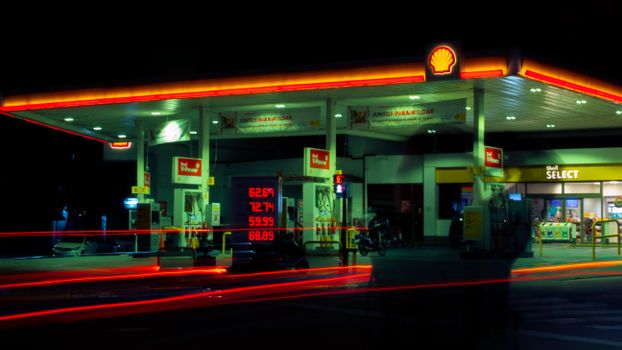
This is where the true local secrets lie. Tourists often stick to familiar brands like Shell, BP, Exxon, or Total. While these are reliable, they're rarely the cheapest.
- Supermarket Fuel: This is my absolute favorite hack, especially in Europe and Australia. Major supermarket chains often have their own gas stations, and their prices are consistently lower than branded stations. Think Tesco, Sainsbury's, Asda in the UK; Carrefour, Leclerc, Intermarché in France; Coles Express, Woolworths Caltex in Australia; E.Leclerc in Spain. They use fuel as a loss leader to get you into their stores. I once saved a whopping 15 cents per liter at a Leclerc station in rural France compared to the Total station across the road. That adds up fast!
- Independent & Unbranded Stations: These smaller, often older, stations might not look as flashy, but they can offer significant savings. They have lower overheads and don't pay franchise fees. You'll find these more often in smaller towns or slightly off the main thoroughfares. In Southeast Asia, these might be tiny roadside stalls selling fuel from repurposed plastic bottles – use caution and common sense here, but sometimes a small, legitimate local station can be a gem.
- Costco (USA, Canada, UK, Australia, etc.): If you have a Costco membership (or know someone who does), their gas prices are almost always among the lowest. The lines can be long, but the savings are substantial. This is a non-negotiable stop for me on any US road trip.
Actionable Tip: Don't be afraid to venture a few blocks into a town to find a supermarket with a gas station. Look for the distinctive supermarket logos. These are often clearly marked on road signs leading into towns. In countries like France, the "station service" signs for supermarkets are often green, distinguishing them from the blue signs of highway stations.
4. Timing is Everything: When to Fill Up for Less
Yes, even the when can impact the how much. Fuel prices are surprisingly dynamic.
- Day of the Week: Prices tend to be highest at the beginning of the week (Monday/Tuesday) and lowest towards the end (Thursday/Friday), as stations adjust prices for weekend travel. However, this isn't a hard and fast rule everywhere. In some regions, prices might spike before a long holiday weekend.
- Time of Day: Filling up in the morning before the rush hour or late at night can sometimes yield slightly better prices, as stations might not have adjusted for the day's peak demand yet.
- Seasonal Fluctuations: Summer driving season generally sees higher prices due to increased demand. Off-season travel can sometimes mean cheaper gas, but this is less about local secrets and more about market forces.
Actionable Tip: If you have the luxury of choice, aim to fill up mid-week (Wednesday or Thursday) rather than over the weekend. Keep an eye on local news or gas price trend reports if you're staying in one area for a while.
5. Fuel Loyalty Programs & Credit Card Perks
Many travelers overlook these, assuming they're only for locals. Not true!
- Gas Station Loyalty Programs: Even if you're just passing through, signing up for a free loyalty card at a major chain can sometimes give you instant discounts. For example, in the US, many grocery store chains offer fuel points that can be redeemed at associated gas stations. A quick Google search for "[Gas Station Brand] loyalty program" can reveal opportunities.
- Credit Card Rewards: Some travel credit cards offer bonus points or cashback on fuel purchases. Check your card's benefits before you go. Specific cards might offer 2-5% back on gas, which adds up quickly on a long road trip.
- Membership Clubs: Beyond Costco, other clubs like AAA (in the US) sometimes offer discounts at specific stations.
Actionable Tip: Before a major road trip, research loyalty programs for the dominant gas station chains in your destination country. Even a 1-2 cent per liter/gallon discount can mean significant savings over a few fill-ups.
6. The Language Barrier & Local Wisdom: Asking Around Smartly
Sometimes, the best technology is still human connection. Locals know their area best.
- Learn Key Phrases: "Where is the cheapest gas station?" ("¿Dónde está la gasolinera más barata?" in Spanish, "Où est la station-service la moins chère ?" in French, "Wo ist die günstigste Tankstelle?" in German).
- Ask for "Supermarket Fuel": Specifically ask if there's a supermarket with a gas station nearby. Locals will know exactly what you mean.
- Target the Right People: Ask hotel staff, local shopkeepers, or even taxi drivers. They are often the best sources of hyper-local information. Avoid asking other tourists, who are likely in the same boat as you.
- Observe: Pay attention to where local delivery trucks or commercial vehicles fill up. They are almost certainly going for the cheapest option.
Personal Anecdote: During a trip to rural Thailand, my rented scooter was running on fumes. I asked a friendly shop owner (using broken English and hand gestures) for "petrol." Instead of directing me to the main road station, he pointed down a dusty alley to a small, family-run shop where they sold fuel from a drum, dispensed with a hand pump, at a fraction of the price of the official station. It felt like a true local secret, and the experience was utterly charming.
7. Regional Nuances: Fuel Types, Service, and Payment
Understanding local customs is crucial to avoid costly mistakes.
- Fuel Names: "Gasoline" and "Petrol" are common, but specific octane ratings vary.
- USA: Regular (87), Mid-grade (89), Premium (91-93).
- Europe: E5 (Super 95), E10 (Super 95 E10), Super Plus (98), Diesel. Always check your rental car's fuel cap for the correct type! Putting diesel in a petrol car (or vice-versa) is an expensive mistake.
- Self-Service vs. Full-Service: Many countries are self-service, but some (like parts of the US, e.g., Oregon and New Jersey, or some parts of South America) still have full-service. Know before you go.
- Payment Methods: Credit cards are widely accepted, but some smaller, independent stations (especially in more rural or developing areas) might be cash-only. Always carry some local currency.
- Toll Roads: In some countries (like Italy or France), gas stations on toll roads are often more expensive than those just off them, even if they are part of the same brand. Factor this into your route planning.
Actionable Tip: Take a photo of your rental car's fuel cap sticker the moment you pick it up. This way, you'll always have a reference for the correct fuel type, no matter the language barrier.
Conclusion: Drive Smarter, Not Harder
Finding cheap gas worldwide isn't about luck; it's about preparation, observation, and leveraging the right tools. From the digital prowess of GasBuddy to the savvy wisdom of local shopkeepers and the undeniable savings at supermarket pumps, you now have an arsenal of strategies to keep your fuel budget in check.
Think of it as a game, an adventure within your adventure. Every cent or penny saved is more money for delicious local food, unique souvenirs, or another unforgettable experience. So, next time you hit the open road, don't just drive; drive like a local. Your wallet will thank you, and your travel stories will be all the richer for it.
Ready to hit the road with confidence and a full, cheap tank? Share your own gas-saving hacks in the comments below! And don't forget to share this guide with your fellow road-tripping adventurers – let's all save some cash!
---