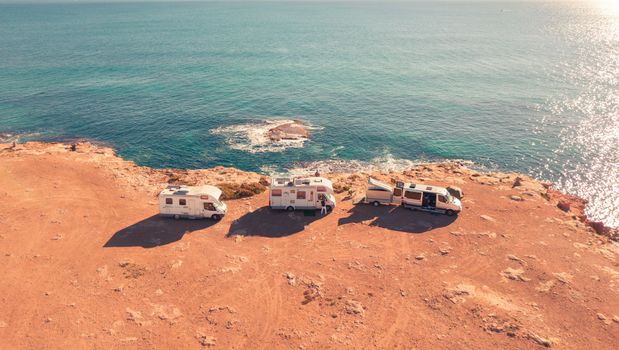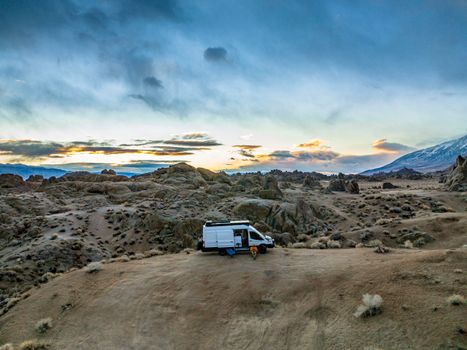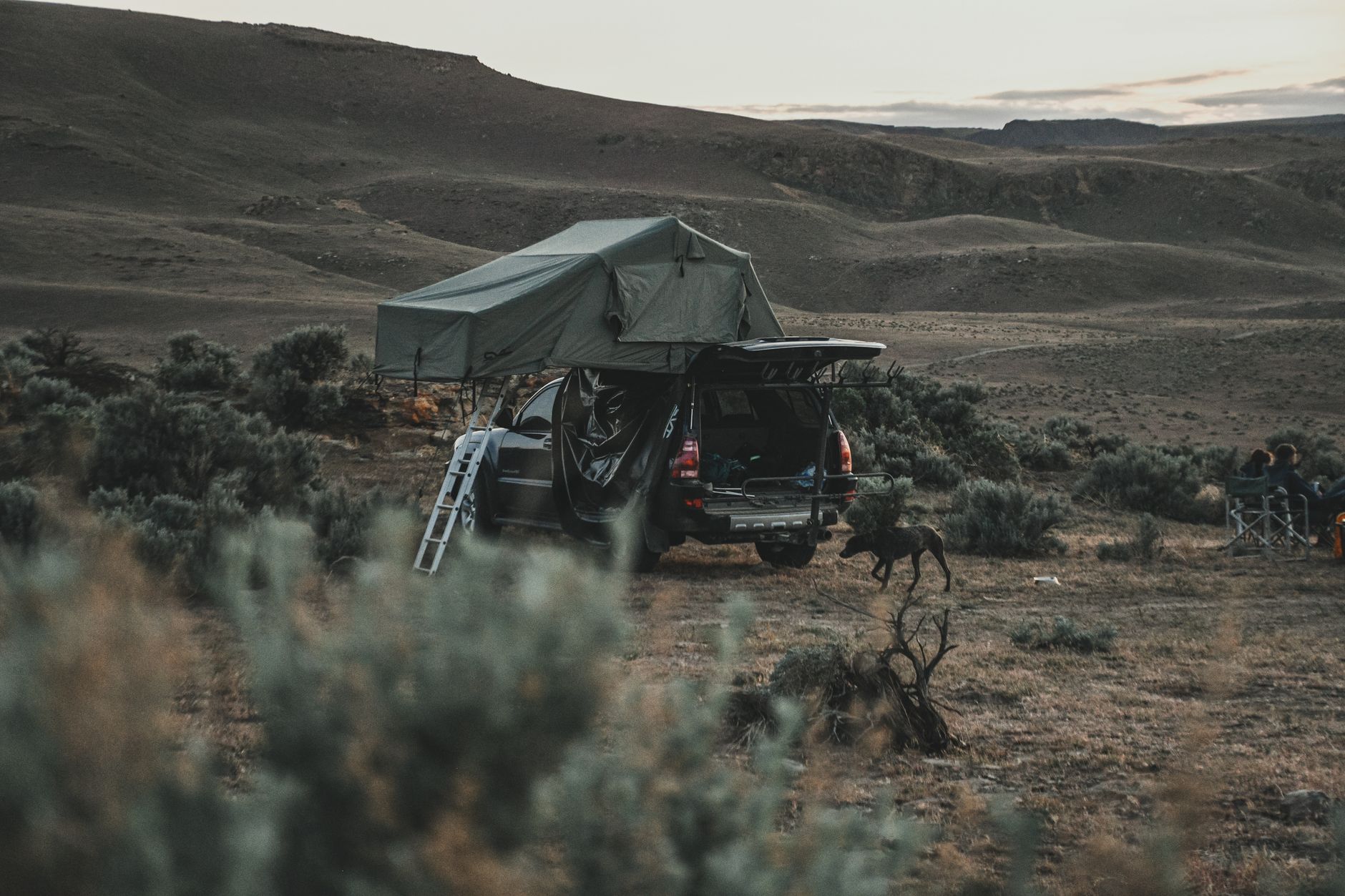
The sun dipped below the horizon, painting the Arizona desert in hues of fiery orange and deep purple. I sat on a foldable chair, a lukewarm coffee in hand, gazing out at a panorama that stretched for miles – rugged mesas, ancient saguaros, and a sky so vast it felt like I could reach out and touch the Milky Way. There wasn't another soul in sight, no buzzing RVs, no overflowing dumpsters, just the gentle whisper of the wind and the distant howl of a coyote. And the best part? This million-dollar view cost me absolutely nothing.
This wasn't some exclusive glamping retreat or a five-star resort. This was my campsite for the night, nestled on a patch of public land, far from any paved road. This was the magic of free camping, a secret whispered among seasoned road-trippers and outdoor enthusiasts, largely ignored by the glossy, curated feeds of Instagram influencers who often prefer the comfort of paid, amenity-rich campgrounds (or worse, just pose in front of them).
But I'm here to tell you: these incredible, pristine, and absolutely free camping spots exist, and they are waiting for you. For years, I chased the "perfect" campsite, booking months in advance, only to find myself crammed next to strangers, listening to their generators hum, and paying a hefty fee for the privilege. Then, a grizzled old ranger in a dusty Yellowstone general store, seeing my exasperated face, simply said, "Son, the best views ain't got a price tag." And my world changed.
This isn't just about saving money (though that's a huge bonus!). Free camping, often called dispersed camping or boondocking, is about reclaiming the true spirit of adventure. It's about solitude, self-reliance, and waking up to sunrises that belong only to you. It's about finding those truly Instagram-worthy moments that haven't been filtered, cropped, and commodified. Ready to ditch the crowds and discover your own slice of wilderness heaven? Let's dive in.
The Unwritten Rules of the Wild: Dispersed Camping 101
Before we start listing locations, it's crucial to understand the philosophy and practicalities behind free camping. This isn't your average campground with designated spots, picnic tables, and flush toilets. This is raw, unfiltered nature, and with that comes great responsibility.
What is Dispersed Camping? In the United States, most free camping happens on public lands managed by the Bureau of Land Management (BLM) and the U.S. Forest Service (USFS) within National Forests. These lands are generally open for recreation, including overnight stays, outside of developed campgrounds. The rules usually state you can camp for up to 14 days in a single spot within a 30-day period, though this can vary. You're usually expected to be at least 100-200 feet from roads, trails, and water sources.
Why It's Better (for the right kind of traveler):
- Solitude: Forget your neighbor's loud music. Here, your neighbors are deer, coyotes, and the rustling leaves.
- Views: No designated spots mean you pick your own panorama.
- Cost: It's absolutely free!
- Authenticity: A deeper connection to nature, unmediated by amenities.
The Golden Rule: Leave No Trace (LNT) This isn't just a suggestion; it's the ethical backbone of dispersed camping. If you don't practice LNT, these spots will be closed off.
- Plan Ahead & Prepare: Know the regulations for your specific area.
- Travel & Camp on Durable Surfaces: Stick to existing roads and previously used campsites.
- Dispose of Waste Properly: Pack it in, pack it out. This includes ALL trash, food scraps, and human waste (bury human waste 6-8 inches deep, 200 feet from water, trails, and camp).
- Leave What You Find: Don't take souvenirs.
- Minimize Campfire Impacts: Use existing fire rings, keep fires small, and ensure they are DEAD OUT before leaving. Check for fire bans!
- Respect Wildlife: Observe from a distance, never feed animals.
- Be Considerate of Other Visitors: Maintain quiet, respect privacy.
Essential Gear (Beyond Your Tent):
- Reliable Vehicle: Many free spots are on unpaved, sometimes rough, roads. High clearance is a huge plus.
- Water: Carry plenty! There's no spigot out here. Factor in drinking, cooking, and basic hygiene.
- Navigation: Offline maps (Gaia GPS, AllTrails Pro, Google Maps offline) are crucial. Cell service is rare.
- Waste Management: Trowel for human waste, sturdy trash bags.
- Power: Solar chargers, power banks for devices.
- First Aid Kit: You're often far from help.
- Firewood/Fire Starter: If fires are permitted.
How to Find These Hidden Gems:
- iOverlander App: A crowd-sourced database of campsites, including many free ones. My go-to!
- FreeCampsites.net: Another excellent resource, often with reviews and photos.
- BLM & USFS Websites: Look for "dispersed camping" or "boondocking" information for specific National Forests or BLM districts.
- Google Maps Satellite View: Look for flat, clear areas near dirt roads that branch off main routes within public lands.
- Talk to Rangers: The absolute best source of local, up-to-date information. They know the good spots and the current conditions.
Western Wonders: The Desert & Mountain Majesty
The American West is the undisputed king of free camping, thanks to vast tracts of BLM and National Forest lands. These are my absolute favorite playgrounds for finding solitude and epic views.
1. The Anza-Borrego Backcountry (California, near Borrego Springs) While Anza-Borrego Desert State Park itself charges for developed campgrounds, the roads leading into and around the park often cross into BLM land where dispersed camping is permitted. My first taste of true desert boondocking was here. I remember driving down a sandy washboard road, the dust plume behind me, until I found a flat spot tucked behind some ocotillo plants. The silence was profound, broken only by the chirping of crickets. That night, the stars were so bright, I felt like I could read a book by their light. It was humbling.
- Vibe: Ancient desert, incredible stargazing, unique geology.
- Best Time: Fall through Spring (summers are brutally hot).
- Tips: High clearance vehicle recommended for many of the best spots. Carry ample water, and be prepared for sand and dust. Check fire restrictions. The nearby town of Borrego Springs is a designated International Dark Sky Community – perfect for astrophotography.
- Instagram-worthy moment: A silhouette of your tent against a milky way backdrop, or a sunrise painting the badlands.
2. Arizona Strip (North of Grand Canyon, Arizona) This vast, remote area of BLM land offers some of the most dramatic and isolated camping in the Lower 48. Imagine waking up to views that feel like the Grand Canyon, but without the crowds or the entrance fee. Many spots offer distant views of the North Rim, and you're surrounded by untouched wilderness. Finding a spot here often involves following faint two-track roads for miles, but the reward is immense. I once spent three days out here, and the only other "person" I saw was a herd of wild horses.
- Vibe: Rugged, remote, classic Western vistas, deep canyons.
- Best Time: Spring and Fall. Summers are hot, winters can be cold and snowy.
- Tips: A 4x4 vehicle is highly recommended. Bring extra fuel and a full-size spare. This area is truly remote, so be self-sufficient. There are few services for hundreds of miles.
- Instagram-worthy moment: Your vehicle perched on a cliff edge, overlooking a vast canyon system, bathed in golden hour light.
3. Gunnison National Forest (Colorado, near Crested Butte/Taylor Park) While Crested Butte is a popular mountain town, head into the surrounding Gunnison National Forest, and you'll find countless opportunities for dispersed camping. My favorite memories here involve waking up to crisp mountain air, surrounded by towering pines, with the distant sound of a mountain stream. I've found incredible spots along forest service roads leading to trailheads, often with views of snow-capped peaks even in summer. One time, after a long day of hiking, I pulled into a spot overlooking a wildflower meadow, and a friendly marmot scurried past my camp.
- Vibe: Alpine forests, wildflower meadows, stunning mountain backdrops.
- Best Time: Summer and early Fall (before snow closes roads).
- Tips: Roads can be rough; check conditions with the local ranger district. Bear canisters are often recommended or required. Be aware of sudden afternoon thunderstorms.
- Instagram-worthy moment: A tent nestled among wildflowers with a backdrop of jagged peaks, or a campfire under a canopy of stars.
Forested Retreats: East Coast & Midwest Gems
While the West gets most of the dispersed camping glory, the East Coast and Midwest have their own hidden treasures, primarily within their National Forests. These spots offer a different kind of beauty – lush greenery, dense woods, and often, the soothing sound of water.
4. Monongahela National Forest (West Virginia) "The Mon," as locals call it, is a sprawling, rugged wilderness in the Appalachian Mountains. While there are developed campgrounds, numerous forest service roads offer fantastic dispersed camping. I spent a long weekend here, exploring rocky outcrops and dense forests, and found a perfect spot along a quiet dirt road, near a trickling stream. The air was thick with the smell of pine and damp earth, and I felt completely immersed in nature. It's a fantastic place to disconnect.
- Vibe: Lush Appalachian forests, winding streams, rugged terrain.
- Best Time: Spring for wildflowers, Summer for hiking, Fall for incredible foliage.
- Tips: Be prepared for humidity and bugs in summer. Cell service is spotty. Check for specific regulations on dispersed camping zones.
- Instagram-worthy moment: A misty morning view over rolling forested hills, or a vibrant fall foliage scene from your tent door.
5. Ocala National Forest (Florida) Yes, Florida! Beyond the beaches and theme parks, Ocala National Forest offers a unique dispersed camping experience in a completely different ecosystem. While some areas are designated for free camping (like the popular Juniper Prairie Wilderness, requiring a permit for certain sections), many forest roads allow for dispersed camping. I remember a trip here where I woke up to the sound of sandhill cranes, surrounded by longleaf pines. The clear, cool springs nearby are an incredible bonus for a refreshing dip.
- Vibe: Unique sand pine scrub forests, natural springs, abundant wildlife (including alligators, so be aware!).
- Best Time: Fall through Spring (summers are very hot and humid, with active mosquito populations).
- Tips: Be mindful of wildlife, especially bears and alligators. Check for specific fire restrictions and camping zones. Mosquito repellent is a must.
- Instagram-worthy moment: A clear, turquoise spring surrounded by lush greenery, or a peaceful camp among the unique Florida ecosystem.
Master the Art: Advanced Tips for the Savvy Free Camper
Once you've dipped your toes into the world of free camping, you'll want to refine your skills and find those truly legendary spots.
1. Vehicle Matters (But Not Always How You Think): While a 4x4 with high clearance is ideal for accessing the most remote and scenic spots, don't let a 2WD sedan deter you. Many National Forest and BLM roads are well-maintained gravel or dirt and accessible to most vehicles. The key is knowing your vehicle's limits and scouting ahead. Apps like iOverlander often have comments about road conditions.
2. Water Wisdom is Wealth: This is your most precious resource. Calculate your daily needs (drinking, cooking, basic washing) and add a buffer. I carry a 7-gallon water jug and often supplement with a water filter for natural sources (if available and safe). Know how to conserve.
3. Power Up, Responsibly: For longer trips, consider a portable solar panel setup to keep your devices charged. Goal Zero, Jackery, and Bluetti offer excellent portable power stations that can be topped up by solar. This allows you to stay connected (if you find service) or keep your camera ready for those epic shots.
4. Safety First, Always:
- Tell Someone: Always let a friend or family member know your itinerary and expected return.
- Download Offline Maps: Cell service is often non-existent.
- Be Bear Aware: In bear country, store all food and scented items in bear-resistant containers or hung from a tree.
- Know Your Limits: Don't attempt roads or trails beyond your skill level or vehicle's capability.
- Weather Watch: Mountain weather can change rapidly. Desert flash floods are a real danger.
5. The "Secret Sauce" for Finding the BEST Spots:
- Satellite View is Your Friend: On Google Maps or Gaia GPS, zoom in on public land areas. Look for faint tracks, clearings, or flat spots off main roads.
- Read Reviews (but take with a grain of salt): iOverlander and FreeCampsites.net are great, but sometimes the "best" spots are the ones with fewer reviews.
- Local Knowledge: As mentioned, talk to rangers. They are a goldmine of information about current conditions, fire bans, and often, those truly incredible, lesser-known spots.
- Drive Less, Explore More: Sometimes, the best spot is just a mile or two down a dirt road you initially overlooked. Don't be afraid to pull over and walk around to scout.
Embrace the Adventure, Leave Only Footprints
Free camping isn't just a way to save money; it's a philosophy of travel. It's about seeking out the path less traveled, embracing self-sufficiency, and connecting with nature on a deeper, more personal level. It's about finding those truly Instagram-worthy moments that aren't staged or filtered, but genuinely earned through a spirit of adventure.
So, the next time you're planning a trip, don't just default to the crowded, overpriced campgrounds. Open up your map, look for those green and yellow swaths of public land, and dare to venture down a dirt road. You might just discover your new favorite view, a place so stunning and peaceful, you'll wonder why anyone ever pays for a campsite.
The influencers might not want you to know these secrets because they thrive on exclusivity and curated experiences. But for us, the real adventurers, the joy is in the discovery, the freedom, and the unparalleled beauty of the wild.
What's your favorite free camping spot you've discovered? Share your tips and locations in the comments below using #TripsoraFreeCamp! Let's build a community of responsible, adventurous free campers!
---