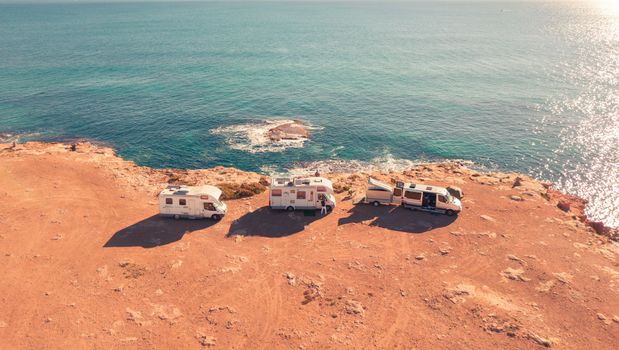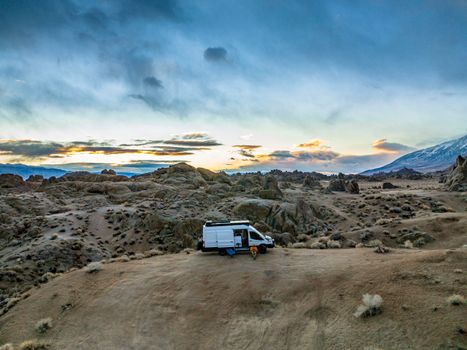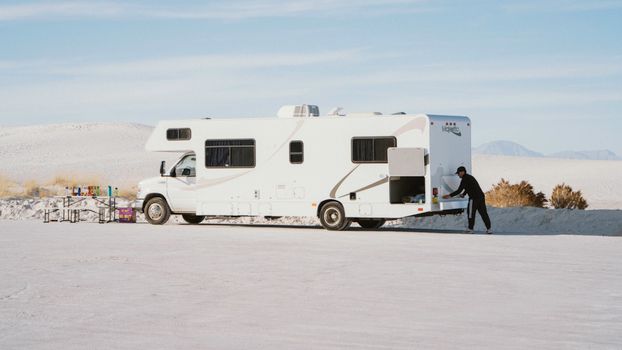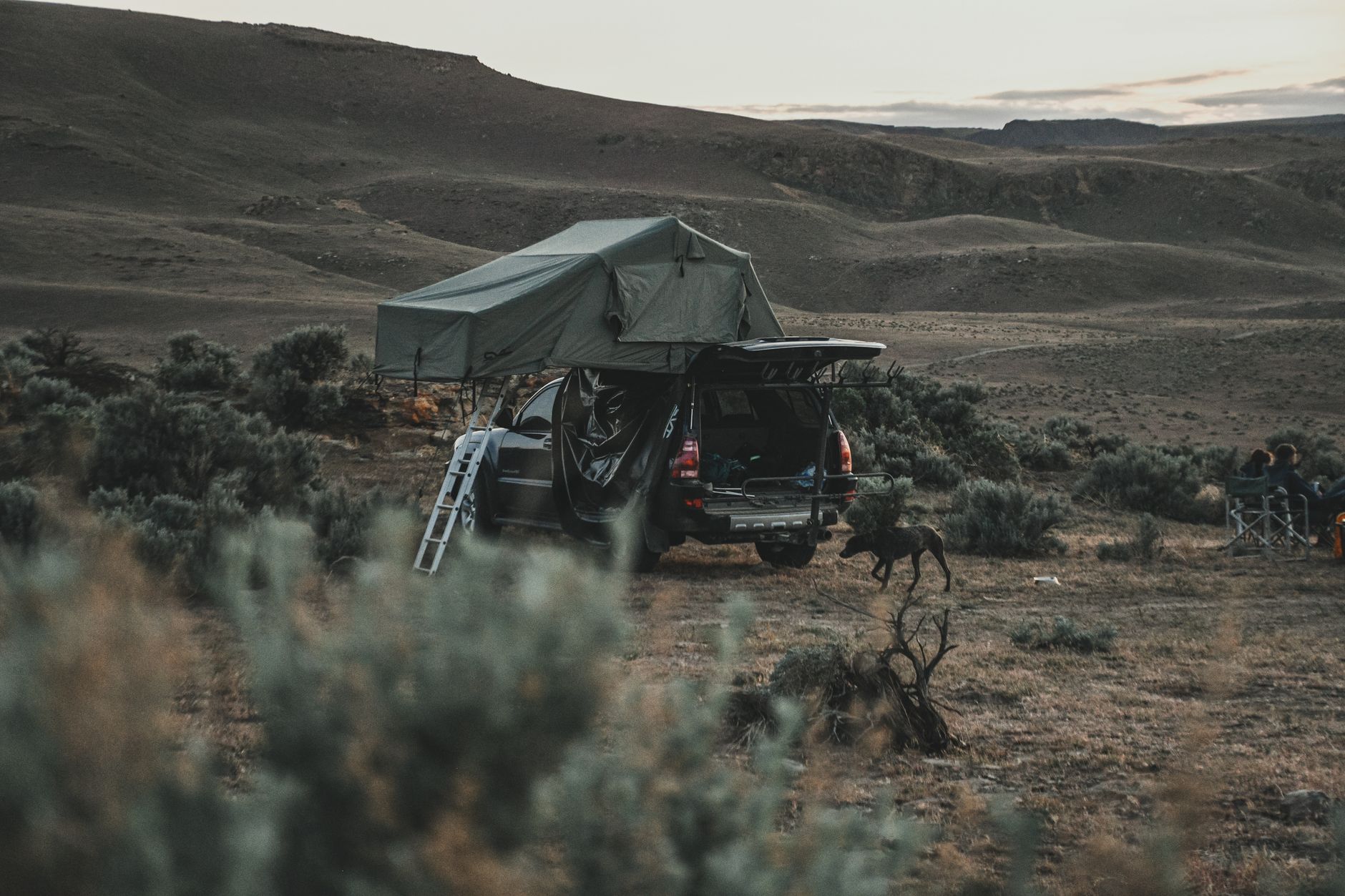
Free camping can put you under open skies at no site fee, often in places that paid campgrounds never reach. Options range from designated sites on public land to informal overnight stops, and the rules differ sharply between countries, states, regions and even individual parcels of land. Good preparation is what separates a relaxed night from a fine or an uncomfortable encounter with a land manager. This guide explains how to research options, choose sites responsibly, and prepare for the practical needs of camping without facilities.
Start with the rules where you plan to stay
Camping rules are set locally, not globally. In some countries, national forests or public lands allow dispersed camping under conditions such as minimum distances from water, trails and roads, or limits on how long you can stay in one spot. In other places, camping outside designated grounds is restricted, and motorhome parking may be allowed while tent camping is not. Before you go, check the official website of the managing body, such as a national park service, forestry department, regional council or land agency. Rules on fires, vehicle access, toilets and waste are often stricter than the camping rules themselves. Restrictions can change with the season, after wildfire or drought, or after local incidents, so check current notices rather than relying on older guidebooks or forum posts.
Understanding the main types of free camping
Free camping broadly falls into a few categories. Dispersed camping on public land usually means camping away from developed facilities, with no water, toilets or marked pitches. Some regions have designated free sites, often basic, with a few spaces and perhaps a water point. Motorhome and campervan areas in parts of Europe may offer free or low-cost overnight parking with limited services, and the rules vary by town. Roadside rest areas are sometimes allowed for brief rest only, with time limits. Private land can be an option through farm stay arrangements or direct permission from the landowner, but that requires a clear agreement in advance. Each type carries different expectations, so match your plan to the category you are actually using.
Choosing a considerate spot
Where camping is legal, choose areas that are already used, because this reduces the spread of impact. Look for firm, durable surfaces such as gravel, rock or existing clearings, and avoid meadows, fragile vegetation and the edges of lakes and streams. Set up well away from water sources, at the distances specified in local regulations. Check the ground for hazards such as dead branches, unstable slopes, dry creek beds that can flood, and loose rock above your tent. Consider noise and visibility, since nearby residents or other visitors may have chosen the area for its quiet. Arriving before dark gives you time to assess the spot clearly and to move if conditions are poor.
Applying leave-no-trace principles
The Leave No Trace principles are widely used as a practical framework for outdoor visitors. Plan ahead so you can pack out what you bring in. Dispose of waste properly. Where there are no toilets, human waste typically needs to be buried in a shallow hole at a recommended distance from water and trails, though some areas require carrying waste out, so check local rules. Leave natural objects where you find them, and avoid cutting branches for firewood. Keep campfires small and follow fire restrictions, which can be imposed quickly during dry conditions. Respect wildlife by storing food securely, and be considerate of other visitors by keeping noise low and parking neatly.
Planning for comfort and safety
Free sites usually lack the services of paid campgrounds, so bring what you need. Carry enough water or a reliable treatment method, pack food that does not require refrigeration if you have no cooler, and bring a basic first aid kit. Mobile phone coverage can be limited or absent, so download offline maps and tell someone your route and expected return time. Check weather forecasts from a reliable source and understand the risks of heat, cold, wind and flash flooding in the area. Warm layers, a headlamp and a clear plan for cooking and waste will make a large difference. Also confirm whether passenger vehicles can reach the site, since some access tracks require high clearance or four-wheel drive, especially after rain.
Practical tips
- Check the managing agency's current website and notices before every trip.
- Carry a printed or downloaded map, and do not rely on a single navigation app.
- Note the nearest hospital, ranger station or emergency contact along your route.
- Arrive with daylight to spare, and leave the site as you found it or better.
- Bring a small bag for litter, including any left by earlier visitors.
Free camping rewards preparation. When you know the local rules, pick a suitable spot with care and carry what you need for safety and comfort, you can enjoy landscapes that are often quiet and memorable. Most of the effort happens before you leave, in the research and the planning, and it is the habit of following the guidance of the people who manage the land that keeps these options open for everyone.