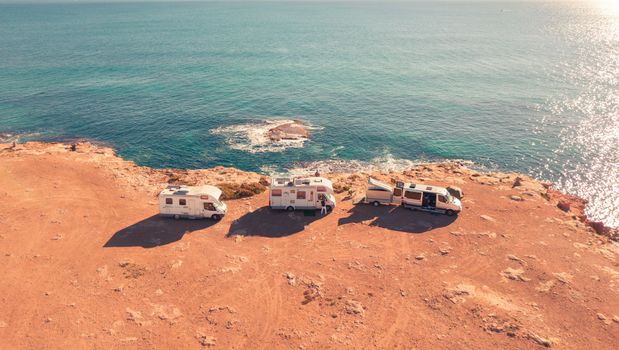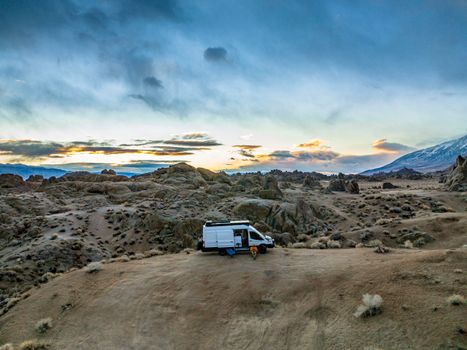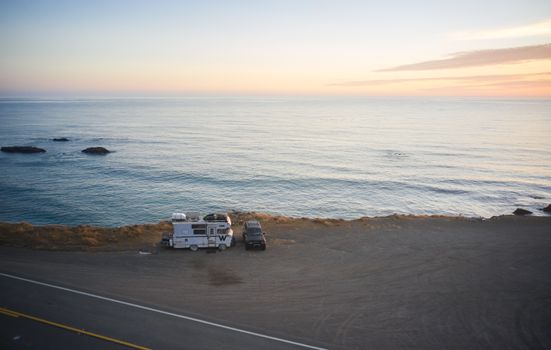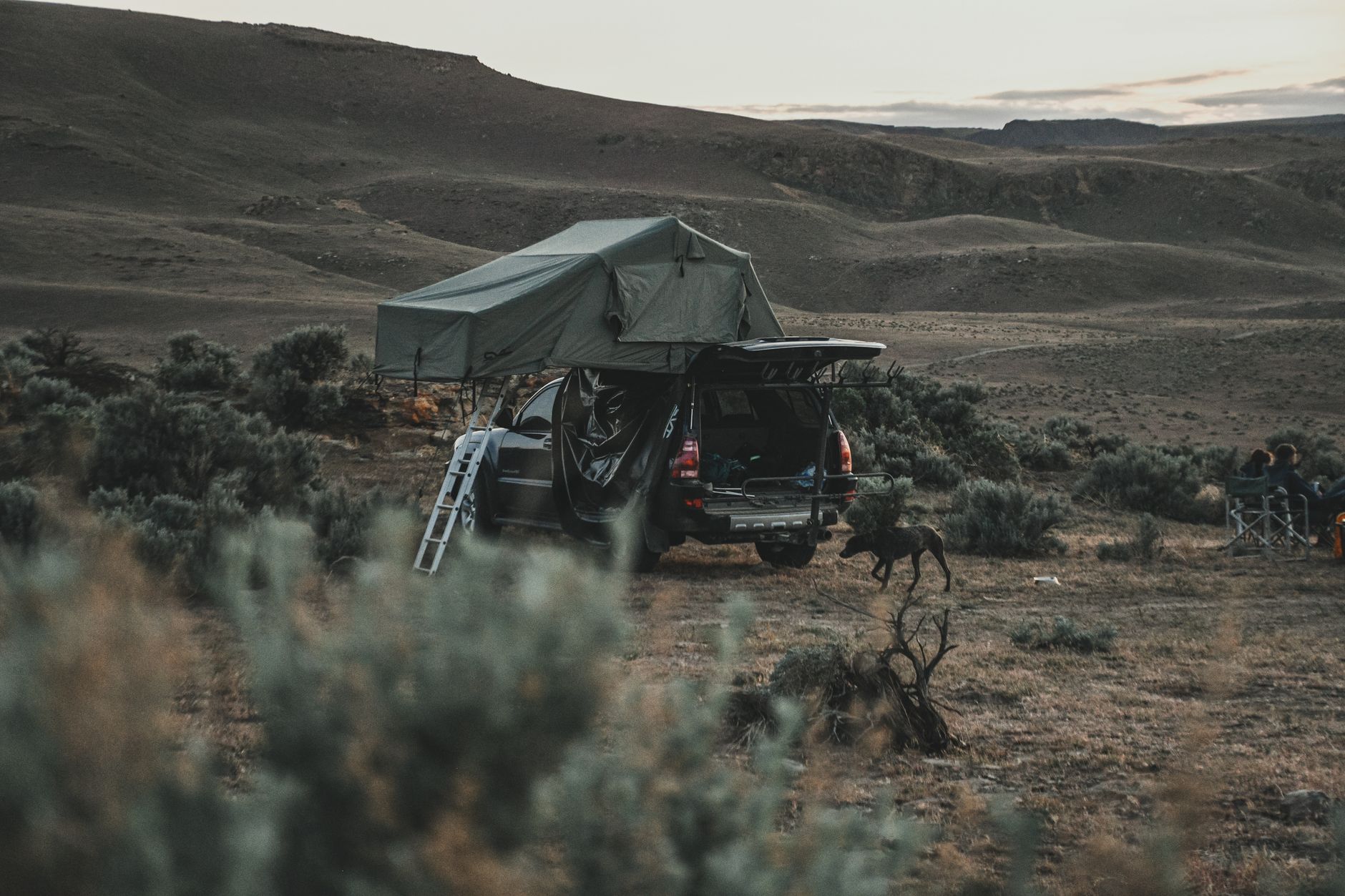
The first time I truly understood the meaning of freedom, I was parked on a dusty mesa overlooking a canyon painted in hues of ochre and rust, a million stars blazing overhead, and not another soul in sight. My "campsite" cost precisely zero dollars. No reservation, no check-in, no noisy neighbors. Just me, my trusty old van, and the vast, silent majesty of the American West.
Before that moment, "camping" meant designated sites, picnic tables, and often, a surprising amount of other people. But a few years ago, facing a dwindling travel budget and an insatiable wanderlust, I stumbled upon the concept of "dispersed camping" – pitching your tent or parking your rig on public lands for free. What started as a financial necessity quickly morphed into a profound, life-altering experience. It wasn't just about saving money; it was about unlocking a deeper connection to nature, fostering self-reliance, and discovering corners of the world I never knew existed.
These aren't your typical campgrounds. These are wild, untamed spaces where the only amenities are what you bring with you, and the only sounds are the whispers of the wind and the call of the wild. And let me tell you, these incredible, free camping spots changed my life forever. They taught me resilience, instilled a deep sense of peace, and offered views that no five-star hotel could ever rival.
Ready to trade the mundane for the magnificent? Here are some of the most incredible free camping experiences that have shaped my journey, along with everything you need to know to find your own slice of wilderness.
---
1. Utah's Red Rock Canyons: Where Time Stands Still
There's a reason Utah's landscapes are iconic. But beyond the bustling National Parks, endless miles of Bureau of Land Management (BLM) land offer unparalleled boondocking opportunities. My first truly transformative free camping experience happened in the shadow of the Moki Dugway, near Valley of the Gods.
I remember arriving late, the last sliver of sun painting the towering sandstone monoliths in fiery oranges and deep purples. We bumped down a gravel road, following faint tracks until we found a flat spot tucked between two colossal rock formations. That night, the silence was absolute, broken only by the occasional hoot of an owl. Waking up, stepping out of the van, and seeing the entire valley bathed in the soft glow of dawn was an almost spiritual experience. The air was crisp, carrying the faint scent of juniper, and the scale of the landscape made me feel wonderfully small and utterly connected.
Why it's life-changing: Imagine having a natural cathedral as your backyard. The sheer vastness and ancient beauty of these places are humbling. You feel like an explorer, discovering secrets of a forgotten world. The sunrises and sunsets here are legendary, painting the sky with colors that defy description and leaving you breathless.
Details: BLM land is abundant around Moab, Escalante, and the Bears Ears National Monument area. Look for designated dispersed camping areas or simply follow well-maintained dirt roads that branch off main highways. Always check the BLM website or local visitor centers for current regulations and fire restrictions. Prices? Absolutely free.
---
2. Colorado's Rocky Mountain High: Alpine Dreams & Starlit Nights
Colorado isn't just for ski resorts and craft beer; it's a paradise for free campers, especially in its sprawling National Forests. One unforgettable spot was deep within the Gunnison National Forest, a winding dirt road leading us high into the mountains outside of Crested Butte.
We found a perfect clearing near a rushing glacial creek, surrounded by towering pines and aspens. The air was thin and cool, even in summer, and the scent of pine needles was intoxicating. After a day of hiking through wildflower meadows, we cooked a simple meal over our portable stove, the sound of the creek a constant, soothing lullaby. As darkness fell, the stars emerged, not just a few twinkling lights, but a thick, swirling tapestry of the Milky Way stretching across the inky black sky. I've never seen so many stars – it felt like we could reach out and touch them. That night, huddled in our sleeping bags, listening to the wind rustle through the trees, was pure magic.
Why it's life-changing: The sheer majesty of the Rockies from a secluded campsite is unparalleled. The crisp air, the vibrant wildflowers, the opportunity for incredible hiking right from your doorstep, and those stars. It's a place where you truly feel immersed in untamed nature, far from any human construct.
Details: National Forests like Gunnison, San Juan, and White River offer extensive dispersed camping. Look for Forest Service Roads (FS roads) that allow camping, usually marked with signage. Always check with the local Ranger District for specific rules, road conditions (some require high-clearance vehicles), and any fire bans. Free, as long as you follow the rules.
---
3. Arizona's Sonoran Desert: Desert Serenity & Ancient Whispers
The desert might seem harsh, but its beauty is profound, especially when you find a secluded spot to camp for free. The vast Sonoran Desert in Arizona, particularly on BLM and Forest Service land surrounding iconic areas like Sedona and Quartzsite, offers a unique kind of serenity.
One late autumn, we scored a spot on a Forest Service road just outside of Sedona. The red rock formations glowed with an almost supernatural light as the sun dipped below the horizon, painting the sky in fiery oranges, purples, and deep blues. Later, the desert came alive with sounds – the distant howl of coyotes, the rustle of unseen creatures. But mostly, it was quiet. A deep, pervasive quiet that sinks into your bones and calms the busiest mind. We sat by a small, contained campfire, marveling at the silhouettes of saguaros against the starlit sky, feeling the ancient energy of the land.
Why it's life-changing: The desert teaches you patience and appreciation for subtle beauty. The sunsets are legendary, the night skies are vast, and the unique flora and fauna are endlessly fascinating. It's a place of profound stillness that encourages introspection and a deep connection to the earth's rhythms.
Details: Around Sedona, look for Forest Service Roads off major highways (e.g., Highway 89A). Near Quartzsite, vast tracts of BLM land are open for dispersed camping, especially popular with snowbirds in winter. Always be mindful of fragile desert ecosystems, pack out everything, and watch for wildlife. Free, with the added bonus of incredible warmth in winter.
---
4. Pacific Northwest's Emerald Embrace: Forest Bathing & Coastal Views
While the PNW is known for its lush, rainy forests, it also boasts incredible free camping opportunities, especially in its National Forests. The Olympic National Forest in Washington, wrapping around the famous National Park, offers a taste of ancient, moss-draped wilderness without the fees.
Our experience involved navigating a winding, sometimes muddy, Forest Service road deep into the temperate rainforest. We found a small, secluded spot right by a gurgling stream, surrounded by colossal old-growth trees draped in emerald moss. The air was thick with the scent of damp earth and pine, and the constant sound of rushing water was incredibly soothing. We spent our days hiking through misty trails, marveling at the towering trees and ferns. One morning, we drove a short distance to a rugged, wild beach, gathering driftwood and watching the powerful Pacific waves crash against the shore. It was the perfect blend of dense forest solitude and invigorating coastal wildness.
Why it's life-changing: This region offers a unique sensory experience. The "forest bathing" effect is real – the damp air, the rich earthy smells, the vibrant greens, and the pervasive quiet (save for the stream) are incredibly restorative. It’s a reminder of the power and ancient beauty of untouched nature.
Details: Explore Forest Service roads within Olympic National Forest or Gifford Pinchot National Forest. Many roads are gravel and can be rough, so check conditions. Be prepared for rain, even in summer, and always practice Leave No Trace, especially with fire safety in these dense forests. Free.
---
5. Wyoming's Grandeur: Gateway to Giants
While Yellowstone and Grand Teton National Parks charge fees, the surrounding National Forests and BLM land in Wyoming offer some of the most spectacular free camping in the country, often with views of the iconic Teton range.
One summer, we found an incredible spot on Bridger-Teton National Forest land just outside of Grand Teton National Park. From our campsite, a short hike up a small rise revealed an unobstructed, panoramic view of the majestic Teton peaks. It was surreal – having a million-dollar view for free. We spent our evenings watching elk graze in the distant meadows, the setting sun casting long shadows across the mountains. One morning, a moose ambled by our camp, completely unconcerned by our presence. The vastness of the landscape, the incredible wildlife, and the feeling of being on the edge of true wilderness was simply breathtaking.
Why it's life-changing: You get the grandeur of the National Parks without the crowds or the cost. It’s an immersion into a truly wild ecosystem, offering incredible wildlife viewing and unparalleled scenic beauty that feels both epic and intimately personal.
Details: Look for dispersed camping opportunities on Bridger-Teton National Forest roads near Jackson Hole and the parks. Always check with the local Forest Service office for current information on open roads, bear safety, and regulations. Wildlife is abundant, so secure all food and practice bear awareness. Free.
---
6. The Unseen Benefits: More Than Just "Free"
Beyond the obvious financial savings, free camping has offered me so much more. It's a journey into self-discovery and a re-evaluation of what truly matters.
- Profound Solitude: In a world constantly buzzing with notifications and demands, finding true silence and solitude is a rare gift. Dispersed camping offers this in spades, allowing for deep introspection and a chance to truly disconnect.
- Connection to Nature: There's nothing quite like waking up with the sun, falling asleep under a canopy of stars, and having the wilderness as your immediate neighbor. It fosters a deep appreciation for natural ecosystems and a desire to protect them.
- Self-Reliance & Resourcefulness: When you're responsible for all your needs – water, food, shelter, waste management – you become incredibly resourceful. It's empowering to know you can thrive with minimal amenities.
- Breaking Free from Consumerism: Free camping strips away the need for expensive resorts or curated experiences. It reminds you that the greatest luxuries are often the simplest: a breathtaking view, clean air, and good company (or solitude).
- Perspective Shift: Staring up at the Milky Way from a remote desert or mountain campsite makes your daily worries seem incredibly small. It instills a sense of wonder and humility that truly changes your perspective on life.
---
7. Your Guide to Finding & Thriving: Practical Tips for Free Camping
Ready to embark on your own life-changing adventure? Here's what you need to know:
A. How to Find Free Camping Spots:
- Public Lands are Your Friend: In the US, the vast majority of free camping is on lands managed by the Bureau of Land Management (BLM) and the US Forest Service (USFS). These agencies manage millions of acres across the country, especially in the West.
- Apps & Websites:
- iOverlander: My absolute favorite. A crowd-sourced app with user-submitted spots, reviews, photos, and details on amenities (or lack thereof). Essential for road trips.
- FreeCampsites.net: Another great resource for finding free and low-cost campsites.
- The Dyrt (Pro version): Offers offline maps and filters for dispersed camping.
- Maps & Local Knowledge:
- Gaia GPS / OnX Offroad: Excellent mapping apps that show public land boundaries (BLM, USFS, State Land).
- Google Maps (Satellite View): Look for dirt roads branching off main highways into undeveloped areas.
- Local Ranger Stations/Visitor Centers: Always stop in! Rangers are a wealth of information on current conditions, fire restrictions, and legal camping areas.
B. Essential Gear:
- Reliable Vehicle: You'll often be on unpaved roads. High clearance and 4WD are a bonus but not always necessary.
- Water Storage: This is paramount. Bring more than you think you need for drinking, cooking, and basic hygiene.
- Waste Management:
- Trash Bags: Pack out everything you pack in.
- Human Waste: For solid waste, dig a "cathole" 6-8 inches deep and at least 200 feet from water sources, trails, and campsites. Pack out toilet paper. For liquids, scatter widely.
- Navigation: GPS (phone or dedicated unit), physical maps, and a compass. Cell service is often nonexistent.
- Shelter: Tent, van, RV – whatever suits your style.
- Cooking Setup: Portable stove, cooler, basic cookware.
- Safety: First-aid kit, headlamp, extra layers, fire extinguisher (if having a fire), bear spray (in bear country).
- Comfort: Camp chairs, a good book, binoculars for wildlife.
C. Leave No Trace Principles (Crucial for Free Camping!):
Free camping often means no facilities, so respecting the environment is paramount to keeping these places open and beautiful.
- Plan Ahead & Prepare: Know the regulations, weather, and potential hazards.
- Travel & Camp on Durable Surfaces: Stick to existing roads and established campsites. Avoid creating new ones.
- Dispose of Waste Properly: Pack it in, pack it out. This includes food scraps.
- Leave What You Find: Don't take souvenirs. Leave natural objects and cultural artifacts undisturbed.
- Minimize Campfire Impacts: Use established fire rings if available, keep fires small, and ensure they are completely out before leaving. Check for fire bans!
- Respect Wildlife: Observe from a distance, never feed animals, and store food securely.
- Be Considerate of Other Visitors: Camp away from others, keep noise down, and enjoy the solitude.
---
Ready to Find Your Own Wild Freedom?
Free camping isn't just about saving a few bucks; it's about reclaiming a piece of your adventurous spirit, challenging yourself, and connecting with the earth on a profound level. It's about waking up to sunrises that belong only to you, falling asleep under a blanket of stars so thick you feel like you could touch them, and discovering the incredible resilience and peace within yourself.
These experiences have changed my life, reshaping my priorities and deepening my appreciation for the simple, raw beauty of the world. They’ve shown me that the greatest adventures often come with the smallest price tag.
So, what are you waiting for? Pack your bags, fuel up your vehicle, and let the open road lead you to your own life-changing, free camping adventure. The wilderness is calling, and trust me, it’s an invitation you won’t regret accepting.
Where will your first free camping adventure take you? Share your dream spot or your favorite past experience in the comments below! And don't forget to share this guide with your fellow adventurers!