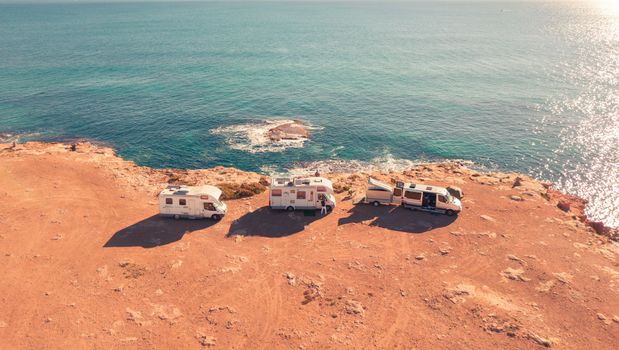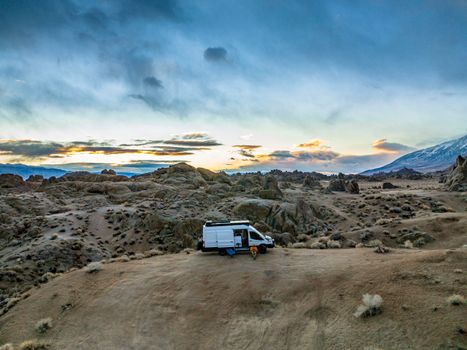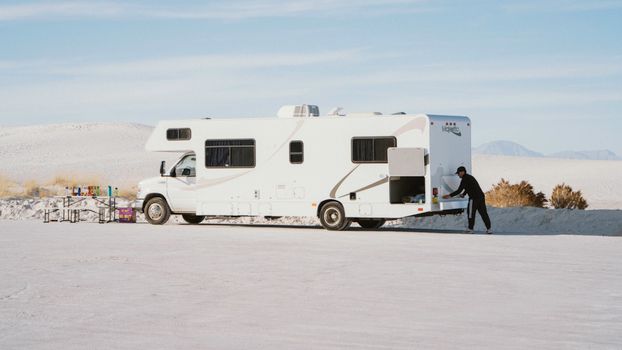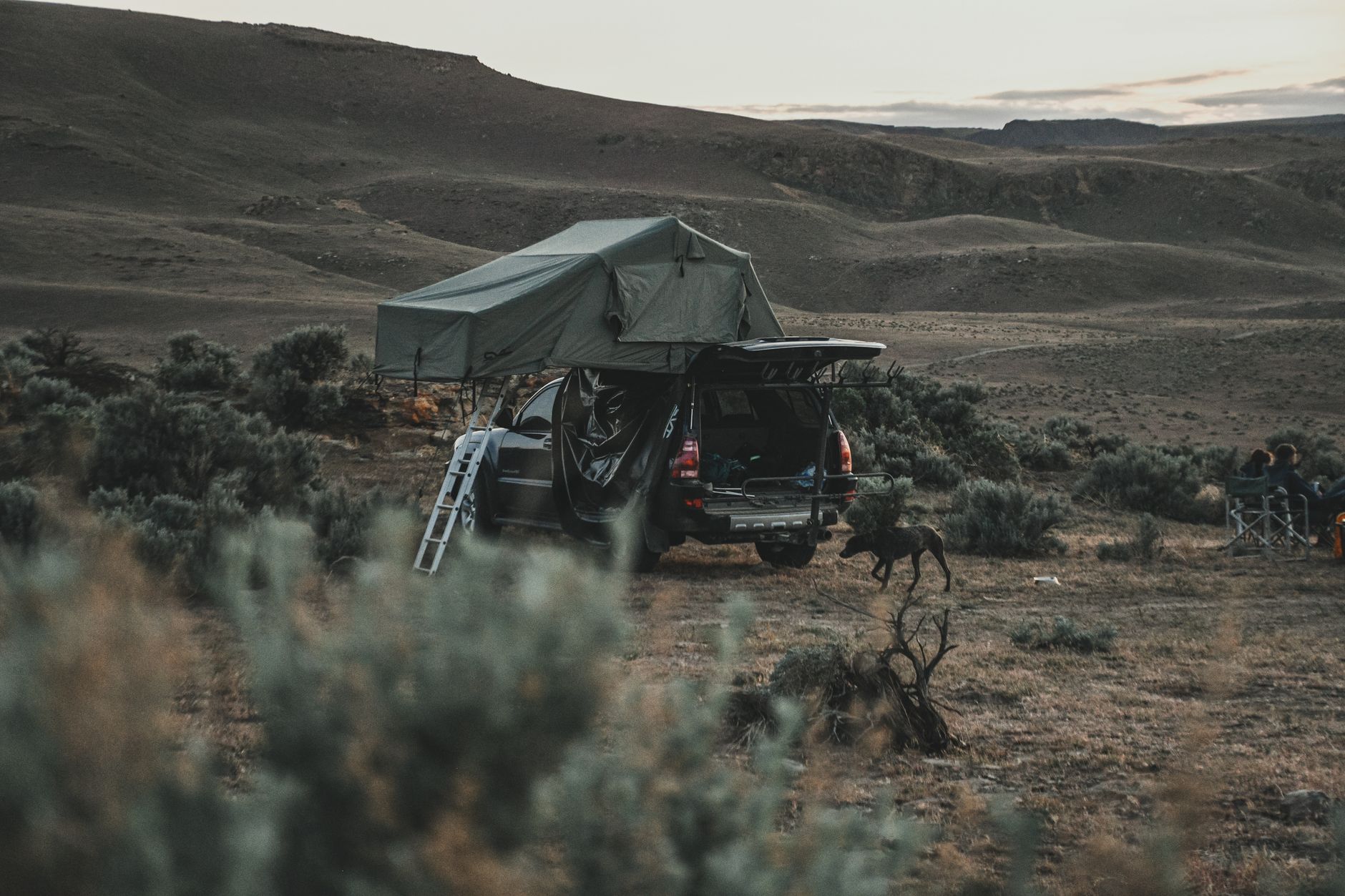
The scent of pine needles, the crisp morning air, the first rays of sun painting the mountaintops in hues of orange and gold. My coffee tastes better, my soul feels lighter, and my wallet is, well, exactly where it was yesterday. Why? Because I'm free camping, baby!
I still vividly remember my first taste of true dispersed camping. It was deep in the Anza-Borrego Desert, years ago. I’d driven hours off the main highway, following a dusty track until the pavement gave way to pure, unadulterated wilderness. Setting up my tent as the sun dipped below the horizon, painting the badlands in fiery colors, I felt a connection to nature I’d never experienced in a crowded campground. That night, the Milky Way stretched across the sky like a glittering silk scarf, so bright I could almost touch it. There wasn't another human in sight, just me, the desert, and a symphony of coyotes. And it cost me absolutely nothing.
That moment wasn't just a camping trip; it was a revelation. It sparked a passion for discovering those hidden gems, those incredible, trending spots where you can truly immerse yourself in nature without breaking the bank. And today, I'm pulling back the curtain on some of my favorite, most talked-about free camping havens.
The Irresistible Lure of the Wild: Why Free Camping is Trending
In an era where everything seems to be getting more expensive, the idea of a completely free adventure is more appealing than ever. But free camping, often called "boondocking" or "dispersed camping," offers so much more than just saving a few bucks.
Unparalleled Freedom: Forget designated spots, quiet hours, and neighbors you can hear breathing. Free camping means choosing your own slice of paradise, often with acres of space to call your own. You set your own rules (within legal and ethical boundaries, of course!).
Authentic Wilderness Immersion: These spots are rarely manicured. They're raw, rugged, and real. You're not just observing nature; you're living in it. This means more wildlife sightings, darker night skies, and a deeper connection to the environment.
Budget-Friendly Adventures: Let's be honest, travel can be expensive. By eliminating accommodation costs, you free up your budget for other experiences – a fancy meal in a nearby town, a guided tour, or simply extending your trip. It's the ultimate hack for long-term travelers, van lifers, and weekend warriors alike.
Instagram-Worthy Views (Without the Crowds): While some of these spots are gaining popularity, they still offer a level of solitude and breathtaking scenery that's hard to find in developed campgrounds. Imagine sharing a photo of your morning coffee with a backdrop that looks straight out of a postcard – no other tents or RVs in sight!
Decoding the Art of Dispersed Camping: What You Need to Know
Before you pack your bags and hit the road, it's crucial to understand the "how-to" of free camping. It’s not just parking anywhere; it's about responsible, informed adventuring.
What is Dispersed Camping/Boondocking? Simply put, it's camping on public lands outside of developed campgrounds. In the United States, this primarily means Bureau of Land Management (BLM) land and National Forests (USFS). These lands are managed for multiple uses, including recreation, and often permit free camping for up to 14 days in a single spot (rules vary, always check).
The Golden Rule: Leave No Trace (LNT) This isn't just a suggestion; it's a commandment. Our ability to enjoy these incredible free spots depends entirely on respecting them.
- Plan Ahead & Prepare: Know the regulations for your specific area.
- Travel & Camp on Durable Surfaces: Stick to existing roads and campsites.
- Dispose of Waste Properly: Pack out everything – including human waste if no facilities are available (wag bags are your friend!).
- Leave What You Find: Don't disturb cultural or natural objects.
- Minimize Campfire Impacts: Use existing fire rings, keep fires small, and ensure they are completely out. Check for fire bans!
- Respect Wildlife: Keep your distance and never feed animals.
- Be Considerate of Other Visitors: Keep noise down, especially at night.
Legalities & Logistics:
- Check Regulations: Always verify the specific rules for the area you plan to visit. Websites like BLM.gov, FS.usda.gov, and specific state park sites are invaluable.
- Road Conditions: Many free camping spots are accessed via unpaved, sometimes rough roads. A high-clearance vehicle is often recommended, and 4x4 can be essential for more remote spots.
- No Amenities: Expect no water, no toilets, no trash cans. You are completely self-sufficient. This means packing in all your water and packing out all your waste.
- Permits: While the camping itself is free, some areas (especially popular ones or those within National Parks) might require a free permit for backcountry access or a recreation pass for entry (like the America the Beautiful Pass).
Trending Free Camping Havens: North America Edition
Alright, let's get to the good stuff! These are some of the most talked-about, visually stunning, and truly incredible free camping spots that are capturing the hearts of adventurers right now.
1. Anza-Borrego Desert State Park, California, USA: The Stargazer's Paradise
Why it's Trending: Anza-Borrego is California's largest state park, a vast expanse of badlands, slot canyons, and palm oases. It's renowned for its incredible desert wildflowers in spring, unique geological formations, and, most famously, its status as an International Dark Sky Park. For stargazers, photographers, and those seeking profound solitude, it's unparalleled.
My Experience: My first encounter with free camping, as I mentioned, was here. I still remember pulling off S-22 onto a dirt track leading into Blair Valley. The silence was immediate, profound. As dusk settled, the sky began its nightly transformation. I’ve seen starry skies before, but Anza-Borrego's darkness is something else entirely. The Milky Way was a river of light, and shooting stars streaked across the inky canvas with astonishing frequency. I spent hours outside, simply mesmerized. Waking up to the desert sunrise, with the air still cool and the colors shifting from deep purple to fiery orange, was pure magic. No cell service, no distractions, just me and the universe.
Details for Your Trip:
- Location: Southern California, east of San Diego.
- Camping: Dispersed camping is allowed virtually anywhere within the park, 20 feet off any road. Popular areas include Blair Valley (easy access, often a few other campers), Fish Creek Wash (more remote, often requires 4x4), and sites off S-22 near the Fonts Point turnoff.
- Price: FREE! No entrance fee to the park, no camping fees for dispersed sites.
- Amenities: None. You must be entirely self-sufficient. Pack in all water (and I mean ALL – you'll need more than you think in the desert), and pack out all trash and human waste.
- Best Time to Visit: Fall through Spring (October to April) to avoid extreme summer heat. March is peak wildflower season.
- Instagram-Worthy Moment: The night sky! Capture long exposures of the Milky Way, or a sunrise shot over the sculpted badlands. The metal sculptures around Borrego Springs are also a fun photo op.
2. Big Bend National Park (Adjacent BLM Land), Texas, USA: Where the Desert Meets the Mountains
Why it's Trending: Big Bend is a place of epic scale and rugged beauty, a true frontier where the Chihuahuan Desert meets the Chisos Mountains and the Rio Grande carves its way through dramatic canyons. While camping within the National Park requires fees and reservations, the surrounding Bureau of Land Management (BLM) lands offer incredible, free boondocking opportunities that still give you access to the park's wonders.
My Experience: The vastness of Big Bend is humbling. I remember driving for what felt like forever on gravel roads outside the park, the landscape unfolding like a wild canvas. We found a stunning spot on BLM land off Terlingua Ranch Road, with panoramic views of the distant Chisos Mountains. The sunsets here are legendary – the sky ablaze with color, then fading into an inky blackness that showcases an unbelievable array of stars. One morning, I woke to the distinct call of a roadrunner, and later, spotted javelina foraging in the distance. It felt like stepping back in time, to a wilder, untamed America. The ability to explore the park during the day – hike the Lost Mine Trail, float the Rio Grande, or soak in the hot springs – and then retreat to our free, solitary camp spot was the perfect balance.
Details for Your Trip:
- Location: Southwest Texas, along the US-Mexico border.
- Camping: While the National Park itself has fees, ample free dispersed camping is available on BLM land surrounding the park, particularly north of Terlingua and Marathon. Look for pull-offs and established primitive sites along roads like Terlingua Ranch Road or areas accessible from US-385.
- Price: FREE on BLM land. National Park entrance fee applies if you enter the park itself ($30/vehicle for 7 days, or America the Beautiful Pass).
- Amenities: None on BLM land. Park amenities (visitor centers, limited water, restrooms) are available within Big Bend National Park.
- Best Time to Visit: Fall through Spring (November to April) to avoid scorching summer temperatures.
- Instagram-Worthy Moment: Sunset over the Chisos Mountains, a wide-angle shot of your camp with the vast desert stretching out, or a night sky photo capturing the Big Bend's incredible dark skies.
3. Grand Staircase-Escalante National Monument, Utah, USA: Red Rock Wonderland
Why it's Trending: Utah's national parks might get all the glory, but Grand Staircase-Escalante National Monument (GSENM) offers equally stunning landscapes – slot canyons, towering cliffs, vast plateaus – with far fewer crowds and abundant free camping. It's a mecca for hikers, photographers, and anyone who loves dramatic red rock scenery.
My Experience: Utah holds a special place in my heart, and GSENM is a prime example of why. I recall one particular trip driving along Hole-in-the-Rock Road, a rugged dirt track that leads to some of the most incredible slot canyons. We found a perfect, flat spot for our van with expansive views of the monument's layered geology. The silence was broken only by the whisper of the wind. We spent our days exploring Peek-a-Boo and Spooky Gulch, scrambling through narrow passages, and returning to our camp feeling utterly exhilarated. The vibrant oranges, reds, and purples of the rock formations at sunrise and sunset are truly unforgettable. There's a raw, untamed beauty here that makes you feel like an early explorer.
Details for Your Trip:
- Location: Southern Utah, between Bryce Canyon and Capitol Reef National Parks.
- Camping: Extensive free dispersed camping is allowed throughout GSENM, generally within 150 feet of designated roads. Popular areas include Hole-in-the-Rock Road, Cottonwood Canyon Road, and various pull-offs along Highway 12. Always look for existing fire rings and camp on durable surfaces.
- Price: FREE! No entrance fees or camping fees.
- Amenities: None. Be prepared for self-sufficiency. Water sources are extremely limited; pack in all you need.
- Best Time to Visit: Spring and Fall for comfortable hiking temperatures. Summer can be extremely hot, and winter brings snow and cold.
- Instagram-Worthy Moment: Your camp nestled among the red rock formations, a panoramic shot from a high viewpoint, or a selfie emerging from a narrow slot canyon.
4. White Mountain National Forest, New Hampshire, USA: Northeastern Wilderness Retreat
Why it's Trending: Shifting gears from desert and red rock, the White Mountain National Forest (WMNF) offers a completely different, yet equally captivating, free camping experience. With its lush forests, pristine rivers, and rugged peaks, it’s a haven for hikers, leaf peepers, and anyone seeking a refreshing escape in the Northeast. It’s trending as more people discover the joy of dispersed camping in a verdant, mountainous environment.
My Experience: After so much time in the desert, the cool, humid air and dense greenery of the White Mountains felt like a breath of fresh air. I remember a specific trip where we found a quiet pull-off along a forest road near the Kancamagus Highway. The sound of a nearby stream was our lullaby, and the scent of damp earth and pine was intoxicating. We spent our days hiking sections of the Appalachian Trail, scrambling up rocky peaks, and cooling off in crystal-clear rivers. Evenings were spent by a small, carefully managed campfire, sharing stories under a canopy of stars that, while not as vivid as the desert, were still a welcome sight. The feeling of being completely immersed in the forest, waking up to birdsong and the dappled light filtering through the trees, was incredibly rejuvenating.
Details for Your Trip:
- Location: New Hampshire and parts of Maine.
- Camping: Dispersed camping is generally permitted throughout WMNF, typically 200 feet from roads, trails, and water sources. Specific regulations exist, so always check with local ranger stations or the USFS website. Popular areas include pull-offs along the Kancamagus Highway (NH-112), Bear Notch Road, and other forest service roads.
- Price: FREE! Some trailheads or recreation areas might require a day-use fee or a recreation pass, but dispersed camping itself is free.
- Amenities: None. Be prepared for full self-sufficiency. Water can often be filtered from streams, but always treat it.
- Best Time to Visit: Summer for hiking and outdoor activities, Fall for spectacular foliage (be aware it's very popular then!). Spring can be muddy with black flies, and winter requires specialized gear.
- Instagram-Worthy Moment: Your tent nestled among vibrant fall foliage, a misty morning shot of the forest, or a clear stream reflecting the trees.
5. Ocala National Forest, Florida, USA: Springs and Sand Pines
Why it's Trending: Florida might be known for its beaches and theme parks, but the Ocala National Forest offers a completely different, wilder side of the Sunshine State. It's the world's largest contiguous sand pine scrub forest and boasts over 600 natural springs, perfect for swimming, snorkeling, and kayaking. It's becoming a trending spot for those seeking unique outdoor adventures and free camping away from the coastal crowds.
My Experience: My trip to Ocala was a delightful surprise. I wasn't expecting such a diverse and active landscape in Florida. We found a fantastic, secluded spot along a dirt road near the Juniper Springs Wilderness Area. The air was thick with the scent of pine and cypress, and the sounds of unseen birds filled the air. The highlight, without a doubt, was paddling a canoe down the crystal-clear Juniper Run, a winding spring-fed river where manatees sometimes make an appearance. We also spent an afternoon swimming in the incredibly refreshing waters of Alexander Springs. Returning to our quiet camp each evening, away from the bustling spring day-use areas, felt like a true escape. It's a unique ecosystem, feeling almost tropical yet distinctly wild.
Details for Your Trip:
- Location: Central Florida, north of Orlando.
- Camping: Dispersed camping is allowed in designated areas throughout Ocala National Forest, typically on forest service roads. It's crucial to check the specific Motor Vehicle Use Maps (MVUMs) on the USFS website to confirm where dispersed camping is permitted. Some popular areas include sites off FR 88, FR 76, and along the Florida National Scenic Trail.
- Price: FREE for dispersed camping. Developed campgrounds and day-use areas at the springs have fees.
- Amenities: None at dispersed sites. Water, restrooms, and trash are available at developed recreation areas (for a fee).
- Best Time to Visit: Fall through Spring (October to May) for cooler, more comfortable weather. Summers are hot, humid, and prone to thunderstorms.
- Instagram-Worthy Moment: A shot of your camp among the sand pines, kayaking through the clear waters of a spring run, or a selfie in the vibrant blue waters of Alexander Springs.
Essential Gear & Savvy Prep for Your Free Adventure
Going off-grid means being prepared. Here’s a quick checklist to ensure your free camping trip is safe and enjoyable:
- Navigation is Key: Don't rely solely on cell service. Download offline maps (Google Maps, Gaia GPS, AllTrails), carry a physical map, and ideally, a compass. Know your route in and out.
- Water, Water, Water: This is your most critical resource. Carry more than you think you'll need. For longer trips, consider a reliable water filter or purification tablets.
- Food & Storage: Plan simple meals. Bear-resistant containers or proper food storage (hanging food bags) are crucial in areas with wildlife.
- Waste Management: A small shovel for catholes (200 feet from water, trail, or camp) is essential, or even better, wag bags for human waste in sensitive areas (like deserts). Pack out all trash, including toilet paper.
- Safety First Aid: A comprehensive first-aid kit is non-negotiable. Include basics for cuts, scrapes, blisters, insect bites, and any personal medications.
- Communication: A satellite messenger (like Garmin inReach or Zoleo) can be a lifesaver where there's no cell service. Let someone know your itinerary.
- Vehicle Preparedness: Check your tires, fluids, and spare. If heading into truly remote areas, consider a high-clearance vehicle, 4x4, and recovery gear (traction boards, shovel).
- Weather Gear: Be prepared for anything. Layers are key. A good rain jacket, warm sleeping bag, and appropriate tent for the season are essential.
- Leave No Trace Kit: Bring a small trash bag for any litter you find (or create), and a trowel.
Master the Art of Finding Your Spot
Finding that perfect free spot can feel like a treasure hunt, but with the right tools, it's incredibly rewarding.
- Apps & Websites:
- iOverlander: A community-sourced database of campsites, water sources, and amenities, with many free spots listed. My go-to!
- Campendium: Excellent for filtering by "free" and reading reviews, especially for RVers.
- The Dyrt: Similar to Campendium, with user-submitted info.
- FreeRoam: Another great option focused on free camping.
- BLM.gov & FS.usda.gov: The official sources. Look for Motor Vehicle Use Maps (MVUMs) to identify roads open to dispersed camping.
- Google Earth/Maps Scouting: Before you go, use satellite view to scout potential sites. Look for pull-offs, clearings, and areas that look accessible.
- Ranger Stations: Don't underestimate the power of local knowledge! Call or visit a ranger station for the specific area you're interested in. They can provide up-to-date info on regulations, road conditions, and current fire bans.
- Look for Cues: On public lands, look for existing fire rings or flattened areas that indicate previous campsites. These are ideal to reuse, minimizing new impact.
The True Cost of Freedom: It's Priceless
Free camping isn't just about saving money; it's about reclaiming a sense of adventure, connecting deeply with nature, and experiencing places in a way that developed campgrounds simply can't offer. It's about the quiet mornings, the spectacular sunsets, and the humbling vastness of the night sky, all from your own private slice of wilderness.
So, are you ready to ditch the crowds, embrace the wild, and discover the incredible, trending free camping spots that are calling your name? Trust me, once you experience the freedom of boondocking, you'll wonder why you ever paid for a campsite.
Now it's your turn! What incredible free camping spots have you discovered? Share your favorite locations and tips in the comments below, or better yet, tag @Tripsora on Instagram with your epic free camping photos! Let's inspire each other to explore more, spend less, and live wilder. Happy trails!
---