Look beyond the main strip
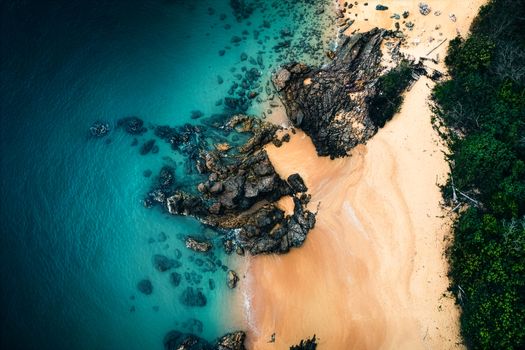
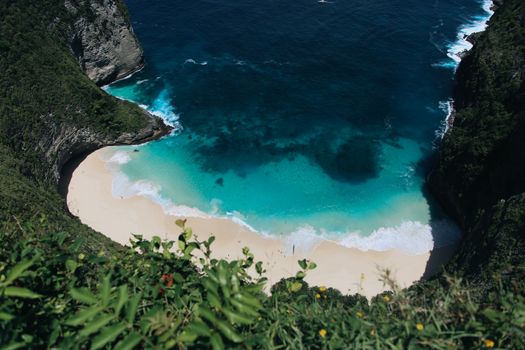
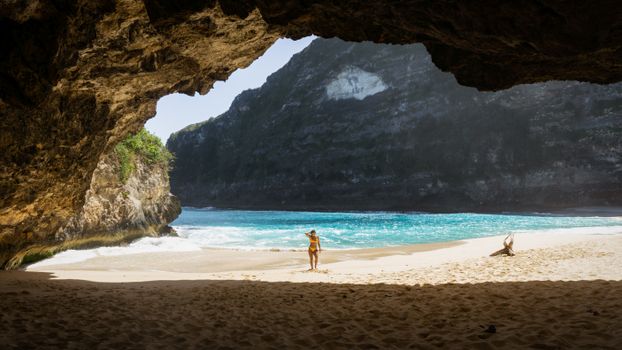
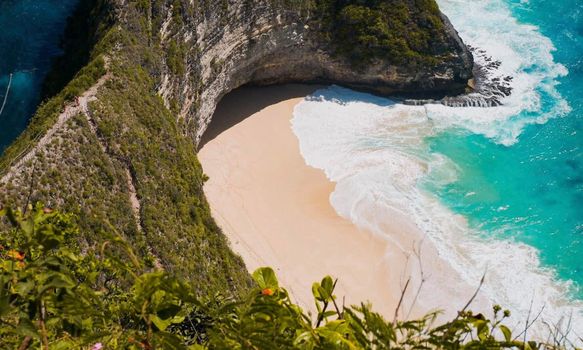
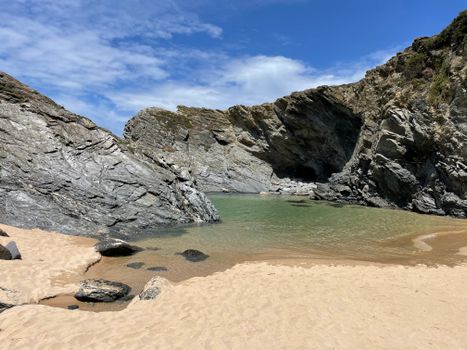
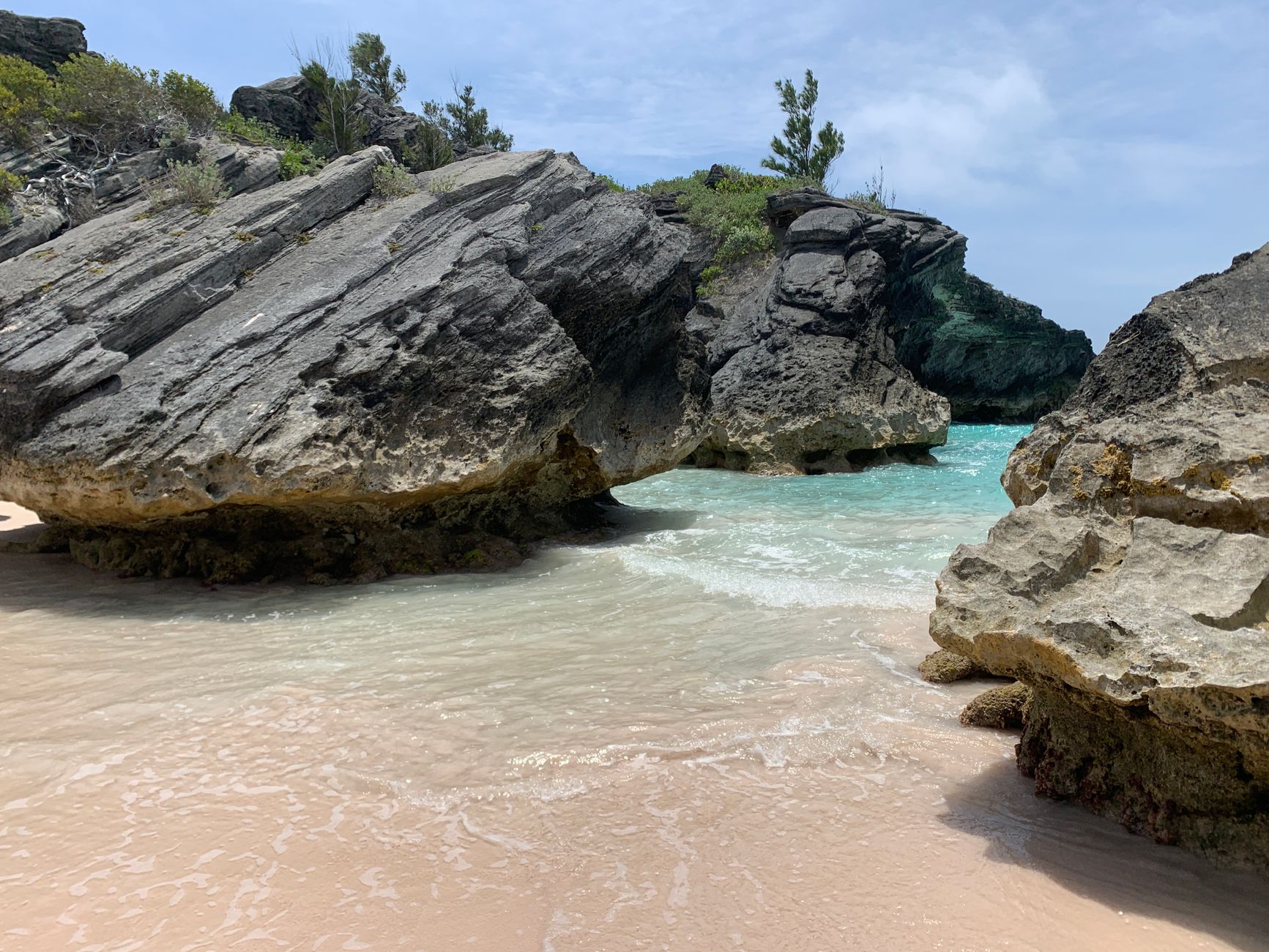
The busiest beach is usually the one closest to the town centre or car park. Walking 15 to 30 minutes along the coast can lead to quieter sand.
Ways to find them
- Use satellite maps to look for coves and paths, and read recent local reviews.
- Ask locals at cafés, dive shops and guesthouses.
- Go early or late, when day-trippers are gone.
- Visit in shoulder season.
- Try boat taxis, kayaks or coastal paths to reach spots with no road access.
- Check tide times so you do not get cut off.
Safety
Quiet beaches often have no lifeguards, shade or facilities. Tell someone where you are going, check currents, carry water and sun protection, and swim carefully.
Protect the place
Take all rubbish home, avoid disturbing nesting birds or turtles, and do not drive on dunes. If a beach is fragile, think twice before tagging its exact location online.
Be respectful
Some beaches are on private or protected land. Follow signs and local rules.
Conditions change, so check local advice.