Camping Spots That Feel Like Another Planet That Changed My Life Forever
There are moments in life when you feel the hum of the ordinary, the predictable rhythm of daily routines. For a long time, I chased adventure, but it was always within the familiar confines of what I thought travel should be. Until, that is, I started looking for places that defied expectation, places that whispered tales of distant galaxies and ancient worlds right here on Earth. I sought out camping spots that promised not just a night under the stars, but a journey to another planet. And let me tell you, these aren't just pretty places to pitch a tent; they are portals to profound experiences, landscapes so alien they shifted my very perception of reality and, in doing so, changed my life forever.
The feeling of waking up in a landscape that makes you question if you've been abducted by aliens and dropped onto a distant celestial body is truly unparalleled. It’s humbling, exhilarating, and deeply connecting all at once. If you’re yearning for a travel experience that transcends the ordinary and touches the extraordinary, pack your bags and prepare for liftoff. Here are 7 otherworldly camping spots that left an indelible mark on my soul.
1. The Martian Desolation: Wadi Rum, Jordan
Imagine a canvas painted in hues of deep red and orange, sculpted by millennia of wind and sand into towering sandstone mountains and vast, silent plains. That's Wadi Rum, Jordan, a place so stunningly similar to Mars that it served as a filming location for "The Martian" and "Dune." My first night here felt like stepping onto an alien planet, not just visually, but experientially.
I arrived in Wadi Rum after a long drive from Amman, the landscape gradually transforming from arid hills to dramatic, rust-colored monoliths. My Bedouin guide, a man whose family had lived in this desert for generations, led me deep into the protected area. We reached a traditional Bedouin camp tucked away between two immense rock formations, far from any artificial light. My "tent" was a simple goat-hair structure, but the real accommodation was the vast, open desert.
That night, after a delicious Zarb (slow-cooked lamb and vegetables buried in the sand), I walked away from the camp, finding a secluded spot between two dunes. Lying on a blanket, the silence was absolute, broken only by the gentle whisper of the wind. Above me, the Milky Way blazed across the inky blackness like a cosmic river, more vivid than I had ever seen. Every star felt close enough to touch. In that moment, surrounded by the crimson dust and ancient rocks, I felt an overwhelming sense of insignificance and profound connection. It was a humbling experience that made me realize how vast the universe is, and how small, yet precious, our existence. It stripped away all the noise of my life, leaving only pure, unadulterated awe.
Practical Tips for Your Wadi Rum Expedition:
- Booking: You must go with a local Bedouin guide and stay in a desert camp. Many reputable tour operators in Wadi Rum Village offer packages including jeep tours, meals, and overnight stays. Prices typically range from $50-$100 USD per person per night, depending on the camp's amenities and tour length.
- Best Time to Visit: Spring (March-May) and Autumn (September-November) offer pleasant temperatures. Summers are scorching, and winters can be surprisingly cold at night.
- What to Pack: Layers for hot days and cold nights, sturdy walking shoes, a headlamp, plenty of water, sunscreen, and a good camera for those epic star shots.
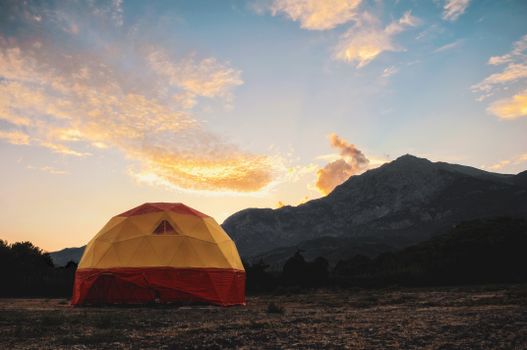
- Instagram Moment: Capture the contrast of your tent against the red desert at sunrise or sunset, or a long-exposure shot of the Milky Way above the dramatic rock formations.
2. The Lunar Highlands: Craters of the Moon National Monument & Preserve, Idaho, USA
From the red deserts of Mars to the stark, volcanic landscape of the Moon – Craters of the Moon National Monument in Idaho is an absolute marvel. This vast ocean of lava flows, cinder cones, and sagebrush plains truly makes you feel like you’ve landed on an extraterrestrial body, a desolate yet beautiful testament to Earth's raw geological power.
My journey here was part of a cross-country road trip, and frankly, I wasn't expecting much beyond "some cool rocks." Oh, how wrong I was. As I drove into the park, the landscape transformed dramatically from green pastures to a sea of black, jagged lava. It was eerie, beautiful, and utterly alien. I secured a spot at the small, first-come, first-served campground, cleverly named Lava Flow Campground, nestled right amongst the volcanic rock.
The highlight was exploring the caves – ancient lava tubes that you can walk through. Equipped with a headlamp and a sense of adventure, I descended into the cool, dark tunnels. The air was still, the silence profound, and the formations around me felt like something out of a sci-fi movie. Above ground, I hiked the North Crater Trail at sunset. The setting sun cast long, dramatic shadows across the lava fields, illuminating the subtle purples and reds in the otherwise black rock. Standing atop a cinder cone, overlooking miles of solidified lava, I felt an incredible sense of perspective. This landscape, shaped by violent eruptions millennia ago, reminded me of the constant, powerful forces at play on our planet, and how fleeting our own existence is. It taught me to appreciate the beauty in desolation and the resilience of life that somehow finds a way to thrive even in such harsh environments.
Practical Tips for Your Lunar Adventure:
- Camping: Lava Flow Campground is open seasonally, usually May through October. It's first-come, first-served and costs around $15-20 USD per night. RVs are permitted, but there are no hookups.
- Cave Exploration: You need a free permit from the visitor center to enter the caves to prevent the spread of white-nose syndrome to bats. Bring your own light source (headlamp recommended) and sturdy shoes.
- What to Pack: Water (none available in the park), sun protection (the black lava absorbs heat), sturdy hiking boots, and layers.
- Instagram Moment: A selfie with the vast black lava fields stretching behind you, or a dramatic shot of the sunset over the cinder cones.
3. The Bioluminescent Dream: Mosquito Bay, Vieques, Puerto Rico
Forget stars in the sky; imagine stars in the water. Mosquito Bay in Vieques, Puerto Rico, is one of the brightest bioluminescent bays in the world, where microscopic organisms called dinoflagellates light up the water with an ethereal, bluish-green glow every time it’s disturbed. This isn't just otherworldly; it's pure magic, a living, breathing light show that feels like something out of a fantasy novel.
Getting to Vieques requires a ferry or small plane from mainland Puerto Rico. Once there, I booked a bioluminescent kayak tour. The key is to go on a new moon night, when the sky is darkest, and the bay's light shines brightest. As our group paddled into the bay, the guides emphasized the importance of silence and respect for this fragile ecosystem.
The moment I dipped my paddle into the water, and it exploded with a shimmering, electric blue light, I gasped. Every stroke left a trail of light; every fish darting beneath my kayak became a streak of glowing magic. It felt like I was kayaking through liquid stardust, or perhaps navigating the luminous veins of a giant, ancient creature. I trailed my hand in the water, watching the brilliant sparks dance between my fingers. This wasn't just beautiful; it was profound. It reminded me of the hidden wonders that exist just beneath the surface, the delicate balance of nature, and the sheer, breathtaking ingenuity of life itself. It made me feel like a child again, full of wonder and unadulterated joy, completely present in the moment. I didn't camp in the bay, of course, but staying on Vieques island and experiencing this at night, then waking up to the Caribbean sun, was a perfect contrast. There are several guesthouses and small hotels on Vieques, with prices ranging from $80-$200+ USD per night.
Practical Tips for Your Luminous Journey:
- Best Time to Go: New moon phase is crucial for the brightest glow. Check a lunar calendar before booking.
- Booking Tours: Book well in advance, especially during peak season. Several reputable tour operators offer kayak or electric boat tours. Prices typically range from $40-$70 USD per person.
- What to Pack: Swimsuit, towel, bug spray (apply before the tour, away from the water), and a waterproof camera if you dare (though photos are notoriously difficult to capture accurately).
- Ethical Viewing: Do not apply bug spray, sunscreen, or any chemicals directly before entering the water, as it harms the delicate organisms.
- Instagram Moment: While hard to capture perfectly, try to get a shot of your kayak's glowing trail, or simply describe the magic in your caption – it’s a story best told in words and memories.
4. The Hoodoo Wonderland: Goblin Valley State Park, Utah, USA
If you've ever wondered what it would be like to roam a planet inhabited by friendly, mushroom-shaped aliens, Goblin Valley State Park in Utah is your answer. This incredible park is filled with thousands of bizarre, sculpted sandstone formations called hoodoos, or "goblins," ranging from a few feet to several stories tall. It’s a whimsical, eerie, and utterly unique landscape that truly feels like another world.
I arrived in Goblin Valley after exploring nearby Canyonlands and Capitol Reef National Parks, thinking I had seen all of Utah's geological wonders. I was wrong. As I descended into the "Valley of the Goblins," I felt like I had stumbled upon a hidden alien playground. There are no designated trails within the main valley; you're encouraged to wander freely amongst the formations, getting lost in the maze of sandstone creatures.
I spent hours exploring, weaving between the goblins, marveling at their individual personalities. Some looked like giant mushrooms, others like ancient totems, and some genuinely resembled little alien beings frozen in time. I had booked a campsite in the park's small, secluded campground, which offers incredible dark sky views. That night, after a simple campfire meal, I stepped out of my tent. The goblins, silhouetted against the Milky Way, took on an even more surreal and mystical quality. The silence was profound, broken only by the occasional hoot of an owl. This place isn't just visually stunning; it's a place that sparks your imagination, inviting you to create stories and feel like a true explorer. It reminded me that even on Earth, there are still places of pure, untouched wonder waiting to be discovered, and that sometimes, the most alien landscapes are found right in our backyard. It reignited my childlike sense of curiosity and play.
Practical Tips for Your Goblin Encounter:
- Camping: Goblin Valley State Park Campground has 25 sites with picnic tables and fire pits, costing around $20-30 USD per night. Reservations are highly recommended, especially during peak season (spring and fall).
- Exploration: Wear sturdy shoes and bring plenty of water. There are no designated trails in the main valley, so wander at will, but keep track of your bearings!
- Dark Skies: Goblin Valley is an International Dark Sky Park, making it perfect for stargazing.
- What to Pack: Water, sun protection, a wide-angle lens for photography, and a sense of adventure.
- Instagram Moment: A wide shot of the valley floor teeming with goblins, or a close-up of a particularly quirky formation against a vibrant sunset sky.
5. The Painted Desert: Petrified Forest National Park, Arizona, USA
Step back in time to a world where ancient trees have turned to stone and the earth itself is painted in a kaleidoscope of colors – welcome to Petrified Forest National Park. This otherworldly landscape in Arizona is a geological masterpiece, featuring vast badlands striped with every color imaginable, and fields of petrified wood that glitter like jewels. It's a place where time feels both immense and immediate.
I arrived at Petrified Forest, initially drawn by the promise of ancient trees. What I found was a landscape far more profound. The Painted Desert stretches for miles, with hills and mesas displaying layers of red, orange, pink, lavender, and grey, each color representing eons of geological history. Walking among the massive, ancient logs that had been transformed into solid quartz, I felt a deep connection to the Earth's past.
Camping here is a unique experience, as there are no designated campgrounds within the park. Instead, you can obtain a free wilderness permit for backcountry camping. I hiked several miles into the wilderness area, carrying all my gear, until I found a secluded spot amidst the colorful badlands. As the sun began to set, the colors intensified, making the landscape glow with an almost supernatural light. The silence was absolute, save for the whisper of the wind. That night, under a sky teeming with stars, surrounded by the fossilized remains of a primeval forest, I felt a profound sense of humility and wonder. It made me confront the sheer scale of geological time and how insignificant our human lifespan is in comparison. Yet, it also instilled a deep appreciation for the beauty and resilience of our planet, and the incredible stories etched into its very rocks. It truly put my own worries into perspective, reminding me of the enduring power of nature.
Practical Tips for Your Ancient Earth Trip:
- Backcountry Camping: Obtain a free wilderness permit from the visitor center. You must hike at least one mile from a road or trail and camp out of sight. Pack out everything you pack in.
- What to Pack: Plenty of water (no sources in the backcountry), all food, sun protection, sturdy hiking boots, and a map/compass or GPS.
- Respect the Park: It is illegal to remove petrified wood or any other natural features from the park. Leave no trace.
- Best Time to Visit: Spring and fall offer mild temperatures. Summers are very hot, and winters can be cold.
- Instagram Moment: A panoramic shot of the vibrant Painted Desert at sunrise or sunset, or a close-up of a glittering piece of petrified wood.
6. The Volcanic Wonderland: Fimmvörðuháls Trail (Camping near Thórsmörk), Iceland
Iceland is, by its very nature, an otherworldly destination. But the Fimmvörðuháls Trail, connecting Skógar to Thórsmörk, takes the cake. This 25 km (15.5 miles) trail passes between two glaciers, over two newly formed volcanic craters (Magni and Móði, formed in the 2010 eruption), and through landscapes of black sand, green moss, and stark lava fields. Camping along or near this trail, particularly in the valley of Thórsmörk, feels like you’ve been transported to a newly formed planet, still cooling from its fiery birth.
My experience on the Fimmvörðuháls Trail was one of raw, exhilarating challenge and profound beauty. I opted for a multi-day trek, staying at the basic but cozy huts along the trail (like Baldvinsskáli) and then camping in Thórsmörk valley. The hike itself is arduous, crossing snowfields even in summer, navigating rocky ascents, and traversing the fresh lava fields. Standing atop the craters of Magni and Móði, feeling the warmth radiating from the earth, and seeing the still-smoking, black lava from the 2010 eruption, was an unforgettable experience. It felt like I was witnessing the birth of a new land, the planet actively creating itself before my eyes.
Camping in Thórsmörk, a verdant valley cradled by glaciers and braided rivers, felt like an oasis in this rugged, powerful landscape. The air was crisp, the silence profound, and the views of the surrounding mountains and glaciers were breathtaking. This journey taught me about resilience – both my own and the Earth’s. It showed me the immense, destructive, yet ultimately creative power of nature. It made me feel incredibly small in the face of such geological forces, but also incredibly alive and connected to the pulse of our dynamic planet. It was a visceral reminder that the Earth is a living, breathing entity, constantly evolving, and that we are privileged to witness its magnificent transformations.
Practical Tips for Your Icelandic Expedition:
- Trail Difficulty: This is a challenging hike. Be prepared for all weather conditions, even in summer. Proper hiking gear, including waterproofs, sturdy boots, and layers, is essential.
- Accommodation: You can stay in mountain huts (like Baldvinsskáli or Fimmvörðuháls Hut) or camp in designated areas in Thórsmörk (like Volcano Huts or Básar). Huts cost around $50-70 USD per person per night, camping around $15-25 USD. Book well in advance.
- Transportation: Buses operate to and from Skógar and Thórsmörk during the summer months.
- Guided Tours: Consider a guided tour if you're not an experienced hiker or want expert insights into the geology.
- Instagram Moment: A dramatic shot of the black lava fields with steam rising, or a panoramic view of the Thórsmörk valley with glaciers in the background.
7. The Crystal Caves (and Surrounding Karst Landscape): Phong Nha-Ke Bang National Park, Vietnam
While camping directly inside the most famous caves like Son Doong is an exclusive, multi-thousand-dollar expedition, the entire Phong Nha-Ke Bang National Park in Vietnam offers an experience so surreal and ancient, it feels like exploring the heart of a primordial Earth, a world lost to time. The karst landscape, with its towering limestone formations shrouded in mist and jungle, combined with the accessible but no less magnificent caves, is truly otherworldly.
I spent several days in Phong Nha, using the charming town as a base to explore the region. While I couldn't afford Son Doong, I did several multi-day treks and cave explorations, including the stunning Paradise Cave and the Dark Cave. But the most transformative experience was an overnight camping trip to Hang En Cave, the third largest cave in the world, where a pristine beach and turquoise river lie hidden deep within its colossal entrance.
Our trek to Hang En involved crossing rivers, scrambling through dense jungle, and finally, descending into the massive maw of the cave itself. The scale was overwhelming. Inside, our tents were set up on a sandy beach beside an underground river. As darkness fell, the only light came from our headlamps and the faint glow filtering from the distant entrance. The silence was absolute, punctuated only by the drip of water and the occasional call of a swiftlet. Waking up to the sight of sunlight piercing through the cave's enormous opening, illuminating the towering stalactites and the emerald river, was an experience that bordered on the spiritual. It felt like being transported to the very beginning of time, witnessing a world untouched by human hands. This journey taught me the incredible power of discovery and the sheer awe that comes from witnessing nature's most magnificent, hidden creations. It expanded my understanding of what "wilderness" truly means and instilled a profound respect for the Earth's ancient secrets.
Practical Tips for Your Subterranean Adventure:
- Cave Tours: Book tours with reputable local operators like Oxalis Adventure (for Hang En and Son Doong) or other licensed companies for Paradise Cave, Dark Cave, etc. Prices vary widely based on the cave and duration (from $20 USD for a half-day cave tour to $400+ for an overnight Hang En trek).
- Accommodation: Phong Nha town has many guesthouses and homestays (from $15-50 USD per night). Some tours include overnight camping inside caves.
- What to Pack: Quick-drying clothes, sturdy shoes, a swimsuit, bug spray, and an open mind!
- Best Time to Visit: Dry season (March-August) is best for cave exploration and trekking, as river levels are lower.
- Instagram Moment: A wide-angle shot from inside a massive cave, showing your small tent on a sandy beach, illuminated by a headlamp, or the dramatic entrance of a cave framed by jungle.
Ready for Your Own Cosmic Journey?
These aren't just camping trips; they're invitations to step outside your comfort zone and into landscapes that will challenge, inspire, and humble you. Each of these "otherworldly" destinations has, in its own unique way, redefined my understanding of Earth's incredible diversity and my place within it. They've taught me resilience, ignited my imagination, and deepened my appreciation for the profound beauty that exists when you dare to look beyond the ordinary.
So, are you ready to trade the familiar for the fantastical? To swap your everyday view for a glimpse of what feels like another planet? Trust me, these life-changing adventures are waiting. Pick your portal, pack your sense of wonder, and prepare for an experience that will stay with you forever.
Which of these otherworldly destinations calls to you most? Have you discovered a "planet" on Earth? Share your stories in the comments below, and don't forget to share this post with your fellow adventurers!
---