Some campsites seem to belong to a different world. Pale desert plains stretch to the horizon, black volcanic fields crack beneath the feet, and salt pans shimmer in the heat, while high plateaus and dark-sky areas offer views of the night sky that are rarely possible near cities. These places attract campers who want a sense of scale and isolation, but they also demand more preparation than a typical woodland site. This guide describes the kinds of landscapes that create this effect, how to plan a visit, and how to camp safely and responsibly so that the landscape remains intact for others.
Types of otherworldly terrain
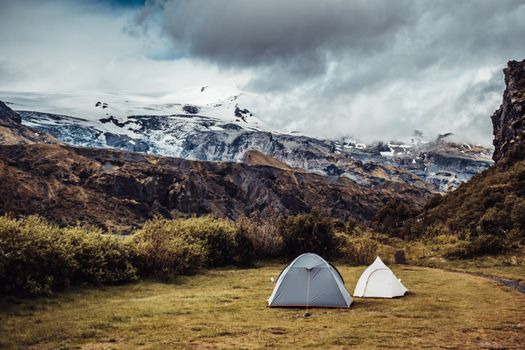
Several landscape types regularly produce the feeling of being somewhere else. Desert regions offer dunes, rock formations and wide open skies, with temperatures that can swing sharply between day and night. Volcanic terrain, including lava fields and crater areas, has dark rock, unusual textures and occasionally steam vents. Salt flats and dry lake beds provide flat, reflective surfaces that can make distances hard to judge. High-altitude plateaus bring thin air, strong winds and clear visibility.
Each type has its own character and its own hazards. The appeal of open ground is also the reason weather can change quickly and why shelter can be scarce. Research the specific site before you travel, rather than assuming that a famous landscape is suitable for camping.
Planning the trip
Begin with the rules and the access. Some protected areas require permits for overnight stays, restrict camping to designated sites or prohibit fires entirely. Check the official park or land management website for current requirements, seasonal closures and any advice about road conditions. Some tracks are passable only with a high-clearance or four-wheel-drive vehicle, and that can change after rain.
Consider the season carefully. Desert and salt-flat regions are often hottest in the middle of the day and can become very cold after sunset. Plateaus can experience sudden storms. Check typical conditions for the months you plan to visit, and be prepared to adjust your schedule if forecasts change.
Camping safely in exposed landscapes
Open landscapes offer little protection from wind and sun, so good shelter and shade are essential. A tent with strong pegs and guy lines, a windbreak and a shaded area for cooking can make a significant difference. Keep your camp tidy, since loose items can blow away in strong gusts.
Water is the most important supply in dry places. Carry more than you think you will need, plus a backup method of treating water if you plan to refill from natural sources. Tell someone your route and expected return time, and carry a means of communication that works in the area, such as a satellite messenger, though coverage should never be assumed.
Navigation deserves attention too. Flat or featureless terrain can make it easy to lose your bearings, and GPS signals may be affected by the surroundings. Carry a paper map, a compass and downloaded offline maps, and learn how to use them before you leave.
Dark skies and night-time camping
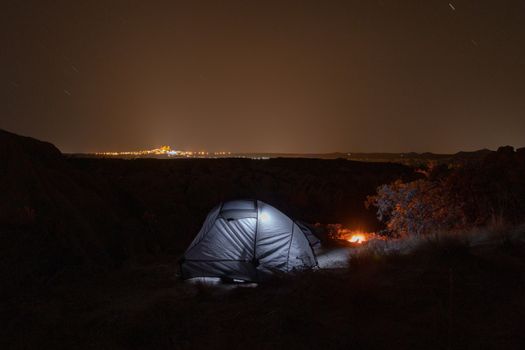
Remote areas with little light pollution are often excellent for stargazing. Plan your trip around the moon phase, since a bright moon can wash out fainter stars. Dark-sky reserves and designated areas may publish guidance on the best viewing times and facilities.
Use red-filtered or dimmed lights so you do not disturb your night vision or those around you. Keep a warm layer ready, as temperatures can drop quickly after sunset even in warm regions. Secure your belongings against wind and animals, and be aware that some wildlife is active after dark.
Responsible camping
Wild places are fragile, and some landscapes recover slowly from disturbance. Stay on existing tracks and designated campsites where required, avoid driving over crusted surfaces or dunes, and never cut or remove plants or rock. Pack out all waste, including food scraps and used toilet paper, and follow local guidance for human waste.
Keep noise low and light discreet, since sound carries far in open country. Respect any cultural or sacred sites in the area, and do not collect souvenirs. Responsible camping protects the landscape for the next visitor and often keeps the experience more peaceful.
Practical tips
- Check permit, fire and access rules with the official land management body before you go.
- Carry more water than you expect to need, and a backup treatment method.
- Pack shade, windproof shelter and strong anchors for your tent.
- Plan your trip around seasonal temperatures and check the forecast regularly.
- Share your route and return time with someone reliable.
- Use dimmed or red lights after dark and secure your belongings.
Camping in an otherworldly landscape rewards careful preparation with views and quiet that are hard to find elsewhere. Know the rules, bring the right equipment and leave no trace behind. With that approach, the strangeness of these places can be enjoyed safely and respectfully.