Secret Beaches: Your Ultimate Guide to Unseen Shores You Need to Experience Before You Die
There’s a moment every seasoned traveler chases, a feeling that transcends the perfectly curated Instagram feeds and well-trodden paths. It’s the thrill of discovery, the quiet satisfaction of finding a slice of paradise that feels like it’s just for you. For me, that feeling often culminates on a beach – but not just any beach. I’m talking about the secret beaches, the hidden coves, the stretches of sand so pristine and untouched, they whisper tales of forgotten beauty.
My obsession started years ago, on a backpacking trip through Thailand. I’d seen countless photos of Maya Bay, but a local fisherman, seeing my map and my weary eyes, scribbled a quick note in the margin: "Ko Lanta Noi. Ask for 'Hat Sai Nuan'." It wasn’t on any tourist map. After a bumpy longtail boat ride and a short trek through dense jungle, I emerged onto a crescent of powdery white sand, framed by towering limestone cliffs, with water so clear I could see my toes wiggle in the gentle ripples. There was no one else there. Just me, the gentle lapping of waves, and the overwhelming sense of having stumbled upon magic. That day, I promised myself I’d dedicate my travels to finding more of these whispered secrets.
And find them I did. Over the years, I’ve collected a mental Rolodex of truly extraordinary, lesser-known beaches that defy the crowds and redefine "paradise." These aren't just pretty spots; they are experiences, journeys, and rewards for those willing to venture a little further. So, put down your mainstream guidebooks, grab your sense of adventure, and prepare to bookmark these incredible secret beaches you absolutely need to experience before they become Instagram famous.
---
1. Calypso Cove, Palawan, Philippines – The Emerald Gateway
Palawan is no stranger to "best island" lists, but beyond the well-known lagoons of El Nido and Coron lie pockets of unparalleled serenity. Calypso Cove isn’t a single, easily marked spot on Google Maps; it’s a feeling, a collection of tiny, nameless coves nestled within the Bacuit Archipelago, accessible only to those who know how to ask. My discovery of what I affectionately named "Calypso Cove" was pure serendipity.
I was on a custom island-hopping tour from El Nido, having bribed my boatman, Kuya Rey, with extra snacks and the promise of a hefty tip to take me "somewhere no one else goes." After navigating through a maze of towering karst formations, he slowed the boat, pointing to a barely visible slit in a sheer limestone wall. "Inside," he grunted, handing me a snorkel and mask. Squeezing through the narrow, dark opening felt like entering another world. And it was.
Inside, a breathtakingly beautiful secret lagoon unfolded – a perfectly circular pool of emerald water, completely enclosed by towering cliffs, with a tiny patch of soft, white sand. The sunlight filtered down from the open sky above, illuminating the vibrant corals below. It was utterly silent, save for the gentle splash of water against stone. I spent an hour there, floating, snorkeling, and just soaking in the profound peace. It felt like I had stumbled into a hidden sanctuary crafted by ancient gods.
Practical Tips for Your Visit:
- Getting There: Fly into Puerto Princesa (PPS) or El Nido (ENI). From El Nido town, hire a private boat for an island-hopping tour (Tour D is a good starting point, but you'll need to negotiate with your boatman for a truly off-the-beaten-path experience). Don't just ask for "Calypso Cove" – describe what you're looking for: a hidden lagoon, accessible only by swimming through a small opening. Be prepared to pay a bit extra for the boatman's flexibility and local knowledge.
- Best Time: Dry season (November to May) offers the calmest waters and clearest skies. Go early in the morning (before 8 AM) or late afternoon (after 3 PM) to avoid any potential crowds from other tours.
- What to Bring: Snorkel gear, waterproof bag for your phone/camera, plenty of water, reef-safe sunscreen, and a sense of adventure. A small, dry bag is essential for swimming through the rock openings.
- Cost: A private boat tour for a full day can range from ₱3,000-₱5,000 (approx. $50-$90 USD), depending on negotiation and the specific itinerary. This usually includes a packed lunch.
---
2. Praia da Sereia, Algarve, Portugal – Where Cliffs Whisper Secrets
The Algarve coast of Portugal is famed for its dramatic cliffs and golden beaches, but most visitors flock to the easily accessible hotspots. My quest for the truly secret led me to a rugged stretch between Lagos and Sagres, where the Atlantic winds sculpt the coastline into breathtaking, often challenging, masterpieces. "Praia da Sereia" (Mermaid’s Beach) is my name for a particular cove I stumbled upon, a reward for a strenuous, but utterly gorgeous, hike.
I was researching lesser-known hiking trails along the Costa Vicentina, determined to escape the summer crowds. After parking my rental car near a small, unmarked trail entrance outside a tiny village called Salema, I set off. The path hugged the cliff edge, winding through aromatic scrubland, with the powerful Atlantic crashing far below. After about an hour of scrambling over rocks and navigating narrow sections, I heard it – the distinctive echo of waves within a sheltered space. Peering over a final rocky outcrop, I saw her.
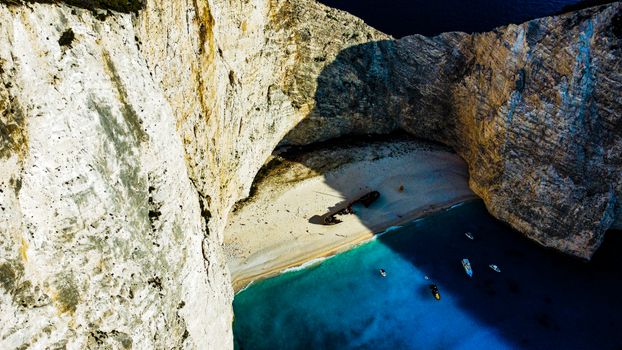
Praia da Sereia was a tiny, crescent-shaped beach cradled by colossal, ochre-colored cliffs that plunged dramatically into the turquoise sea. Two sea stacks, like ancient sentinels, guarded its entrance. The sand was a mix of fine gold and smooth pebbles, and the water, though bracing, was impossibly clear. There was no direct road access, no beach bar, no sun loungers. Just a handful of other adventurous souls, spread out in quiet reverence, each having earned their spot. I spent the afternoon swimming in the invigorating Atlantic, exploring tiny sea caves, and watching the sun paint the cliffs in fiery hues before beginning the ascent back. The effort made the reward all the sweeter.
Practical Tips for Your Visit:
- Getting There: Fly into Faro (FAO), rent a car, and drive west towards Salema or Sagres. Look for hiking trails off the main roads (N125 or N268) that hug the coastline. Specific GPS coordinates are tricky for truly secret spots, but look for trails that branch off from known, but less-frequented, beaches like Praia das Furnas or Praia da Figueira. Be prepared for a hike.
- Best Time: Spring (April-May) and early autumn (September-October) offer pleasant hiking weather and fewer tourists. Summer can be very hot for hiking.
- What to Bring: Sturdy hiking shoes are non-negotiable. Bring plenty of water, snacks, a hat, and sun protection. A small backpack is best. Check tide charts – some coves can become inaccessible at high tide.
- Cost: Mostly free, other than car rental and fuel. Pack a picnic to enjoy on the beach.
---
3. Playa Escondida, Sian Ka'an Biosphere Reserve, Mexico – Untamed Caribbean Dream
The Riviera Maya in Mexico is famous for its all-inclusive resorts and bustling beaches. But just south of Tulum lies the Sian Ka'an Biosphere Reserve, a UNESCO World Heritage site and a sprawling expanse of protected jungle, mangroves, and pristine coastline. Deep within its wild embrace, I found "Playa Escondida" (Hidden Beach), a place where the Caribbean truly feels untamed.
My journey to Playa Escondida was part of a larger eco-tour into Sian Ka'an. Our local guide, Mateo, a descendant of Mayan fishermen, insisted we start before dawn. After a bumpy jeep ride down a barely-there dirt track, we transferred to a small panga boat, navigating through narrow mangrove channels. The air was thick with the scent of salt and jungle, and the only sounds were the calls of exotic birds and the gentle putter of the engine. After nearly two hours, Mateo cut the engine. "Aquí," he whispered, pointing to a break in the mangroves.
We waded ashore onto a stretch of beach that was impossibly white, framed by leaning palm trees and dense jungle. The water was every shade of blue imaginable, from pale turquoise to deep sapphire, teeming with fish and coral just offshore. There were no footprints other than our own, no plastic chairs, no vendors. Mateo set up a small picnic of fresh ceviche and fruits, and we spent the day snorkeling in the vibrant reef, spotting sea turtles, and simply marveling at the untouched beauty. It was a humbling experience, a reminder of what the Caribbean looked like before development.
Practical Tips for Your Visit:
- Getting There: Fly into Cancun (CUN) or Cozumel (CZM). From Tulum, you’ll need to book an authorized eco-tour into the Sian Ka'an Biosphere Reserve. These tours are essential, as the reserve is protected, and local guides know the sensitive areas and best hidden spots. Look for tours that emphasize small groups and responsible tourism.
- Best Time: Dry season (November to April) offers the best weather. Avoid hurricane season (June-October).
- What to Bring: Biodegradable, reef-safe sunscreen is a must. Insect repellent (eco-friendly), hat, sunglasses, swimwear, towel, and a good camera. Binoculars are great for birdwatching.
- Cost: A full-day Sian Ka'an eco-tour can range from $150-$250 USD per person, often including transportation, guide, boat trip, snorkel gear, and lunch. It’s an investment, but worth every penny for the unique experience and supporting conservation.
---
4. Teluk Rahasia, Lombok, Indonesia – Surrender to Serenity
Bali often hogs the spotlight in Indonesia, but its quieter neighbor, Lombok, holds a treasure trove of unspoiled beaches, especially along its southern coast. "Teluk Rahasia" (Secret Bay in Indonesian) is my name for a secluded crescent near Gerupuk, a small surf village, that truly stole my heart with its raw, untamed charm.
I was on a solo motorbike trip around Lombok, deliberately avoiding the developed areas. After a morning surf lesson at Gerupuk, I asked my instructor, a soft-spoken local named Adi, where he went to unwind. He grinned, "You want real quiet? Follow me." We rode our scooters down a winding, unpaved track, past rice paddies and sleepy villages, the air thick with the scent of burning wood and tropical flowers. The path eventually dead-ended at a small, rickety bamboo shack.
Beyond the shack, a breathtaking vista opened up. Teluk Rahasia was a wide, sweeping bay, framed by lush green hills and dotted with a few local fishing boats. The sand was a creamy white, incredibly soft beneath my bare feet, and the water was a mesmerizing blend of turquoise and emerald, gently lapping the shore. There were no tourists, just a couple of local kids playing football and an old woman tending to her small garden near the shack. I spent the entire afternoon swimming, reading, and simply existing in that profound tranquility. Adi even shared some freshly grilled fish from the shack's owner. It was a day of pure, unadulterated bliss, a true escape from the world.
Practical Tips for Your Visit:
- Getting There: Fly into Lombok International Airport (LOP). Rent a scooter (around 50,000-70,000 IDR/day, approx. $3.50-$5 USD) from Kuta Lombok and head east towards Gerupuk. The road to Teluk Rahasia is unpaved and can be rough – experience riding a scooter is highly recommended. Ask locals in Gerupuk for directions to "Pantai Rahasia" or a quiet bay near the fishing village.
- Best Time: Dry season (April-October) for sunny days. Go during weekdays for maximum solitude.
- What to Bring: Scooter driving license, cash (IDR), a sarong or light towel, water, and snacks. Support the local economy by buying food or drinks from any small warungs you might find.
- Cost: Scooter rental, fuel, and perhaps a small payment to a local for guiding you. Very budget-friendly. A fresh grilled fish lunch might cost 50,000-100,000 IDR (approx. $3.50-$7 USD).
---
5. Whalebone Cove, Coromandel Peninsula, New Zealand – A Dramatic Discovery
When people think of New Zealand beaches, often the stunning golden sands of the Abel Tasman or the Bay of Islands come to mind. But the wild, rugged beauty of the North Island's Coromandel Peninsula holds its own unique secrets. "Whalebone Cove" is my name for a dramatic black sand beach I found tucked away, a stark contrast to tropical paradises, yet equally captivating.
I was on a road trip through the Coromandel, chasing the legendary Hot Water Beach, but found it predictably crowded. A local artist I chatted with in a small gallery in Whitianga mentioned a "place where the sea meets the sky in black and white," hinting at a spot off the beaten track near the tiny settlement of Opito Bay. Intrigued, I followed his vague directions, turning off the main road onto a gravel track that seemed to lead nowhere but farmland.
After about 20 minutes of bumping along, I parked my car and followed a faint walking track through dense coastal bush. The air grew cooler, carrying the fresh scent of salt and damp earth. Suddenly, the trees parted, revealing a scene of breathtaking, almost primal beauty. Whalebone Cove was a vast, sweeping arc of glistening black sand, stretching for what seemed like miles, framed by rugged, dark cliffs and crashing white surf. The name came to me as I spotted a large, weather-beaten piece of driftwood, eerily resembling a whalebone, half-buried in the sand.
The beach was utterly deserted. The power of the Tasman Sea was palpable, with huge waves rolling in, their foam stark against the dark sand. I spent hours walking, feeling the volcanic sand between my toes, collecting unique pebbles, and simply being awestruck by the raw, untamed grandeur of it all. It wasn't a place for gentle swimming, but for profound contemplation and connection with nature's wild heart.
Practical Tips for Your Visit:
- Getting There: Fly into Auckland (AKL) and rent a car. Drive to the Coromandel Peninsula (approx. 2-3 hours). From Whitianga or Kuaotunu, head north towards Opito Bay. Look for unmarked gravel roads or walking tracks that veer off towards the coast. Satellite maps (Google Maps with terrain view) can be your best friend for spotting potential access points.
- Best Time: New Zealand weather can be unpredictable. Summer (December-February) offers warmer temperatures, but spring/autumn (September-November, March-May) can be stunning with fewer people. Be prepared for strong winds.
- What to Bring: Warm layers, rain jacket, sturdy walking shoes, water, snacks. Be mindful of tides and coastal safety, especially if exploring near cliffs.
- Cost: Free, other than car rental and fuel.
---
The Art of Uncovering Your Own Secret Shore
Finding these hidden gems isn't just about following directions; it's about cultivating a mindset. It's about stepping away from the curated itineraries and embracing the unexpected. Here are my top tips for uncovering your own secret beaches:
- Talk to Locals: This is my number one rule. Taxi drivers, guesthouse owners, fishermen, market vendors – they often hold the keys to the best-kept secrets. Ask them where they go to relax, or where their family goes. Be respectful, friendly, and genuinely interested.
- Go Off-Season (or Shoulder Season): Even popular destinations have quiet periods. Traveling during the shoulder season (just before or after peak) often means fewer crowds and better prices, making it easier to find solitude.
- Embrace the Journey: Many secret beaches require effort – a long hike, a bumpy road, a specific boat negotiation. These challenges are part of the adventure and make the reward even sweeter. Don't be afraid of a little discomfort.
- Use Satellite Maps: Before you go, spend time on Google Maps (satellite view) zooming in on coastlines. Look for secluded coves, faint tracks, or areas with no visible development. This can give you clues about potential hidden spots.
- Be an Early Bird (or a Night Owl): Arriving at dawn often means having a beach to yourself, even if it's a relatively known one. Similarly, staying until sunset, when day-trippers have left, can offer moments of profound peace.
- Pack Smart & Light: You might need to hike, swim, or navigate tricky terrain. A small, waterproof daypack with essentials (water, snacks, reef-safe sunscreen, hat, camera, basic first aid) is invaluable.
- Leave No Trace: When you find your slice of paradise, ensure you leave it exactly as you found it, or even better. Pack out everything you pack in. Respect local wildlife and ecosystems. The whole point of these places is their untouched beauty; let's keep it that way.
---
Your Next Unforgettable Shoreline Awaits
The world is still full of magic, of places that haven't yet been commodified or overrun. These secret beaches are more than just pretty backdrops; they are invitations to adventure, to introspection, and to reconnect with the raw, untamed beauty of our planet. Each one offers a unique story, a personal challenge, and an unforgettable reward.
So, what are you waiting for? Stop dreaming and start planning. Whether it's the emerald embrace of Calypso Cove or the dramatic black sands of Whalebone Cove, your next truly unforgettable beach experience is out there, waiting for you to discover it. Go forth, explore, and let the whispers of the unseen shore guide you. And when you find your own slice of secret paradise, promise me you'll keep it sacred.
What's your ultimate secret beach fantasy? Or have you stumbled upon a hidden gem you're willing to share (with a select few, of course!)? Let me know in the comments below!
---