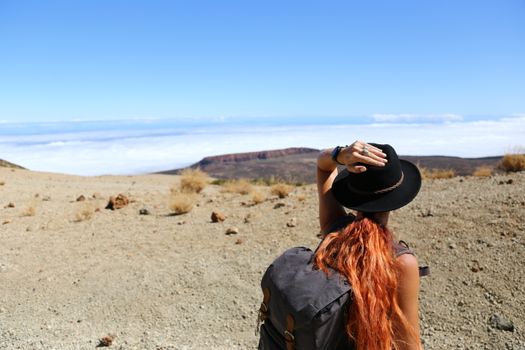
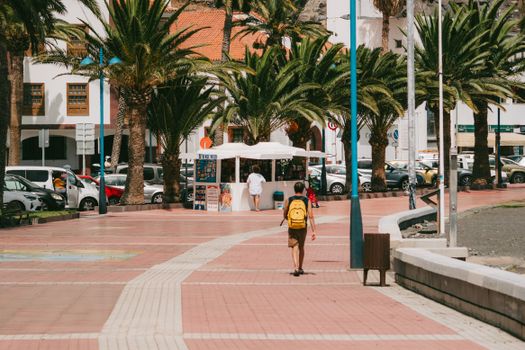
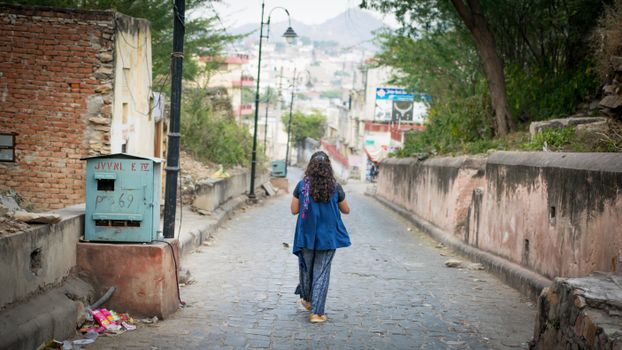
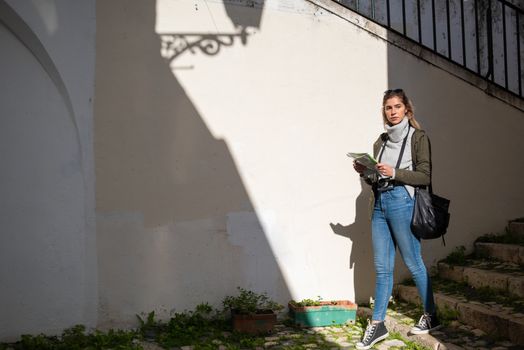
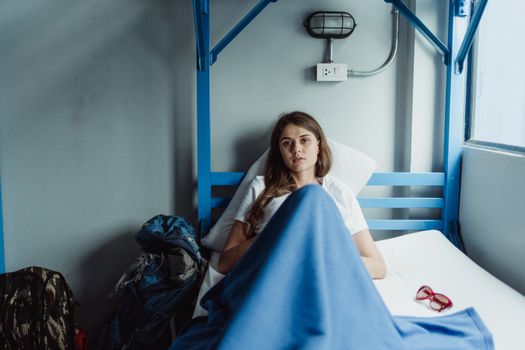
The humid air hung heavy in Marrakech’s Djemaa el-Fna square, thick with the scent of spices, grilled meats, and the murmur of a thousand voices. It was my first solo trip, and I was utterly, beautifully, terrifyingly alone. My backpack felt too big, my camera too obvious, and my wide-eyed wonder made me feel like a giant, neon target. Every snake charmer, henna artist, and tagine vendor seemed to lock eyes with me, a solo female traveler, and I quickly became overwhelmed.
I ducked into a small tea shop, heart pounding, feeling a potent mix of exhilaration and pure, unadulterated fear. Was I crazy to do this? Was I safe? I watched the locals, sipping mint tea, navigating the chaos with an effortless grace I could only dream of. They moved with purpose, their gazes direct yet not inviting, their conversations flowing like the nearby fountain. They weren’t hiding, but they weren't broadcasting their presence either.
It was in that moment, watching them, that a quiet realization dawned on me: my fear wasn't just about the unknown, it was about my lack of understanding. I was operating under tourist rules, while they lived by local wisdom – unspoken cues, subtle behaviors, and an inherent street smarts that most guidebooks don't teach. This wasn't about secret alleys or hidden cafes (though those came later!). It was about how to be in a place, how to move, react, and interact in a way that locals instinctively understand, and that, frankly, they don’t often think to explain to us wide-eyed visitors.
That day in Marrakech marked a turning point. I started observing, learning, and adapting. And it transformed my solo travel experience from a daunting challenge into an empowering adventure. If you’ve ever felt that flutter of fear before a solo trip, or found yourself overwhelmed in a new city, this post is for you. I'm going to share the "local secrets" – the practical, often unspoken truths – that will help you not just survive, but thrive on your solo journey, turning fear into fierce confidence.
---
The Silent Language of Confidence: Blending In Like a Local
One of the biggest solo travel fears is feeling like a target. And let's be honest, sometimes, with our obvious cameras, maps, and slightly bewildered expressions, we do stand out. Locals, however, move through their cities with an innate confidence that acts as its own shield. They aren't trying to be invisible; they're simply being themselves, and that's the key.
What locals know: They know their environment. They know the rhythm of the streets, the unspoken rules of interaction, and how to project an air of belonging, even if they're just passing through. They don't want you to know that simply looking like you know where you're going can be your best defense.
How to embody it:
- Walk with Purpose: Even if you're utterly lost, walk like you know your destination. Head up, shoulders back, a steady pace. If you need to check your map, step into a doorway or a less crowded spot. Don't stop dead in the middle of a busy sidewalk, looking frantically at your phone. In Rome, I once spent 20 minutes "walking with purpose" in the wrong direction, but no one bothered me! I eventually ducked into a cafe, re-oriented, and set off again.
- Observe and Adapt: Before you even step out, take a moment to watch. How do people dress? What's their pace? How do they interact? In Tokyo, everyone moves with incredible efficiency. Trying to dawdle or block the flow of foot traffic will only make you stand out. In Seville, the pace is slower, more relaxed. Adjusting your rhythm helps you blend.
- Mind Your Body Language: Keep your belongings secure and close. A crossbody bag is often better than a backpack slung over one shoulder. Avoid constantly checking your phone or flashing expensive gadgets. Maintain awareness of your surroundings, but don't look paranoid. A confident, open posture (but not too open, inviting unwanted attention) signals that you are comfortable and in control.
My Anecdote: In Paris, I once saw a group of tourists fumbling with a huge paper map in the middle of a busy metro station, completely oblivious to the stream of commuters trying to get past. They looked stressed, lost, and vulnerable. Contrast that with the Parisians, who glide through the stations, often with headphones on, knowing exactly where they're going. Learning to mimic that focused, purposeful movement made a world of difference to my own confidence and how I was perceived. It's not about being rude; it's about respecting the local flow.
---
Beyond the Guidebook: Unearthing Authentic Experiences
Guidebooks are great for landmarks, but locals rarely queue up at the most famous, overpriced spots every day. They know the hidden gems, the hole-in-the-wall eateries, and the vibrant markets where real life happens. They don't want you to know how easy it is to tap into this authentic side of their city, often for a fraction of the price.
What locals know: The best food isn't always Michelin-starred; it's often found in unassuming places. The most interesting markets aren't always the biggest; they're the ones where locals actually shop. They know the quiet parks, the local coffee shops, and the neighborhood bakeries that offer a true taste of their culture.
How to find your local spot:
- Ask Smart Questions (and the Right People): Don't just ask "What's good?" Ask your hostel receptionist, a friendly barista, or a shop owner, "Where do you eat lunch/dinner around here?" or "Where do locals go for a quiet coffee?" You'll get vastly different, and often better, recommendations than from a tourist brochure.
- Follow the Locals (Literally): See a queue of locals outside a tiny eatery? Join it! Chances are, it's delicious and affordable. Notice a bustling market that isn't on your "Top 10" list? Explore it! In Florence, I stumbled upon a tiny trattoria after asking a shop owner where she liked to eat. It had no English menu, but the pasta was divine, and I paid half what I would have in the main square. Price check: A full meal with wine was about €12-€15.
- Learn a Few Key Phrases: Even a simple "hello," "please," "thank you," and "delicious" in the local language can open doors. It shows respect and a willingness to engage, making locals more likely to help you. "Do you have a recommendation?" (¿Me puedes recomendar algo? in Spanish) can lead to culinary discoveries.
- Leverage Technology (Discreetly): While Google Maps is essential, try using its "Explore" feature or looking up "restaurants near me" and filtering by "local favorites" or "highly rated by locals." Cross-reference with reviews that mention "authentic" or "non-touristy."
My Anecdote: In Hanoi, I was overwhelmed by the street food scene. My guidebook listed a few famous spots, but they were packed with tourists. I asked my hostel owner, a sweet elderly woman, where she got her pho. She pointed to a tiny stall down an alley, no English sign, just a few plastic stools. The pho was incredible, rich and flavorful, and cost me about 30,000 VND (around $1.20 USD). It was an experience I'd never have found otherwise, and it felt like a true taste of Hanoi.
---
Navigating the Urban Labyrinth: Public Transport & Street Smarts
One of the most intimidating aspects of solo travel can be figuring out public transportation in a foreign city. It often feels like a complex maze, and the fear of getting lost or looking foolish can push us towards expensive taxis or ride-shares. Locals, however, master their transit systems with ease and efficiency, and they don't want you to know how simple it can be once you understand the rhythm.
What locals know: Public transport is usually the fastest, cheapest, and most authentic way to get around. They know the rush hour hacks, the best transfers, and how to avoid looking like a lost sheep. They also have an inherent sense of their city's safe and less-safe areas, something tourist maps rarely highlight in detail.
How to navigate like a pro:
- Pre-Plan and Practice: Before you even arrive, download the local public transport app (e.g., Citymapper, Moovit). Familiarize yourself with the major lines and stations. Once you arrive, consider doing a "practice run" during daylight hours to a non-critical destination. Buy a multi-day pass or a reloadable card (Oyster card in London, Navigo in Paris, Suica/Pasmo in Tokyo). These often offer better value and convenience, saving you time and money.
- Trust Your Gut (and Your Feet): If a street or area feels off, it probably is. Locals rely on intuition; so should you. Don't feel pressured to go somewhere that makes you uncomfortable. Sometimes, the best way to get around is simply walking. It allows you to discover hidden corners and soak in the atmosphere.
- Stay Aware, Not Afraid: Keep your phone charged and easily accessible (but not constantly out). Know the emergency numbers for the country you're in. While solo travel requires vigilance, don't let fear paralyze you. Be aware of your surroundings, but don't walk around with a terrified expression. Confidence deters trouble.
- Avoid Flashy Displays: Locals generally don't walk around with expensive jewelry, cameras dangling, or wads of cash visible. Mimic this. Keep valuables out of sight, and only carry what you need for the day.
My Anecdote: My first time in Tokyo, the metro map looked like a tangled bowl of spaghetti. I was terrified. But I had pre-loaded a Suica card and downloaded Google Maps with offline areas. After one day of confused glances and a few wrong turns, I started to understand the system. By day three, I was navigating the intricate network like a seasoned commuter, confidently zipping between Shinjuku, Shibuya, and Ginza. It was liberating! The cost was minimal, often just 150-300 JPY per ride (approx. $1-2 USD), a fraction of what taxis would cost.
---
The Solo Supper & Unexpected Connections
One of the most common solo travel fears is eating alone. The thought of a table for one, surrounded by couples and groups, can feel daunting. But locals often eat alone, whether grabbing a quick bite or enjoying a quiet meal. They don't want you to know that solo dining can be one of the most rewarding and authentic ways to connect with a place and even other people.
What locals know: Dining alone is not a sign of loneliness; it's an opportunity for reflection, people-watching, and savoring food without distraction. It also makes you more approachable. They know the best spots for a solo diner – places where you won't feel out of place.
How to embrace the solo meal:
- Sit at the Bar or Counter: Many local eateries, especially in Europe and Asia, have bar seating. This is perfect for solo travelers. You can chat with the bartender or chef, observe the action, and often strike up conversations with other solo diners. In Spain, sitting at a tapas bar allows you to order small plates and move on, or linger and chat.
- Choose Local, Casual Spots: Opt for bustling cafes, street food stalls, or small family-run restaurants. These environments are often less formal and more welcoming to solo diners than upscale, romantic restaurants. Look for places offering a "Menu del Día" in Spain (a fixed-price lunch, usually €10-€15 for multiple courses) or similar lunch specials elsewhere – great value and a chance to experience local cuisine.
- Bring a Book or Journal: If you feel self-conscious, having something to occupy yourself with can help. But also try to put it down and just observe. People-watching is a fascinating solo activity, offering insights into local life.
- Be Open to Conversation: A smile and an open posture can invite interaction. I've had incredible conversations with locals and fellow travelers while dining alone – from sharing a bottle of wine with an elderly couple in a tiny Italian osteria to discussing travel plans with another solo backpacker at a Bangkok street food stall.
My Anecdote: In Seville, I found myself at a packed tapas bar, standing room only. I squeezed into a small spot at the counter, ordered a plate of jamón and a glass of sherry. Within minutes, the man next to me, a friendly Sevillano, offered me some of his olives. We struck up a conversation about his city, shared recommendations, and for an hour, I wasn't just a solo traveler; I was part of the local buzz. It was a highlight of my trip, born purely from the courage to eat alone and be open.
---
Mastering the Art of "No": Setting Boundaries Gracefully
One of the most common solo travel fears, especially for women, is unwanted attention or feeling pressured by aggressive vendors and touts. Locals, who navigate these interactions daily, have mastered the art of polite but firm refusal. They don't want you to know how simple it can be to disengage without causing offense or feeling overwhelmed.
What locals know: Not every interaction needs to be indulged. A polite but firm "no" or a dismissive wave is often all that's needed. They know how to identify genuine offers from aggressive sales tactics, and they don't engage with the latter.
How to set boundaries:
- Learn "No" in the Local Language: A simple "No, gracias" (Spanish), "Non, merci" (French), or "Khop Khun Mai Ao" (Thai for "No, thank you") can be incredibly effective. It shows you're not completely clueless and understand what's being offered.
- Maintain Eye Contact (Briefly) and Keep Moving: When approached by a persistent vendor, make brief eye contact, offer your polite "no," and keep walking at your purposeful pace. Don't linger, don't engage in further conversation, and don't feel obligated to explain yourself.
- Trust Your Instincts: If someone makes you feel uncomfortable, remove yourself from the situation immediately. You don't owe anyone your time or attention. This is especially true in crowded markets or busy tourist areas where distractions are common.
- Avoid Engaging with Obvious Scams: If an offer sounds too good to be true, it probably is. Locals have an innate ability to spot common scams (e.g., "free" bracelets, "lost" wallets, "friendly" strangers offering unsolicited tours). They simply ignore them, and so should you.
My Anecdote: In the bustling souks of Marrakech, I was initially overwhelmed by the constant calls and offers. Every few steps, someone wanted to sell me spices, leather, or a rug. My first instinct was to politely engage, which only invited more persistence. Then I observed the locals. They would simply shake their heads, offer a quick "La, shukran" (No, thank you), and keep walking, often without breaking stride. When I started doing the same, the attention significantly decreased. It was empowering to realize I could reclaim my space and peace without being rude.
---
Tech-Savvy Traveler: Your Digital Toolkit for Local Living
In an age of constant connectivity, it’s tempting to rely heavily on our phones. But constantly staring at a screen, especially in public, can make you look disengaged and, again, like an obvious tourist. Locals use technology smartly and discreetly. They don't want you to know how easy it is to leverage your devices to enhance your travel, not detract from it.
What locals know: Technology is a tool, not a crutch. They use it for efficiency, communication, and navigation, but they don't let it consume their experience. They know which apps are genuinely useful and which are tourist traps.
How to use tech like a local:
- Offline Maps & Translation: Download offline maps (Google Maps, Maps.me) of your destination before you leave your Wi-Fi zone. This is invaluable for navigation without burning data or looking like you're constantly searching. Similarly, download offline language packs for Google Translate or a dedicated translator app. My go-to: Google Translate's camera feature for menus and signs, and its conversation mode for quick chats.
- Local SIM or eSIM: Ditch expensive roaming fees. Purchase a local SIM card upon arrival, or even better, get an eSIM (e.g., Airalo, Holafly) before you even leave home. This gives you reliable data for navigation, communication, and emergencies, making you feel more connected and secure. Costs vary, but a 10GB eSIM for a week can be as low as $15-20.
- Local Ride-Share Apps: While taxis are always an option, local ride-share apps (Uber, Grab in Southeast Asia, Bolt in Europe/Africa) are often cheaper, safer (you have a digital record of your trip), and more transparent with pricing. Locals use them constantly.
- Secure Your Devices: Use strong passwords, enable "find my device" features, and consider travel insurance that covers electronics. Public Wi-Fi can be risky; use a VPN if you're accessing sensitive information.
My Anecdote: In a rural part of Japan, far from any English signs, I found myself in a small restaurant with a completely Japanese menu. Panic started to bubble. Then I remembered Google Translate's camera feature. I pointed my phone at the menu, and instantly, the Japanese characters transformed into English, allowing me to confidently order a delicious local specialty. It felt like I had a secret superpower, blending in while still getting exactly what I wanted. It saved me from awkwardly pointing and hoping for the best, a true local hack for a solo traveler.
---
Embrace the Journey: Your Solo Adventure Awaits
Overcoming solo travel fears isn't about eradicating every single worry. It's about acknowledging them, understanding where they come from, and then equipping yourself with the tools and insights to navigate them with confidence. The "secrets" locals possess aren't really secrets at all; they're simply the accumulated wisdom of living in a place, moving through it with purpose, and understanding its subtle rhythms.
By observing, adapting, and embracing a little bit of local common sense, you transform from a vulnerable tourist into a confident adventurer. You’ll discover hidden gems, forge unexpected connections, and return home not just with photos, but with a profound sense of accomplishment and a deeper understanding of the world – and yourself.
So, what are you waiting for? That solo trip you've been dreaming of is within reach. Use these insights, book that flight, and step out with the quiet confidence of a local. The world is waiting for you to explore it, one incredible, empowered solo step at a time.
What's your biggest solo travel fear, and which of these "local secrets" are you most excited to try? Share your thoughts and tips in the comments below!
---