The hum of the plane engine was a lullaby, but my stomach was doing acrobatics. Outside my window, the sun was setting over the Andaman Sea, painting the sky in fiery oranges and purples. It was breathtaking. It was also terrifying. This was my first solo trip, a leap of faith to Thailand, and despite months of planning, every fear I’d ever suppressed was screaming at me.
What if I get lost? What if I’m lonely? What if something bad happens? What if I hate it?
I remember a specific moment, standing in front of the mirror in my tiny hostel room in Phuket, feeling an overwhelming urge to just… go home. To cancel everything, fly back to the comfort of the familiar. My heart pounded, my palms were sweaty, and a wave of nausea washed over me. This wasn't the intrepid adventurer I'd imagined. This was just... me, scared.
But then, something shifted. I took a deep breath. I looked at the crumpled map in my hand, the hostel key, the little backpack on the floor. I'd come all this way. I had to at least try. That night, I pushed past the fear, walked down to the beach, and watched the fire dancers. The fear didn’t vanish, but it shrunk, just a little. And with each sunrise, each new experience, each friendly face, it kept shrinking, replaced by an exhilarating sense of freedom and accomplishment.
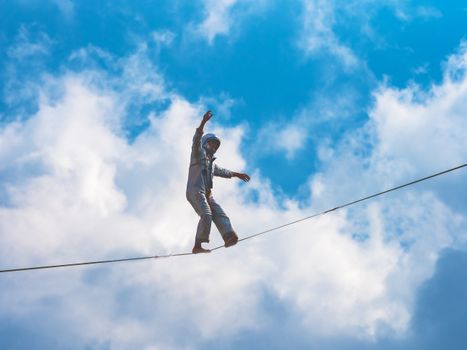
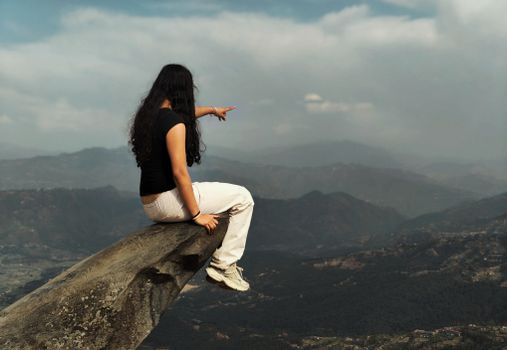
That moment, that first solo trip, wasn't just a vacation; it was a revolution. And if you're standing at that same precipice, heart pounding, dreaming of adventure but shackled by fear, then this post is for you. I'm here to tell you that those fears are normal, valid, and absolutely conquerable. You don't need to be fearless; you just need to be brave enough to take the first step. And I'm going to show you how to do it.
1. Acknowledging the Beast: What Are Solo Travel Fears, Really?
Let’s be honest: solo travel isn't all Instagram-perfect sunsets and spontaneous adventures. There's a raw, vulnerable side to it, especially when you're just starting. The first step to overcoming your fears is to actually name them. What specifically makes you anxious about traveling alone?
Common Solo Travel Fears (and why they’re normal!):
- Loneliness: “What if I don’t meet anyone? What if I spend all my time alone?” This is perhaps the most common fear. We're social creatures, and the idea of being isolated in a foreign land can be daunting.
- Safety & Security: “What if I get robbed? What if I get sick? What if I'm in danger?” Especially for solo female travelers, safety concerns are paramount and valid.
- Getting Lost or Navigational Woes: “I have no sense of direction! What if I can’t figure out public transport or find my accommodation?” The thought of being stranded and unable to communicate can be paralyzing.
- Budget & Financial Stress: “What if I run out of money? What if I overspend?” Money worries can quickly dampen any excitement.
- Language Barriers: “What if I can’t communicate? What if I offend someone?” The idea of not being understood can feel isolating.
- Decision Fatigue & Overwhelm: “I have to plan everything myself? What if I make the wrong choices?” The sole responsibility can be heavy.
Understanding that these fears are universal is crucial. Every seasoned solo traveler has faced at least one of these. The difference? They found ways to navigate them. And so will you.
Actionable Tip: Grab a notebook. Write down every single fear, no matter how silly it seems. Once they're on paper, they become less abstract and more manageable.
2. The Pre-Trip Power-Up: Strategic Planning for Peace of Mind
Fear often thrives in uncertainty. By minimizing unknowns, you chip away at its power. This isn't about planning every minute detail, but about building a solid foundation of preparedness.
a. Research, Research, Research (But Don't Overdo It!): Before I went to Vietnam, I spent weeks poring over blogs, Reddit threads, and travel guides. I wasn't just looking for "things to do"; I was looking for practicalities: How do I get from the airport to my hotel in Hanoi? What are common scams to watch out for? What's the local etiquette for eating street food?
- Destination Deep Dive: Choose a destination that feels manageable for a first solo trip. Southeast Asia (Thailand, Vietnam), Western Europe (Portugal, Spain, Italy), or even parts of Central/South America (Costa Rica, Colombia) are popular for solo travelers due to established tourist infrastructure and generally friendly locals.
- Accommodation Smarts: Book your first 2-3 nights in advance. Don't arrive in a new city without a plan. Look for well-reviewed hostels (many have private rooms!), guesthouses, or boutique hotels. Read reviews specifically from other solo travelers. I once stayed at The Independente Hostel & Suites in Lisbon, and their private rooms were beautiful, plus the common areas made it easy to meet people. A dorm bed there might cost €25-€40/night, a private room €80-€120.
- Transportation Logistics: Understand how to get from the airport to your accommodation. Is there a reliable taxi service, a specific bus, or a ride-sharing app? Grab is fantastic in Southeast Asia, Uber in many other places. Have the address written down in the local language if possible.
b. The Safety Toolkit: This is non-negotiable, especially for solo female travelers.
- Travel Insurance: This isn't an expense; it's an investment. Look for policies that cover medical emergencies, trip cancellations, lost luggage, and personal liability. SafetyWing and World Nomads are popular choices for backpackers. A comprehensive policy can cost anywhere from $30-$100+ for a month, depending on coverage.
- Emergency Contacts: Keep a physical list of emergency numbers (local police, embassy, family back home) in your wallet and phone. Share your itinerary with a trusted friend or family member.
- Offline Maps: Download Google Maps offline for your destination. It's a lifesaver when you lose signal or don't have data.
- Safety Apps: Consider apps like bSafe or Noonlight that can alert contacts if you feel unsafe.
- Scam Awareness: Research common scams in your destination. Knowledge is power. For example, in Rome, watch out for the "friendship bracelet" scam around the Colosseum.
c. Budgeting Like a Boss: Financial stress is a huge fear. A clear budget removes a lot of that anxiety.
- Daily Budget: Estimate your daily spend for food, transport, activities. For Southeast Asia, you might budget $30-$50/day. For Western Europe, $60-$100+/day.
- Emergency Fund: Always have an extra 10-20% set aside for unexpected costs. My friend once had an emergency dental visit in Budapest that cost her over €200, but her emergency fund saved the day.
- Payment Methods: Carry a mix of cash and cards. Inform your bank of your travel dates to avoid card freezes. Consider a travel-friendly credit card with no foreign transaction fees.
Actionable Tip: Create a simple spreadsheet for your budget. Track estimated costs for flights, accommodation, activities, food, and transport. This visual breakdown will give you a sense of control.
3. Conquering Loneliness: How to Connect (Without Trying Too Hard)
Ah, loneliness – the specter haunting every solo traveler's dreams. But here's the secret: you're rarely truly alone unless you want to be. Solo travel is often about finding your tribe on the road.
a. The Hostel Magic (Even for Introverts!): Hostels are social hubs. Even if you book a private room, the common areas are designed for interaction.
- Common Areas: Hang out in the lounge, kitchen, or bar. Bring a book or your laptop, but be open to conversation.
- Hostel Activities: Many hostels organize free walking tours, pub crawls, cooking classes, or movie nights. These are golden opportunities to meet people in a low-pressure environment. I met some of my best travel buddies on a free walking tour in Budapest, organized by my hostel, Maverick City Lodge.
- "Hey, where are you from?" This simple question is your solo travel superpower. Everyone is usually open to a chat.
b. Guided Tours & Classes: Joining a day tour (e.g., a cooking class in Chiang Mai, a historical tour in Athens, a snorkeling trip in the Philippines) is a fantastic way to meet fellow travelers with shared interests. You're already doing an activity together, so conversation flows naturally. I once joined a street art tour in Berlin, and by the end, our small group went for lunch together.
c. Digital Lifelines & Local Connections:
- Travel Apps: Hostelworld has a social feature where you can see who else is staying at your hostel. Meetup is great for finding local events and groups based on your interests (hiking, photography, language exchange).
- Facebook Groups: Join solo travel groups or groups specific to your destination (e.g., "Expats & Travelers in Lisbon"). Post a question or suggest a meet-up.
- Local Experiences: Use platforms like Airbnb Experiences or GetYourGuide to book unique activities led by locals. This is a brilliant way to gain insight into the culture and connect with residents. I learned to make pasta from scratch with a lovely Italian nonna in Rome through Airbnb Experiences – it was unforgettable.
d. Embracing the Solo Table: Sometimes, you will eat alone. And that's okay! Bring a book, journal, or simply people-watch. It's a chance for reflection and observation. I used to dread eating alone, but now I cherish it. My favorite memory is enjoying a delicious Pho in a bustling Hanoi street food stall, just me and the vibrant chaos around me. It was pure bliss.
Actionable Tip: Book one activity that forces you into a group setting within your first 48 hours. This immediate interaction will build your confidence.
4. Safety First, Fear Last: Smart Strategies for Solo Explorers
Safety is often the biggest hurdle, especially for solo female travelers. While no place is 100% risk-free, smart strategies significantly mitigate potential dangers.
a. Trust Your Gut – Your Internal GPS: This is your most powerful safety tool. If a situation, person, or area feels off, it probably is. Don't second-guess yourself to be polite. Walk away. Change your plans. My gut once told me not to take a specific shortcut in a less-trafficked area of Barcelona, and I'm so glad I listened, even if it meant a longer walk.
b. Blend In, Don't Stand Out:
- Dress Appropriately: Respect local customs regarding dress, especially in religious sites. Avoid flashy jewelry or designer bags that scream "tourist."
- Be Aware of Your Surroundings: Limit phone use while walking. Don't wear headphones at night. Keep an eye on your belongings in crowded areas.
- Avoid Walking Alone at Night: If you must, stick to well-lit, busy streets. Use ride-sharing apps (like Uber or Grab) or pre-booked taxis. Always share your ride details with a trusted contact.
c. Secure Your Valuables:
- Money Belt/Hidden Pouch: For passports, large sums of cash, and extra credit cards.
- Day Bag Security: Consider a cross-body bag worn in front, or a backpack with anti-theft features (like Pacsafe). Avoid keeping your phone or wallet in back pockets.
- Hostel Lockers: Use them! Bring your own padlock or be prepared to buy one.
d. The Art of the "Fake Call": If you're ever feeling uncomfortable walking alone, pretend to be on the phone with someone. Speak loudly, mention a specific person, and act like you're being met. This projects an image of being connected and expected, which can deter potential opportunists.
e. Know Your Exits: When entering a restaurant, bar, or public space, quickly scan for exits. It's a subtle habit that builds situational awareness.
f. Share Your Itinerary: Regularly update a trusted friend or family member with your plans, accommodation details, and how to reach you. This provides peace of mind for both you and them. I use a shared Google Doc with my family for my itinerary.
Actionable Tip: Before you leave, practice walking confidently with purpose. Research common safety tips for your specific destination.
5. Budgeting & Logistics: Taming the Practical Worries
Money and logistics often feel like the most tangible fears. But with a bit of savvy, you can manage them like a pro.
a. Smart Money Management:
- ATM Withdrawals: Use ATMs attached to banks during business hours for better security and assistance if your card gets stuck. Withdraw larger amounts less frequently to minimize transaction fees.
- Multiple Payment Options: Have at least two different credit/debit cards, stored in separate places. If one is lost or compromised, you have a backup.
- Track Your Spending: Use an app like Splitwise (even if just for yourself) or a simple notebook to track your daily expenses. This keeps you accountable and prevents overspending.
b. Navigating Transport Like a Local:
- Public Transport: Embrace it! It’s often the cheapest and most authentic way to get around. Research city passes or daily tickets for savings. In London, an Oyster card or contactless payment makes the Tube a breeze.
- Ride-Sharing Apps: As mentioned, Grab in Southeast Asia and Uber in many parts of the world are fantastic. They offer transparent pricing and trackable rides.
- Long-Distance Travel: For trains and buses, book in advance for better prices. Sleeper trains in places like Thailand or Vietnam are an experience in themselves and can save on accommodation costs! I once booked a sleeper bus from Hoi An to Nha Trang for about $15 – it was surprisingly comfortable and saved me a night's hostel fee.
c. Eating Well on a Budget:
- Street Food: Often the most delicious and affordable option. Just look for stalls with high turnover and locals eating there.
- Cook Your Own: If staying in a hostel with kitchen facilities, buy groceries and cook a few meals. This is also a great way to bond with other travelers.
- Lunch Deals: Many restaurants offer cheaper lunch menus.
- Water Bottle: Carry a reusable water bottle and refill it. Saves money and reduces plastic waste.
d. Packing Smart:
- Less is More: You only have one set of hands! Pack versatile clothing. Roll, don't fold, to save space.
- Essentials: Universal adapter, portable power bank, basic first-aid kit, a quick-dry towel, and any prescription medications.
- Digital Copies: Keep digital copies of your passport, visa, insurance, and bookings on your phone and in a cloud service.
Actionable Tip: Before your trip, practice managing your budget for a week at home. This will give you confidence in your ability to track expenses while traveling.
6. Embracing the Unexpected: Turning "Oh No!" into "Oh Wow!"
Let’s be real: things will go wrong. Your flight will be delayed, you’ll get lost, you’ll order something you didn’t expect, or your phone will die at the worst possible moment. The fear isn't that these things happen, but how you react to them.
a. The Power of Flexibility: Solo travel teaches you to adapt. When my train from Florence to Rome was unexpectedly cancelled, instead of panicking, I found a lovely cafe, used their Wi-Fi to book a new ticket for an hour later, and enjoyed a delicious pastry. It became a memorable "Italian delay" story.
b. Problem-Solving Muscle: Every hiccup is an opportunity to build your problem-solving skills and resilience. You'll be amazed at how resourceful you become when you're the only one responsible for finding a solution.
- Ask for Help: Don't be afraid to ask locals for directions or advice. Most people are genuinely kind and willing to assist. A simple "Excuse me, do you speak English?" followed by a smile can open doors.
- Google Translate: A lifesaver for language barriers. Download offline language packs.
- Deep Breaths: When things go south, take a moment. Breathe. Assess the situation calmly before reacting.
c. The Best Stories Come from the Unexpected: Seriously, the most interesting parts of my trips are rarely the perfectly executed plans. It's the time I accidentally ended up at a local festival in Portugal, or the hour I spent trying to communicate with a market vendor in Laos using only hand gestures and laughter. These are the moments that truly enrich your journey.
Actionable Tip: Before you leave, brainstorm a few "what if" scenarios (e.g., "What if I miss my bus?") and mentally walk through how you'd handle them. This mental preparation builds confidence.
7. The Mindset Shift: Your Secret Weapon Against Fear
Ultimately, overcoming solo travel fears isn't just about practical tips; it's about a fundamental shift in your mindset. It’s about cultivating self-compassion, resilience, and an unwavering belief in your own capabilities.
a. Celebrate Small Wins: Did you successfully navigate the subway? Did you order food in a foreign language? Did you strike up a conversation with another traveler? Celebrate these moments! Each small victory builds confidence and chips away at fear. My first time successfully ordering a coffee in Italian ("Un caffè, per favore!") felt like winning an Olympic medal.
b. Journal Your Journey: Writing down your experiences, thoughts, and feelings is incredibly powerful. When you look back at how far you've come, how many fears you've faced and overcome, it reinforces your strength. It's also a fantastic way to process emotions and reflect on your personal growth.
c. Embrace Discomfort: Growth happens outside your comfort zone. Solo travel will push you. You'll feel awkward, uncertain, and occasionally overwhelmed. Lean into it. Recognize that these feelings are part of the process, a sign that you're expanding your boundaries.
d. Be Kind to Yourself: There will be days when you feel exhausted, homesick, or just plain grumpy. That's okay. Don't beat yourself up for not being a perpetual ray of sunshine. Give yourself permission to have a lazy day, order room service, or just watch Netflix. Self-care is crucial.
e. Focus on the "Why": Why did you want to travel solo in the first place? Was it for freedom, self-discovery, adventure, or learning? Reconnect with that core motivation whenever fear creeps in. Let your "why" be stronger than your "what if."
Actionable Tip: Start a "Fear Tracker" in your journal. Each time you face a fear (even a small one) and push through it, write it down. Seeing your progress will be incredibly motivating.
---
My journey from that terrified girl in Phuket to the confident solo traveler I am today wasn't a sudden transformation. It was a gradual unfolding, a series of small, brave steps. Each fear I faced, each challenge I overcame, added another layer to my resilience, my self-belief, and my understanding of the world.
Solo travel isn't just about seeing new places; it's about seeing a new you. It’s about discovering your strength, your resourcefulness, and your incredible capacity for joy and adventure. It’s about learning to trust yourself implicitly, to be your own best friend, and to fall in love with the unscripted magic of life on the road.
Don't let fear steal your wanderlust. Don't let the "what ifs" overshadow the "what nows." The world is waiting, and you are far more capable than you know.
Your mind-blowing adventure starts now.
What's the first step you're going to take to overcome your solo travel fears? Share your thoughts in the comments below! And if this guide helped you, please share it with anyone who dreams of hitting the road alone.
---