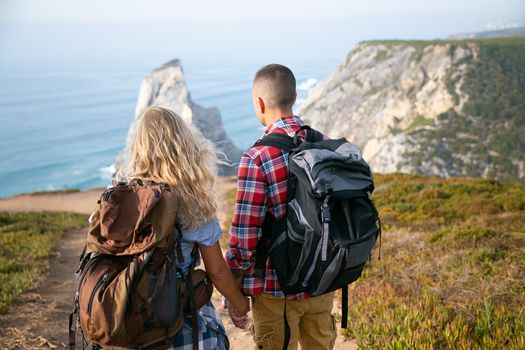
Europe for Under $50 a Day: My Life-Changing Budget Secrets That Will Change Yours Too!
Let's be honest: the idea of traveling Europe often conjures images of expensive flights, pricey hotels, and emptying your savings account faster than you can say "Eiffel Tower." For years, that's exactly what I thought too. Europe felt like a distant, luxurious dream, reserved for those with deep pockets or trust funds. My own travel fund was more like a puddle.
But then, a quarter-life crisis hit – hard. I was stuck in a rut, scrolling through Instagram feeds filled with friends gallivanting across picturesque European squares, and a deep longing ignited within me. "What if," I dared to whisper to myself, "what if I could do it differently? What if I could travel Europe on a shoestring budget?"
The challenge was set: travel Europe for under $50 a day. Most people laughed. My parents worried. My bank account looked terrified. But I was determined. What started as a desperate attempt to escape my mundane reality quickly evolved into the most exhilarating, eye-opening, and profoundly life-changing adventure I could have ever imagined. I learned that travel isn't about how much you spend; it's about how deeply you experience. And let me tell you, experiencing Europe for under $50 a day didn't just save me money – it taught me resilience, resourcefulness, and a profound appreciation for the simple, incredible beauty of the world.
This isn't just a collection of tips; it's the blueprint that took me from a hesitant dreamer to a confident, budget-savvy explorer. It's the story of how I unlocked the continent's magic without breaking the bank, and how you can too. Get ready, because your European adventure is about to become a reality.
1. Accommodation Hacks: Your Home Away From Home (for Less!)
Let's face it, accommodation is often the biggest budget killer. When you're aiming for under $50 a day, a €100 hotel room simply isn't an option. My secret weapon? Hostels. But not just any hostels.
I quickly learned to differentiate between party hostels and more laid-back, community-focused ones. Websites like Hostelworld and Booking.com became my best friends. I'd filter by "highly rated" and "budget," always checking the reviews for cleanliness, safety, and atmosphere. My sweet spot was typically €15-€25 per night for a bed in a 6-10 person dorm.
Personal Anecdote: In Lisbon, I stayed at a charming hostel in the Alfama district for €18 a night. It had a rooftop terrace with incredible views of the Tagus River, and they even offered free walking tours. I cooked most of my meals in their communal kitchen, saving a fortune on dining out. It was here I met a group of fellow solo travelers, and we ended up exploring the city together, sharing a €5 bottle of vinho verde on the rooftop each evening. That sense of community and shared adventure is something you simply don't get in a sterile hotel room.
Beyond Hostels:
- Couchsurfing: This is the ultimate free accommodation hack. I used it in smaller towns in France and Germany, not only saving money but gaining incredible insights into local life. My host in Bordeaux, a retired teacher, gave me a private tour of his favorite vineyards and taught me how to make a perfect omelette. Just be sure to create a detailed profile, read reviews carefully, and trust your gut.
- Overnight Buses/Trains: Kill two birds with one stone! A night bus from Berlin to Prague (often around €20-€35) not only gets you from A to B but also saves you a night's accommodation. It might not be the most comfortable sleep, but it's efficient and budget-friendly. I've done this countless times, waking up refreshed (mostly!) and ready to explore a new city.
- Camping: If you're adventurous and traveling during warmer months, camping can be incredibly cheap. Many European countries have designated campsites that are very affordable (€5-€15). In countries like Norway or Sweden, "Allemansrätten" (the right to roam) allows wild camping, but always check local regulations.
- House Sitting: For longer stays, sites like TrustedHousesitters can offer free accommodation in exchange for looking after pets and homes. I haven't personally done this in Europe yet, but I've met many travelers who swear by it.
Actionable Tip: Always book your accommodation a few days to a week in advance, especially in popular cities or during peak season. Last-minute bookings are often more expensive. And always, always pack earplugs and an eye mask for dorm rooms!
2. Mastering Meals: Eating Like a Local (Without Breaking the Bank)
Food is a huge part of the travel experience, and it's easy for costs to spiral. My rule of thumb? One splurge meal, two budget meals.
- Supermarket Savvy: This is your culinary lifeline. My daily routine often involved a trip to a local supermarket (Lidl, Aldi, Carrefour, Billa, Tesco, etc.) for breakfast and lunch supplies. A baguette, cheese, cured meats, and some fruit cost me around €5-€8 and made for an incredible picnic lunch by a canal in Amsterdam or under the Brandenburg Gate in Berlin. Many hostels have communal kitchens, making it easy to cook simple pasta dishes, stir-fries, or even a full breakfast for a fraction of restaurant prices.
- My Go-To Hostel Meal: Pasta with pesto, cherry tomatoes, and a can of tuna – costs less than €5 and feeds two!
- Street Food & Local Markets: Embrace the street food culture! This is where you find authentic, delicious, and cheap eats.
- Portugal: Pastéis de Nata for €1-€1.50. A Bifana (pork sandwich) for €3-€4.
- Italy: Pizza al taglio (pizza by the slice) for €2-€5, arancini (fried risotto balls) for €1-€3.
- Germany: Currywurst for €3-€4.
- France: Crêpes (sweet or savory) for €3-€7.
- Spain: Tapas bars often have "pinchos" (small snacks) for €1-€2, especially outside major tourist zones.
- Hungary/Czech Republic: Lángos (fried bread with toppings) or Trdelník (sweet pastry) for €2-€4.
Local markets are also fantastic for fresh produce, cheeses, and baked goods at excellent prices.
- Lunch Deals (Menu del Día/Pranzo di Lavoro): Many European restaurants offer fantastic lunch specials, often a multi-course meal for a set price. In Spain, a "Menu del Día" can get you a starter, main, dessert, and a drink for €10-€15. In Italy, "Pranzo di Lavoro" offers similar value. These are usually available from 12 PM to 3 PM. Always look for these signs displayed outside restaurants, especially a few blocks away from the main tourist squares.
- Hydration Hack: Carry a reusable water bottle. Most cities have public fountains, and hostels/cafes are often happy to refill it for you. Buying bottled water every day adds up quickly.
Actionable Tip: Download offline maps (like Google Maps or Maps.me) and mark supermarkets and local eateries you find online. Avoid eating within two blocks of major tourist attractions; prices drop dramatically just a short walk away.
3. Transportation Triumphs: Getting Around Europe on a Shoestring
Moving between cities and within them can devour your budget if you're not smart.
- Intercity Travel:
- Buses are King: My absolute favorite budget option for intercity travel was FlixBus. I've traveled across Germany, France, Italy, and Eastern Europe for as little as €5-€30 a journey. Yes, it's slower than a train, but the savings are immense. Book well in advance for the best prices.
- BlaBlaCar: Carpooling is another fantastic option, especially for reaching places not well-served by buses or for last-minute trips. I used BlaBlaCar to get from Florence to Siena for €7, sharing a ride with locals who gave me great tips.
- Regional Trains: Sometimes, regional trains (especially in Eastern Europe or during off-peak hours) can be surprisingly affordable. Always check local train websites in addition to Eurail or Interrail passes (which might be too expensive for a strict $50/day budget unless you're doing extensive travel over a longer period).
- Budget Airlines (Use Sparingly!): Ryanair and Wizz Air offer incredibly cheap flights, sometimes for less than a bus ticket. However, this only works if you book far in advance, travel with just a small personal item (no checked luggage!), and are flexible with dates. I used this for a specific route from Budapest to Rome for €20, but it was a rare exception. Always factor in airport transfers, which can sometimes negate the flight savings.
- Intracity Travel:
- Walk, Walk, Walk! This is hands down the best way to experience any European city. Not only is it free, but you stumble upon hidden gems, charming cafes, and local life you'd miss from a bus window. My average step count in Europe was often 25,000-30,000 steps a day – great exercise too!
- Public Transport Passes: For larger cities, consider a 24-hour, 48-hour, or weekly public transport pass. In Rome, a 7-day metro/bus pass was €24, saving me a lot compared to individual tickets. In Lisbon, I got a rechargeable Viva Viagem card and loaded it with Zapping credit.
- Bike Rentals: Many cities like Amsterdam, Berlin, and Copenhagen are incredibly bike-friendly. Rentals can be as cheap as €5-€10 for a day, offering a fun and efficient way to explore.
Personal Anecdote: I remember being in Budapest, exhausted after a long day of walking. I checked my budget – I had €3 left for the day. Instead of taking the metro, I decided to walk the extra 45 minutes back to my hostel. Along the way, I discovered a small, unassuming bar where locals were singing karaoke. I grabbed a €2 beer, sat down, and ended up having one of the most memorable, authentic evenings of my entire trip, all because I chose the free option.
4. Free & Frugal Fun: Experiences That Don't Cost a Euro
This is where the magic truly happens. You don't need expensive tours or entrance fees to immerse yourself in Europe's rich culture and beauty.
- Free Walking Tours (Tip-Based): Almost every major European city offers free walking tours. These are fantastic. The guides are often locals, passionate about their city, and give you a great overview of history, culture, and hidden spots. Remember to tip them generously at the end (I usually aimed for €5-€10, depending on the tour quality and my budget for the day – still far cheaper than paid tours!). I learned so much about the Roman Empire on a free tour in Rome and discovered fantastic street art in Berlin this way.
- Museum Free Days/Evenings: Many world-class museums offer free entry on specific days or evenings of the week/month. Research this before you go!
- Paris: The Louvre is free on the first Saturday evening of each month (from 6 PM to 9:45 PM) and on Bastille Day (July 14th). Many other national museums are free on the first Sunday of the month.
- London: Most major museums (British Museum, National Gallery, Tate Modern) are always free! (Though London is a bit harder for the $50/day challenge).
- Rome: The Pantheon is free. St. Peter's Basilica is free (though you pay for the dome climb). Many churches are free to enter.
- Parks, Gardens & Public Spaces: Europe is dotted with stunning parks, grand squares, and beautiful gardens. Pack a picnic, people-watch, read a book, or simply soak in the atmosphere.
- Paris: Luxembourg Gardens, Tuileries Garden.
- Berlin: Tiergarten.
- Barcelona: Parc de la Ciutadella.
- Rome: Villa Borghese.
- Churches & Cathedrals: Many magnificent cathedrals and churches are free to enter (though some might charge for specific sections or climbing towers). Marvel at the architecture, stained glass, and serene atmosphere.
- Hiking & Nature: If you love the outdoors, Europe offers incredible hiking trails, from coastal paths to mountain treks. This is completely free and offers breathtaking views. I spent a day hiking around Lake Bled in Slovenia, a truly unforgettable experience that cost me nothing but a bus ticket there and back.
- Local Festivals & Markets: Check local listings for free festivals, concerts, or markets happening during your visit. These are fantastic for experiencing local culture and often have cheap food options.
Actionable Tip: Before arriving in a new city, spend an hour researching "free things to do in [City Name]." You'll be amazed at how many incredible experiences don't cost a dime. Prioritize these, and save your budget for one or two "must-do" paid attractions.
5. Mindset & Money Management: The Unsung Heroes of Budget Travel
This isn't just about cutting costs; it's about shifting your entire approach to travel.
- Track Every Euro: This is non-negotiable. I used a simple spreadsheet on my phone to track every single expense. Seeing exactly where my money was going helped me adjust daily. If I splurged on a nice meal one day, I knew I needed to cook more in the hostel the next. This discipline is key to staying under $50.
- Prioritize Experiences Over Possessions: Do you really need that souvenir t-shirt, or would that money be better spent on a local delicacy or an extra night in a charming town? I learned to value memories and experiences far more than material possessions. My "souvenirs" were photos, journal entries, and the stories I collected.
- Flexibility is Your Friend: Being rigid with your itinerary can cost you. If a bus ticket to your next destination is €30 today but €15 if you wait one more day, can you be flexible? Sometimes, a change of plans can lead to unexpected adventures and savings.
- Learn Basic Phrases: A simple "Hello," "Thank you," and "Excuse me" in the local language goes a long way. Locals appreciate the effort, and it can sometimes lead to better service or even a discount. Plus, it enriches your cultural immersion.
- Travel Insurance (Non-Negotiable): While you're on a budget, travel insurance is one area you never skimp on. I budgeted about $1-$2 a day for comprehensive insurance. A broken ankle or lost passport can derail your trip and your finances faster than anything else. Safety Wing or World Nomads are popular options for backpackers.
- Money Cards: Ditch your traditional bank card if it charges foreign transaction fees. Get a travel-friendly debit card like Revolut, N26, or Monzo, which offer excellent exchange rates and low (or no) ATM fees. Always withdraw larger sums to minimize ATM charges.
Personal Anecdote: There was a day in Krakow where I had spent €45 by lunchtime. I was panicking. I had bought a small souvenir and had a slightly pricier lunch. For the rest of the day, I relied entirely on free activities: a long walk through the Jewish Quarter, exploring Wawel Castle grounds (free entry to the courtyard), and enjoying a free classical music performance in a church. For dinner, I made a simple sandwich from supermarket leftovers. I ended the day at €48. It was a challenge, but the sense of accomplishment, and the realization that I could still have incredible experiences without spending, was incredibly empowering.
My Life-Changing Journey: More Than Just a Budget
Traveling Europe for under $50 a day wasn't just about saving money; it was a masterclass in living intentionally. It taught me to be present, to appreciate the small things, and to find joy in resourcefulness. I learned to trust my instincts, to navigate unfamiliar streets, and to connect with people from all walks of life.
I came back a different person. The world felt smaller, more accessible, and brimming with possibility. I was more confident, more adaptable, and infinitely more grateful. The "impossible dream" had not only become a reality but had reshaped my entire perspective on life and what truly matters.
This journey proved that incredible adventures aren't reserved for the wealthy. They're waiting for anyone with an open mind, a sense of adventure, and a willingness to step outside their comfort zone.
Ready to Change Your Life?
Europe is calling, and it's more accessible than you think. This guide isn't just about saving money; it's about unlocking a deeper, richer, and more authentic travel experience that will stay with you long after you've unpacked your backpack.
So, what are you waiting for? Start planning your adventure. Embrace the challenge. Trust in your resourcefulness. And prepare to have your life changed forever.
Have you traveled Europe on a budget? What are your top tips? Share your stories in the comments below!
---