The Call of the Ruin: How Abandoned Castles Changed My Life Forever
There’s a moment in every traveler’s journey where the well-trodden path loses its luster. For me, it happened somewhere between a selfie stick forest at the Eiffel Tower and an overpriced gelato near the Colosseum. Don’t get me wrong, iconic landmarks are iconic for a reason, but something was missing. The curated experiences, the velvet ropes, the sheer volume of humanity – it all started to feel... hollow. I craved authenticity, a whisper of history untainted by gift shops, a connection that felt personal, not pre-packaged.
Then, almost by accident, I stumbled upon a forgotten ruin on a remote Irish coastline. It wasn't a grand, restored fortress; it was a mere skeletal remains of a tower house, battered by centuries of Atlantic gales, its stones stained with moss and salt. And it was utterly, breathtakingly free. As I stood there, wind whipping my hair, the only sound the crashing waves and the cries of gulls, a profound realization washed over me. This wasn't just a pile of stones; it was a testament to time, resilience, and forgotten lives. It was raw, real, and it spoke to my soul in a way no polished museum ever could.
That day, my travel philosophy shifted. I became a seeker of the forgotten, a pilgrim of the past. I started hunting for abandoned castles, those magnificent husks of history left to the elements, free for anyone brave and respectful enough to explore. What I found wasn't just ancient architecture; it was a treasure trove of introspection, adventure, and lessons that genuinely changed my life forever. If you, too, yearn for travel that goes deeper, that challenges and inspires, then prepare to have your world rocked by the magic of free, abandoned castles.
Why Abandoned Castles Are My Greatest Teachers (And Can Be Yours Too!)
Forget the guidebooks. Forget the queues. Exploring an abandoned castle is an entirely different beast. It's a dialogue with history, not a lecture. There's no interpretive signage, no gift shop, no admission fee – just you, the elements, and the silent stories etched into every crumbling stone.
Authenticity Unveiled: These places haven't been sanitized for tourist consumption. They are raw, beautiful in their decay, and deeply authentic. You're not looking at a replica or a heavily restored facade; you're touching the very stones that have witnessed centuries unfold. This unfiltered experience allows for a connection that feels deeply personal, almost sacred.
The Thrill of Discovery: Finding these hidden gems often requires a bit of detective work, a willingness to stray from paved roads, and sometimes, a muddy hike. But the reward? The exhilarating moment when a forgotten tower peeks through the trees or a vast ruin spreads before you, untouched and magnificent, is unparalleled. It’s a feeling of earning your view, of being an explorer, not just a tourist.
A Canvas for Imagination: Without the constraints of curated narratives, your imagination is free to roam. Who lived here? What battles were fought? What secrets do these walls hold? Each creaking archway and overgrown courtyard becomes a stage for your own historical drama, a personal journey through time.
Profound Lessons in Impermanence: Standing amidst the ruins of what was once a symbol of immense power and wealth is a humbling experience. It's a powerful reminder of the cyclical nature of life, the transient nature of human endeavors, and the enduring power of nature to reclaim what was once hers. This perspective shift has been one of the most significant gifts these ruins have given me.
My first truly immersive abandoned castle experience, beyond that Irish tower, was a small, nameless fort near a village in rural England. I’d seen it faintly marked on an old ordnance survey map. After navigating a maze of overgrown footpaths and climbing over a stile marked "Private Property – Local Access Only," I emerged into a clearing. There it was: a squat, Norman-era keep, half-collapsed, with gaping holes where windows once were, a lone sentinel against the vast sky. The silence was absolute, broken only by the rustling of leaves and my own quickened breath. I spent hours there, sketching, photographing, and simply being. It was then I knew this was more than just a hobby; it was a calling.
The Whispering Walls of Ardgowan Ruin, Scotland
My journey into the world of abandoned castles soon led me to the dramatic, windswept coast of Scotland. I’d heard whispers of a place locals called "Ardgowan Ruin" – not a famous landmark, but a truly forgotten tower house perched precariously on a cliff edge, overlooking the churning grey expanse of the North Sea.
The Discovery: Finding Ardgowan was an adventure in itself. It wasn't on Google Maps as a tourist attraction, but marked as an archaeological site on a very detailed local hiking map I picked up from a tiny village shop. The proprietor, a stoic woman with eyes that held centuries of Scottish history, simply pointed a gnarled finger and said, "Aye, ye'll find it if ye're meant to." The path was faint, muddy, and often disappeared into dense gorse bushes, forcing me to push through thorny branches, earning every step.
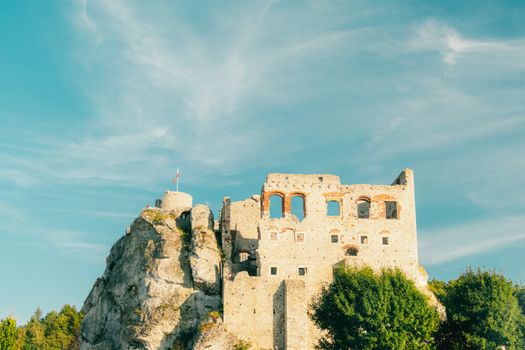
The Experience: When Ardgowan finally revealed itself through a shroud of mist, it took my breath away. It was a single, defiant tower, its battlements crumbling like ancient teeth, its interior open to the sky. The wind howled through its empty window frames, creating an ethereal, mournful song. Inside, the ground was uneven, covered in a thick carpet of moss and hardy grasses, with remnants of spiral stairs clinging to the wall, leading nowhere. I could almost feel the presence of its former inhabitants, hear the clang of swords, the crackle of a hearth fire. Standing there, gazing out at the endless sea, I felt utterly insignificant, yet profoundly connected to the vast tapestry of time. It was a moment of pure, unadulterated awe.
Practicality & Instagram Moment: Ardgowan is a true testament to nature reclaiming its own. Access is free, but requires sturdy hiking boots, weather-appropriate gear (Scottish weather is famously fickle!), and a good sense of direction. Parking is non-existent; you’ll need to leave your car in the nearest village and hike a good hour or two. The best time to visit is early morning or late afternoon for dramatic light, especially when the mist rolls in, giving the ruin an otherworldly glow. Capture the sheer scale of the tower against the dramatic coastline, the textures of the moss-covered stones, and the lone sentinel feel. Just imagine that shot for your feed!
Château de Belleforêt: A French Fairytale Reclaimed by Nature
From the rugged Scottish coast, my quest for forgotten beauty led me deep into the heart of rural France, to a place known only to a handful of locals as "Château de Belleforêt." This wasn't a fortress of war, but a sprawling, romantic château, now swallowed whole by an ancient forest, its elegant decay a poignant reminder of forgotten grandeur.
The Discovery: A local farmer, whom I’d struck up a conversation with at a market, casually mentioned an "old house" on his family's property that "no one goes to anymore." With a vague wave of his hand and a chuckle, he gave me directions that involved "the big oak," "the path that disappears," and "when you think you're lost, you're almost there." He kindly allowed me to explore, emphasizing respect for the land.
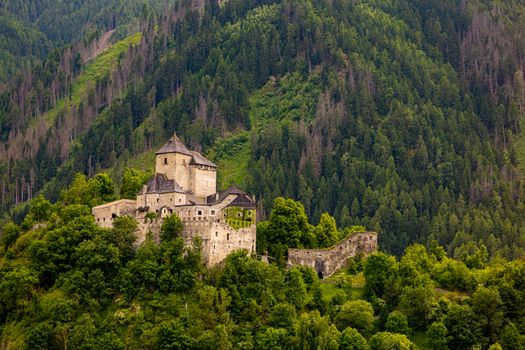
The Experience: The hike was less arduous than Ardgowan, but far more enchanting. The forest was thick and ancient, sunlight dappling through the canopy, creating an almost magical atmosphere. After about an hour, a flash of grey stone broke through the green. It was breathtaking. Ivy, thick as tree trunks, snaked up walls, embracing balconies, and claiming entire turrets. Windows gaped like empty eyes, revealing interiors where trees now grew through the floorboards. I carefully navigated a collapsed section to find a hidden courtyard, overgrown with wild roses and ferns, where a moss-covered fountain once flowed. The silence here was different – a gentle hush, broken only by birdsong. I sat on a fallen stone, imagining garden parties, whispered secrets, and the echo of laughter that once filled these halls. This wasn't just a castle; it was a ghost of a fairytale, poignant and beautiful.
Practicality & Instagram Moment: Château de Belleforêt (or similar properties) are often on private land, so always seek permission if you can identify the owner. If not, ensure public access is clearly indicated. The best time to visit is autumn, when the leaves turn fiery red and gold, creating a stunning contrast with the grey stone and green ivy. Spring also offers beautiful wild flowers. For photos, focus on the intricate details reclaimed by nature: ivy-framed windows, forgotten statues peeking through foliage, and the interplay of light and shadow in the overgrown interiors. Think ethereal, romantic, and slightly melancholic.
Burg Eichenstein: Echoes of Empire in Germany's Black Forest
My exploration wouldn't be complete without a visit to a truly imposing ruin, and Burg Eichenstein in Germany’s Black Forest delivered in spades. Unlike the romantic decay of Belleforêt or the isolated defiance of Ardgowan, Eichenstein was a vast, strategic fortress, its very stones exuding power and a more austere, formidable past.
The Discovery: I found Burg Eichenstein through a German hiking forum, where it was mentioned as a challenging but rewarding detour from a popular long-distance trail. It wasn't advertised anywhere, simply known to serious hikers and history buffs. The forum post included a rough GPS coordinate and a warning about the steep ascent.
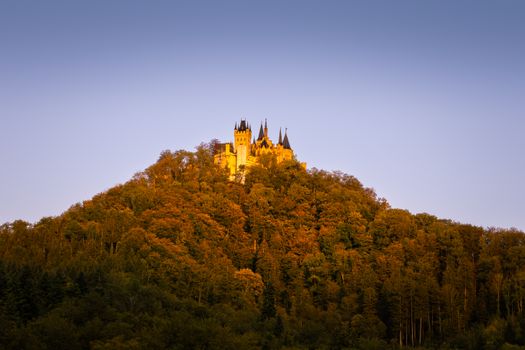
The Experience: The climb was indeed steep, a winding path through dense pine forests that felt like something out of a Brothers Grimm tale. But as I emerged onto the exposed ridge, the sheer scale of Burg Eichenstein took my breath away. It was a sprawling complex of walls, towers, and courtyards, covering an entire hilltop. Unlike the previous castles, Eichenstein felt less intimate, more grand and imposing, a testament to medieval engineering and military might. I spent hours exploring its various levels, climbing carefully over fallen stones, peering through arrow slits that offered panoramic views of the dark, rolling forests below. The wind here was a constant companion, whistling through the empty halls, carrying echoes of countless centuries. I imagined knights in shining armor, the clang of steel, the shouts of battle. It felt like standing on the precipice of history, a silent observer to the rise and fall of empires. The solitude, given the castle’s size, was profound; I felt like the last person on Earth, lost in a timeless realm.
Practicality & Instagram Moment: Burg Eichenstein, like many German Burgruinen, is often publicly accessible via hiking trails and is free. Always check local trail maps and conditions. Wear robust hiking boots and bring plenty of water, especially for the ascent. The views from the battlements are incredible, offering sweeping panoramas of the Black Forest – perfect for wide-angle shots. Capture the dramatic scale of the walls, the intricate stonework, and the interplay of light and shadow within the vast courtyards. Think epic, ancient, and a little bit haunting.
Your Journey into the Forgotten: Essential Tips for Ethical Exploration
Inspired to start your own adventure? Fantastic! But remember, exploring abandoned castles comes with responsibility. These aren't theme parks; they are fragile historical sites that deserve our utmost respect. Here are my essential tips for a safe, ethical, and profoundly rewarding experience:
- Safety First, Always:
- Structural Integrity: Assume nothing is stable. Do NOT climb on crumbling walls or enter areas that look precarious. Many parts of abandoned castles are unstable and dangerous.
- Watch Your Step: Uneven ground, hidden holes, loose stones, and debris are common. Wear sturdy, closed-toe hiking boots with good ankle support.
- Weather: Check the forecast. Rain makes surfaces slippery, and wind can be dangerous on exposed ruins.
- Go Prepared: Carry a basic first-aid kit, water, snacks, a fully charged phone, and a power bank. Inform someone of your plans and expected return time. Consider bringing a headlamp, even during the day, for dark interior spaces.
- Never Go Alone (If Possible): While I often explore solo, it's safer to have a companion, especially in remote or potentially dangerous locations.
- Leave No Trace, Take Only Photos:
- Respect History: These sites are irreplaceable. Do not deface walls, move stones, or take anything as a souvenir. Leave it exactly as you found it.
- Pack It In, Pack It Out: Carry out all your trash, including organic waste like fruit peels.
- Wildlife: Be mindful of resident wildlife. These ruins are often home to birds, bats, and other creatures.
- Research is Key:
- Access: Verify if the castle is on public land or if access is permitted. Some ruins are on private property, and trespassing is illegal. Local tourist offices, historical societies, or online forums can be great resources.
- History: A little background research enhances the experience. Knowing the castle’s story makes its ruins even more evocative.
- Local Regulations: Are there any specific rules for the site (e.g., no drones, restricted areas)?
- Gear Up Smart:
- Navigation: A reliable map (physical or offline GPS), compass, or a dedicated hiking app is crucial, especially for remote locations. Cell service can be spotty.
- Camera Gear: A wide-angle lens for sweeping shots, a telephoto for details, and a sturdy tripod for low-light or long exposure shots. Protect your gear from dust and damp.
- Appropriate Clothing: Layers are always best, along with waterproof outer shells.
- Timing Matters:
- Off-Season: Visiting during shoulder seasons (spring/autumn) or off-season generally means fewer people and more solitude.
- Golden Hour: Early morning or late afternoon light creates the most dramatic and atmospheric photos. Plus, you often have the place to yourself.
- How to Find Them:
- Local Resources: Ask locals in small villages, check obscure hiking maps, or visit regional tourist information centers for "less popular" sites.
- Online Forums & Blogs: Niche travel forums, urban exploration (urbex) sites (with caution, as some promote illegal access), and specialized historical blogs can reveal hidden gems.
- Satellite Maps: Google Maps satellite view can be surprisingly effective for spotting ruins in forested or remote areas. Look for unusual stone formations or cleared areas.
The Legacy of Stone and Spirit
My journey through these free, abandoned castles has been far more than just a series of trips; it's been a profound education. They've taught me patience, resilience, and the beauty of decay. They've broadened my perspective on history, reminding me that the past isn't just dates and names, but tangible places where lives were lived, dreams were forged, and empires crumbled. Most importantly, they've shown me that the most enriching travel experiences often cost nothing but your curiosity, your effort, and your willingness to step off the beaten path.
The silence of these ruins has been louder than any lecture, their crumbling walls more eloquent than any textbook. They are places of immense beauty, quiet contemplation, and powerful adventure. They changed my life by making me appreciate the raw, the authentic, and the profound stories that lie hidden just beyond the tourist trails.
So, what forgotten wonders await you? Are you ready to trade the crowds for quiet contemplation, the polished for the raw, the curated for the truly authentic? Take that leap. Research a local ruin, pack your bag, and set off. You might just find that the greatest treasures are not behind velvet ropes, but freely offered by the earth, waiting patiently to share their ancient wisdom.
Share your own experiences! Have you explored an abandoned castle for free? What did you discover? Drop your stories and tips in the comments below – let's inspire each other to find the next life-changing ruin!
---