Introduction: The Unexpected Delight of a Family-Run Trattoria
My most vivid travel memory isn't of a sprawling museum or a famous landmark. It's the aroma of simmering ragu and the warm embrace of Signora Emilia, the owner of a tiny, family-run trattoria tucked away in a cobbled alley in Tuscany. That night, surrounded by the sounds of laughter and the taste of authentic Italian food, I understood the true magic of supporting local businesses. It wasn't just about the delicious meal; it was about connecting with a culture, a family, and a way of life that felt profoundly real. This blog post is dedicated to those hidden gems – the local businesses that deserve a spot on your bucket list.
1. Artisan Coffee Shops: Fueling Your Adventures with Local Flavors
Forget the generic coffee chains. Seek out the independent coffee roasters and artisanal cafes that are the heart and soul of a city's caffeine culture. In Medellin, Colombia, Cafe Revolución offers not just exceptional coffee but also a space for social activism and community engagement. In Kyoto, Japan, try % Arabica, known for its minimalist aesthetic and expertly brewed beans sourced from around the globe. Look for places that roast their own beans, use locally sourced milk, and employ passionate baristas who can tell you the story behind their coffee. The price might be a bit higher than a chain, but the experience and the support of a local business are priceless.
2. Family-Run Guesthouses: Immerse Yourself in Local Life
Instead of opting for a sterile hotel chain, consider staying in a family-run guesthouse. These often offer a more intimate and authentic experience, providing a glimpse into the daily life of the community. In Kathmandu, Nepal, I stayed at a guesthouse run by a family who welcomed me with open arms, sharing their stories, their food, and their culture. In Hoi An, Vietnam, many charming guesthouses offer cooking classes and personalized tours, allowing you to connect with the local community on a deeper level. These experiences are often far more affordable than luxury hotels, and the personal touch makes them truly memorable. Prices vary widely, but expect to pay between $20-$50 per night.
3. Local Markets: A Sensory Feast for the Senses
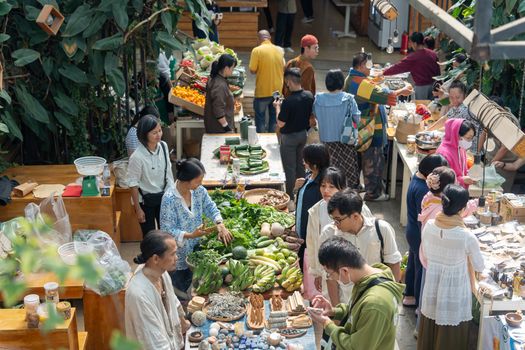
Local markets are a treasure trove of unique experiences and opportunities to support local producers. From the bustling spice markets of Marrakech to the vibrant flower markets of Amsterdam, these places offer a sensory explosion. In Marrakech, haggle respectfully for spices, textiles, and handcrafted goods, remembering that you're supporting artisans who have honed their skills for generations. In Amsterdam's Bloemenmarkt, the vibrant colors and fragrant blooms are a feast for the senses. Be sure to look for small, family-run stalls rather than larger vendors – this is where you'll find the most authentic and unique items.
4. Independent Restaurants: Taste the True Flavors of a Destination
Don't just eat where the tourists eat. Venture off the beaten path and discover local restaurants that offer authentic cuisine. In Lisbon, Portugal, explore the hidden Fado houses where you can enjoy traditional Portuguese food and music. In San Sebastián, Spain, indulge in pintxos (Basque tapas) at local bars, savoring the culinary creativity of the region. Look for places that are packed with locals – that's usually a good sign of authenticity and quality. Expect to pay a bit more than at tourist traps, but the quality and experience are usually worth the cost.
5. Artisan Workshops: Learn a New Skill and Support Local Crafts
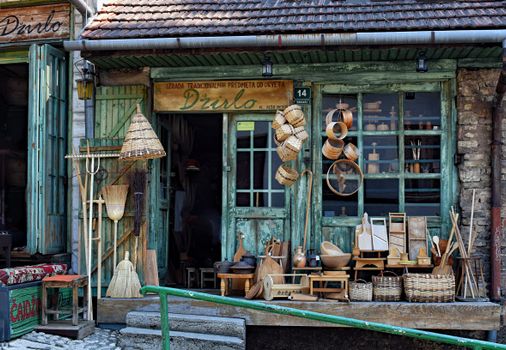
Many destinations offer artisan workshops where you can learn traditional crafts and support local artisans. In Oaxaca, Mexico, you can learn to make beautiful textiles from skilled weavers. In Bali, Indonesia, you can take a batik painting class and create your own unique piece of art. These workshops are not only a fun and enriching experience, but they also help preserve traditional skills and support local economies. Prices vary greatly depending on the location and the length of the workshop, but it's a fantastic way to create lasting memories and support local artisans.
6. Eco-Tours and Sustainable Activities: Travel Responsibly and Make a Difference
Opting for eco-tours and sustainable activities is a crucial way to support local communities while minimizing your environmental impact. Choose tour operators who prioritize sustainability, employ local guides, and give back to the community. In Costa Rica, you can go zip-lining through the rainforest, supporting local guides and contributing to rainforest conservation. In Tanzania, you can go on a safari with a company that works directly with local communities and invests in conservation projects. These experiences are often more expensive than conventional tours, but the positive impact on the environment and the local community is invaluable.
Conclusion: Make Every Trip Count
Supporting local businesses isn't just about spending your money; it's about connecting with a culture, enriching your travel experience, and contributing to the sustainability of communities around the world. By choosing to support local businesses, you're not just a tourist; you're a traveler who cares, a participant in a vibrant culture, and a contributor to the preservation of authentic experiences for generations to come. So, next time you plan a trip, remember Signora Emilia and her trattoria. Make a conscious effort to seek out these hidden gems. Your wallet and your soul will thank you for it. Share your own experiences with local businesses using #SupportLocalTravel #Tripsora and inspire others to do the same!