Uncover Unreal Photos: 6 Crowd-Free Photogenic Spots That Will Blow Your Mind
There’s a common frustration that unites every travel photographer, every Instagram enthusiast, and every soul simply seeking a moment of serene beauty: the crowds. You spend hours planning, saving, and traveling across continents, only to arrive at that iconic landmark you’ve dreamt of, camera in hand, ready to capture its majesty… and find yourself elbow-to-elbow with hundreds of other tourists, all vying for the same sliver of space, the same fleeting angle. Your perfect shot becomes a game of patience, luck, and often, clever cropping.
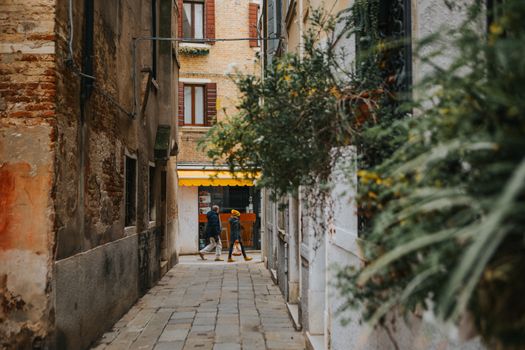
I remember my first trip to Venice. Postcard-perfect, right? Wrong. My vision of gliding through quiet canals, snapping shots of ancient bridges, was replaced by a relentless human tide. Every gondola was full, every piazza a bustling marketplace, every photo opportunity a challenge. I returned home with some lovely shots, but also a lingering sense of "what if?" What if I could have experienced that magic without the constant buzz of a thousand other people?
That experience ignited a new quest for me: to find those truly photogenic spots that remain largely untouched, where the grandeur of nature or the charm of history isn't diluted by mass tourism. The places where your lens can drink in the beauty uninterrupted, where silence amplifies the wonder, and where every shot feels uniquely yours.
After years of chasing sunsets, navigating remote trails, and befriending local guides, I've curated a list of six such places. These aren't just "less crowded" – these are places where, with a little planning and a spirit of adventure, you can truly feel like you have the world's beauty all to yourself. Get ready to bookmark, screenshot, and start planning your next great escape. These are the spots that will blow your mind, and your Instagram feed.
1. Wadi Rum, Jordan: Martian Dreamscapes & Bedouin Stars
Imagine stepping onto another planet. That’s Wadi Rum. This protected desert wilderness in southern Jordan is a vast, silent expanse of towering sandstone mountains, dramatic rock formations, and endless red sand dunes. Known as the "Valley of the Moon," it truly feels otherworldly, a place where time stands still and the only sounds are the whispers of the wind.
Why it's Photogenic & Crowd-Free: While Petra gets all the buzz (and the crowds), Wadi Rum offers a different kind of ancient beauty. Its sheer scale means you can drive for miles and not see another soul. The light throughout the day paints the landscape in incredible hues – from fiery oranges at sunrise to deep purples at sunset. The natural arches, narrow canyons, and vast open plains provide endless compositions. At night, with virtually no light pollution, the Milky Way explodes across the sky, offering unparalleled astrophotography opportunities.
My Personal Anecdote: I’ll never forget my first night in Wadi Rum. After a thrilling jeep safari exploring hidden inscriptions and climbing towering dunes, we settled into our Bedouin camp. As the sun dipped below the horizon, painting the sky in fiery oranges and soft lavenders, I hiked a small hill behind our camp. The silence was profound. As darkness fell, the stars began to emerge, not just a few, but millions, forming a dense river of light across the ink-black sky. I set up my tripod, heart pounding, and captured images of our bubble tent glowing under the Milky Way. It was a moment of pure, unadulterated awe, a feeling you simply don't get when jostling for space.
Practical Tips for Your Trip:
- Getting There: Fly into Aqaba (King Hussein International Airport) or Amman (Queen Alia International Airport) and arrange a taxi or private transfer to Wadi Rum Village. From there, you'll meet your Bedouin guide.
- Accommodation: Stay in a traditional Bedouin camp or a more luxurious "bubble tent" camp. I highly recommend spending at least one night to experience the desert stars. Prices range from $50-$200+ per night, often including dinner and breakfast.
- Activities: Book a jeep safari (essential!) through your camp or a local guide. These typically last 2-6 hours and take you to the most iconic spots. Consider a camel ride for a more traditional experience.
- Photography Gear: Wide-angle lens for landscapes and astrophotography, a sturdy tripod, remote shutter release, and a headlamp. Drone shots here are spectacular, but check local regulations.
- Best Time to Visit: Spring (March-May) and Autumn (September-November) offer pleasant temperatures. Summers can be scorching, winters chilly at night.
- Crowd Avoidance: Book private jeep tours rather than shared ones, and ask your guide to take you to less-frequented spots. Sunrise is magical and guarantees solitude.
2. Raja Ampat, Indonesia: Underwater Eden & Limestone Labyrinths
If your idea of paradise involves crystal-clear turquoise waters, vibrant coral reefs teeming with marine life, and lush, jungle-clad islands rising dramatically from the sea, then Raja Ampat is your holy grail. Located off the northwest tip of New Guinea, it's an archipelago of over 1,500 small islands, cays, and shoals. While "paradise" often comes with a price (and crowds), Raja Ampat remains remarkably pristine and peaceful due to its remoteness.
Why it's Photogenic & Crowd-Free: Above water, the iconic mushroom-shaped limestone karsts of Wayag and Piaynemo create breathtaking panoramas, especially from their viewpoints accessible via a short hike. The water itself is an impossible shade of blue, perfect for drone shots or simply capturing the reflections of the sky. Underwater, Raja Ampat is considered the epicenter of marine biodiversity, a photographer's dream with vibrant corals, manta rays, reef sharks, and countless species of fish. Because of the travel effort required, it naturally filters out casual tourists, leaving you with genuine adventurers and divers.
My Personal Anecdote: The hike up to the Piaynemo viewpoint was challenging, a series of wooden steps carved into the steep karst. Sweat dripped, but the promise of the view kept me going. When I finally reached the top and looked out over the labyrinthine turquoise lagoons dotted with emerald islands, I gasped. It was more stunning than any photo I'd ever seen. There were only a handful of us up there, all silent, just soaking it in. Later, snorkeling in a secluded cove, a majestic manta ray glided effortlessly beneath me, its wingspan enormous, its movement graceful. It felt like a private encounter, a secret shared between me and the ocean.
Practical Tips for Your Trip:
- Getting There: Fly to Sorong (SOQ) in West Papua. From Sorong, take a public ferry (around IDR 100,000 / ~$7) or a private speedboat to Waisai, the capital of Waigeo island. From Waisai, your resort or homestay will arrange a boat transfer to your specific island. The journey is long, but worth every minute.
- Accommodation: Stay in an eco-resort or a local homestay (run by indigenous Papuan communities). Prices vary widely, from $30/night for a basic homestay to $300+ for luxury resorts. Many are all-inclusive, covering meals and boat trips.
- Activities: Diving and snorkeling are paramount. Arrange island hopping tours to Wayag, Piaynemo, and other stunning islets. Kayaking and paddleboarding are also popular.
- Photography Gear: Underwater housing for your camera (essential!), wide-angle lens for landscapes, drone for aerials (check regulations), polarizing filter for water shots.
- Best Time to Visit: October to April offers the calmest seas and best visibility, though Raja Ampat is generally good year-round.
- Crowd Avoidance: Opt for homestays on smaller, less-visited islands. Book private boat charters to explore hidden coves and dive sites away from the main groups. Early morning starts are key for popular viewpoints like Piaynemo.
3. The Dolomites (Specific Trails & Off-Season), Italy: Alpine Majesty Unfiltered
Italy's Dolomites, a UNESCO World Heritage site, are undeniably stunning. Jagged, pale mountains pierce the sky, reflecting in emerald lakes, surrounded by vibrant green meadows. But "stunning" often means "crowded," right? Not necessarily. While iconic spots like Lago di Braies can be overrun, the vastness of this mountain range means countless other equally breathtaking vistas await those willing to hike a little further or visit outside peak times.
Why it's Photogenic & Crowd-Free: The unique geology of the Dolomites, with its distinct pale rock faces (dolomia), creates a dramatic contrast with the dark forests and blue skies. Sunrise and sunset here are legendary, painting the peaks in hues of pink, orange, and purple (the "Enrosadira" phenomenon). By focusing on lesser-known trails, visiting in the shoulder seasons (late spring, early autumn), or simply starting your hikes before dawn, you can experience profound solitude amidst some of the world's most dramatic mountain scenery.
My Personal Anecdote: I remember one crisp September morning, setting out from a small rifugio (mountain hut) near the Tre Cime di Lavaredo, long before the first day-trippers arrived. My goal was a specific viewpoint I'd scouted on a map, a little off the main loop. The air was cold, the silence broken only by my footsteps and the occasional marmot whistle. As the sun crept over the peaks, bathing the jagged towers in a soft, golden light, I stood alone, camera clicking, tears stinging my eyes from the cold and the sheer beauty. It was a moment of pure, unadulterated connection with nature, far from the busloads of tourists who would arrive hours later.
Practical Tips for Your Trip:
- Getting There: Fly into Venice (VCE), Verona (VRN), or Innsbruck (INN) and rent a car. A car is essential for exploring the Dolomites' vast network of valleys and trailheads.
- Accommodation: Stay in a charming mountain village (e.g., Cortina d'Ampezzo, Val Gardena, Alta Badia) or, for true immersion, spend a night or two in a rifugio (mountain hut) – basic but unforgettable. Prices vary, but rifugios are typically $40-$80/night including half-board.
- Activities: Hiking is the main draw. Explore via ferratas (protected climbing routes) if you're adventurous. Mountain biking is also popular.
- Photography Gear: Wide-angle and telephoto lenses (for capturing distant peaks), polarizing filter for vibrant skies and reflections, sturdy tripod for low light/long exposures, drone for epic aerials (check local rules).
- Best Time to Visit: Early June or late September/early October. The weather is generally stable, the crowds are minimal, and the larch trees turn golden in autumn. Avoid July and August if you want solitude.
- Crowd Avoidance: Research less-trafficked trails (e.g., those away from the main Sella Ronda circuit or well-known lakes). Start hikes at sunrise, or even before, to have popular spots to yourself. Consider staying in rifugios along multi-day treks.
4. Matera, Italy: Ancient Cave City & Luminous Stone
Matera, a UNESCO World Heritage site in Southern Italy's Basilicata region, is unlike any other city you've ever seen. Its ancient sassi (cave dwellings) are carved into the limestone ravines, creating a mesmerizing labyrinth of staircases, alleys, and grottoes. While it gained international recognition after being featured in films like "The Passion of the Christ" and becoming a European Capital of Culture, it still retains an incredible sense of timelessness and offers ample opportunities for crowd-free photography, especially in its quieter corners.
Why it's Photogenic & Crowd-Free: The city's unique architecture is a photographer's dream. The interplay of light and shadow on the ancient stone, the stacked houses, and the panoramic views from the Murgia Materana park across the gorge are simply stunning. It's a city designed for wandering, and as you delve deeper into its winding paths, you quickly leave the main tourist arteries behind, discovering hidden courtyards, ancient churches, and breathtaking viewpoints all to yourself. Sunset and nighttime photography here are particularly magical as the city lights illuminate the sassi like a twinkling fairytale.
My Personal Anecdote: I arrived in Matera late in the afternoon, just as the golden hour light was beginning to kiss the ancient stones. After checking into my cave hotel (a truly unique experience!), I ventured out with my camera. I purposely avoided the main piazza and instead got lost in the labyrinthine alleys of the Sasso Caveoso. I turned a corner and found myself in a small, empty piazza, overlooking a deep ravine, with ancient cave churches carved directly into the rock face opposite. The silence was profound, broken only by the distant church bells. I spent a good hour just photographing the textures, the light, and the incredible sense of history, completely undisturbed. It was like stepping back in time, and I had it all to myself.
Practical Tips for Your Trip:
- Getting There: Fly into Bari (BRI), then take a bus or train (about 1.5 hours) to Matera. Once there, Matera is best explored on foot.
- Accommodation: Stay in a sassi hotel or B&B for an authentic experience. Prices range from $80-$300+ per night. Book well in advance.
- Activities: Explore the sassi districts (Sasso Barisano and Sasso Caveoso) on foot. Visit the Rupestrian Churches (cave churches), Casa Noha (an immersive video experience), and the MUSMA (Museum of Contemporary Sculpture). Walk across the Gravina gorge to the Murgia Materana Park for panoramic views of Matera, especially at sunset.
- Photography Gear: Wide-angle lens for capturing the city's scale, a standard zoom for details, and a sturdy tripod for sunset/night shots. Drone footage can be spectacular but check local regulations and privacy.
- Best Time to Visit: Spring (April-May) and Autumn (September-October) offer pleasant weather and fewer crowds than summer.
- Crowd Avoidance: Start your explorations early in the morning (before 9 AM) or late afternoon/evening. Venture into the smaller, less-obvious alleys and staircases. The Murgia Materana Park across the gorge offers incredible, unobstructed views.
5. Lake Baikal (Winter), Siberia, Russia: Frozen Wonders & Ethereal Blue Ice
When most people think of Siberia, they imagine a harsh, unforgiving wilderness. And while it can be, Lake Baikal in winter transforms into a dazzling, ethereal wonderland that offers some of the most unique and photogenic landscapes on Earth. The world's deepest and oldest freshwater lake freezes over, creating a vast expanse of transparent, turquoise, and impossibly textured ice.
Why it's Photogenic & Crowd-Free: This isn't just any frozen lake. Baikal's ice is renowned for its clarity, allowing you to see meters deep into the water below. Massive cracks, turquoise ice hummocks, methane bubbles frozen in surreal patterns, and grottoes filled with glittering ice stalactites create an endless array of abstract and majestic photographic opportunities. While some areas near Olkhon Island see visitors, the sheer scale of the lake (636 km long!) means vast stretches are completely untouched, offering unparalleled solitude and unique compositions. The extreme conditions naturally deter casual tourists.
My Personal Anecdote: Standing on the frozen surface of Lake Baikal, miles from any shore, was an almost spiritual experience. The wind whipped at my face, but the silence was profound, broken only by the occasional "singing" of the ice as it shifted beneath my feet. I remember finding a patch where methane bubbles were perfectly preserved, like alien pearls trapped in glass. Then, further out, a massive crack, meters wide, snaked across the ice, revealing incredible layers of turquoise and deep blue. I laid down, camera pressed to the ice, trying to capture the sheer depth and complexity. It was like walking on a giant, ever-changing artwork, and I felt like I was the only person in the world to witness its fleeting beauty.
Practical Tips for Your Trip:
- Getting There: Fly into Irkutsk (IKT). From Irkutsk, you can take a marshrutka (minibus) or private transfer to Listvyanka (a common base) or embark on a multi-day tour to Olkhon Island or other remote areas.
- Accommodation: In Listvyanka, there are hotels and guesthouses. On Olkhon Island, guesthouses are common. Prices vary from $30-$150+ per night.
- Activities: Ice skating, ice cycling, hovercraft tours, dog sledding, and exploring the ice caves and grottos (with a local guide for safety). Photography tours are highly recommended.
- Photography Gear: Wide-angle lens for expansive landscapes, macro lens for ice details, polarizing filter to reduce glare and enhance ice colors, sturdy tripod, extra batteries (they drain fast in the cold!), and protective gear for your camera from the cold. Warm gloves that allow camera operation are a must.
- Best Time to Visit: Mid-February to Mid-March is ideal. The ice is thickest and most stable, and the days are getting longer.
- Crowd Avoidance: Hire a private guide and vehicle (a UAZ van, affectionately known as "bukhanka," is iconic here) to take you to more remote parts of the lake, especially beyond Olkhon Island. Stay in guesthouses away from the main settlements.
6. Fjallabak Nature Reserve, Iceland: Highlands of Fire & Ice (Beyond the Ring Road)
Iceland's South Coast and Golden Circle are undeniably beautiful, but they're also incredibly popular. For a truly wild, raw, and crowd-free photographic adventure, you need to venture into the heart of the Icelandic Highlands, specifically the Fjallabak Nature Reserve. This is a land of vibrant rhyolite mountains, black deserts, geothermal vents, and glacial rivers, accessible only by 4x4 vehicles and typically only in summer.
Why it's Photogenic & Crowd-Free: Fjallabak, particularly the Landmannalaugar region, is famous for its rainbow-colored rhyolite mountains, sculpted by volcanic activity and millennia of erosion. The landscape is a painter's palette of reds, yellows, greens, and blues, often streaked with obsidian black. Geothermal activity creates steamy hot springs perfect for a soak, and the vastness of the volcanic plains offers a profound sense of isolation. The challenging access (F-roads require specific vehicle types and driver experience) naturally keeps the masses away, ensuring your photos are truly unique.
My Personal Anecdote: I’d done the South Coast, seen the waterfalls, felt the spray of Seljalandsfoss. Beautiful, yes, but always with a throng of people. My journey into the Highlands was different. We rented a modified 4x4 and bounced along F-roads, fording rivers, with nothing but volcanic rock and distant mountains for miles around. When we finally arrived at Landmannalaugar, after hours of driving, the sheer explosion of color overwhelmed me. I climbed one of the smaller peaks, leaving my group behind, and just sat, watching the clouds drift over mountains painted in impossible hues. The wind was fierce, but the silence was even more so. It felt like I was on the moon, or perhaps the very beginning of Earth, witnessing a landscape still being formed. Every photo I took felt like a discovery.
Practical Tips for Your Trip:
- Getting There: Fly into Keflavik International Airport (KEF). Rent a 4x4 vehicle (absolutely essential for F-roads) in Reykjavik. You can also book guided tours that use specialized Super Jeeps.
- Accommodation: Landmannalaugar has a mountain hut (book well in advance!) and a campsite. Other options are limited to huts along hiking trails or camping. Prices for huts are around $50-$70/night.
- Activities: Hiking is the primary activity. The Laugavegur trail (multi-day) starts here, but numerous day hikes offer incredible views. Enjoy a soak in the natural hot springs. Explore the obsidian fields.
- Photography Gear: Wide-angle lens for sweeping landscapes, polarizing filter to enhance colors and reduce glare from water/skies, sturdy tripod (wind!), drone for incredible aerial perspectives (check local regulations). Weather sealing for your camera is a plus.
- Best Time to Visit: Mid-June to mid-September. The F-roads are typically only open during this period.
- Crowd Avoidance: Go in early June or late September. Start your hikes early in the morning. Venture beyond the immediate Landmannalaugar campsite area; many incredible trails lead to even more isolated spots. Consider a multi-day hike for true solitude.
Your Lens, Your Story, Your Unforgettable Journey
The world is vast, and its beauty is infinite. While iconic landmarks certainly hold their charm, there's an unparalleled magic in discovering places where the landscape speaks directly to your soul, unburdened by the clamor of crowds. These six destinations offer not just incredible photographic opportunities, but also profound experiences of solitude, wonder, and connection with our planet's most breathtaking corners.
So, pack your bags, charge your batteries, and prepare to embark on an adventure that will not only fill your camera roll with stunning, unique images but also enrich your spirit in ways you never imagined. Stop dreaming about that perfect, crowd-free shot – go out and capture it!
Which of these incredible spots is calling your name first? Share your dream crowd-free destination in the comments below! And don't forget to share this post with your fellow wanderlusters and photography enthusiasts – let's inspire more authentic, off-the-beaten-path travel!
---