The High-Altitude Pivot: My First Morning in the Clouds
I stepped off the narrow-gauge railway in Bansko, Bulgaria, and the first thing that hit me wasn't the cold—it was the smell. It was a sharp, intoxicating blend of burning pine needles, roasting red peppers, and that crisp, ozone-heavy air you only get above 1,200 meters. My boots crunched on the granite cobblestones as I navigated toward a 200-year-old stone house. But I wasn't there for a ski weekend. I was there to log into a 10:00 AM Zoom call with a 1Gbps fiber connection.
According to recent data from the MBO Partners State of Independence report, the number of digital nomads has surged by 131% since 2019. More importantly, the "destination preference" has shifted. The tropical fatigue is real; nomads are trading humidity for hiking boots. Mountain villages are no longer just seasonal retreats; they are becoming year-round remote work hubs, driven by rural revitalization grants and the democratization of high-speed satellite internet.
1. The Data Behind the Ascent: Why Mountains are Winning
The shift isn't just anecdotal. Data from the European Association of Mountain Areas (Euromontana) suggests that rural mountain regions are seeing their first positive net migration in decades. Why?
- The "Deep Work" Environment: The quietude of the mountains is the ultimate productivity hack.
- Climate Resilience: As coastal hubs face rising temperatures, the cooler "alpine refuge" is becoming a long-term lifestyle play.
- Infrastructure Investment: Governments in Italy, Spain, and Greece are pouring millions into "Smart Village" initiatives, specifically targeting remote workers to combat depopulation.
2. Bansko, Bulgaria: The World’s Most Unlikely Tech Mecca
Bansko is the poster child for mountain villages becoming remote work hubs. Once a sleepy ski town that shuttered in the summer, it now hosts the annual Bansko Nomad Fest, attracting thousands.
The Insider Vibe: It’s not about luxury; it’s about community. The "Old Town" is a maze of Mehanas (traditional taverns) where you can get a plate of Kavarma for $6. Pro-Tip: Don't just join the big coworking spaces. Look for the "hidden" community dinners held at Coworking Bansko. If you want the best coffee, head to Coffee Lab—the owner is a fanatic about bean origin.
3. The Dolomites, Italy: Where Fiber Meets Fine Wine
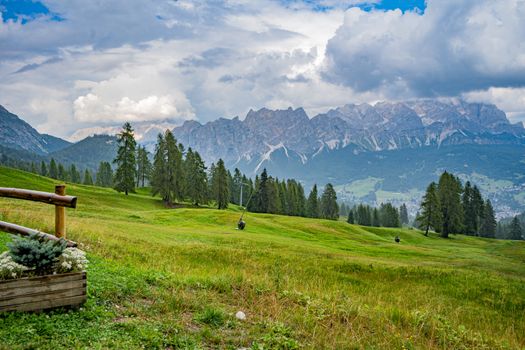
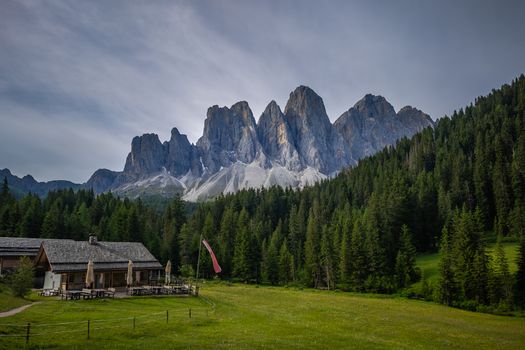
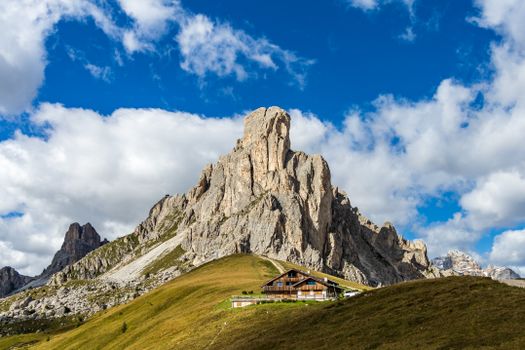
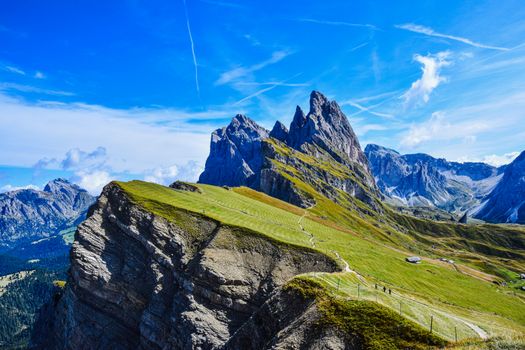
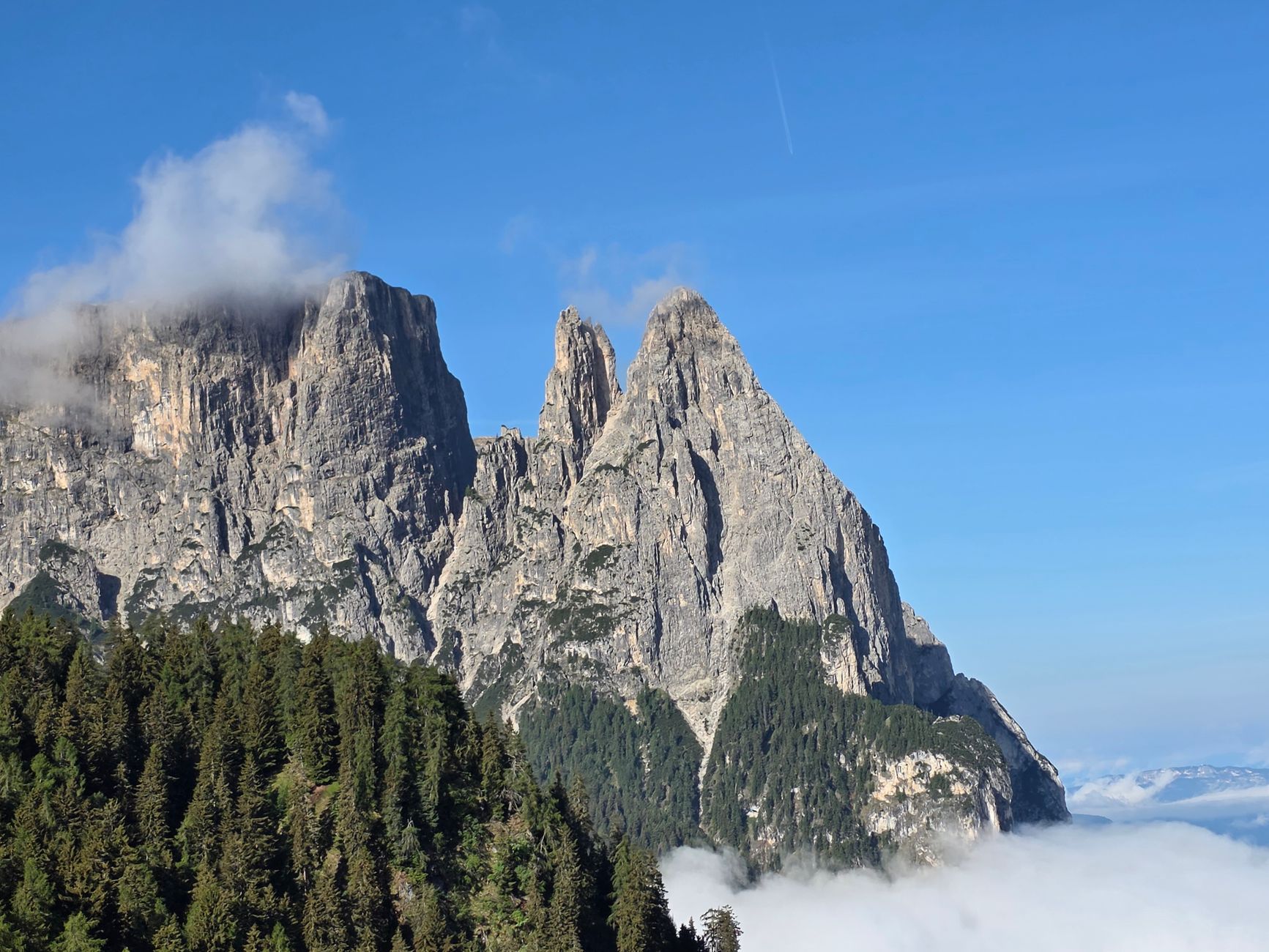
Italy’s "South Tyrol" region is aggressively courting remote workers. Villages like Castelrotto and Ortisei have moved beyond tourism, offering "Workation" packages that include office space and e-bike rentals.
The Insider Vibe: It’s a bilingual blend of Austrian precision and Italian dolce vita. The architecture is all jagged peaks and geranium-filled balconies. Pro-Tip: The "Enrosadira" (the phenomenon where the peaks turn pink at sunset) is best viewed from the Alpe di Siusi plateau. Take the last cable car up at 5 PM to catch the light after your final meeting.
4. Bariloche, Argentina: The Andean Silicon Valley
In the Southern Hemisphere, San Carlos de Bariloche is the undisputed king. Data from local tech clusters shows a 40% increase in registered remote workers since 2021.
The Insider Vibe: It feels like Switzerland but tastes like the best steak of your life. The town is famous for its chocolate shops (try Rapanui) and its proximity to the Nahuel Huapi Lake. Pro-Tip: Internet can be spotty in the "Circuito Chico" area. Stick to the "Km 5" to "Km 12" zone for the most reliable fiber-optic connections.
5. The Infrastructure Game-Changer: Starlink and Beyond
The primary barrier to mountain villages becoming remote work hubs used to be connectivity. That wall has crumbled. The rollout of Starlink has made "off-grid" work a reality in the Peruvian Andes and the remote pockets of the Scottish Highlands.
Moreover, the "Digital Nomad Visa" wave (now active in 50+ countries) often includes tax incentives for those moving to "underpopulated" areas. In Italy, the Borghi PNRR project is investing €1 billion into 229 villages to upgrade digital infrastructure.
6. The Logistics: Making the Move
Moving to a mountain hub requires more than just a laptop. You need to account for "Alpine Time"—the reality that shops might close for three hours mid-day, and the nearest hospital might be a helicopter ride away.
Quick Facts Table: The Top Hubs Compared
| Village | Avg. Monthly Cost | Best Internet | Peak Season | How to Get There | | :--- | :--- | :--- | :--- | :--- | | Bansko, BG | $1,200 | Fiber (1Gbps) | Jan-Mar / July | 2hr bus from Sofia | | Cortina, IT | $3,500 | 5G / Fiber | Dec-Feb / Aug | 2hr drive from Venice | | Bariloche, AR | $1,500 | Fiber/Starlink | July-Sept | Flight from Buenos Aires | | Chamonix, FR | $4,000 | High-speed Fiber | Jan-Mar / July | 1hr shuttle from Geneva | | Kazbegi, GE | $1,100 | Starlink/4G | June-Sept | 3hr drive from Tbilisi |
7. The Culture of the "Mountain Nomad"
Authenticity in these hubs is found in the "shoulder seasons." In May and October, the tourists vanish, and the "real" village emerges. This is when you’ll find yourself invited to a neighbor's brandy tasting or a communal wood-cutting session.
Don't just be a "laptop squatter." Join the local Alpini club or the volunteer trail-maintenance crew. The data shows that nomads who engage with the local culture stay 3x longer than those who just use the Wi-Fi.
Final Thoughts: The View From the Top
The data is clear: the future of work isn't in a cubicle, and it's increasingly not in a coastal city. It’s in the thin air of the high country. As mountain villages continue to pivot toward remote work hubs, the line between "vacation" and "vocation" is blurring into a beautiful, pine-scented smudge.
Pack your wool socks. The mountains are calling, and they finally have high-speed internet.
---