Multi-Gen Trips: The REAL Secrets Influencers DON'T Want You to Know!
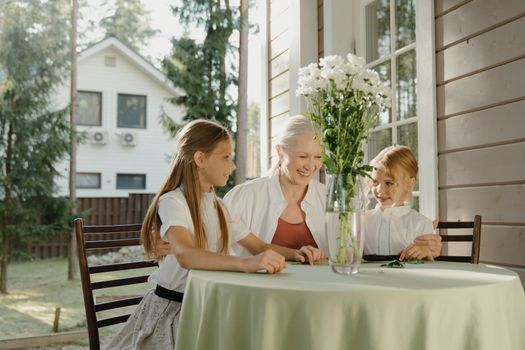
Let’s be honest. Scrolling through Instagram, it’s easy to feel like you’re doing multi-generational travel all wrong. Perfectly coordinated outfits, serene smiles, kids always happy, grandparents effortlessly blending into the backdrop of an impossibly chic villa. My first attempt at a "big family trip" looked more like a scene from a chaotic reality show than a filtered fantasy. My aunt complained about the heat, my teenage nephew was glued to his phone, and my usually unflappable mom was silently fuming over a misunderstood dinner reservation. The pressure to create that "perfect" family memory felt crushing.
But here’s the secret the influencers don't want you to know: real multi-generational travel isn’t about perfection; it’s about connection, flexibility, and a little bit of strategic planning that prioritizes everyone’s happiness, not just the 'gram. After years of trial, error, and a few truly spectacular successes, I’ve cracked the code on how to make these big family adventures genuinely joyful, memorable, and yes, even Instagram-worthy – but for the right reasons.
Ready to ditch the filters and embrace the beautiful chaos of real family travel? Let's dive in.
The Myth of the Perfect Multi-Gen Trip: Ditching the Filters for Reality
Before we even talk destinations, let's talk mindset. The biggest hurdle to a successful multi-generational trip is often the expectation that it has to be flawless. It doesn't. Your trip will have hiccups. Someone will get cranky. A plan will go awry. And that’s okay.
The "perfect" family vacation you see online often hides hours of planning, potential arguments, and moments of sheer exhaustion. My early attempts were riddled with me trying to replicate those images, leading to burnout and disappointment. The turning point came when I stopped trying to control every variable and started focusing on creating an experience that allowed for individual space, shared joy, and spontaneous moments.
Tripsora Tip: Your goal isn't a flawless photoshoot; it's a collection of shared stories, inside jokes, and genuine connections. Embrace the imperfections – they often make the best memories!
The Art of the Pre-Trip Huddle: Communication is Your Co-Pilot
This is where the magic (or mayhem) begins. You absolutely must involve everyone in the planning process, even if it's just to gauge their preferences and non-negotiables.
My Family's "Huddle" Strategy:
- The Brainstorming Call (or Email Chain): Send out an initial email or schedule a video call. Ask open-ended questions: "What's on your travel wish list?" "What kind of activities do you love/hate?" "Are there any dates that absolutely won't work?" "What's your comfortable budget range?" This isn't about locking anything down, but about gathering data.
- Identify the "Must-Haves" vs. "Nice-to-Haves": My dad must have good coffee in the morning. My nieces must have a pool. My sister must have some dedicated "me time." Prioritize these non-negotiables. Everything else is flexible.
- Appoint a "Lead Planner" (or Two): Trying to plan by committee is a recipe for disaster. One or two people should take the lead on research and booking, reporting back to the group. For our last big trip, my cousin Sarah and I took the reins. We'd present 2-3 vetted options to the group, highlighting pros and cons, and then let them vote or provide feedback. This streamlines decisions and avoids endless debates.
- Set Expectations Early: Discuss budget openly. Talk about how meals will be handled (some paid for by one family, others split, some self-catering). Address alone time and group activities. "We'll have group dinners most nights, but everyone is encouraged to explore on their own during the day if they wish!" This prevents resentment later.
Tripsora Tip: Use tools like Google Docs or dedicated travel planning apps (like TripIt or Wanderlog) to share itineraries, booking confirmations, and important notes. Transparency is key!
Destination Deep Dive: Where Everyone Wins
Choosing a destination that truly appeals to multiple generations is the cornerstone of a successful trip. Here are my top picks, tried and tested, for their ability to cater to diverse interests and energy levels.
1. All-Inclusive Resorts: The Ultimate Stress-Buster
- Why it works: Imagine a place where food, drinks, activities, and entertainment are all included. No arguments over restaurant choices, no constant reaching for your wallet. These resorts are designed for convenience and variety.
- Best for: Families with young children, those who want a truly relaxing vacation, and groups with diverse dietary needs.
- My Experience: Our trip to Beaches Turks & Caicos was a game-changer. My parents loved the quiet pools and gourmet dining, my sister's kids were in heaven at the water park and kids' club, and my husband and I enjoyed paddleboarding and evening shows. We’d meet for dinner, then some would go to the teen disco, others for a quiet drink. Everyone had their own adventure.
- Specifics:
- Luxury: Beaches Resorts (Turks & Caicos, Jamaica) – Known for their extensive kids' programs (Sesame Street characters!), water parks, and diverse dining. Expect to pay $500-$1000+ per person per night, depending on room type and season.
- Mid-Range: Dreams Resorts & Spas (Mexico, Caribbean) – Excellent family-friendly options with a good balance of activities and relaxation. Prices typically range from $250-$500 per person per night.
- Pro Tip: Look for resorts with multiple pools, diverse dining options (buffets, à la carte), and separate areas for adults and kids. A good kids’ club is priceless for giving parents and grandparents a break!
2. National Parks & Nature Escapes: Adventure for All Ages
- Why it works: The majesty of nature is universally appealing. National Parks offer a huge range of activities, from strenuous hikes to scenic drives, wildlife viewing, and educational programs.
- Best for: Active families, nature lovers, those on a tighter budget (camping/cabins), and anyone seeking awe-inspiring landscapes.
- My Experience: Our trip to Yellowstone National Park was unforgettable. My adventurous brother and his family hiked daily, while my parents enjoyed the scenic drives, geyser viewing from boardwalks, and ranger talks. We rented a large cabin in West Yellowstone, giving us a central base. Evenings were spent cooking together and playing board games.
- Specifics:
- USA: Grand Canyon, Yellowstone, Zion, Acadia. Each offers unique landscapes and activities. Consider renting a large cabin, multiple adjacent hotel rooms, or even a couple of RVs for an epic road trip.
- Canada: Banff National Park – Stunning mountains, lakes, and wildlife.
- Cost: Park entrance fees are reasonable (often per vehicle). Accommodation varies wildly from budget-friendly camping ($20-50/night) to mid-range lodges ($150-300/night) to luxury hotels ($400+). Food costs can be managed by self-catering.
- Pro Tip: Book accommodations way in advance (6-12 months) for popular parks. Research accessibility for older family members and choose trails accordingly.
3. European River Cruises & Small Ship Cruises: Culture & Convenience
- Why it works: Unpack once, wake up in a new destination daily. River cruises are particularly good for multi-generational groups as they often dock right in the heart of cities, offering easy access to sights without long bus transfers. Small ship ocean cruises offer similar benefits with more exotic itineraries.
- Best for: Culture vultures, those who prefer a slower pace, and families who enjoy historical sites and picturesque towns.
- My Experience: My family (including my then 70-year-old grandparents and 12-year-old cousin) did a Danube River Cruise with AmaWaterways. It was brilliant. Grandparents loved the included excursions to castles and cathedrals, while my cousin enjoyed the bikes available on board for exploring towns and the pool on the sundeck. Evenings were spent enjoying gourmet meals and local entertainment.
- Specifics:
- River Cruises: AmaWaterways, Viking River Cruises, Tauck. Focus on popular routes like the Danube (Germany, Austria, Hungary) or the Rhine (Netherlands, Germany, France). Some lines offer specific "family departure" cruises with tailored activities for kids. Expect prices from $3,000-$6,000+ per person for a 7-day cruise, often including excursions, meals, and drinks.
- Small Ship Ocean Cruises: Consider lines like Windstar or expedition cruises to Alaska or the Galápagos for a more active, intimate experience.
- Pro Tip: Look for cruises with flexible excursion options (e.g., a walking tour for adults, a scavenger hunt for kids), inter-connecting cabins, and a relaxed atmosphere.
4. Villa Rentals & Agriturismos: The Home-Away-From-Home Experience
- Why it works: A private villa provides a central hub, allowing families to spread out, cook meals together, and enjoy a shared living space. It offers flexibility and a sense of "home" that hotels can't match.
- Best for: Families who love to cook, prefer a slower pace, want a more immersive local experience, and those who need plenty of space.
- My Experience: Our trip to a sprawling agriturismo in Tuscany was pure magic. We rented a large farmhouse with multiple apartments, a private pool, and stunning views. Mornings were for exploring nearby hill towns like Montepulciano and Pienza. Afternoons were spent by the pool or learning pasta-making from a local chef. Evenings were long, leisurely dinners on the patio, fueled by local wine and laughter. My teenage nieces loved the freedom, my parents enjoyed the quiet mornings with coffee, and the younger kids splashed in the pool.
- Specifics:
- Italy: Tuscany, Umbria, Amalfi Coast. Websites like Airbnb Luxe, VRBO, or specialized agencies like Tuscany Now & More offer beautiful villas.
- France: Provence, Dordogne.
- Spain: Andalusia.
- Cost: Highly variable. A large villa can range from $2,000-$10,000+ per week, depending on size, location, and amenities. When split among multiple families, this can be very cost-effective, especially with self-catering.
- Pro Tip: Look for villas with enough bedrooms and bathrooms for everyone, a well-equipped kitchen, and a common area large enough for the whole group. A private pool is a huge bonus, especially with kids. Consider hiring a private chef for a few nights for a special treat!
Activity Alchemy: Blending Interests Like a Pro
Once you've picked your destination, the next challenge is filling the days. The key here is not to force everyone to do everything together.
- Offer a Menu of Options: Instead of a rigid itinerary, present a daily "menu" of activities. "Today, you can join me for a hike, or you can relax by the pool, or Aunt Carol is going to check out the local market." This empowers everyone to choose their own adventure.
- Schedule "Anchor" Activities: Plan one or two activities per day that everyone can participate in, like a group dinner, a scenic drive, or a low-key cultural visit.
- Embrace the Divide-and-Conquer Strategy: Sometimes, separating is the best way to unite. Grandparents might enjoy a quiet museum visit while parents take the kids to a theme park. Reconnecting later makes shared experiences even sweeter.
- Incorporate Down Time: Crucial for all ages, but especially for kids and older adults. Don't overschedule. Build in afternoons for naps, reading, or simply doing nothing.
- Let the Kids Lead (Sometimes): My nieces loved planning one "kid-friendly" activity each day in Tuscany – usually involving gelato or an impromptu game of hide-and-seek among the olive groves. Giving them ownership made them more engaged.
Tripsora Tip: A simple whiteboard or shared digital calendar can display the day's options, making it easy for everyone to see what's happening.
Budgeting Brilliance: Making it Work for All Wallets
Money is often the trickiest part of multi-generational travel. Open and honest conversations are essential.
- Define a Collective Budget Range: Before even looking at destinations, get a general idea of what everyone is comfortable spending.
- The "Split-It-Evenly" Trap: Don't assume everyone wants or can afford to split everything equally. Some might prefer cheaper accommodation, while others want a splurge.
- Category Budgeting: Consider splitting costs by category. For example, one family might cover accommodation, another airfare, and another food. Or, pool money for shared expenses (groceries, rental car) and let everyone pay for their own personal activities and souvenirs.
- Self-Catering is Your Friend: Renting a villa or a place with a kitchen can significantly reduce food costs. Cooking some meals together becomes an activity in itself!
- Look for Deals & Discounts: Travel during shoulder season, book flights in advance, and look for group discounts on attractions. My family once saved a ton by booking our Yellowstone cabin during the very end of shoulder season – fewer crowds and better prices!
- "Contribution" Model: For larger families, some might contribute more financially, while others contribute more through planning, childcare, or cooking. It's about collective effort.
Tripsora Tip: Use apps like Splitwise to easily track shared expenses and settle up at the end of the trip. It saves awkward conversations and mental math.
The Unspoken Rules of Harmony: Beyond the Itinerary
Even with perfect planning, human dynamics are at play.
- Respect Alone Time: Everyone needs a break from the group, even if they love them dearly. Encourage it! "I'm going to read by the pool for an hour" should be met with understanding, not guilt trips.
- Manage Expectations (Especially Your Own): Your family members are not actors in your perfect travelogue. They are real people with real moods. Let go of the need for everything to be idyllic.
- Be Flexible: The best laid plans often go awry. A sudden rainstorm, a grumpy toddler, an unexpected discovery – be prepared to pivot and embrace the unexpected.
- Designate a "Quiet Zone" (if possible): In a villa, this might be a specific lounge or bedroom. In a resort, it could be a quiet corner of the pool.
- Focus on Shared Laughter, Not Just Shared Activities: Sometimes the best moments are the spontaneous ones – a silly game of charades, a singalong in the car, or simply sharing a cup of coffee and watching the sunrise together.
Beyond the Filters: Capturing Real Memories
So, you’ve planned, you’ve navigated, you’ve laughed, maybe even squabbled a little. Now, how do you capture these authentic moments without feeling the pressure of an influencer?
Forget the perfectly styled flat lays and forced poses. Focus on:
- Candid Shots: The grandparents laughing at a grandchild's antics, a group hug, someone mid-bite of a delicious meal.
- Details: The local market produce, the texture of an ancient stone wall, a unique souvenir.
- Group Selfies (the messy kind): Everyone squeezed in, goofy faces, genuine smiles. These are the ones that truly tell a story.
- Short Videos: A quick clip of everyone singing in the car, a child splashing in the pool, the sounds of a bustling market. These bring memories to life more than any still photo.
Tripsora Tip: Create a shared photo album (Google Photos, iCloud Shared Album) where everyone can upload their pictures daily. It's a fantastic way to see the trip from different perspectives and ensures no precious memory is lost.
Your Unfiltered Adventure Awaits!
Planning a multi-generational trip can feel like herding cats, but it's also one of the most rewarding travel experiences you can have. It’s about building bridges between generations, creating a shared history, and proving that real joy doesn’t need a filter.
So, ditch the pressure to be an Instagram-perfect family. Embrace the beautiful, messy, wonderful reality of traveling with your loved ones. The memories you make will be far more precious than any double-tap.
Have you had an amazing multi-generational trip? Or perhaps you have a secret tip to share? Tell us in the comments below! Let's inspire each other to create more authentic, joyful family adventures.
SHARE THIS POST with your family and start planning your next unforgettable adventure!