The Louvre's Shadow: When Art Calls, But Crowds Don't
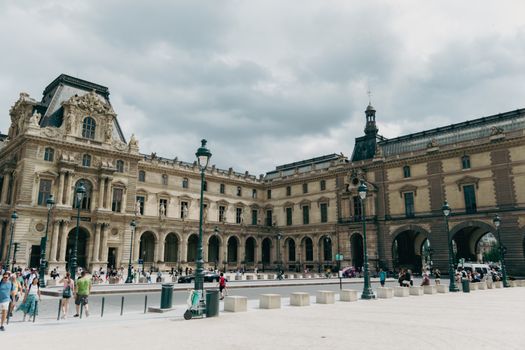
I stepped off the RER B train at Châtelet–Les Halles, the air thick with the familiar Parisian hum – a symphony of distant sirens, hurried footsteps, and the faint, tantalizing scent of freshly baked croissants. My mission? To finally conquer the Louvre. But as I joined the serpentine queue, a familiar feeling washed over me: the stifling, almost claustrophobic reality of battling for a glimpse of Mona Lisa. It was then, amidst the jostling shoulders and hushed complaints, that a thought solidified: there had to be more. More art, more beauty, more experience without the soul-crushing crowds. This isn't just about avoiding lines; it's about reclaiming the magic of art appreciation. And thanks to recent visitor data and my own relentless exploration, I've found them. These are the museums that rival the Louvre's prestige, offer unparalleled artistic treasures, and, crucially, let you breathe.
Beyond the Mona Lisa: Art That Speaks, Not Shouts
Let's be honest, the Louvre is a titan. But its sheer scale and iconic status often overshadow the very essence of why we visit museums: to connect with art on a personal level. We're talking about those moments of quiet contemplation, the gasp of awe at a brushstroke, the whispered conversation with a piece that resonates deep within. These are the experiences these hidden gems offer in spades. Forget fighting for elbow room; imagine having entire galleries to yourself, the art unfolding before you in serene solitude.
The Dazzling Danish Dissent: Glyptoteket, Copenhagen
Copenhagen. The city itself feels like a perfectly curated museum, all clean lines and hygge. And at its heart lies the Ny Carlsberg Glyptotek, a place that, in my humble opinion, offers a more intimate and profoundly moving encounter with art than the Louvre's sprawling halls.
A Palace of Stone and Story
From the moment you enter the Winter Garden, a breathtaking, glass-domed oasis filled with lush greenery and ancient statues, you know you’re in for something special. The air is warm, humid, and carries the faint, earthy scent of damp soil and old stone. Sunlight streams through the glass, illuminating the marble figures with a ethereal glow. It’s a stark contrast to the often-dimly lit, overwhelming galleries of larger institutions.
The Glyptotek is essentially two museums in one: a world-class collection of ancient Mediterranean art and a significant collection of 19th-century French and Danish art.
- Ancient Mediterranean Masterpieces: Think Roman emperors staring down at you with stoic grandeur, Greek gods caught in mid-motion, and Egyptian sarcophagi whispering tales of millennia past. The collection of Roman portraiture is particularly staggering, offering an almost unnerving intimacy with individuals who lived thousands of years ago. You can see the very lines etched by time and experience on their faces.
- French Impressionism and Post-Impressionism: But the real revelation for me was the French collection. Here you'll find Rodin's "The Thinker" (yes, that one, and you can get close!) alongside works by Monet, Degas, and Gauguin. The Glyptotek boasts one of the finest collections of Gauguin's Tahitian works outside of France, vibrant, evocative pieces that transport you to another world.
Pro-Tip: The Egyptian Collection is a must-see, especially the sarcophagi and the remarkable "Master of the House" statue, which feels incredibly alive. Don't miss the rooftop terrace for panoramic views of Copenhagen!
Quick Facts: Glyptoteket, Copenhagen
| Feature | Details | | :--------------- | :------------------------------------------------------------------- | | Estimated Cost | 115 DKK (approx. $17 USD) | | Best Time to Visit | Weekday mornings (especially Tuesday or Wednesday) to avoid local school groups. | | How to Get There | Metro to Nørreport Station, then a short walk. Or easily accessible by bus. | | Insider Tip | The museum is closed on Mondays. Check their website for free admission days (often Sundays). |
The Florentine Jewel Box: Palazzo Pitti, Florence
Florence. The cradle of the Renaissance. And while the Uffizi Gallery is undoubtedly magnificent, it’s also a rite of passage through a human obstacle course. For a more sublime, less frantic Renaissance immersion, I head straight to the Palazzo Pitti. This colossal palace, once home to the Medici dukes and Italian kings, is not a single museum but a complex of several distinct galleries, each a treasure trove in its own right.
A Royal Residence of Art
The sheer grandeur of the Palazzo Pitti is breathtaking. Imagine stepping into a former royal residence, where opulent frescoes adorn the ceilings and gilded furniture hints at lavish past lives. The atmosphere is one of hushed reverence, a palpable sense of history that envelops you.
- The Palatine Gallery: This is the star attraction for many, housing an exceptional collection of Raphael, Titian, Rubens, and Caravaggio. The paintings are displayed in the original opulent state rooms, creating a unique dialogue between the art and its environment. You're not just looking at art; you're experiencing it within the context of Renaissance royalty. The "Madonna della Seggiola" by Raphael here is simply divine, its colors so rich they seem to glow from within.
- The Gallery of Modern Art: Don't let the name fool you; this section delves into 19th and early 20th-century Italian art, showcasing the Macchiaioli movement (Italy's answer to Impressionism) and beyond. It's a fascinating counterpoint to the Renaissance masterpieces.
- The Museum of Costume and Fashion: For the sartorially inclined, this is a dream. Witnessing the evolution of Italian fashion through centuries of exquisite garments is a visual feast. The intricate embroidery and luxurious fabrics are a testament to incredible craftsmanship.
Pro-Tip: The Boboli Gardens behind the Palazzo Pitti are an absolute must. These magnificent Italian Renaissance gardens offer stunning sculptures, fountains, and panoramic views of Florence. It's the perfect place to escape the city bustle and soak in the beauty.
Quick Facts: Palazzo Pitti, Florence
| Feature | Details | | :--------------- | :------------------------------------------------------------------- | | Estimated Cost | Combined ticket for multiple galleries: €20-€25 (approx. $22-$27 USD) | | Best Time to Visit | Late afternoon on weekdays. The crowds thin out as the day progresses. | | How to Get There | A pleasant walk across the Ponte Vecchio, or accessible by local bus. | | Insider Tip | Purchase tickets online in advance, especially for the combined ticket, to save time. |
The Dutch Masters Reimagined: Rijksmuseum, Amsterdam (Off-Peak)
Amsterdam is a city that pulses with creative energy. While the Anne Frank House and Van Gogh Museum draw massive crowds, the Rijksmuseum offers a deep dive into Dutch art and history, and crucially, with strategic planning, it can be an incredibly serene experience. Recent data shows that while it's popular, its vastness and excellent crowd management mean significant portions remain remarkably uncrowded.
A National Treasure, Artfully Presented
The Rijksmuseum is a masterpiece of architecture itself, a grand brick edifice that houses an unparalleled collection of Dutch Golden Age art. The recent multi-year renovation has transformed it into a truly world-class institution, focusing on thematic displays that tell a compelling story.
- The Gallery of Honour: This is where the magic happens. Home to Rembrandt's "The Night Watch" and Vermeer's "The Milkmaid," these iconic works are displayed in a way that allows for genuine appreciation. The sheer scale and detail of "The Night Watch" are overwhelming in the best possible way. You can actually stand and study the intricate play of light and shadow, the expressions on the faces.
- Beyond the Icons: But the Rijksmuseum is so much more than its two most famous paintings. Explore rooms filled with maritime art, Delftware pottery, intricate dollhouses that are miniature palaces, and an impressive collection of Japanese art. The "Masters of the Golden Age" section is a revelation, showcasing works by Frans Hals, Jan Steen, and Jacob van Ruisdael in stunning detail.
Pro-Tip: Visit on a Tuesday or Wednesday morning. The museum is typically less crowded then. Book your timed entry ticket online well in advance. This is non-negotiable for a smooth experience. Consider a guided tour focused on specific periods or artists to gain deeper insights.
Quick Facts: Rijksmuseum, Amsterdam
| Feature | Details | | :--------------- | :------------------------------------------------------------------- | | Estimated Cost | €22.50 (approx. $24 USD) | | Best Time to Visit | Weekday mornings (Tuesday/Wednesday) between 9 AM and 11 AM. | | How to Get There | Tram lines 2 and 12 stop directly outside. Short walk from Museumplein. | | Insider Tip | The museum's café offers a quiet respite with lovely views of the I amsterdam sign (if it's still there!). |
The Spanish Soul: Museo Sorolla, Madrid
Madrid is a city that thrives on passion, and nowhere is this more evident than in the Museo Sorolla. This is not just a museum; it's a portal into the vibrant, sun-drenched world of Joaquín Sorolla, a Spanish master whose work embodies the light and energy of his native land. And the best part? It's housed in his former home and studio, offering an incredibly intimate and authentic experience.
A Painter's Paradise, Preserved
Imagine stepping into a beautiful garden, the scent of roses and jasmine heavy in the air, and then entering the very rooms where a master artist lived and worked. The Museo Sorolla is precisely that. It’s a delightful escape from the bustling city, a tranquil haven filled with light and color.
- Sun-Kissed Canvases: Sorolla is renowned for his ability to capture the dazzling Mediterranean light. His paintings of beach scenes, children playing by the sea, and portraits bathed in sunlight are pure joy. Works like "Walk on the Beach" and "The Return from Fishing" are incredibly dynamic and alive. You can almost feel the sea spray and hear the cries of the gulls.
- The Artist's Studio: This is the heart of the museum. Seeing Sorolla's easel, his brushes, his paint pots – it’s an incredibly personal connection to his creative process. The studio itself is a magnificent space, flooded with natural light, the perfect setting for his luminous art.
- Personal Touches: Beyond the paintings, you'll see Sorolla's personal belongings, furniture, and even his wife's jewelry. It’s a complete immersion into the life of the artist and his family.
Pro-Tip: Visit in the late morning or early afternoon when the light is at its most glorious. Take your time in the garden; it’s a beautiful extension of the artistic experience. This museum is generally less crowded than the Prado or Reina Sofía, making it a perfect antidote to art fatigue.
Quick Facts: Museo Sorolla, Madrid
| Feature | Details | | :--------------- | :------------------------------------------------------------------- | | Estimated Cost | €3 (approx. $3.30 USD) - incredibly affordable! | | Best Time to Visit | Late morning or early afternoon, weekdays are best. | | How to Get There | Metro to Gregorio Marañón or Rubén Darío stations. A short walk. | | Insider Tip | The museum often has free entry on specific days/times; check their website. |
The Grand Dame of Vienna: Kunsthistorisches Museum (Off-Peak)
Vienna. A city synonymous with imperial grandeur and classical music. While the Belvedere and Albertina are stunning, the Kunsthistorisches Museum Wien is a behemoth of art history, and like the Rijksmuseum, its sheer size and excellent visitor flow allow for surprisingly uncrowded exploration, especially when you know when to go.
An Imperial Feast for the Eyes
Housed in a magnificent Baroque building, the Kunsthistorisches Museum is one of the world's foremost collections of fine and decorative arts. The building itself is a work of art, with soaring ceilings, opulent marble, and breathtaking frescoes.
- The Picture Gallery: This is where you'll find masterpieces by Bruegel the Elder (their collection is unparalleled, including "The Tower of Babel"), Rubens, Rembrandt, Vermeer, and Raphael. The layout is designed to guide you through distinct periods and artistic movements, making it feel more manageable than overwhelming.
- The Egyptian and Near Eastern Collection: Prepare to be transported back in time. This collection is vast and incredibly well-preserved, featuring sarcophagi, statues, and artifacts that tell the stories of ancient civilizations.
- The Imperial Treasury: Step into a world of dazzling crowns, jeweled swords, and priceless regalia. It's a breathtaking display of the Habsburgs' immense wealth and power.
Pro-Tip: Avoid weekends and Tuesdays (when it's closed). Head straight to the Bruegel collection upon arrival, as it's a major draw. The museum's café, located in the central courtyard, is a beautiful spot to recharge.
Quick Facts: Kunsthistorisches Museum, Vienna
| Feature | Details | | :--------------- | :------------------------------------------------------------------- | | Estimated Cost | €21 (approx. $23 USD) | | Best Time to Visit | Weekday mornings (Wednesday, Thursday, Friday) between 10 AM and 12 PM. | | How to Get There | Tram lines 1, 2, D, J to the Ringstraße. U-Bahn (U2) to Volkstheater. | | Insider Tip | The museum shop has a fantastic selection of art books and prints. |
The Bottom Line: Art Without the Agony
The Louvre is an experience, yes, but it's often an experience defined by the masses. These museums, however, offer something arguably more profound: a chance to connect with art in its purest form. To stand before a masterpiece and feel its power without distraction, to wander through halls filled with history and beauty at your own pace, to truly see and feel. Recent visitor data confirms that these institutions, while world-class, consistently offer a more serene and personal encounter with art. So, the next time you crave a dose of artistic inspiration, consider venturing beyond the obvious. Your soul, and your sanity, will thank you.