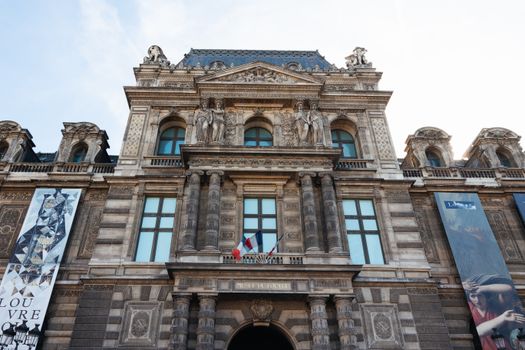
The Louvre in Paris is one of the largest and most visited art museums in the world, with a collection that spans many centuries and civilizations. Its scale is part of its appeal, but it also means that galleries can feel crowded and that time is needed to see the highlights. Several other European museums hold collections of similar importance and offer a different experience. They may be smaller, focused on particular periods or regions, or housed in buildings with their own history. This guide describes several well-regarded alternatives and explains how to plan visits that feel unhurried. Lines and crowd levels change, so treat any statement about visitor numbers as a general pattern rather than a guarantee.
The Prado and Madrid's Art Museums
The Prado Museum in Madrid holds one of the most important collections of European painting, with strong holdings of Spanish, Italian, Flemish and Dutch works. Its galleries include paintings by Velázquez, Goya and El Greco, and the museum is closely associated with the Golden Age of Spanish art. The nearby Reina Sofía focuses on modern and contemporary art, including Picasso's Guernica, and the Thyssen-Bornemisza Museum offers a broad survey of Western painting. Together, these museums make Madrid a strong destination for art lovers.
Booking timed entry in advance is common for major Madrid museums, and visiting in the early morning or late afternoon can help you avoid the busiest periods. Check current opening days, since some museums have free-entry sessions on set times.
The Rijksmuseum in Amsterdam
The Rijksmuseum in Amsterdam is the national museum of the Netherlands and holds one of the finest collections of Dutch Golden Age painting. Rembrandt's The Night Watch and works by Vermeer are among its best-known holdings. The building was renovated in recent decades and now provides a spacious setting for the collection, with a large central passage that connects several wings. The museum is an excellent choice for those interested in art history, textiles, ceramics and decorative arts.
Advance booking is commonly recommended, and the museum's layout is large enough that visitors benefit from choosing a few galleries to focus on. Check the current entry arrangements before your visit.
The Hermitage in Saint Petersburg
The State Hermitage Museum in Saint Petersburg occupies several connected buildings, including the Winter Palace, and holds a vast collection spanning archaeology, art and decorative objects. Its scale is comparable to the Louvre, and its historic interiors are a major part of the experience. Visitors interested in Western European painting, ancient cultures and imperial history will find extensive displays. Access and visa requirements for Russia change and may be complex, so check current official travel information well before planning a visit.
The Kunsthistorisches Museum in Vienna
The Kunsthistorisches Museum in Vienna holds the imperial art collections of the Habsburgs, with strong holdings of old master paintings, including works by Bruegel and Titian. The building is an architectural landmark on the Ringstrasse, and its central hall is designed for the display of large works. The collection is well suited to visitors who like to look slowly, since rooms are arranged around periods and regions rather than a single route. Timed-entry tickets are sometimes used at busy times, so check the website before arriving.
Smaller Museums With Strong Collections
Some of the most rewarding experiences come from smaller, focused institutions. In Paris itself, the Musée de l'Orangerie holds Monet's Water Lilies in purpose-built oval rooms, and the Musée Rodin offers sculpture in a historic house and garden. Outside Paris, collections in cities such as Oxford, with its Ashmolean Museum, offer broad survey collections in a university setting. These venues can provide a calmer atmosphere and easier navigation than the largest national museums.
Practical tips
Decide in advance which two or three galleries matter most to you, and plan your route around them. Book timed tickets where required, and check whether your visit falls on a free-entry day or late-opening evening. Arrive at opening time or in the late afternoon when possible, and avoid visiting on public holidays. Consider a guided tour or audio guide to add context. Check bag rules, cloakroom availability and photography policies before you go. Keep a rough plan for breaks, since large museums can be tiring, and look for cafes or gardens within the building or nearby.
Common mistakes to avoid
Many visitors try to see an entire museum in one afternoon, which often leaves them tired and unable to remember much. Choosing two or three rooms in advance and returning on another day is usually more rewarding. Another mistake is booking a time slot without checking which wings are open, since renovation or temporary closures can change what you can see. Some people rely on a single guidebook and skip the smaller displays that give context to the major works. Expecting quiet all year is another trap, because popular exhibitions can draw crowds at unexpected moments. Scheduling a demanding museum straight after a long journey is also a mistake, since low energy makes it easy to rush the galleries you most wanted to see.
Who this suits and who it doesn't
Art history enthusiasts, students and slow-looking visitors tend to get the most from these institutions. Those who enjoy architecture, gardens and the stories behind buildings will find extra value. The largest museums may be less suitable for people with limited stamina, those who need step-free routes that are hard to plan in older buildings, and visitors who only want to see a few famous works for a short time. Families with young children often enjoy smaller collections or museums with interactive spaces more than vast galleries. If you travel with someone who prefers shopping or sightseeing outdoors, consider splitting the day so that both interests are met. Visitors who enjoy studying a single painting for a long time may prefer a quieter gallery over a crowded hall, and planned breaks help you return refreshed.
How to decide: a simple checklist
- Do you have a clear interest, such as a period, artist or style, that will guide your route?
- Have you noted the closing time and the last entry time for your visit day?
- Is your visit planned for a time when you have energy and daylight?
- Have you looked at the museum's floor plan, so you know where to rest and where the facilities are?
- Do you know which exhibitions are temporary and whether any of them end soon?
- Do you have a backup option if a gallery you hoped to see is closed for maintenance?
- Have you considered whether a guided tour of one wing would suit your interests better than a general route?
European museums offer a deep range of art and history beyond the Louvre, and many of them reward a slower visit. Planning around booking systems, quieter times and your own interests can help you see strong collections without the pressure of crowds. Lines and visitor patterns change, so confirm current arrangements with each museum before you travel.