The Hook: A Wake-Up Call on the Eurasian Borderlands
I stepped off the overnight sleeper train from Tbilisi into the crisp, high-altitude air of Yerevan’s central station, and the sharp aroma of freshly ground Armenian coffee and toasted sesame flatbreads hit my nose before my boots even touched the platform. A faint, low-frequency hum of Soviet-era metro cars vibrated through the pink tufa-stone foundations below.
This wasn’t the sanitized, postcard-perfect Europe of Instagram reels. It was raw, intoxicating, and utterly alive.
Over the last decade, I’ve watched the republics of the former Eastern Bloc and Central Asia shed their cold-war stereotypes to emerge as the most compelling, culturally vibrant, and budget-friendly destinations on the planet. This spring, as travelers flee the crushing crowds of Rome and Paris, a quiet revolution is happening along the old Silk Road and across the Caucasus.
If you want to experience destinations where hospitality is still sacred, history is measured in millennia rather than centuries, and your dollar stretches further than you ever thought possible, look no further. Here is your definitive, insider guide to the former USSR countries becoming tourism hotspots that are trending this spring.
---
1. Georgia: The Bohemian Capital of Natural Wine and Brutalist Cool
Georgia has transitioned from a darling of intrepid backpackers to a global culinary and design powerhouse. Straddling the intersection of Eastern Europe and Western Asia, this nation offers a intoxicating blend of dramatic Caucasus peaks, ancient Orthodox monasteries, and a natural wine scene that has the world’s top sommeliers scrambling for allocations.
``` ▲ Caucasus Mountains / \ / \ ◄--- Svaneti Towers / \ /_______\ | | [Tbilisi] ◄--- Sulfur Baths & Techno Clubs ```
The Vibe in Tbilisi
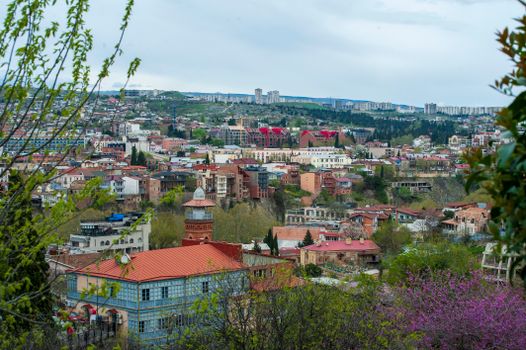
Tbilisi is a city of layers. In the historic Sololaki neighborhood, 19th-century Italianate mansions with carved wooden balconies lean precariously over cobblestone streets. Look closer, and you’ll find these historic courtyards housing avant-garde fashion ateliers, natural wine bars, and specialty coffee shops.
The city’s architecture is a visual dialogue between centuries-old brickwork, jaw-dropping Soviet brutalism—like the iconic Bank of Georgia headquarters—and ultra-modern glass structures.
The Spring Culinary Scene
Spring in Georgia is synonymous with the emergence of fresh herbs. You’ll feast on chakapuli (a fragrant tarragon and wild green plum stew with lamb) and khachapuri (bubbling cheese bread).
But the real draw is the wine. Georgians have been fermenting grapes in giant, underground clay vessels called qvevri for over 8,000 years. The resulting amber wines are tannic, complex, and unlike anything you've tasted in France or Italy.
- Pro-Tip: Skip the crowded tourist sulfur baths in Abanotubani. Instead, head to No. 5 Bathhouse (the oldest in the city) and ask for a private room. For less than $20, you’ll get a sulfur soak and a vigorous kisa (exfoliating scrub) from a no-nonsense bath attendant that will leave your skin glowing.
- The Hidden Entrance: To find the best natural wine selection in the city, look for the unmarked blue wooden door on Galaktion Tabidze Street. Push it open to find Dzvli Gvino, a subterranean cellar run by a local family stocking rare vintages from micro-wineries.
---
2. Uzbekistan: The Silk Road’s Neon-Blue Masterpiece
If your travel dreams involve towering minarets, glittering turquoise domes, and the romance of ancient desert trade routes, Uzbekistan is your spring calling card. Thanks to a modernized high-speed rail network and a newly relaxed visa regime, this Central Asian gem is suddenly highly accessible.
``` [Tashkent] =======(Afrosiyob Train)=======> [Samarkand] =======> [Bukhara] (Soviet Metro) (Registan Mosaics) (Mud-Brick Old Town) ```
Navigating the Ancient Cities
Your journey will likely begin in Tashkent, a city of wide Soviet avenues and incredibly ornate metro stations. From there, the sleek, Spanish-built Afrosiyob high-speed train whisks you across the desert to Samarkand and Bukhara.
- Samarkand: This is the city of Tamerlane, dominated by the Registan—a public square flanked by three colossal, mosaic-clad madrasas. The sheer scale of the cobalt-blue and gold geometric tilework is dizzying.
- Bukhara: A living museum. Unlike Samarkand’s monumental scale, Bukhara is intimate. Its mud-brick old town is centered around ancient trading domes where artisans still hammer out copper plates and weave silk carpets.
The Spring Advantage
Spring (April to May) is the absolute sweet spot for Uzbekistan. The searing summer desert heat hasn't arrived yet, and the step-lands are briefly green and covered in wildflowers.
At the markets, you'll smell the rich aroma of plov—the national dish of rice, mutton, carrots, and raisins cooked in massive iron cauldrons (kazans) over open wood fires.
- Pro-Tip: The Registan is magnificent by day, but it’s transcendent at night. Arrive at 6:45 PM just as the sun dips. Find the security guard near the entrance of the Ulugh Beg Madrasah and politely ask if you can climb the minaret. For a small "tip" (usually around 100,000 Uzbek Som, or $8 USD), he will unlock the gate and let you climb the narrow, winding stone stairs for a private, sunset view over the illuminated square.
---
3. Kazakhstan: Almaty’s Alpine Chic and Soviet Modernism
Kazakhstan is massive, but its cultural heart beats loudest in Almaty. Framed by the towering, snow-capped peaks of the Tien Shan mountains, Almaty feels less like a dusty steppe outpost and more like an alpine resort city blended with Soviet grandeur.
``` +--------------------------------------------------+ | TIEN SHAN MOUNTAINS | | [Shymbulak Ski Resort - 3,200m] | | | | | [Medeu Ice Rink] | | | | | [Almaty City] | | (Green Bazaar, Soviet Brutalism, Craft Beer) | +--------------------------------------------------+ ```
Coffee, Canyons, and Concrete
Almaty is incredibly green, laid out on a leafy grid system packed with third-wave coffee shops, craft breweries, and high-end sushi spots. The city is a living catalog of mid-century Soviet modernist architecture.
The Kazakhstan Hotel, with its golden crown-like roof, dominates the skyline, while the Zelyony Bazar (Green Bazaar) offers a sensory overload of smoked meats, fresh cheeses, and spices.
Just outside the city limits lies Charyn Canyon, a dramatic red-sandstone gorge that rivals the American Southwest, and Kolsai Lakes, pristine alpine waters surrounded by pine forests.
The Spring Vibe
In spring, the apple orchards surrounding the city burst into pink and white blossoms (Almaty’s name literally translates to "father of apples"). You can spend your morning drinking flat whites in the trendy Golden Square neighborhood, and your afternoon riding a cable car up to Shymbulak to touch the snow.
- Pro-Tip: Skip the expensive private tours to Charyn Canyon. Go to the Sayran Bus Station at 7:30 AM on a weekend to catch the local shared minibus (marshrutka) for a fraction of the cost.
- Local Culinary Secret: Head to the second floor of the Green Bazaar and look for the Korean-Kazakh stalls. Order morkovcha—a spicy, garlicky carrot salad invented by the Koryo-saram (ethnic Koreans deported to Central Asia in the Soviet era). It's a culinary fusion you won't find anywhere else.
---
4. Armenia: Pink Stone, Deep Canyons, and Avant-Garde Cafes
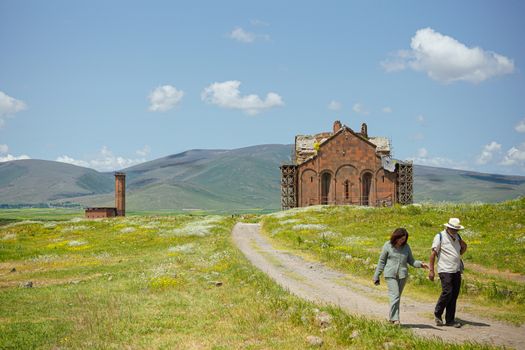
Armenia is one of the world's oldest Christian civilizations, and its landscape is dotted with stone monasteries perched on the edges of sheer cliffs. But its capital, Yerevan, is surprisingly youthful, lively, and bathed in a warm pink hue.
``` [Yerevan: The Pink City] | +----------+----------+ | | [The Cascade] [Geghard Monastery] (Modern Art) (Carved into Rock) ```
The Pink City
Yerevan is constructed largely from volcanic tufa stone, which glows with a soft pink hue during golden hour. The city’s layout, designed by architect Alexander Tamanyan in the 1920s, features wide circular boulevards centered around the grand Republic Square and the Cascade—a monumental limestone stairway filled with contemporary art installations.
In the spring, Yerevan's outdoor cafe culture rivals that of Paris. Locals gather to sip Armenian brandy, smoke hookahs, and chat late into the mild spring nights.
Spiritual and Natural Wonders
Just a short drive from the capital, you'll find Geghard Monastery, a medieval complex partially carved out of the adjacent mountain rocks, and Garni Temple, a Greco-Roman colonnaded temple that looks like it was transported directly from Athens.
- Pro-Tip: To experience Geghard Monastery without the crowds, hire a local driver to take you there by 8:15 AM. Walk directly to the upper rock-cut chamber. If you’re lucky, you’ll catch the local choir practicing. The natural acoustics of the stone chamber, combined with the morning light streaming through the skylight, is a spiritual experience regardless of your beliefs.
- Where to Eat: Seek out Sherep Restaurant near Republic Square. Snag a seat near the open kitchen to watch the bakers slap fresh lavash bread against the walls of a traditional clay tonir oven.
---
5. Kyrgyzstan: The Wild Nomad Heart of Central Asia
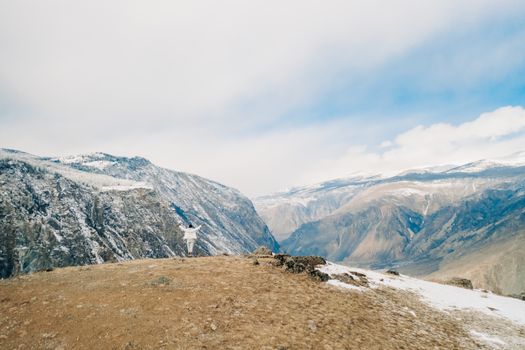
For travelers who prefer hiking boots to high heels, Kyrgyzstan is the ultimate spring playground. Over 90% of this country is covered by mountains, making it a dream destination for trekking, horse riding, and experiencing authentic nomadic culture.
``` /\ /\ /\ / \/ \ / \ ◄--- Tian Shan Peaks (4,000m+) / \/ \ /________________\ | | [Yurt Camp] [Alpine Lake] ```
Basecamp Bishkek
The capital, Bishkek, is a relaxed city of wide, tree-lined avenues and massive Soviet-era plazas like Ala-Too Square, where the changing of the guard takes place under the watchful eye of towering mountain peaks.
But Bishkek is merely the launchpad. Within an hour’s drive, you can be inside Ala Archa National Park, hiking past rushing glacial rivers and alpine pine forests.
The Nomad Experience
As spring warms the valleys, Kyrgyz herders pack up their belongings and move their livestock to the high-altitude pastures (jailoos). This is the perfect time to stay in a traditional felt yurt, drink kymyz (fermented mare’s milk), and ride horses along the shores of Song-Kul Lake.
- Pro-Tip: When hiking in Ala Archa, skip the flat, paved valley trail that most tourists take. Instead, take the steep, unmarked dirt path to the left immediately after the main gate. This trail leads you up a ridge to the Broken Heart rock formation and eventually to a stunning 30-meter waterfall. It’s a strenuous climb, but you’ll have the jaw-dropping views of the gorge entirely to yourself.
- Logistics Note: Kyrgyzstan has a highly developed community-based tourism network (CBT). Use their local offices in almost every town to book ethical yurt stays and local mountain guides directly, ensuring your money goes straight into the hands of the rural communities.
---
Budget & Logistics: The Hard Numbers
One of the biggest drivers behind the trend of former USSR countries becoming tourism hotspots is the incredible value they offer. Here is a breakdown of what to expect financially and logistically this spring:
| Country | Est. Daily Budget (Mid-Range) | Best Spring Month | How to Get There | Must-Try Culinary Specialty | | :--- | :--- | :--- | :--- | :--- | | Georgia | $45 - $60 USD | May | Fly to Tbilisi (TBS) or Kutaisi (KUT) | Adjaruli Khachapuri (cheese & egg bread boat) | | Uzbekistan | $35 - $50 USD | April | Fly to Tashkent (TAS) or Samarkand (SKD) | Samarkand Plov (layered beef, rice, and yellow carrots) | | Kazakhstan | $50 - $70 USD | May | Fly to Almaty (ALA) | Beshbarmak (boiled horse meat/beef over flat noodles) | | Armenia | $40 - $55 USD | May | Fly to Yerevan (EVN) | Khorovats (charcoal-grilled pork skewers) | | Kyrgyzstan | $30 - $45 USD | Late May | Fly to Bishkek (FRU) | Ashlan-Fu (cold, spicy noodle soup with dungan spices) |
---
Why Now is the Time to Go
These destinations are changing rapidly. High-speed rail lines are expanding, boutique hotels are replacing Soviet-era guesthouses, and English is quickly becoming the second language of the entrepreneurial youth.
But for now, they still retain that rare, elusive quality that travelers spend their lives searching for: authenticity.
This spring, skip the long lines, the tourist menus, and the crowded viewpoints. Head to the crossroads of Europe and Asia, where the history is etched in pink stone and blue tiles, the wine is fermented in clay, and every stranger is treated like a long-lost friend.
---