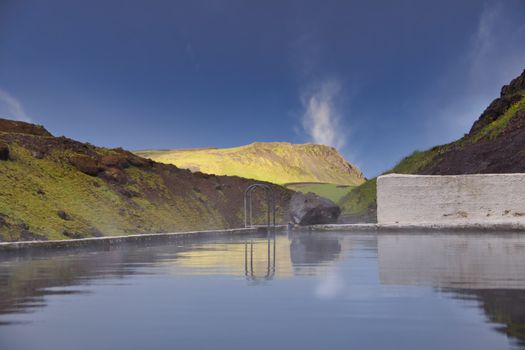
Natural hot springs have been valued for relaxation for centuries, and many regions have bathing areas fed by geothermal water. For a quick getaway, a soak in warm mineral water can offer a welcome change of pace, especially when combined with a walk, a meal or an overnight stay in a nearby town. The experience varies greatly, however. Some springs are developed resorts with changing rooms and staff, while others are wild pools with uneven footing, variable temperatures and few facilities. This guide explains how to plan a short trip to natural hot springs, use them safely and respect the environment and other bathers.
Types of hot springs
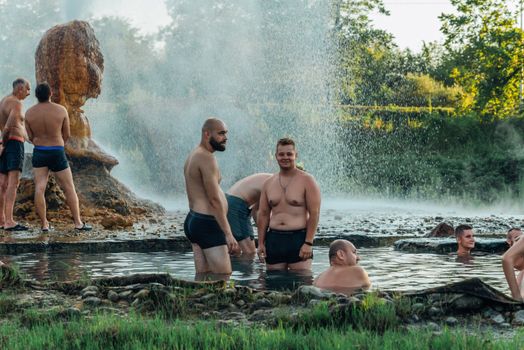
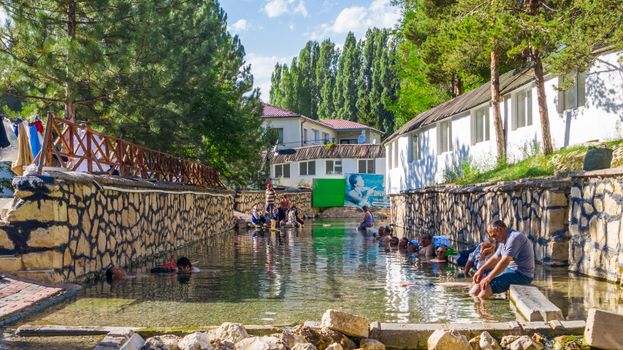
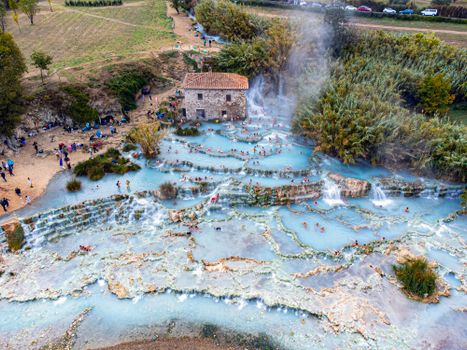
Hot springs range from managed bathing complexes to undeveloped natural pools. Developed sites often have set temperatures, showers, lockers and rules about swimwear, and they may offer massage or other services. Undeveloped springs can be more atmospheric but require greater care, since water temperatures can change after rain or as the source shifts.
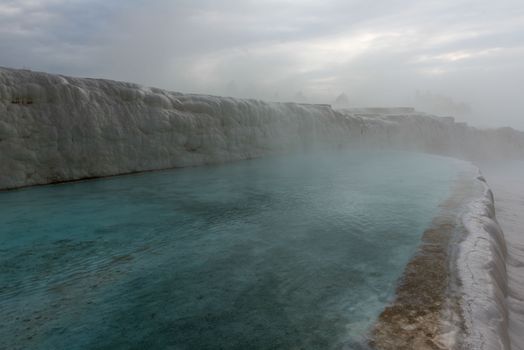
Mineral content varies as well. Some waters are high in certain minerals and may have a distinctive smell or colour. Health claims about hot springs are common, but evidence varies, so treat them as a personal matter and consult a health professional if you have a medical condition.
Researching a spring before you go
Look for up-to-date information from the operator, local tourism office or land management body. Check opening hours, entry fees, access rules and any seasonal closures. For wild springs, confirm whether the site is legal to visit and whether there are restrictions on camping or vehicles nearby.
Read recent visitor accounts for information about water temperature, cleanliness and the condition of the access path. Be aware that conditions in natural springs can change quickly, and that information online may be out of date.
Safety in hot water
Hot water can be dangerous if you stay in too long or if the temperature is higher than expected. Enter gradually, keep sessions to a comfortable duration and get out to rest if you feel dizzy, nauseated or lightheaded. Alcohol increases the risk of overheating and fainting, so avoid drinking before or during a soak.
Some natural springs have hot spots, slippery rocks or unstable banks. Wear suitable footwear for the approach and watch your footing when getting in and out. Keep children supervised closely. People who are pregnant, have heart conditions, high or low blood pressure or other health concerns should check with a doctor before bathing in very hot water.
Etiquette and environment
Good etiquette makes springs more pleasant for everyone. Shower before entering a pool where this is expected, and follow any rules about swimwear, soap and the use of towels. Keep voices calm, avoid taking up more space than necessary and do not disturb others who are relaxing.
Protect the environment. Do not leave rubbish, avoid damaging rocks or vegetation, and do not introduce soap or cleaning products into natural pools. Some springs host sensitive ecosystems, so stay on marked paths and follow any guidance about wildlife.
Planning a quick getaway
A short break works well when you pair the springs with another activity. A morning walk followed by a soak, or an afternoon bathing session before dinner in a nearby town, can make a balanced day or overnight trip. Choose accommodation close to the springs if you plan to bathe in the evening, and check transport options for the return journey.
Pack for comfort. A towel, swimwear, flip-flops, a dry layer for afterwards, a waterproof bag for valuables and a bottle of water are usually sufficient. In cooler weather, a warm robe or jacket helps you stay comfortable between soaks.
Practical tips
- Check current hours, fees and access rules with the operator or local authority.
- Enter hot water gradually and limit the length of each session.
- Avoid alcohol before or during bathing, and stay hydrated.
- Wear suitable footwear and take care on wet or uneven rock.
- Follow etiquette, including showering where required and keeping noise low.
- Carry out all rubbish and avoid using soap in natural pools.
Common mistakes to avoid
Assuming the water will be the same temperature as on a previous visit is a common error, because flow, weather and recent rain can shift conditions. Some visitors soak for long periods after a hot day or a strenuous walk, which adds to the strain of heat. Others arrive without checking whether bathing is currently allowed, and find a pool closed for maintenance or after storms. Bringing soap, shampoo or sunscreen into a natural pool is discouraged in many places, even when the product seems harmless. Wearing slippery sandals on a steep approach can turn the walk back to the car into the hardest part of the day. Some people also plan a drink with dinner straight after a soak, which combines alcohol with heat and dehydration. Finally, the relaxed state after a soak can slow reactions, so transport for the journey home deserves a plan of its own.
Who this suits and who it doesn't
Hot springs suit adults who are comfortable in warm water, enjoy quiet settings and are willing to follow posted rules. Couples, solo travelers who value restful breaks and families with older children who can stay close to the pool often enjoy them. They are less suitable for people who need reliable facilities at every stop, such as accessible changing areas, for those uneasy with communal bathing, and for very young children who cannot be watched closely in slippery or deep water. People with health concerns should follow the medical advice in the safety section before choosing a site. Those who prefer predictable comfort may be happier at a managed resort with staff, lockers and clear temperature information, while more adventurous visitors may prefer a wild pool with a clear understanding of its limits.
A simple pre-soak checklist
Before you leave, decide how long you will stay in the water and when you will get out, then write that plan down. Look up the weather for the day and avoid visiting during storms or after heavy rain. Note the parking, the walking route and whether the path is wet or icy. Pack footwear with good grip, a towel, water and a warm layer for afterwards. Tell someone your destination and your expected return time. Finally, identify the nearest place to sit down and rest if you feel dizzy, so you are not searching for shade in a hurry.
Natural hot springs can be a restful addition to a short trip, provided you plan carefully and bathe with caution. Research the site, respect the rules and the environment, and listen to your body. A well-timed soak can leave you refreshed and ready for the rest of the getaway.