The Hook: A Frozen Baptism in Lapland
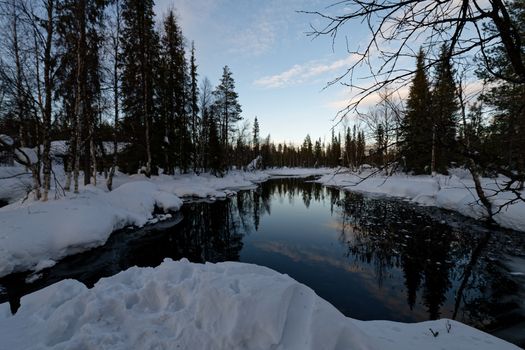
I stepped off the overnight Arctic sleeper train in Kiruna, Swedish Lapland, and my breath instantly crystallized into a delicate cloud of silver. The air smelled of sharp birch woodsmoke, frozen pine needles, and the clean, metallic tang of sub-zero wind. It was -18°C (0°F), and I was walking toward a chainsaw-cut hole in the frozen Torne River.
As I stood on the wooden deck of the sauna dock, my skin hummed from the dry, 90°C heat of a wood-fired stove. When I stepped out into the Arctic air, the transition was shocking. The water in the river pool (avanto) was a black mirror, hovering at exactly 0.2°C (32.4°F).
I lowered myself down the icy metal ladder. One breath. Two breaths. My skin screamed as the cold shock response kicked in, but within thirty seconds, a profound, almost supernatural stillness took over. This wasn't just a travel trend; it was a biological system reboot.
According to recent clinical data, wild ice baths offer physiological advantages that your home chest freezer simply cannot replicate. Let’s dive into the science, the locations, and the honest truth about wild cold exposure.
---
1. The Cold Hard Facts: What the 2024 Data Actually Says
For years, cold plunge enthusiasts operated on anecdotes. Today, peer-reviewed data from neuroscientists like Dr. Andrew Huberman and metabolic researchers like Dr. Susanna Søberg has demystified the magic.
The Søberg Principle: The 11-Minute Rule
Recent studies confirm that to maximize the benefits of cold water immersion—specifically the activation of brown adipose tissue (BAT) and cold-shock proteins—you need a cumulative total of 11 minutes per week, split across 2 to 3 sessions. The water does not need to be freezing; anything below 15°C (60°F) triggers the response, though natural glacial and winter waters (2°C to 5°C) accelerate the metabolic adaptation.
The Dopamine Plateau
Data published in The European Journal of Applied Physiology reveals that cold water immersion triggers a 250% increase in baseline dopamine levels. Unlike the spike-and-crash cycle of caffeine or screens, this dopamine release is sustained, rising steadily for hours post-plunge and leveling off without a depressive crash.
Natural vs. Synthetic: The Mineral Advantage
Why ditch the backyard plastic tub? Natural bodies of water—glacial lakes, volcanic fissures, and mountain rivers—are packed with dissolved minerals like magnesium, silica, and sulfur. When you plunge in wild settings, your skin absorbs these trace elements, boosting cellular repair and reducing systemic inflammation far more effectively than chlorinated tap water.
---
2. The Ultimate Nordic Standard: Swedish Lapland’s Frozen Rivers
``` [ Wood-Fired Sauna ] ---> ( 20-Meter Snow Walk ) ---> [ The Avanto (Ice Hole) ] 90°C (194°F) 0.2°C (32.4°F) ```
To experience the undisputed gold standard of natural cold therapy, you must travel to the birthplace of the sauna-to-ice transition.
Jukkasjärvi and the Torne River
The Torne River remains one of the last wild, untouched rivers in Europe. Every winter, the water freezes over with ice so pure it is harvested to build the famous Icehotel.
- The Vibe: Pristine, quiet, and deeply meditative.
- The Protocol: Spend 15 minutes in a traditional wood-fired sauna until your core temperature is elevated. Walk barefoot across the snow to the cut ice hole. Dip for 2 minutes, keeping your hands out of the water to maintain manual dexterity.
- Insider Language: Ask the locals for löyly (the steam rising from the sauna rocks) and make sure they use tar-scented soap (tervasaippua) for the post-plunge wash.
> Pro-Tip: Visit the Torne River plunge pool at exactly 8:15 AM. The local ice-cutters clear the overnight crust of ice at 8:00 AM, leaving a perfectly clear, mirror-like surface just as the pink Arctic twilight begins to paint the sky.
---
3. Alpine Extremes: Switzerland's Glacial Plunge Pools
If you want to combine high-altitude hiking with extreme thermal contrast, the Bernese Oberland in Switzerland is unmatched.
Lake Oeschinen (Kandersteg)
Fed directly by under-glacier streams from the Blüemlisalp massif, Lake Oeschinen sits at 1,578 meters above sea level. During the winter months, the lake freezes solid, but local ice-swimmers maintain small access points near the western shore.
- The Water: Strikingly turquoise, ultra-filtered by limestone rock, and hovering around 1°C (34°F) in winter.
- The Experience: Plunging surrounded by 500-meter-tall frozen waterfalls and sheer rock faces. The acoustic silence of the alpine amphitheater enhances the sensory deprivation aspect of the plunge.
> Pro-Tip: To find the secret, crowd-free plunge spot, bypass the main tourist path at the lake's edge. Take the unmarked snowy trail to the left of the old cable car mountain station. Follow it for 400 meters until you reach the small stone boathouse. The water here drop-offs quickly, allowing for a clean, vertical entry without wading through painful shallow ice.
---
4. Volcanic Contrast: Iceland's Geothermal-Glacial Paradox
Iceland offers an experience no other place on earth can: the ability to transition instantly from tectonic cold to volcanic heat.
Kleifarvatn and the Reykjanes Peninsula
While tourists flock to the commercialized Blue Lagoon, serious cold-exposure athletes head to Lake Kleifarvatn. This deep, volcanic lake is surrounded by black basalt sand and active geothermal vents.
``` +-------------------------------------------------------------+ | LAKE KLEIFARVATN | | | | [ Cold Glacial Water: 3°C ] <---> [ Geothermal Vents ] | | (Warm underwater sulfur bubbling) +-------------------------------------------------------------+ ```
- The Paradox: You can plunge into the 3°C (37°F) glacial water of the lake, and then walk fifty paces to a natural geothermal stream bubbling at 38°C (100°F).
- The Mineral Profile: High levels of silica and sulfur, which soothe skin conditions and accelerate muscle recovery.
> Pro-Tip: Do not wear silver jewelry here. The high sulfur content in both the cold and hot zones of Kleifarvatn will instantly tarnish it black.
---
5. The Pacific Northwest: Temperate Rainforest Plunges
You don't need sub-zero air temperatures to experience world-class wild ice bathing. The temperate rainforests of Washington State offer some of the most oxygen-dense cold plunges on earth.
The Elwha River (Olympic National Park)
The Elwha River, recently restored to its wild state after massive dam removals, flows directly from the snowfields of the Olympic Mountains.
- The Setting: Giant moss-draped Douglas firs, ancient ferns, and wet slate riverbeds.
- The Water: Liquid ice. The river runs at a consistent 4°C to 6°C (39°F to 42°F) year-round, making it an ideal destination for summer cold exposure.
- The Sensory Profile: The air is saturated with phytoncides (antimicrobial compounds released by trees), which work synergistically with the cold plunge to boost your immune system's natural killer cell activity.
> Pro-Tip: Park at the Madison Falls trailhead. Walk 1.2 miles past the bypass road to the old river bend. Look for the massive cedar tree that has fallen partially into the river; behind its root ball lies a perfectly calm, deep eddy protected from the river's swift main current.
---
6. The Golden Rules of Wild Ice Bathing (According to Safety Data)
Wild ice bathing is not a game of bravado. The line between a therapeutic metabolic spike and acute hypothermia is thin. Follow these data-backed safety protocols:
- The Neoprene Rule: Always wear 5mm neoprene booties and gloves if you are plunging in waters below 4°C (39°F). Your extremities have the highest surface-area-to-mass ratio and will lose heat rapidly, causing severe pain that cuts your plunge short before your core benefits are reached.
- Never Plunge Alone: Cold shock can trigger involuntary gasping. If your head goes under during a gasp, you risk drowning. Always have a spotter on dry land with a dry robe and a thermos of hot liquid.
- Beware the Afterdrop: When you exit the water, you will feel warm for about 5 to 10 minutes. This is a trap. Once your peripheral blood vessels dilate, cold blood from your limbs rushes back to your core, causing your core temperature to drop rapidly.
- The Recovery Protocol: Do not take a hot shower immediately. Dry off, put on loose wool layers, drink a warm (not boiling) beverage, and perform light physical movement (like squats or a brisk walk) to let your body warm up naturally.
---
7. The Budget & Logistics: Planning Your Wild Plunge Trip
Planning a dedicated cold-exposure trip requires careful logistical coordination. Here is a quick reference guide to the world's premier locations:
| Destination | Best Time to Visit | Est. Daily Cost ($) | How to Get There | Key Feature | | :--- | :--- | :--- | :--- | :--- | | Torne River (Sweden) | January – March | $$$ | Fly to Kiruna (KRN), take the local Arctic bus to Jukkasjärvi. | The ultimate sauna-to-ice cultural experience. | | Lake Oeschinen (Switzerland) | December – February | $$$$ | Train to Kandersteg, hike 1.5 hours or take the winter shuttle. | Alpine scenery and ultra-purified limestone water. | | Lake Kleifarvatn (Iceland) | Year-Round | $$$ | Rent a 4x4 from Keflavík Airport; drive 30 mins south. | Active volcanic landscape with geothermal contrast. | | Elwha River (USA) | May – September | $$ | Drive 2.5 hours from Seattle to Port Angeles; hike to the river. | High-oxygen, temperate rainforest immersion. |
---
Summary: The Final Verdict
The data is clear: natural ice bath experiences offer sensory, mineralogical, and mental benefits that artificial setups simply cannot replicate. By matching the right location with strict safety protocols and the Søberg Principle, you turn a simple travel experience into a profound biological upgrade. Pack your wool beanie, secure your neoprene boots, and go find your wild water.
---