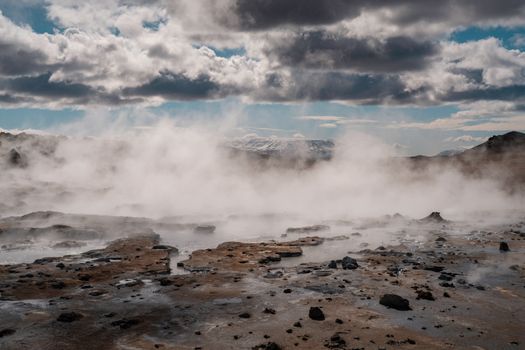
Natural hot springs have long been valued for relaxation, and many regions have developed them into popular short-break destinations. Some are managed bathing complexes with changing rooms and staffed pools. Others are wild or lightly developed sites where water emerges from the ground into rivers, pools or rock basins. Both can be rewarding, but conditions differ considerably in temperature, hygiene, access and rules. This guide explains how to choose a hot spring for a getaway, what to check before you go and how to enjoy the experience safely.
Types of hot spring destinations
Managed resorts typically provide regulated pools, showers, lockers and sometimes accommodation, dining and massage services. They offer predictable facilities and clear rules, which suits travelers who want comfort. Developed public springs may be simpler, with stone pools, boardwalks and basic changing areas. Wild or informal springs can be attractive for their setting but may have uneven terrain, variable temperatures and limited facilities. Choose the type that matches your comfort level and your experience with outdoor settings.
Some springs are associated with traditional bathing customs. If you visit one of these, learn the local expectations about dress, behavior and cleanliness before you arrive.
Checking safety and water conditions
Water temperature can vary between pools and change with weather or flow rates. Very hot water can cause burns or dizziness, so test it carefully and enter gradually. Many official sites post temperature information and advice for visitors. Be aware that some natural waters contain minerals, gases or bacteria, and that not every spring is suitable for drinking. Do not drink from pools unless the operator explicitly says the water is potable.
Slippery rocks, steep banks and deep water are common hazards at informal sites. Never bathe alone at an isolated spring, and keep an eye on children and less confident swimmers at all times. Some springs close during high water, storms or seasonal maintenance, so check current status before traveling.
Health cautions and who should take care
Hot water places strain on the cardiovascular system, and it is wise to seek medical advice before using hot springs if you have heart conditions, low or high blood pressure, diabetes, pregnancy, a recent surgery or any other health concern. Alcohol should be avoided while bathing, since it increases the risk of dizziness and fainting. Do not stay in hot water for long periods, and leave the pool if you feel unwell. Stay hydrated outside the water, and be cautious in very hot weather.
Hygiene matters as well. Shower before entering shared pools where this is required, avoid entering with open wounds, and follow posted rules about swimwear and cleanliness. Some sites ban certain products, so check the guidelines.
Planning a short getaway
Hot spring trips often pair well with other activities, such as walking, dining or exploring a nearby town. Choose accommodation within reasonable distance of the springs, and check whether bookings are required for entry, particularly at popular managed sites. Opening hours can be shorter than you expect, especially in winter or outside the main season. If you plan to drive, confirm road conditions and parking arrangements, and do not drive after drinking alcohol.
Give yourself time to unwind. The restorative effect of a hot spring often comes from slowing down, so avoid scheduling a tight itinerary immediately before or after your soak.
Visiting responsibly
Protect the environment that makes these springs special. Stay on designated paths, avoid disturbing mineral deposits or fragile vegetation, and carry out any litter. Do not dig pools or alter the flow of water, as this can damage the ecosystem and may be illegal. Respect quiet hours and other bathers, and keep noise to a reasonable level. Where a site is managed by a local community, follow its guidance on access, fees and conduct.
Practical tips
Check current opening times, entry rules and water conditions before you travel. Bring a towel, water, sandals and a dry bag for valuables. Start with a short soak and build up gradually. Keep your phone in a waterproof case if you need it nearby. Avoid hot springs during storms and high-water periods. Choose a trip length that allows rest, and plan a route home that avoids rushing after a long soak.
Common mistakes to avoid
Judging a spring by photographs taken on its best day is a common error. Water can look cloudy, algae can appear, and a pool may be drained for cleaning or repair. Another mistake is ignoring the forecast, since heavy rain can raise river levels and make an access path dangerous. Some visitors assume mobile signal will be available for emergencies at remote sites, when coverage is often patchy. Others plan a visit around one bathing session, leaving no fallback if the spring is closed. Arriving at a quiet hour, when local people may be using a spring for daily routines or worship, can also lead to an awkward visit. Finally, some travelers bring glass containers or loose belongings into wet areas, which can break or be lost. Choosing a managed site with clear signs avoids many of these problems.
Who this suits and who it doesn't
Natural hot springs suit travelers who enjoy quiet outdoor settings, a slow pace and mineral pools, and who are comfortable following rules at managed or public sites. They can suit couples, friends who enjoy a gentle day out, and visitors who like pairing a soak with a walk or a regional meal. They are less suitable for people who cannot safely manage hot water or uneven steps, those who need reliable facilities at every stop, and anyone who expects spa-style service at an informal spring. Travelers who feel uneasy in crowded communal settings may prefer a quieter time of day or a private area at a resort. Those without a plan for transport after a soak may find a simpler day trip easier.
Frequently asked questions
Are natural hot springs suitable for everyone? Not necessarily. Suitability depends on health, experience and the particular site, so a managed pool is often a gentler first choice than an informal spring.
How can I tell whether a spring is safe to enter? Look for posted information from the operator or land manager, read recent visitor reports and check for warning signs such as closed access or unusual water conditions. If in doubt, do not enter.
Is it worth going in the off-season? It can be quieter and more peaceful, but services may be reduced and access may be harder. Confirm what is open before you travel.
Natural hot springs can offer a restful break close to nature. With careful choice, attention to health and safety, and respect for the setting, a short getaway can leave you feeling refreshed and well cared for.