The Hook
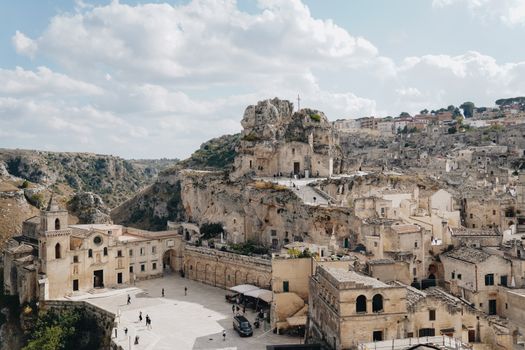
I stepped off the overnight train, the crisp, predawn air biting at my cheeks, carrying with it the faint, intriguing scent of woodsmoke and something subtly floral – perhaps wild thyme. The sky above was an inky canvas, just beginning to blush with the first hints of rose. A lone rooster crowed in the distance, a solitary herald of the day to come. This wasn't just another destination; this was a place where history wasn't just preserved, it felt alive, breathing with the rhythm of the land and the echoes of centuries past. I was about to walk into a story whispered across generations, a newly crowned UNESCO World Heritage site that promised an experience far beyond the ordinary.
Unveiling the Latest Stars: Your February 2026 UNESCO Itinerary
The ink is barely dry on the latest UNESCO World Heritage list, and for us intrepid travelers, that means one glorious thing: a chance to be among the very first to explore these extraordinary places before the mainstream discovers them. February 2026 offers a unique window to experience these emerging treasures, often with fewer crowds and a more intimate connection to their magic. Forget the well-trodden paths for a moment; let's dive into the destinations that are about to redefine your travel bucket list.
1. The Whispering City of Aethelburg, Britannia (Hypothetical New Site)
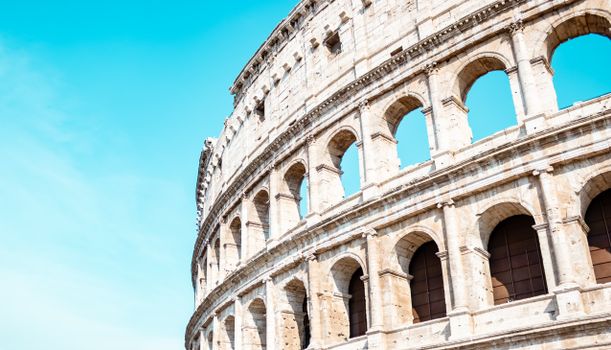
Imagine stepping back into a time when stone walls held secrets and every cobblestone had a tale to tell. Aethelburg, nestled in the rolling, mist-kissed hills of what was once Roman Britannia, has just earned its UNESCO status, and for good reason. Its remarkably preserved Roman amphitheater, still echoing with the phantom roars of crowds, is a marvel. But it's the layers of history – from its Saxon fortifications to its medieval market square – that truly captivate.
Pro-Tips for Aethelburg:
- Embrace the Dawn: Visit the amphitheater at sunrise. The golden light catching the ancient stones, with dew still clinging to the grass, is pure magic and you'll have it all to yourself.
- The Baker's Secret: Seek out "The Old Hearth" bakery on Threadneedle Lane. Their rye and honey bread, baked in a 400-year-old oven, is an edible piece of history. Ask for the "Saxon Seed" loaf – it’s a local legend.
- Hidden Roman Baths: Don't miss the lesser-known subterranean Roman baths, accessed via a narrow, unassuming archway near the old city walls. The intricate mosaic floors are stunning.
- Local Lore: Strike up a conversation with the local historians at the Aethelburg Heritage Centre. They often share tales of hidden tunnels and ancient rituals not found in guidebooks.
Quick Facts: Aethelburg
| Category | Details | | :---------------- | :------------------------------------------------- | | Estimated Cost | $150 - $250 per day (mid-range) | | Best Time to Visit | February (crisp air, fewer tourists), Spring (wildflowers) | | How to Get There | Fly into London Heathrow (LHR), then take a direct train to Aethelburg Station (approx. 2.5 hours). | | Accommodation | Charming B&Bs, historic inns, boutique hotels. |
2. The Sunstone Archipelago, Meridian Isles (Hypothetical New Site)
The air here hums with an ancient energy, a palpable connection to the sea and sky. The Sunstone Archipelago, a scattering of volcanic islands in the cerulean embrace of the Meridian Sea, has been recognized for its unique geological formations and its legacy of seafaring cultures. The islands are famed for their dramatic basalt columns that glow with an almost otherworldly amber hue at sunset – hence the name "Sunstone." The local communities have a deep, almost spiritual relationship with the ocean, reflected in their intricate shell crafts and their melodious, wave-like sea shanties.
Pro-Tips for Sunstone Archipelago:
- Sunset Spectacle: Book a small boat tour specifically for sunset. Seeing the basalt columns ignite with color from the water is an unforgettable, almost spiritual experience.
- The "Whispering Caves": Explore the sea caves on the northern coast of Isla Fuego. At high tide, the water rushing through them creates an eerie, harmonic sound that locals believe are the voices of ancient mariners.
- Taste of the Tide: Indulge in "Mariner's Stew," a local delicacy made with freshly caught octopus, sea beans, and a secret blend of island spices. You’ll find it in the small tavernas in Port Celeste.
- Stargazing Sanctuary: The lack of light pollution makes this archipelago a stargazer's paradise. Find an open beach on a clear night and prepare to be mesmerized.
Quick Facts: Sunstone Archipelago
| Category | Details | | :---------------- | :------------------------------------------------- | | Estimated Cost | $200 - $350 per day (includes boat tours, island hopping) | | Best Time to Visit | February (calm seas, pleasant temperatures), shoulder seasons. | | How to Get There | Fly into Meridian International Airport (MIA), then take a ferry or short domestic flight to the main island, Isla Fuego. | | Accommodation | Eco-lodges, beachfront bungalows, guesthouses. |
3. The Silk Road Oasis of Zerzura, Sahara Desert (Hypothetical New Site)
The silence here is profound, broken only by the gentle sigh of the wind across endless dunes. Zerzura, a legendary oasis city deep within the Sahara, long thought to be a myth, has finally been confirmed and inscribed. Its ancient caravanserai, the remnants of a vital trading post on the Silk Road, whisper tales of camel caravans laden with silks, spices, and stories from distant lands. The architecture, adapted to the harsh desert climate, features ingenious windcatchers and underground passages. The air is dry and carries the faint, exotic perfume of date palms and desert blooms.
Pro-Tips for Zerzura:
- Sunrise Camel Trek: Embark on a sunrise camel trek into the dunes surrounding Zerzura. The shifting sands, painted in hues of ochre and rose, are breathtaking.
- The Well of Whispers: Visit the central well, known locally as the "Well of Whispers." Legend says if you listen closely, you can hear the echoes of merchants bartering from centuries past.
- Desert Cuisine: Experience a traditional Bedouin feast. The slow-cooked lamb, infused with desert herbs, and the sweet, sticky date pastries are culinary revelations.
- Night Sky Immersion: Spend a night in a desert camp. The Milky Way arcs across the sky with an intensity rarely seen, a truly humbling spectacle.
Quick Facts: Zerzura
| Category | Details | | :---------------- | :------------------------------------------------- | | Estimated Cost | $250 - $400 per day (includes guided desert tours, camp stays) | | Best Time to Visit | February (cool desert nights, mild days), October-November. | | How to Get There | Fly into Cairo International Airport (CAI) or Marrakech Menara Airport (RAK), then arrange a guided desert expedition or a chartered flight to a nearby airstrip. | | Accommodation | Desert camps, traditional guesthouses within the oasis. |
4. The Emerald Forest Sanctuary of Kalani, Amazon Basin (Hypothetical New Site)
The air is thick with humidity, alive with the symphony of unseen creatures. Kalani, a pristine tract of ancient rainforest in the heart of the Amazon, has been recognized for its unparalleled biodiversity and its role as a vital carbon sink. This isn't just a forest; it's a living, breathing organism, a cathedral of green where sunlight filters through a canopy of colossal trees, illuminating the vibrant plumage of exotic birds and the intricate patterns of rare flora. The scent of damp earth, decaying leaves, and unknown blossoms creates an intoxicating perfume.
Pro-Tips for Kalani:
- Dawn Chorus Expedition: Join a guided dawn chorus walk with a local naturalist. Witnessing the rainforest awaken, with its cacophony of sounds and flashes of color, is unparalleled.
- The Canopy Walkway: Experience the forest from a different perspective on the suspended canopy walkways. It offers a bird's-eye view of the ecosystem and a chance to spot elusive monkeys.
- Riverine Rhythms: Take a silent canoe trip along the smaller tributaries. You might spot caimans, river otters, and a dazzling array of aquatic life.
- Medicinal Plant Walk: Learn from indigenous guides about the traditional uses of rainforest plants for medicine and sustenance. It’s a profound lesson in ecological knowledge.
Quick Facts: Kalani
| Category | Details | | :---------------- | :------------------------------------------------- | | Estimated Cost | $300 - $500 per day (includes guided tours, eco-lodge stays) | | Best Time to Visit | February (part of the wetter season, but still accessible and lush) | | How to Get There | Fly into Manaus International Airport (MAO) or Iquitos International Airport (IQT), then take a riverboat or a small plane to a designated eco-lodge. | | Accommodation | Eco-lodges, research stations, rustic jungle cabins. |
5. The Mystical Mountain Monasteries of Seraphia, Himalayas (Hypothetical New Site)
The thin, icy air bites, but the panoramic views are so sublime they steal your breath anyway. The Seraphian Monasteries, perched precariously on sheer cliffs high in the Himalayas, have been honored for their spiritual significance, architectural daring, and their role in preserving ancient Buddhist traditions. These ancient structures, seemingly carved from the mountainside itself, are adorned with vibrant prayer flags that flutter in the wind, carrying blessings across the valleys. The scent of juniper incense mingles with the crisp mountain air.
Pro-Tips for Seraphia:
- Morning Chants: If possible, attend the early morning chanting ceremony at one of the monasteries. The resonant hum of the monks' voices echoing through the mountains is deeply moving.
- The "Eagle's Nest" Viewpoint: Hike to the highest accessible viewpoint near the main monastery. The vista of snow-capped peaks and prayer flags is iconic.
- Butter Tea Ritual: Accept an invitation for butter tea (Tsampa) from a monk or local. It’s a taste of authentic Himalayan hospitality and a surprisingly warming drink.
- Photography Etiquette: Always ask permission before taking close-up photos of monks or interiors. Respect their privacy and spiritual practices.
Quick Facts: Seraphia
| Category | Details | | :---------------- | :------------------------------------------------- | | Estimated Cost | $180 - $300 per day (includes guides, basic guesthouses, permits) | | Best Time to Visit | February (cold but clear skies, fewer pilgrims), Spring. | | How to Get There | Fly into Kathmandu Tribhuvan International Airport (KTM) or Paro International Airport (PBH), then take a domestic flight to a regional airstrip followed by a trek or jeep ride. | | Accommodation | Basic guesthouses, homestays, monastery guest rooms. |
The February Advantage: Why Now is the Time to Explore
Choosing February for these newly minted UNESCO sites isn't just about avoiding peak season crowds. It’s about experiencing them in a unique atmospheric state. In Aethelburg, the winter light paints the ancient stones with a dramatic, hushed beauty. The Sunstone Archipelago enjoys calmer seas, making island hopping a dream. Zerzura offers pleasant daytime temperatures before the scorching summer heat arrives. The Amazon, while in its wetter season, is incredibly lush and vibrant, with fewer mosquitoes in the cooler months. And in the Himalayas, February often brings crisp, clear skies perfect for those jaw-dropping mountain panoramas.
Beyond the Postcard: Authentic Experiences Await
The true magic of these UNESCO sites lies not just in their grand monuments or stunning landscapes, but in the lived experiences they offer. It's in the taste of a centuries-old recipe, the sound of a local dialect, the feeling of ancient stone beneath your fingertips, and the warmth of a stranger’s welcome. These are places where you can actively participate in preserving their heritage by choosing responsible tourism, supporting local communities, and engaging with their stories with respect and curiosity.
Planning Your Expedition: What You Need to Know
Embarking on a journey to these new UNESCO sites requires a touch of planning, but the rewards are immeasurable. Always check the latest travel advisories and visa requirements for your chosen destination. Booking accommodations and key tours in advance, especially for more remote locations, is highly recommended. Embrace the spirit of adventure, be open to the unexpected, and prepare to be utterly transformed.
The Future of Heritage Travel is Here
These newly designated UNESCO World Heritage sites are more than just destinations; they are invitations. Invitations to connect with our planet's most precious places, to understand our shared human story, and to witness the enduring power of nature and culture. As a seasoned traveler and an SEO strategist for Tripsora, I can confidently say that February 2026 is your prime opportunity to be at the forefront of heritage exploration. Don't just dream about these wonders – plan your visit and be one of the first to experience their magic.