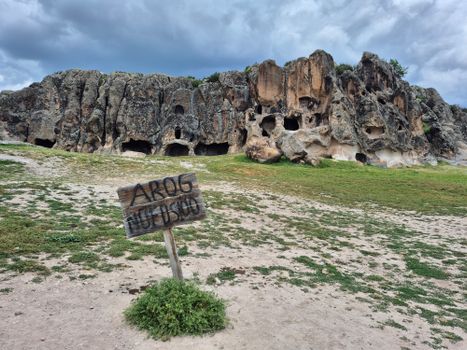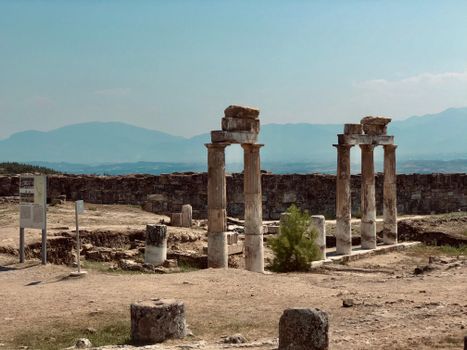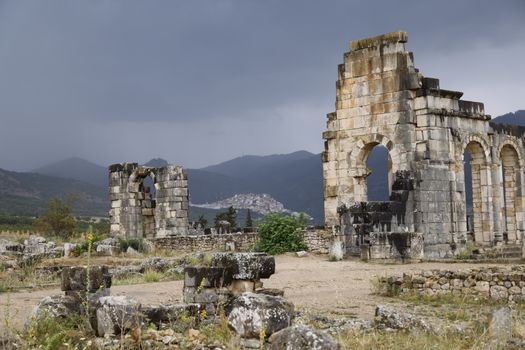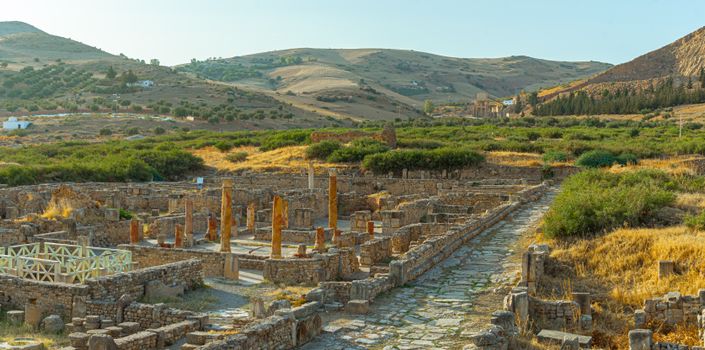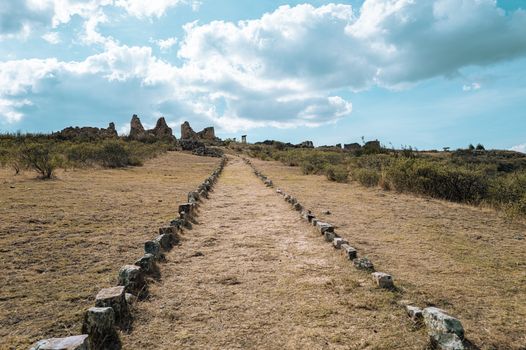
UNESCO's World Heritage List includes cultural, natural and mixed sites that are considered to hold outstanding universal value. The list is updated at regular committee sessions, so places are added from time to time, and some sites that are newly inscribed have only recently opened to visitors or are still developing their facilities. Visiting such a site can be memorable, because it may feel less crowded than long-established landmarks. It also calls for careful planning, since access, services and conservation rules can still be taking shape. This guide explains how to verify the current list and approach newly recognized sites with care.
Checking the current list
The most reliable source is the official UNESCO World Heritage Centre website, which lists inscribed properties and their descriptions. Because the list changes, check the date of any article or guide you read against the official record. Some sites are inscribed as extensions of existing properties, while others are entirely new. Read the official description, which explains why the site was recognized and what it protects.
Understanding what inscription means for visitors
Inscription is a recognition of value, not an automatic guarantee of tourist infrastructure. Some newly inscribed sites have well-developed visitor centers and guided routes. Others are remote, lightly serviced or subject to ongoing restoration. Inscription may also come with management plans that restrict access, limit vehicle traffic or require permits. Understanding these conditions before you travel helps set realistic expectations.
Planning access and transport
Access can be the biggest challenge. Some sites are located in rural areas where public transport is limited, so a hired car or organized tour may be necessary. Check opening periods, which can be seasonal, and find out whether timed tickets or advance booking are required. Local tourism offices and park authorities are often the best sources for current information. Allow extra time for travel, as roads to remote sites can be slow.
Respecting conservation rules
Heritage sites are protected for future generations, and visitors play an important role. Follow marked routes, avoid touching fragile surfaces, and keep to designated viewing areas. Drones may be restricted, and photography in some places requires permission. Do not remove any objects or materials. Staff may ask you to adjust your behavior, and cooperation helps protect the site.
Supporting local communities
Many heritage sites are home to local communities who depend on tourism and who maintain traditions connected to the place. Choose local guides and accommodation where possible, and buy from community-run shops. Ask before photographing people, and be respectful of religious or cultural practices. Visiting with humility and curiosity helps the site remain a place that welcomes visitors without losing its character.
Visiting in a sustainable way
Plan your trip to minimize environmental impact. Travel by public transport where feasible, carry reusable water and avoid single-use plastics. Stay on paths that protect vegetation and soil, and take all litter away. In sensitive natural sites, observe wildlife from a distance and never feed animals.
Practical tips
Verify the official status and any visitor information before finalizing plans. Check whether the site has changed its access arrangements recently. Book guided visits in advance where possible and confirm languages available. Carry offline maps, since mobile coverage can be weak in remote areas. Pack for variable weather, including sun protection and layers. Give yourself time to read interpretation panels, which often explain the site's significance more clearly than any summary.
Common Mistakes to Avoid
A frequent error is assuming that a newly inscribed site has the same visitor facilities as a long-established landmark. Services may be limited, opening times may be irregular and signage may not yet be complete. Another mistake is arriving without checking whether access depends on a permit or a guided tour. Some sites limit numbers or require advance booking, and turning up unprepared can mean missing the visit entirely.
Visitors also sometimes treat heritage areas as photo backdrops. Climbing on structures, moving stones or stepping beyond fences can cause damage that is difficult to repair. Be wary of guides or sellers who suggest that restricted areas are open for a fee, since this can undermine conservation and may not be legitimate. Finally, do not rely solely on social media for information. Recent posts may describe conditions that have since changed, so compare them with official updates before planning your route.
Who This Suits and Who It Doesn't
Newly inscribed sites often suit travelers who enjoy exploring less crowded places and who are comfortable with a degree of uncertainty. Those who like to learn about history through interpretation panels, local conversation and independent exploration may find these visits especially rewarding. Experienced travelers who can adapt to changing arrangements tend to adjust more easily when facilities are still developing.
They may be less suitable for people who need predictable facilities, step-free access or a reliable tour schedule. Families with young children, visitors with mobility needs and those who are planning a tight itinerary may find that remote access and limited services create challenges. Travelers who want a polished, fully serviced experience may prefer more established heritage sites nearby. Matching your expectations to the site's current stage of development helps avoid disappointment.
Newly inscribed UNESCO sites offer a fresh way to explore heritage, often in quieter settings than famous landmarks. By checking the official list, planning access carefully and following conservation rules, you can visit these places in a way that respects both their value and the people who care for them.