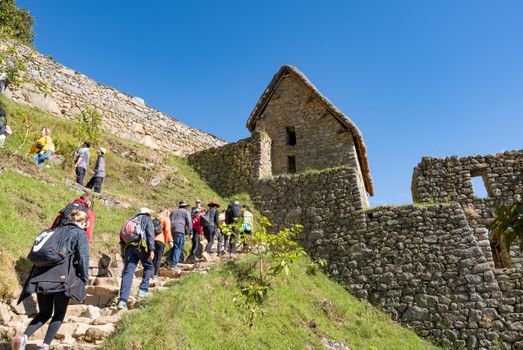
Machu Picchu is the best-known archaeological site in Peru, and it is also one of the most visited. Its setting in the Andes and its architecture make it a memorable destination, but many travelers find that the crowds and timed entry systems leave little room for quiet reflection. Peru contains a wide range of other archaeological sites, from pre-Inca monumental centers to fortresses built into mountain ridges. Many of them offer a different experience and a more relaxed pace. This guide describes several well-regarded alternatives and explains what travelers should plan for in terms of access, altitude and permits.
Kuélap: A Fortress in the Northern Andes
Kuélap is a large walled settlement in the Amazonas region of northern Peru. It was built by the Chachapoya culture and features massive stone walls, circular and rectangular structures, and a dramatic position on a ridge. Access is typically by cable car from the town of Nuevo Tingo, and the site is often combined with visits to other sites in the Chachapoyas area. The cable car has made the site more accessible, but visitors still need to walk through the site, which involves stairs and uneven paths.
The Chachapoyas region is also known for its scenery and nearby waterfalls, including Gocta, which is usually reached by a walk from nearby villages, often arranged with a local guide. Travel times from larger cities can be long, so plan transport in advance.
Caral: Among the Oldest Cities in the Americas
Caral, on the central coast of Peru, is one of the oldest known urban centers in the Americas. Its pyramids and plazas date to a period long before the Inca Empire, and archaeologists have studied it extensively to understand early Andean society. The site is located in a desert environment, so visitors should expect heat, sun and sand. Caral is typically reached by road from Lima, and the journey can take several hours depending on traffic and route. Interpretive displays at the site and in nearby facilities help explain its significance, and guided visits are commonly recommended.
Because Caral is at low altitude compared with Cusco, it can be a more comfortable place to visit for those who are still acclimatizing to the Andes, though the desert heat requires its own preparation.
Choquequirao: A Remote Trek Through Inca Terraces
Choquequirao is an Inca-era site reached by a multi-day trek, often following routes that descend to a river and then climb steep trails. Its large terraces, which extend across hillsides, are a major attraction for hikers who want a quieter experience than Machu Picchu. The trek is demanding, with significant elevation changes, long hours on foot and limited services along the route. Trekkers usually arrange guides, mules or porters through licensed operators, and permits are typically required for entry to the archaeological zone. Requirements and fees can change, so check current rules with official Peruvian sources or a reputable operator before departure.
Because of the length and difficulty of the trek, planning, fitness preparation and reliable transport are essential. Weather can affect trail conditions, particularly during the rainy season.
Chavín de Huántar and Other Andean Sites
Chavín de Huántar, in the Ancash region, is an important ceremonial center from an early Andean period. Its stone carvings and underground galleries offer insight into religious and artistic traditions that influenced later cultures. The site sits at high altitude, so visitors should take time to acclimatize and be aware of possible altitude symptoms. Other sites across the Andes, including those in the Cusco region outside Machu Picchu, such as Ollantaytambo and Pisac, offer terraces, storehouses and ceremonial spaces with fewer visitors than the most famous destinations, though they are still popular.
Altitude, Permits and Visitor Rules
Many Peruvian sites are at high altitude, and altitude sickness can affect people of any fitness level. Symptoms may include headache, nausea, fatigue and breathlessness. Allow several days to acclimatize where possible, drink water, avoid heavy alcohol and consult a doctor before travel if you have heart or lung conditions. Permits, guide requirements and entry rules for archaeological zones are set by national and regional authorities and can change. Use official websites and licensed tour operators to confirm current requirements, and keep your tickets and permits with you during visits.
Practical tips
Plan your itinerary around altitude and travel times rather than trying to cover too many sites. Choose licensed guides for treks and remote sites, and check that services include emergency procedures. Carry layers, since temperatures change quickly between day and night. Use sun protection and drink plenty of water, especially at lower desert sites. Keep your passport and any permits in a safe, accessible place. Respect the fragile stonework by staying on marked paths and not touching walls or carvings. Finally, consider the time of year, because rainy seasons can make trails slippery and close some routes.
Peru's archaeological heritage extends well beyond its most famous site. Kuélap, Caral, Choquequirao and Chavín de Huántar each offer distinct landscapes, architecture and histories. With careful planning around altitude, permits and transport, these alternatives can provide a deeper and less crowded sense of the country's past.