Beyond the Clouds: Your Definitive Guide to Machu Picchu Alternatives Without the Crowds
I stepped off the rattling bus, the crisp Andean air biting at my cheeks, carrying with it the faint, earthy scent of damp soil and something subtly floral. The usual cacophony of tourist chatter was absent, replaced by the gentle rustle of wind through tall grasses and the distant, melodic bleating of llamas. This was it. Not the iconic, postcard-perfect vista of Machu Picchu, but something equally profound, something that whispered secrets instead of shouting them. This is the magic that awaits when you dare to venture beyond the well-trodden path.
While Machu Picchu is undeniably a marvel, its allure has drawn crowds that can sometimes dilute the experience. But what if I told you that Peru, a land steeped in ancient history, offers a treasure trove of equally awe-inspiring Inca sites and breathtaking landscapes, all without the throngs? As a seasoned traveler and an SEO enthusiast for Tripsora, my mission is to help you discover these hidden gems, ensuring your Peruvian adventure is as authentic and unforgettable as it is visually stunning. Forget the queues; let's talk about wonder.
1. Choquequirao: The "Other" Machu Picchu
Often hailed as Machu Picchu's more elusive and dramatic sibling, Choquequirao is a sprawling citadel perched precariously on a mountain ridge, offering views that will steal your breath and then some. The journey here is part of the adventure, a challenging but incredibly rewarding trek that filters out casual visitors, leaving you with a sense of true discovery.
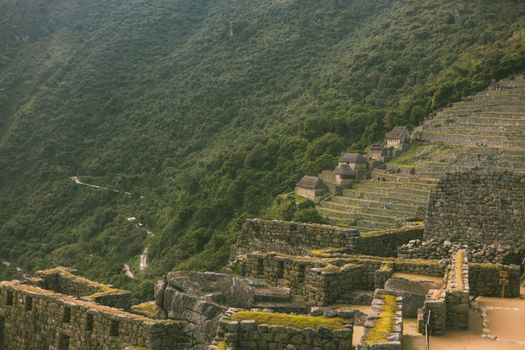
The Vibe: Imagine standing on a terrace, the Urubamba River a silver ribbon far below, surrounded by stone structures that seem to grow organically from the mountainside. The air is clean, the silence profound, broken only by the calls of condors circling overhead. It feels wild, untamed, and utterly magnificent. The intricate stonework, the agricultural terraces cascading down the slopes – it’s a testament to Inca ingenuity on a scale that rivals its more famous counterpart.
Pro-Tip: The most common trek to Choquequirao is a 4-day, 3-night round trip. Pack light but bring essentials: plenty of water, sun protection, and layers for the fluctuating temperatures. Hiring a local guide is highly recommended for navigating the trails and understanding the historical significance.
Quick Facts: Choquequirao
| Category | Details | Estimated Cost ($) | | :------------- | :------------------------------------------------- | :----------------- | | Best Time | Dry season (May to September) | $300 - $700 (for trek, excluding flights) | | How to get there | Trek from Cachora village (near Cusco) via private transport or bus. | | | Accommodation | Camping is the primary option. | | | Difficulty | Strenuous trekking. | |
2. Kuelap: The Fortress in the Clouds
Journey north to the Amazonas region, and you'll discover Kuelap, a colossal walled city built by the Chachapoyas people, the "Warriors of the Clouds." This ancient marvel predates the Incas and boasts an impressive defensive system and unique circular architecture.
The Vibe: Ascending to Kuelap via the modern cable car is an experience in itself, offering panoramic views of the lush cloud forest. Once inside the fortress walls, you're transported to a different era. The sheer scale of the stonework, the height of the walls (up to 60 feet!), and the intricate details of the dwellings and ceremonial structures are astounding. It feels ancient, mysterious, and incredibly well-preserved. You can almost hear the echoes of the Chachapoyas people who once called this place home.
Pro-Tip: Visit Kuelap early in the morning to experience the mist rolling through the ruins, creating an ethereal atmosphere. The cable car is efficient, but consider walking some of the paths within the citadel to truly appreciate its layout. The nearby Revash mausoleums and Gocta Falls are excellent additions to a Kuelap itinerary.
Quick Facts: Kuelap
| Category | Details | Estimated Cost ($) | | :------------- | :--------------------------------------------------------------------- | :----------------- | | Best Time | Dry season (May to October) | $150 - $400 (for a few days in the region, excluding flights) | | How to get there | Fly to Jaén or Tarapoto, then take a taxi or bus to Tingo Nuevo for the cable car. | | | Accommodation | Hotels and hostels available in Chachapoyas town and nearby villages. | | | Difficulty | Moderate walking within the site. | |
3. Ollantaytambo: A Living Inca Town
While not entirely "undiscovered," Ollantaytambo offers a far more intimate experience than Machu Picchu, and it's a fascinating destination in its own right. This is one of the best-preserved Inca towns, and people still live within its ancient street plan.
The Vibe: Wandering through Ollantaytambo feels like stepping back in time. The narrow, cobblestone streets, the original Inca water channels still flowing, and the imposing fortress overlooking the town create an immersive atmosphere. The fortress itself, with its massive, precisely cut stones, is a marvel of engineering. Unlike a purely archaeological site, here you witness the continuity of Inca culture in a living community. The scent of woodsmoke from local kitchens mingles with the aroma of freshly baked bread.
Pro-Tip: Arrive at the Ollantaytambo ruins just as they open (around 7 AM) to have the site largely to yourself. Explore the town's labyrinthine streets after visiting the ruins, and don't miss the chance to try some chicha, the traditional corn beer, at a local chicheria.
Quick Facts: Ollantaytambo
| Category | Details | Estimated Cost ($) | | :------------- | :------------------------------------------------------------------------- | :----------------- | | Best Time | Year-round, but shoulder seasons (April-May, September-October) offer pleasant weather. | $50 - $150 (for a day trip or overnight stay, excluding transport) | | How to get there | Accessible by train from Cusco or as a stop on the Sacred Valley tour. | | | Accommodation | Numerous hotels, hostels, and guesthouses. | | | Difficulty | Moderate walking and climbing within the ruins. | |
4. Moray and Maras: Agricultural Genius and Natural Wonders
These two adjacent sites in the Sacred Valley offer a unique glimpse into Inca agricultural innovation and natural beauty, without the crowds that often flock to Pisac or Chinchero.
The Vibe: Moray is an archaeological marvel featuring concentric agricultural terraces that descend into a natural sinkhole. The Incas ingeniously created microclimates here, experimenting with crops. Standing at the edge, you can feel the subtle temperature differences as you move down the levels. It’s a testament to their scientific understanding. Just a short distance away are the Maras Salt Mines, a breathtaking patchwork of thousands of salt pans that have been in use since Inca times. The shimmering white against the earthy tones of the valley is a photographer's dream. The air here carries a subtle, mineral tang.
Pro-Tip: Combine a visit to Moray and Maras in one day. Hiring a taxi or joining a small group tour from Cusco or the Sacred Valley is the most efficient way to see both. Wear sturdy shoes as the terrain can be uneven.
Quick Facts: Moray & Maras
| Category | Details | Estimated Cost ($) | | :------------- | :------------------------------------------------------------------------- | :----------------- | | Best Time | Dry season (April to October) for best visibility. | $30 - $80 (for a half-day tour or private taxi) | | How to get there | Day trip from Cusco or the Sacred Valley via taxi, tour, or bicycle. | | | Accommodation | Stay in Cusco or Sacred Valley towns. | | | Difficulty | Easy walking. | |
5. Sacsayhuamán: The Majestic Fortress Above Cusco
While technically very close to Cusco and often visited, Sacsayhuamán can still offer moments of solitude, especially if you explore beyond the main ceremonial plaza. This colossal Inca fortress is renowned for its massive, perfectly fitted stone walls.
The Vibe: The sheer scale of the zigzagging walls, built from stones weighing many tons, is mind-boggling. How the Incas moved and placed these megaliths with such precision remains a subject of wonder. Beyond the main tourist area, there are smaller ruins, caves, and viewpoints that offer a quieter, more contemplative experience. The panoramic views of Cusco spread out below are spectacular, especially as the sun begins to set, casting a golden glow over the red-tiled roofs. You can almost feel the power and strategic importance of this ancient stronghold.
Pro-Tip: Visit Sacsayhuamán in the late afternoon. As day-trippers depart, you can often find quiet corners to explore. Consider walking up from San Blas neighborhood in Cusco for a more engaging arrival.
Quick Facts: Sacsayhuamán
| Category | Details | Estimated Cost ($) | | :------------- | :------------------------------------------------------------------------- | :----------------- | | Best Time | Year-round, but late afternoon offers beautiful light and fewer crowds. | $15 - $30 (entrance fee, part of Boleto Turístico) | | How to get there | Taxi or a scenic walk from Cusco. | | | Accommodation | Stay in Cusco. | | | Difficulty | Moderate walking and some uphill climbs. | |
The Real Peruvian Treasure: Authenticity Without the Hype
Choosing these alternatives isn't about finding a "lesser" experience; it's about finding a different and often more profound one. It's about the thrill of discovery, the quiet contemplation of ancient ingenuity, and the genuine connection with a land that still holds so many secrets. It’s about tasting anticuchos de alpaca from a local vendor, the smoky, slightly gamey flavor a perfect counterpoint to the crisp mountain air, or hearing the Quechua language spoken fluently by a farmer tending his terraced fields.
These sites offer a chance to escape the well-trodden tourist trail and immerse yourself in the true spirit of Peru. You’ll find the same incredible history, the same breathtaking landscapes, and a much more personal, authentic encounter with the legacy of the Inca and pre-Inca civilizations.
So, pack your sense of adventure, your curiosity, and a willingness to explore. The real treasures of Peru await, far from the madding crowds.