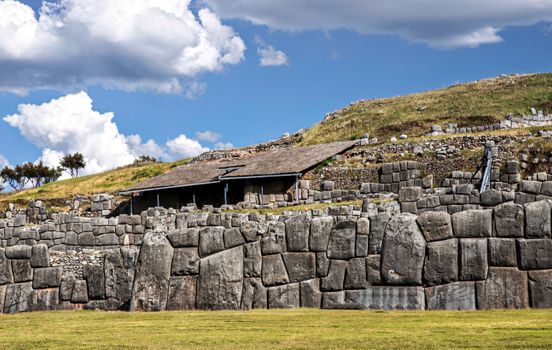
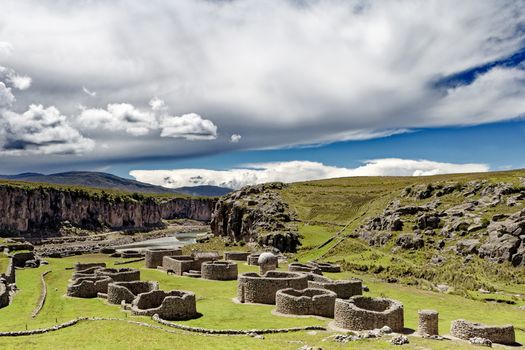
Machu Picchu is among the most visited archaeological sites in South America, and access is managed through timed entry and limited daily numbers. Travelers who want a quieter experience of Inca history and Andean landscapes often look at other sites and trekking routes in Peru. Some alternatives are well developed and easy to reach, while others are remote and demand multi-day trekking. This guide describes several options, the practical considerations for each and how to plan a visit responsibly.
Choquequirao and the remote trek
Choquequirao is an Inca site often described as less visited than Machu Picchu. Reaching it typically involves a multi-day trek through steep valleys, with the site itself spread across terraces and ridges. Trekkers should expect demanding descents and climbs, variable weather and limited services. Organised tours are common, and they usually handle permits, porters, camping and meals. Because the trek is physically demanding, visitors should be realistic about their fitness and acclimatisation, particularly given altitude changes along the route.
Lares and the Andean village route
The Lares trek is a multi-day route that passes through highland villages, traditional communities and mountain passes. It offers a chance to see daily life in the Andes alongside impressive scenery. Trekkers often encounter weaving communities and small markets along the way. The route varies in difficulty, and several stretches reach high altitude, so acclimatisation time in the region is sensible before setting out. Check current regulations for trekking in community areas, as local arrangements can change.
Huchuy Qosqo and Sacred Valley sites
Huchuy Qosqo is a smaller Inca site in the Sacred Valley, often reached by a relatively short walk from a village. It can offer views over the valley and a quieter setting than the most popular sites. Other Sacred Valley sites, such as Ollantaytambo and Pisac, are also visited by many travelers, but they tend to be less crowded than Machu Picchu in certain periods. Visiting several sites in one area can provide a fuller picture of Inca engineering and agriculture.
Planning permits, tickets and timing
Access to Inca sites and trails in Peru is regulated, and requirements can change. Some sites require tickets, some trails require permits, and some routes must be walked with licensed guides or through registered operators. Check official Peruvian government and site information before booking, and confirm whether tickets or permits need to be bought in advance. Dry-season months are often chosen for trekking, though this varies by route and altitude, and rain can make trails slippery at any time of year.
Altitude, fitness and health
Many Peruvian destinations sit at high altitude, and altitude sickness can affect fit travelers as well as others. Symptoms can include headache, nausea, breathlessness and fatigue. Allow time to acclimatise before trekking, drink plenty of water and avoid overexertion on arrival. Consult a healthcare professional before travelling if you have heart or lung conditions, and follow current official travel health guidance for the region. Guides are usually trained to respond to altitude symptoms, and it is wise to tell them promptly if you feel unwell.
Responsible visiting
Quieter sites and trails often depend on careful management. Stay on marked paths, do not climb on archaeological structures where this is prohibited, and carry out all litter. Hire local guides and porters through reputable operators, and ensure they are treated fairly. Respect the culture of local communities along the route, ask before photographing people and avoid disturbing livestock or sacred places.
Practical tips
- Compare routes by length, altitude and difficulty, and choose one that matches your fitness.
- Book through licensed operators and confirm what permits, meals and equipment are included.
- Allow several days in the region for acclimatisation before any high-altitude trek.
- Pack warm layers, waterproof outerwear, sun protection and a basic first aid kit.
- Check current entry rules and permit requirements on official sources before finalising plans.
Common mistakes to avoid
A frequent mistake is choosing a trek by its name or photographs alone, without checking its length and total climbing. Travelers may also schedule a demanding route directly after a long-haul flight, leaving little time to rest. Some underestimate how hard a multi-day descent can be on the knees and feet, and bring footwear that has not been worn in. Another error is treating a remote site as a short excursion from a city, which can lead to tight connections and missed transport. Finally, travelers sometimes assume that online information is current, when access rules and community arrangements may have changed since it was written. Checking recent sources close to your departure date is a simple habit that avoids many surprises.
Who this suits and who it doesn't
These alternatives suit travelers who enjoy active days, want more solitude and are interested in history beyond a single famous site. They can suit experienced hikers, people comfortable camping with a team, and those who appreciate rural community life. They are less suitable for people with heart or lung conditions unless cleared by a clinician, travelers with limited time, or anyone who prefers comfortable hotels and fixed daily schedules. Families with young children may find some routes too demanding, although shorter Sacred Valley visits can be easier to manage with a relaxed pace.
A quick checklist for choosing a route
- How many days of walking can I realistically manage at altitude?
- Have I checked the route length, highest point and daily distance?
- Is the operator licensed, and does the price state what is included?
- Have I allowed a rest day before and after the main trek?
- Does my travel insurance cover high-altitude activity and evacuation?
- Have I confirmed current entry and permit rules on an official source?
If you cannot answer most of these with confidence, a shorter route or a single-day visit may be the better starting point.
Machu Picchu alternatives can reward travelers who value solitude, deep history and dramatic landscapes, but they usually require more planning than a standard day visit. Choosing a route that suits your fitness, arranging permits and guides properly and respecting local communities will make the experience safer and more meaningful. A well-prepared trip can offer a rich view of Peru's Inca heritage beyond the most famous site.