The Day I Gave Up on Machu Picchu
I stepped off the train at Aguas Calientes and was immediately greeted by the screech of brakes, the exhaust fumes of tourist shuttles, and a wall of neon-jacketed tour groups waving selfie sticks like battle batons.
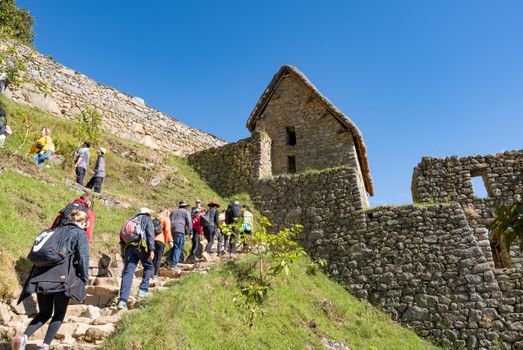
Up at the citadel, the air smelled less of sacred mountain pine and more of sunblock and stress. I stood on the iconic upper terrace, shuffling along a ropes-and-stanchions circuit like a commuter at airport security, while a park ranger blew a whistle at me for standing still too long.
Machu Picchu is undeniably a wonder of the world. But with over 4,500 visitors passing through its gates daily under strict, timed-circuit permits, the magic often gets crushed under the weight of mass tourism.
Determined to find the real Andes, I spent six months interviewing high-end expedition planners and boots-on-the-ground guides. What I discovered changed my understanding of South American archaeology forever: there are forgotten fortresses, cloud-forest citadels, and cliffside granaries that rival Machu Picchu in scale, history, and beauty—without a single tour bus in sight.
Here are the six definitive Machu Picchu alternatives without the crowds travel advisors suggest to their most discerning clients.
---
1. Choquequirao, Peru: The Massive "Sister Citadel"
If you want the exact architectural majesty of Machu Picchu without sharing it with thousands of people, Choquequirao is the ultimate trophy destination.
Perched high on a remote ridge above the roaring Apurímac River canyon, Choquequirao ("Cradle of Gold") was built during the same era as Machu Picchu by top-tier Inca stonemasons. However, it is roughly three times larger than Machu Picchu—and only 30% of it has been excavated from the jungle.
``` +-------------------------------------------------------------------+ | CHOQUEQUIRAO AT A GLANCE | +-------------------+-----------------------------------------------+ | Daily Visitors | 20 to 50 (vs. 4,500+ at Machu Picchu) | | Elevation | 3,050 meters (10,000 feet) | | Architecture | Imperial Inca ashlar masonry & terrace mosaics| | Access Method | Multi-day foot trek only | +-------------------+-----------------------------------------------+ ```
What It Feels Like
Standing on the main plaza at dawn, you hear only the rustle of the cloud forest and the distant roar of the river 1,500 meters below. The highlight is the Llamayoc sector: a series of steep stone terraces inlaid with white quartz stones shaped into running llamas—a design feature found nowhere else in the Inca empire.
- How to Get There: Drive four hours from Cusco to the trailhead at Capuliyoc, then undertake a challenging 4-day round-trip trek through the Apurímac Canyon.
- Pro-Tip: Do not rush the descent. Camp at Marampata on Night 1 so you can enter the ruins at 6:30 AM when the morning mist rolls off the valley floor. Hire a local arriero (muleteer) in the village of Cachora for $25 a day to support the regional economy and lighten your load.
---
2. Kuélap, Peru: The Cloud Fortress of the Warriors
Located in the high jungle of northern Peru, Kuélap predates Machu Picchu by more than 500 years. Built by the enigmatic Chachapoyas culture (the "People of the Clouds"), this massive walled city rests on a ridge at 3,000 meters altitude.
``` /\ Kuélap's Outer Walls: 20 Meters High / \ ================================================ / \ Constructed using over 40 million blocks of stone | | (More raw stone material than the Great Pyramid of Giza) ```
The outer perimeter wall of Kuélap rises up to 20 meters high, built from massive limestone blocks fitted together with mud mortar. Inside, over 400 round stone dwellings sit shaded by bromeliad-draped trees, offering a look at pre-Inca life that feels vastly different from classic Inca architecture.
``` _____ / \ Chachapoyas Circular Dwelling / \ - Conical thatched roof | [===] | - Zig-zag geometric friezes | | | | - Burials beneath floor slabs |___|__|____| ```
The Experience
Unlike the geometric, stark granite lines of Cusco, Kuélap is organic, wild, and green. The entrance narrows into a bottle-necked stone alley designed to funnel invaders single-file into an ambush zone. Walking through these cool, narrow passages feels like entering an Indiana Jones set.
- How to Get There: Fly from Lima to Jaén or Chachapoyas, take a bus to the town of Tingo, and ride Peru’s first cable car system directly up to the mountain base.
- Pro-Tip: Catch the first cable car gondola at 8:00 AM. While main platform restoration is ongoing, the perimeter trails and lower sectors offer incredible views. Eat local cecina (cured, smoked pork served with crushed fried yucca) at the family-run taverns in Tingo afterwards.
---
3. Pinkuylluna & Pumamarka, Peru: Sacred Valley Secrets
You don't need to leave the Sacred Valley to escape the crowds. While thousands of tourists pay $70+ for the official Boleto Turístico (tourist ticket) to wait in line at the primary Ollantaytambo archaeological complex, two incredible sites sit right under their noses for free or a fraction of the price.
Pinkuylluna (The Free Cliffside Granaries)
Clinging to the sheer rock face directly opposite the town of Ollantaytambo are the storehouses of Pinkuylluna. Built high up the mountain to take advantage of cool, drying winds that preserved maize and potatoes, these storehouses offer panoramic views of the entire Sacred Valley.
``` PINKUYLLUNA TREK PROFILE: [Ollantaytambo Town] ---> 45-Min Steep Climb ---> [Inca Storehouses] Cost: $0 | Crowds: Near Zero | Trailhead: Calle La Convención ```
Pumamarka (The Fortress of the Puma)
Located a 3-hour walk or 30-minute taxi ride up the Patacancha Valley from Ollantaytambo, Pumamarka is a sprawling pre-Inca and Inca complex built on a dramatic mountain spur.
``` +-----------------------------------------------------------------------+ | PUMAMARKA VS. MACHU PICCHU | +----------------------+-----------------------+------------------------+ | Feature | Pumamarka | Machu Picchu | +----------------------+-----------------------+------------------------+ | Entrance Fee | ~10 PEN ($2.70 USD) | ~152 PEN ($40+ USD) | | Ticket Booking | Walk-up cash at gate | Months in advance | | Visitor Limit | None | Strict timed slots | | Structure Shapes | Rare circular walls | Standard rectangular | +----------------------+-----------------------+------------------------+ ```
- How to Get There: For Pinkuylluna, look for the small green sign hidden down Calle La Convención in Ollantaytambo. For Pumamarka, take a local colectivo (shared minivan) heading toward Patacancha and ask to be dropped at the ruin turn-off.
- Pro-Tip: Hike from Pumamarka back down to Ollantaytambo along the ancient Inca Caan canal trail. You'll pass through terraced farming communities without seeing another foreign traveler all afternoon.
---
4. Ciudad Perdida, Colombia: The Wild Jungle Trek
If your dream of Machu Picchu is tied to the physical challenge of the Classic Inca Trail, Colombia’s Ciudad Perdida ("Lost City") delivers an even rawing, more authentic wilderness experience.
Built around 800 AD—roughly 650 years before Machu Picchu—by the Tayrona civilization, Ciudad Perdida lies buried deep in the dense jungle of the Sierra Nevada de Santa Marta mountains.
``` === CIUDAD PERDIDA TREK METRICS ===
[1,200 Stone Steps] ---> Final Ascent to Citadel [4 Days Hiking] ---> Dense Tropical Rainforest [2 River Crossings] ---> Waist-Deep Buritaca River ```
The Experience
There are no trains, no buses, and no luxury day-trips to Ciudad Perdida. To reach it, you must complete a grueling 4-day round-trip trek, crossing waist-deep rivers, navigating muddy jungle paths, and finally climbing 1,200 moss-covered stone steps carved into the mountain side.
When you emerge onto the top ring terracing, surrounded by palm fronds and thick mountain canopy, the feeling of discovery is authentic.
- How to Get There: Book a mandatory guided trek departing from Santa Marta or Taganga.
- Pro-Tip: Go with Wiwa Tours, an agency owned and operated by indigenous Wiwa and Kogi descendants of the Tayrona people. Your guide will provide cultural context and oral histories that standard commercial outfitters miss. Pack everything in double ziplock bags; the high jungle humidity is unforgiving to electronics.
---
5. Ingapirca, Ecuador: The Temple of the Sun
For travelers who want to see imperial Inca architecture without entering Peru altogether, Ecuador's northernmost imperial outpost offers master-class stonework without the commercial hype.
Ingapirca is a rare hybrid site where the native Cañari culture met and fused with the invading Inca empire.
``` +-------------------------------------------------------------+ | INGAPIRCA MASONRY HYBRID LAYOUT | | | | Cañari Foundation: Mortared, rounded fieldstones | | + | | Inca Overlay: Mortarless, pillowed green Andesite ashlar | +-------------------------------------------------------------+ ```
The Architectural Marvel
The centerpiece of the complex is the Templo del Sol (Temple of the Sun). Unlike the rectangular buildings found throughout most of the Inca Empire, this temple is built in an elliptical shape around a massive natural rock outcrop.
The stones are carved from green Andesite, cut with precision to interlock without mortar so tightly that you cannot slide a bank card between them.
``` INGAPIRCA SUN TEMPLE (ELLIPTICAL ARCHITECTURE) .-'""'-. .' '. / (Rock) \ <- Mortarless Andesite Masonry | Outcrop | \ / <- Aligned to Solstices '. .' '-....-' ```
- How to Get There: Take a direct 2.5-hour local bus from the Terminal Terrestre in Cuenca, Ecuador (approx. $3.50 each way).
- Pro-Tip: Time your visit for a Sunday morning. Take the early bus to the nearby town of Cañar to experience one of the most vibrant indigenous livestock and textiles markets in North Andes before heading to the ruins at noon when the morning tour vans leave.
---
6. Isla del Sol, Bolivia: The Mythic Sacred Lake
According to Inca mythology, the sun god Inti created his children, Manco Cápac and Mama Ocllo, on a holy rock in the middle of Lake Titicaca. They rose from the deep blue waters to travel north and found the city of Cusco. That holy birthplace is Isla del Sol (Island of the Sun).
``` LAKE TITICACA (3,812M) ~~~~~~~~~~~~~~~~~~~~~~~~~~~~~~~~~~~~~~~~~~~~~~~~~~~~~~~~~~~~~~~~ [Isla del Sol] / \ Yumani Steps Chincana Labyrinth (North) (Ancient Springs) (Sacred Birth Rock) ~~~~~~~~~~~~~~~~~~~~~~~~~~~~~~~~~~~~~~~~~~~~~~~~~~~~~~~~~~~~~~~~ ```
What It Feels Like
There are no paved roads, cars, or motorized vehicles anywhere on the island. You travel entirely on foot along ancient stone pathways (Inca Caan) that run along the mountain spine of the island, elevated 3,800 meters above sea level.
The contrast between the cobalt-blue water of Lake Titicaca, the snow-capped peaks of the Cordillera Real in the distance, and the golden stone Inca terraces cascading into the lake is unmatched anywhere in Peru.
``` / \ / \ CORDILLERA REAL (6,000m+ SNOWPEAKS) / \ ~~~~~~~~~~~~~~~~~~~~~~~~~~~~~~~~~~~~~~~~~~~~~~~~~~~~~ _ _ _ _ [Inca Terraces Cascading to Water] | || || || | ~~~~~~~~~~~~~~~~~~~~~~~~~~~~~~~~~~~~~~~~~~~~~~~~~~~~~ [Cobalt Blue Lake Titicaca] ```
- How to Get There: Catch a morning ferry boat from the port town of Copacabana, Bolivia (2 hours to Yumani port).
- Pro-Tip: Do not make this a day trip. Stay overnight at a small lodge in the southern village of Yumani. When the day-tripper boats leave at 3:30 PM, you will have the ancient stairways, quiet trails, and stargazing completely to yourself.
---
Logistics & Budget: How the Alternatives Compare
To help you plan your ideal alternative itinerary, here is a breakdown of costs, difficulty levels, and logistics across all six sites compared to Machu Picchu.
| Archaeological Site | Country | Cost Estimate (Entry + Transit) | Difficulty Level | Crowd Level (1-10) | Ideal Season | How to Get There | | :--- | :--- | :--- | :--- | :--- | :--- | :--- | | Machu Picchu | Peru | $150 – $350+ USD | Easy – Moderate | 10 / 10 | May – Sept | Train from Ollantaytambo + Bus from Aguas Calientes | | Choquequirao | Peru | $60 – $120 USD (DIY Trek) | Very Hard | 1 / 10 | May – Oct | 4-hr drive from Cusco to Capuliyoc + 4-day hike | | Kuélap | Peru | $15 – $30 USD | Easy | 2 / 10 | May – Oct | Cable car gondola from Tingo (near Chachapoyas) | | Pumamarka | Peru | $3 – $10 USD | Easy – Moderate | 1 / 10 | Year-round | 30-min taxi or 3-hr walk from Ollantaytambo | | Ciudad Perdida | Colombia | $450 – $500 USD (All-Inc.) | Hard | 3 / 10 | Dec – March | 4-day guided jungle trek from Santa Marta | | Ingapirca | Ecuador | $10 – $15 USD | Easy | 2 / 10 | June – Sept | Direct 2.5-hr bus from Cuenca terminal | | Isla del Sol | Bolivia | $15 – $25 USD | Moderate | 3 / 10 | May – Oct | 2-hr passenger ferry from Copacabana harbor |
---
Pro-Tips for Booking Machu Picchu Alternatives
If you are ready to ditch the crowds and plan an off-the-beaten-path Andean adventure, keep these four golden rules in mind:
1. Match Your Fitness to the Ruins
Sites like Choquequirao and Ciudad Perdida are multi-day wilderness expeditions requiring high physical resilience. If you prefer low-impact travel with high cultural reward, pick Kuélap or Ingapirca, both of which feature short walking paths and comfortable transport.
2. Respect Altitude Acclimatization
Do not jump off a flight from sea level directly onto the trails of the High Andes.
- Spend at least 48 hours in a mid-altitude hub like Arequipa (2,300m), Cuenca (2,500m), or the Sacred Valley (2,800m) before tackling high-elevation hikes like Choquequirao or Isla del Sol.
- Drink local muña (Andean mint) or coca leaf tea to help ease minor altitude headaches.
``` ALTITUDE SAFETY TIMELINE: Day 1: Fly In -> Rest at Mid-Altitude Base (2,300m - 2,800m) Day 2: Light Walking & Hydration (Drink Muña/Coca Tea) Day 3+: Begin High-Altitude Treks (3,000m+) ```
3. Support Indigenous-Owned Outfitters
When trekking to remote sites, hire local guides, porters, and muleteers from the immediate communities (such as the Wiwa in Colombia or the Quechua-speaking villagers of Cachora in Peru). This ensures your travel dollars directly benefit the remote regions safeguarding these historic places.
4. Pack for Multi-Microclimate Shifts
The Andes and high cloud forests can swing from scorching 25°C (77°F) sun at noon to freezing -2°C (28°F) nights. Always pack:
- A lightweight down jacket.
- A high-grade waterproof outer shell.
- Sturdy, broken-in trail runners or hiking boots with deep tread.
---
Final Thoughts: The True Magic of South America
Machu Picchu will always remain an extraordinary piece of human engineering. But the true spirit of Andean exploration isn't found in a ticket line or behind a velvet safety rope.
It is found when you reach the crest of a ridge after a long day of hiking, wiping sweat from your brow, to see ancient stone terraces rising out of the mountain cloud mist—with no one around for miles except the condors soaring overhead.
Choose the path less traveled. Your best travel stories are waiting off the beaten track.
---