Beyond the Citadel: Your Secret Map to Peru's Uncrowded Wonders
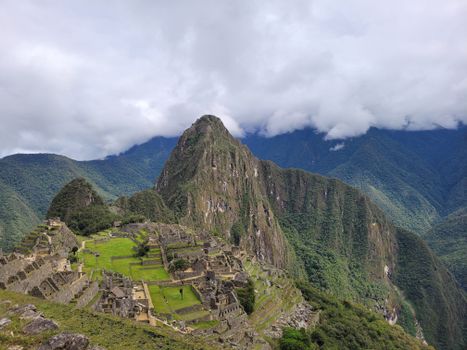
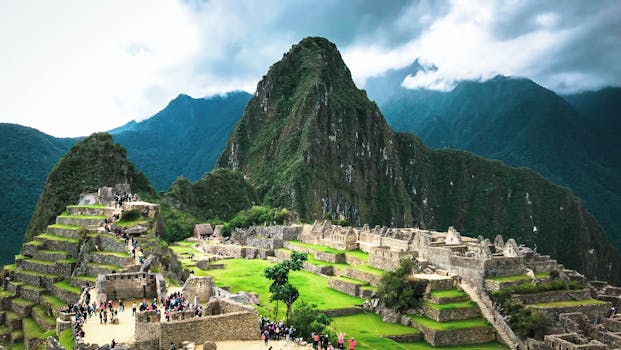
I stepped off the overnight bus in Cusco, the thin Andean air hitting my lungs like a crisp, cool whisper. The pre-dawn chill carried the faint scent of woodsmoke and something indefinably ancient. My mission: to find the soul of Peru, not just its most famous postcard. While Machu Picchu is undeniably magnificent, the sheer volume of visitors can sometimes feel like a historical theme park. But what if I told you there are other places, equally breathtaking, steeped in history, and blessedly, blissfully, empty? Places where the only soundtrack is the wind and your own awe.
This isn't about replacing Machu Picchu; it's about expanding your Peruvian adventure, discovering its wilder, quieter heart. I’ve trekked, explored, and tasted my way through Peru, seeking out these extraordinary alternatives. Here’s your insider guide to experiencing the magic without the masses.
1. The "Other" Inca Citadel: Choquequirao
Imagine this: You’re standing on a precipice, the sheer granite walls of a canyon plunging thousands of feet below. Across the vast expanse, clinging precariously to the mountainside, sits a city of stone. Not just any city, but Choquequirao, often called Machu Picchu’s “sacred sister.” The air here is thin, the silence profound, broken only by the cry of a condor soaring overhead. This is the raw, untamed beauty of the Andes.
Choquequirao requires effort. It’s a challenging multi-day trek, typically 4-5 days round trip, involving significant elevation changes. But that’s precisely why it remains so uncrowded. The reward for your sweat equity? Unspoiled Inca architecture, intricate agricultural terraces, and a sense of profound discovery that’s increasingly rare. I spent hours wandering through its plazas, tracing the lines of stone, and imagining the lives of those who built this marvel. The famous llama frieze on one of the terraces is a testament to the Inca's artistic genius, a detail you can admire in quiet contemplation.
Pro-Tip: Book your trek with a reputable local guide who understands the terrain and can arrange logistics. Essential to carry plenty of water purification tablets and high-energy snacks. The sun is intense, so a wide-brimmed hat and high SPF are non-negotiable.
2. The Cloud Forest Fortress: Kuelap
Journey north to the Amazonian region of Amazonas, and you’ll find Kuelap, a monumental fortress built by the Chachapoyas people, the "Warriors of the Clouds," centuries before the Incas. Perched atop a mountain ridge, its massive stone walls, some reaching 60 feet high, are an awe-inspiring sight. Unlike the polished perfection of Machu Picchu, Kuelap feels wilder, more primal.
The journey to Kuelap is an adventure in itself. You can now reach the fortress via a scenic cable car ride, which dramatically reduces the hiking time and offers spectacular panoramic views of the Utcubamba Valley. Once inside, you'll explore hundreds of circular stone dwellings, many adorned with intricate geometric patterns. The sheer scale and strategic placement of Kuelap speak volumes about the Chachapoyas’ ingenuity and their mastery of their environment.
Pro-Tip: Combine Kuelap with a visit to the Sarcophagi of Karajia and the Gocta Waterfall (one of the world's tallest) for a comprehensive Chachapoyas cultural immersion. Stay in the charming town of Chachapoyas for authentic local cuisine – try the cuy (guinea pig) if you're adventurous!
3. The Sacred Valley's Quieter Cousins: Ollantaytambo and Pisac (Beyond the Main Hub)
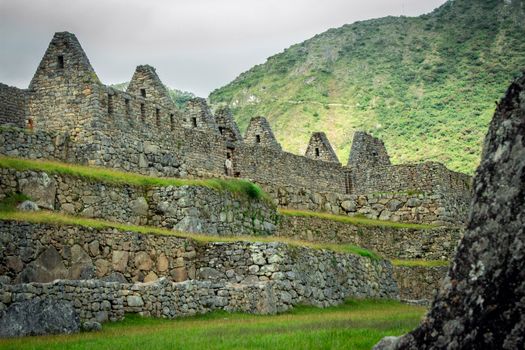
While many flock to the main plazas of Ollantaytambo and Pisac, their surrounding areas and less-visited sections offer a more intimate encounter with the Sacred Valley's magic. Ollantaytambo, a living Inca town, is a marvel of urban planning. Beyond the imposing fortress, wander through its ancient cobblestone streets, where Inca water channels still flow.
Ollantaytambo's lesser-known terraces on the opposing hillsides offer stunning views of the main site without the crowds. Explore the Pinkuylluna granaries, ancient storehouses perched high above the town, for a unique perspective and a glimpse into Inca logistics. The scent of freshly baked bread from local panaderias mingles with the crisp mountain air.
Similarly, Pisac's sprawling ruins extend far beyond the main market area. Hike further up the mountain to discover more secluded agricultural terraces, ceremonial platforms, and even a small Inca cemetery. The panoramic views of the valley below are simply breathtaking, and you’ll likely have them all to yourself.
Pro-Tip: For Ollantaytambo, arrive early in the morning (before 8 AM) to explore the main fortress with fewer people. For Pisac, consider hiring a local guide to take you to the "hidden" Inca paths and viewpoints. The local market in Pisac is vibrant, but the ruins offer a deeper, quieter connection to the past.
4. The Pre-Inca Marvel: Caral-Supe
Venture to the coast, about three hours north of Lima, and you’ll discover Caral-Supe, the oldest known civilization in the Americas, with origins dating back over 5,000 years – predating the pyramids of Egypt! This UNESCO World Heritage site is a testament to the ingenuity of early Peruvian societies, featuring monumental architecture, complex urban planning, and evidence of sophisticated astronomical observation.
Caral is a vast archaeological complex with impressive pyramids, circular plazas, and residential areas. Walking through Caral feels like stepping back into the dawn of civilization. The dry coastal climate preserves the structures remarkably well, and the lack of overwhelming crowds allows for a profound sense of connection to this ancient culture. The sheer scale of the main pyramid, the Pirámide Mayor, is astounding.
Pro-Tip: Caral is best visited as a day trip from Lima. Hire a private driver or join a small group tour. The site is exposed, so bring sun protection and plenty of water. The on-site guides are excellent and can bring the history of this incredible civilization to life.
5. The Gateway to the Amazon: Gocta Waterfall and Surrounding Villages
While not an archaeological site, the region surrounding the Gocta Waterfall in the Amazonas region offers an authentic Peruvian experience far removed from tourist throngs. This majestic two-tiered waterfall, discovered by the outside world only in 2005, plunges over 2,500 feet. The hike to its base is a journey through lush cloud forest, alive with the calls of exotic birds and the scent of damp earth and wild orchids.
The villages surrounding Gocta, like San Pablo and Cocachimba, are small and welcoming. Here, you can experience genuine rural Peruvian life, stay in simple hospedajes, and savor home-cooked meals made with local ingredients. The pace of life is slow, allowing you to truly unwind and connect with the natural beauty and the warmth of the local people.
Pro-Tip: Stay in Cocachimba for stunning views of the waterfall from your guesthouse. The trek to the waterfall takes about 2-3 hours one way. Consider hiring a local guide to learn about the local flora and fauna. The mist from the falls creates a constant, refreshing spray – a welcome sensation after the hike!
Quick Facts: Your Uncrowded Peru Adventure
| Feature | Choquequirao | Kuelap | Caral-Supe | Ollantaytambo (Beyond Main) | Pisac (Beyond Main) | | :------------------ | :-------------------------------------------- | :-------------------------------------------- | :-------------------------------------------- | :-------------------------------------------- | :-------------------------------------------- | | Estimated Cost | $$$ (trekking gear, guide, permits) | $$ (cable car, entrance fee) | $$ (transport, entrance fee) | $ (entrance fee, local transport) | $ (entrance fee, local transport) | | Best Time to Visit | Dry Season (May-October) | Dry Season (May-October) | Year-round (coastal climate) | Dry Season (May-October) | Dry Season (May-October) | | How to Get There | Cusco -> Cachora (bus/taxi), then trek | Chachapoyas (flight from Lima), then taxi/bus | Lima (bus/taxi) | Cusco -> Ollantaytambo (train/bus/taxi) | Cusco -> Pisac (bus/taxi) | | Vibe | Adventurous, remote, challenging, ancient | Majestic, historical, breathtaking views | Ancient, foundational, unique | Living Inca town, historical, stunning views | Vast ruins, panoramic, spiritual | | Crowd Level | Very Low | Low to Moderate | Low | Low (in outer areas/early morning) | Low (in outer areas/hike) |
Embracing the Authentic Andean Spirit
What truly sets these alternatives apart is the depth of authenticity. It’s in the taste of chicha morada made from purple corn in a small village, the intricate weaving patterns passed down through generations, the respectful silence of ancient stones that haven’t been polished by a million footsteps. It’s about connecting with Peru on a more personal, profound level.
Forget the frantic rush. These destinations invite you to slow down, to breathe in the Andean air, to truly see and feel the incredible legacy of Peru. You’ll return not just with photos, but with stories etched into your soul.
So, ditch the predictable path. Your extraordinary, crowd-free Peruvian adventure awaits.