The Moment I Realized Western Luxury Was Dead
I stepped off the open-air terrace in Jabal Akhdar, 2,000 meters above sea level, shivering slightly in the crisp mountain air as the summer heat of the lower valleys dissolved into thin air. I hadn't even checked into my room yet. My shoes were dust-streaked from the drive up the steep limestone crags of Oman’s Green Mountain, and my throat was dry.
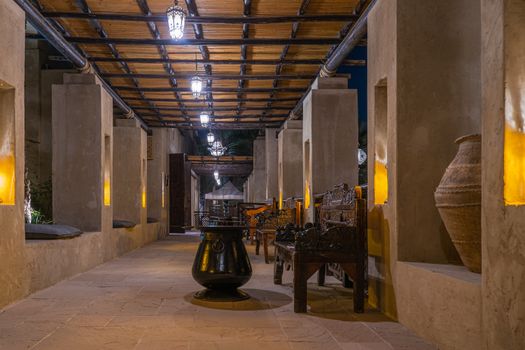
Before I could reach for my passport at the reception, an elder host named Salim approached. He didn't ask for a credit card or a booking confirmation number. He quietly placed a heavy brass tray on the hand-carved teak table before me. On it sat a steaming, beak-spouted dallah overflowing with golden, cardamom-laced Omani coffee (gahwa), a earthenware bowl of moist, amber-hued Khalas dates, and a silver bowl of chilled rosewater infused with fresh lime to wash my hands.
"You have traveled far through the dust," Salim said softly, pouring the liquid into a handleless cup (finjan) until it was exactly one-third full—the ancient sign that I was welcome to stay as long as I pleased. "In our house, you do not check in. You rest first. The work is ours."
In that single, unhurried gesture, every memory I had of waiting in endless lines at bloated Amalfi Coast hotels or paying a 22% mandatory service fee for indifferent European concierge assistance evaporated. Middle Eastern hospitality isn't a corporate training module or a checklist designed to bump up a hotel's Michelin star rating. It is a biological imperative, an ancient survival code forged in unforgiving landscapes where turning away a traveler meant leaving them to die.
This summer, as travelers flee overcrowded, overpriced Western destinations, a quiet revolution is happening. Travelers are realizing that the Middle East doesn't just match global standards of service—it renders them completely obsolete.
---
1. The Sacred Code of Karam: Why Western Hospitality Can't Compete
To understand why Middle Eastern hospitality puts the rest of the world to shame, you have to understand the foundational concept of Karam (generosity) and Dhiyafa (hospitality).
In traditional Arab culture, a guest is considered a gift from God (Dheef A'Allah). According to centuries-old Bedouin custom, a host is obligated to feed, protect, and shelter any stranger who approaches their tent for at least three and a third days before even asking why they have arrived.
While Western service relies on transactional boundaries—where every amenity comes with a dollar sign attached and staff are trained to minimize contact time—Middle Eastern hospitality operates on emotional abundance.
- Anticipatory Care Over Scripted Courtesy: Staff don't ask "Is everything okay?" while walking past your table. They observe your subtle body language. If you look slightly cold on a desert evening, a hand-woven wool cloak (bisht) appears over your shoulders before you can ask.
- The Refusal of "No": In luxury properties across Oman, Saudi Arabia, and Jordan, "no" does not exist in the staff's vocabulary. If an ingredient isn't on the menu, the kitchen sends someone to the local souk to source it for your dinner.
- Zero Hidden Surcharges: The relentless Western trend of "resort fees," water charges, and exorbitant valet costs disappears here. Coffee, seasonal fruits, artisan dates, afternoon teas, and pressing services are routinely offered as basic tokens of welcome.
---
2. Oman’s Mountain Mist & Monsoon Sanctuaries: Salalah & Jabal Akhdar
When heatwaves scorch Southern Europe, clackety air-conditioners struggle across southern Italy and Greece. Oman, however, holds two incredible summer secrets that are currently trending among high-net-worth travelers seeking cool weather without sacrificing deep cultural immersion.
Jabal Akhdar: The Cool Mountain Haven
Perched high in the Hajar Mountains, Jabal Akhdar stays a blissful 15°C (27°F) cooler than the coast. Here, hotels like Anantara Jabal Akhdar and Alila Jabal Akhdar are built directly onto the edges of dramatic canyons.
Hospitality here is woven into the high-altitude mountain culture. Local Omani village guides lead you through 1,000-year-old cliffside terraced gardens feeding off ancient aflaj irrigation channels. When you return from a hike, you aren't handed a generic paper towel; you are greeted with cool, hand-squeezed damask rosewater towels harvested from the mountain terraces below.
- Pro-Tip: Book a room with a private plunge pool facing the Sayq Plateau. Wake up at 6:30 AM to catch the dawn fog rolling out of the canyon. Ask the kitchen for a private Omani breakfast spread (Balaleet sweet cardamom noodles with egg, fresh flatbreads, and wild acacia honey) served on your terrace—it is routinely provided at no extra charge.
Salalah: The Khareef Monsoon Phenomenon
From late June to September, while the rest of the Arabian Peninsula warm winds blow, the southern region of Salalah experiences the Khareef—a seasonal Indian Ocean monsoon that transforms the desert mountains into a lush, emerald-green fog-shrouded paradise.
The service culture in Salalah during the Khareef is intoxicatingly generous. roadside vendors cooking fresh camel meat on river stones (Dhofari Kak) will routinely refuse payment from international visitors, insisting that feeding a traveler enjoying their green mountains is a duty, not a business transaction.
---
3. Wadi Rum, Jordan: Bedouin Kingship Under the Stars
If you think luxury requires marble floors and gold leaf, a night in the red dunes of Wadi Rum will permanently recalibrate your definition of high-end travel.
Deep within the UNESCO-protected desert, luxury camps like Discovery Bedu and Bespoke Hideaways offer solar-powered domes with panoramic views of Mars-like rock monoliths. But the physical setup pales in comparison to the Bedouin hosts running them.
The Art of the Zarb Feast
Dinner in the desert isn't simply cooked; it's an underground ritual. Your host spends six hours preparing the Zarb—a feast of spiced lamb, chicken, root vegetables, and fragrant rice lowered into a deep, brick-lined pit dug into the desert sand, sealed beneath layers of palm leaves and sand.
When the pit is unsealed under the star-dusted sky, the meat slips clean off the bone with the touch of a fork. As you eat around a central fire, your host—usually a local Bedouin whose family has navigated these sands for centuries—plays the one-stringed rebaba, sharing stories of ancient trade routes.
- Pro-Tip: Skip the standard camel tour at mid-day when the sun is harsh. Instead, request a 5:30 AM sunrise trek with a Bedouin guide named Bedir (at Discovery Bedu). He will brew black tea with sweet wild desert sage over an open brush fire right as the desert sand shifts from deep purple to crimson gold.
---
4. Saudi Arabia’s Red Sea Riviera & AlUla: The Ultra-Luxe Frontier
Saudi Arabia’s sudden emergence on the global tourism scene has stunned seasoned luxury travelers—not just because of its multi-billion-dollar architectural marvels, but because the local culture’s commitment to hospitality is perhaps the most intense in the region.
The Red Sea Project: Undiscovered Marine Luxury
Developments on the Red Sea coast—such as The St. Regis Red Sea Resort and Six Senses Southern Dunes—are setting impossible new benchmarks for personal butler service. Upon arrival via private seaplane, guests are assigned a Personal Host whose job isn't just to make reservations, but to curate every micro-moment of your stay.
If you casually mention to your host during breakfast that you enjoy a specific regional spice mix, such as Za'atar, don't be surprised if the head chef presents you with a custom, vacuum-sealed jar of his family’s private blend, hand-packed in a leather gift box, upon your departure.
AlUla: Ancient Civilizations with Modern Royalty Treatment
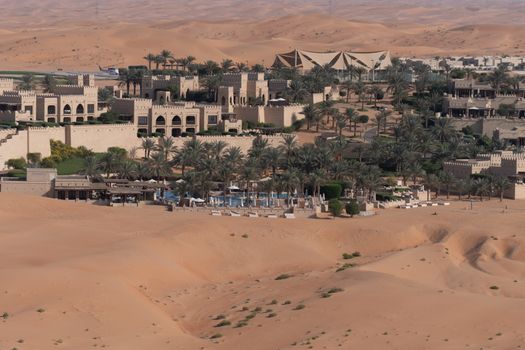
In the ancient oasis of AlUla, surrounded by 2,000-year-old Nabataean tombs carved into sandstone boulders, hospitality feels almost regal. At properties like Habitas AlUla or Banyan Tree, modern wellness meets deep Arabian heritage.
``` +-------------------------------------------------------------------------------+ | THE UNWRITTEN RULES OF ARAB GAHWA | +-------------------------------------------------------------------------------+ | RULE 1: ALWAYS ACCEPT | | Turning down the first cup of Gahwa is considered impolite. Take the cup | | with your RIGHT hand only (using the left hand is a social faux pas). | | | | RULE 2: THE ONE-THIRD FILL | | If your host fills your small cup to the brim, it subtly signals they want you| | to hurry up and leave. A cup filled one-third full means "take your time, | | stay forever." | | | | RULE 3: THE JIGGLE | | When you have had enough coffee (usually after 2-3 small cups), gently jiggle | | or shake the small cup from side to side before handing it back to your host. | +-------------------------------------------------------------------------------+ ```
---
5. Lebanon’s Heritage Guesthouses: Intimate, Unfiltered Warmth
While the Gulf offers high-tech, ultra-luxurious expressions of hospitality, Lebanon offers its raw, soul-stirring counterpart. The trend sweeping Lebanon this summer is the revival of historic 19th-century Ottoman mansions turned into intimate heritage guesthouses (Maisons d'Hôtes) in places like Batroun, Byblos, and the Chouf Mountains.
Living Like Royalty in Batroun
At guesthouses like Beit Trad or Villa Paradisio, there are no front desks, plastic key cards, or corporate dress codes. You are handed an antique brass key by the owner, who treats you like a returning long-lost relative.
Breakfast here is not a cold continental buffet; it’s a three-hour culinary symphony served under arched stone ceilings:
- Warm, pillowy Man'oushe dusted with wild sumac and thyme, pulled straight from a wood-fired Saj oven.
- Parchment-thin slices of raw goat milk cheese (Shengklish) rolled in chili flakes and olive oil.
- Freshly plucked figs from the courtyard tree, served alongside homemade mulberry preserves.
When you ask the staff for directions to a private beach cove, don't be surprised if the owner picks up his phone, calls a friend who owns a private fishing boat, and arranges a sun-drenched coastal boat trip for you—refusing to add a markup to your bill.
---
Practical Guide: Logistics & Destination Breakdown
To help you plan your summer escape, here is a breakdown of logistics, budget expectations, and transit strategies across these trending destinations:
| Destination | Best Travel Window | Estimated Daily Cost ($USD) | How to Get There | Iconic Hospitality Gesture | | :--- | :--- | :--- | :--- | :--- | | Jabal Akhdar, Oman | May – September (Cool 22°C) | $450 – $900 (Luxury) | 2-hour drive from Muscat International Airport (4x4 required by law). | Fragrant rosewater hand rinses & limitless cardamon gahwa. | | Salalah, Oman | July – September (Khareef) | $250 – $600 (Mid-Luxe) | Direct 1.5-hour flight from Muscat or Dubai to Salalah Airport. | Free roadside grilled meats and frankincense gifts. | | Wadi Rum, Jordan | Year-round (Summer nights cold) | $300 – $700 (Glamping) | 4-hour highway drive from Amman or 1-hour drive from Aqaba. | Underground Zarb feasts cooked beneath desert sands. | | AlUla & Red Sea, Saudi Arabia | Year-round (Summer mornings cool) | $800 – $1,800 (Ultra-Luxe) | Direct flights from Dubai/Riyadh to AlUla (ULH) or Red Sea Intl (RSI). | Dedicated 24/7 personal host & bespoke culinary gifts. | | Batroun, Lebanon | June – October | $150 – $350 (Heritage Boutique) | 1-hour scenic coastal drive north from Beirut Rafic Hariri Airport. | Multi-course homemade Lebanese breakfasts cooked by owners. |
---
Essential Etiquette: How to Be a Great Guest in the Middle East
Because Middle Eastern hospitality operates on deep mutual respect, understanding local cultural cues elevates your experience from merely being a tourist to being treated like an honored dignitary.
- The Hand-over-Heart Gesture: When meeting staff, hosts, or locals, placing your right hand gently over your heart along with a slight nod and the greeting "Salam Alaykum" (Peace be upon you) communicates warmth and deep respect.
- Never Refuse Food or Drink Immediately: When offered tea, coffee, or dates upon entering a hotel lobby, home, or shop, accept it with your right hand. Refusing immediately breaks the flow of Karam.
- Praise Miracles Carefully: Bedouin lore holds that if you lavishly admire a specific personal item in a host's home (such as a rug or an antique dagger), the host may feel culturally obligated to gift it to you on the spot. Praise the overall space, atmosphere, and food instead!
---
The Verdict: Why You Will Never Look at Western Luxury the Same Way Again
After experiencing a summer in the Middle East, traveling back to traditional Western luxury destinations feels like a downgrade. You begin to notice the subtle transactions everywhere—the eye-rolls from overworked waitstaff, the $12 bottles of room-service water, the cold, distant efficiency masquerading as sophistication.
Middle Eastern hospitality reminds us of what luxury travel was always supposed to be about: human connection, uncalculating generosity, and the feeling that, no matter how far you have traveled across the world, you have stepped into a home where someone is genuinely relieved and overjoyed that you have arrived.
Put away the crowds of Southern Europe this summer. Head east, accept the cup of cardamom coffee, and let a culture that has perfected the art of welcoming strangers show you how travel was always meant to feel.
---