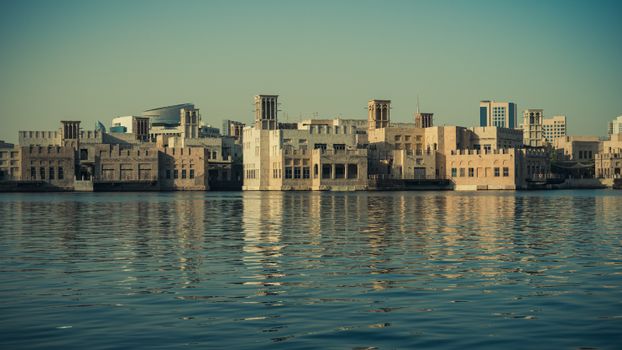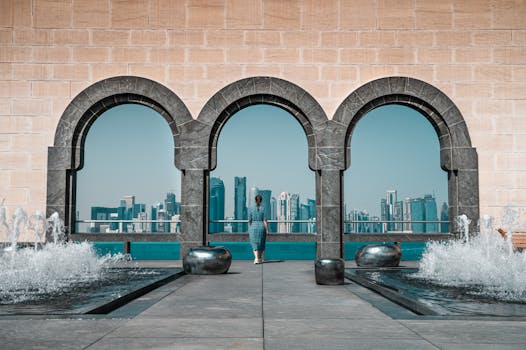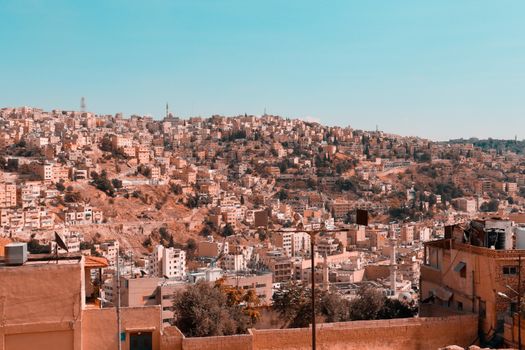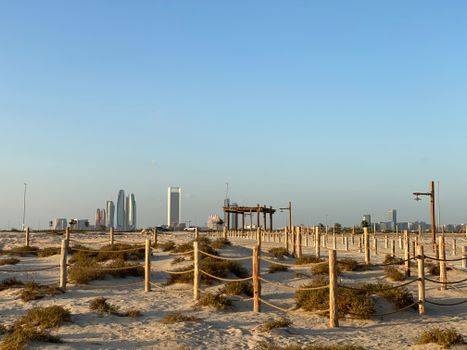
The Hook: A Symphony of Steel and Spice
I stepped off the train in Doha, and the air hit me – a complex perfume of cardamom-spiced coffee mingling with the crisp, almost sterile scent of air-conditioned luxury. It wasn't the desert winds I'd half-expected; it was the invigorating hum of a city that felt like it had fast-forwarded into the future. Gleaming towers, impossibly sleek, pierced the sapphire sky, their reflective surfaces mirroring the vibrant energy swirling at their bases. This wasn't the Middle East of postcards; this was a dynamic, pulsating hub of modernity that instantly challenged every preconceived notion I’d carried. The sheer audacity of the architecture, the seamless integration of technology, and the palpable sense of progress were intoxicating. I knew, in that moment, I was on the cusp of discovering a side of the Middle East that few truly grasp.
Beyond the Bazaar: Cities That Dream in Steel and Glass
The Middle East is no longer just about ancient ruins and bustling souks, though those treasures remain. Today, it's a canvas for ambitious urban planning and visionary architecture. Cities like Dubai, Abu Dhabi, and Doha are not just building; they are sculpting the future.
Dubai: The City of Dreams, Redefined
Dubai often tops the list, and for good reason. It’s a city that rose from the desert sands with a singular purpose: to be extraordinary.
- The Skyline Symphony: From the Burj Khalifa, the world’s tallest building, to the sail-shaped Burj Al Arab, Dubai’s skyline is a testament to human ambition. It’s a breathtaking spectacle, especially at sunset when the lights begin to twinkle like fallen stars.
- Innovation Hubs: Beyond the iconic landmarks, Dubai is a hotbed for innovation. The Museum of the Future, a marvel of architectural engineering, isn't just a building; it’s an immersive experience exploring what’s next. Its exterior, adorned with Arabic calligraphy, tells a story of vision and aspiration.
- Retail Therapy, Elevated: The Dubai Mall isn't just a shopping center; it's an entertainment district. Think an indoor theme park, a colossal aquarium, and an ice rink, all under one roof.
Pro-Tip: Visit the Dubai Miracle Garden (seasonal, typically November to May) for an explosion of floral artistry that is surprisingly modern and Instagram-worthy.
Abu Dhabi: Culture Meets Cutting-Edge
Abu Dhabi, the UAE’s capital, offers a sophisticated blend of tradition and forward-thinking development. It’s calmer than Dubai but equally impressive.
- The Louvre Abu Dhabi: This architectural masterpiece, designed by Jean Nouvel, is a "museum city" floating in the sea. Its dome, a latticework of geometric patterns, creates a mesmerizing "rain of light" effect inside. It’s a profound statement on cultural exchange.
- Yas Island's Thrills: For adrenaline junkies, Yas Island is a modern wonderland. Home to Ferrari World, Yas Waterworld, and Warner Bros. World Abu Dhabi, it offers world-class entertainment.
- Architectural Marvels: The Sheikh Zayed Grand Mosque is a breathtaking example of contemporary Islamic architecture, a serene and awe-inspiring space that showcases exquisite craftsmanship.
Pro-Tip: For a unique perspective, take a traditional abra boat ride across the Creek in Abu Dhabi – a peaceful contrast to the soaring skyscrapers.
Doha: A Glimpse into Tomorrow
Doha, Qatar’s capital, is rapidly emerging as a global destination for its striking architecture and cultural institutions.
- Museum of Islamic Art: I.M. Pei's iconic building, perched on its own island, is a stunning example of modern design inspired by traditional Islamic architecture. The geometric patterns and the way it interacts with the sea are simply masterful.
- The Corniche Promenade: This sweeping waterfront promenade is where the city's modern pulse is most evident. Joggers, families, and business people mingle against a backdrop of futuristic skyscrapers and traditional dhow boats.
- Education City: This sprawling campus is a testament to Qatar's investment in knowledge and innovation, housing campuses of renowned international universities and research centers.
Pro-Tip: Explore the Souq Waqif at dusk. While traditional, the adjacent modern hotels and the vibrant atmosphere of the souq at night offer a fascinating juxtaposition.
The Art of Innovation: Galleries and Experiences
The Middle East's modernity isn't confined to its skylines; it's vibrantly alive in its contemporary art scene. Galleries are popping up, showcasing local and international talent with a distinctly modern edge.
Galleries That Tell a Story
From the Alserkal Avenue in Dubai, a vibrant arts district housed in former industrial warehouses, to the Mathaf: Arab Museum of Modern Art in Doha, the region is fostering a new generation of artists.
- Alserkal Avenue, Dubai: This is where the creative pulse of Dubai beats strongest. Wander through industrial-chic galleries, discover street art, and soak in the avant-garde atmosphere. I found a small studio showcasing intricate, laser-cut metalwork that felt both ancient and futuristic.
- Mathaf: Arab Museum of Modern Art, Doha: A treasure trove of modern and contemporary Arab art, Mathaf provides crucial context for understanding the region's evolving identity. The curation is thoughtful, highlighting artists who are challenging traditional narratives.
- Sharjah Art Foundation (SAF), Sharjah: Known for its influential exhibitions and public art programs, SAF is a major player in the global art scene, championing experimental and groundbreaking work.
Pro-Tip: Check the event schedules for Alserkal Avenue. They often host pop-up exhibitions, film screenings, and workshops that offer deeper insights.
Experiencing Innovation Firsthand
The spirit of innovation extends to everyday experiences, from advanced transportation systems to cutting-edge culinary scenes.
- The Dubai Metro: A marvel of engineering, the driverless Dubai Metro is a clean, efficient, and surprisingly scenic way to navigate the city. The elevated tracks offer fantastic city views.
- Culinary Frontiers: The Middle East’s culinary scene is exploding with innovation. Beyond traditional flavors, you’ll find molecular gastronomy, fusion restaurants that brilliantly marry local ingredients with international techniques, and rooftop dining with unparalleled cityscapes.
Pro-Tip: Seek out the "hidden" eateries in areas like Al Karama in Dubai or parts of Doha's Old Airport area for surprisingly modern and delicious food truck experiences.
Sustainability and Smart Cities: Building a Greener Future
Contrary to some perceptions, many Middle Eastern nations are at the forefront of developing sustainable and smart cities. The focus is on green technology, efficient resource management, and enhancing the quality of life for residents.
Masdar City, Abu Dhabi: A Glimpse of Tomorrow
Masdar City is a planned urban development focused on renewable energy and sustainable living. It’s an experimental city that’s pushing the boundaries of eco-friendly urban design.
- Solar Power Dominance: The city is powered predominantly by renewable energy, with vast solar panel arrays visible throughout.
- Innovative Transportation: Personal rapid transit (PRT) pods and electric vehicles are the norm, minimizing carbon emissions.
- Passive Cooling Techniques: Buildings are designed to maximize natural shade and ventilation, reducing the need for artificial cooling.
Pro-Tip: Take the free guided tour of Masdar City to understand its ambitious vision and see its innovative technologies in action.
Smart City Initiatives Across the Region
Other cities are rapidly integrating smart technology to improve urban living:
- Dubai's Smart City Strategy: Focuses on everything from smart transportation and smart governance to smart living and a smart economy.
- Doha's Urban Planning: Incorporates intelligent traffic management systems, smart waste disposal, and integrated public services.
Pro-Tip: Look for public art installations that incorporate interactive technology or solar power – they are becoming increasingly common.
The Human Element: Warmth and Welcoming
Amidst the gleaming towers and technological marvels, the true heart of Middle Eastern modernity lies in its people. The renowned hospitality of the region is not lost; it’s simply amplified by a forward-looking perspective.
More Than Just Service
I’ve found that the warmth I experienced in traditional souks is just as present in the sleek lobbies of 5-star hotels or the bustling innovation hubs. There’s a genuine pride in their nation’s progress and a sincere desire to share it with visitors.
- Conversations with Locals: Don't hesitate to strike up conversations. Whether it's a taxi driver sharing his insights on the city's development or a shopkeeper explaining the history behind a modern handicraft, you'll gain invaluable perspectives.
- Cultural Nuances, Modern Context: While embracing modernity, the deep-rooted cultural values of respect, family, and community remain central. Understanding this blend is key to appreciating the region's unique trajectory.
Pro-Tip: Learn a few basic Arabic phrases. A simple "Shukran" (Thank you) or "Salam Alaikum" (Peace be upon you) goes a long way and is always appreciated.
Quick Facts: Planning Your Modern Middle Eastern Adventure
| Category | Details | Estimated Cost ($) | Best Time to Visit | How to Get There | | :------------------ | :----------------------------------------------------------------------------------------------------------------------------------------------------------------- | :----------------- | :------------------------------------------------------------------------------ | :----------------------------------------------------------------------------------------------------------------------------------------------------------------------------------------------------------------------------------------------------------------------------------------------------- | | Destinations | Dubai (UAE), Abu Dhabi (UAE), Doha (Qatar), Sharjah (UAE), Riyadh (KSA) - focusing on modern attractions. | $150 - $500+ per day (varies greatly by city and accommodation) | October to April: Pleasant weather, ideal for outdoor exploration. Avoid peak summer months (June-August) due to extreme heat. | Major international airports connect these cities globally. Direct flights are common from Europe, Asia, Africa, and North America. | | Accommodation | Luxury hotels, boutique hotels, serviced apartments, budget-friendly options are increasingly available. | $80 - $1000+ per night | N/A | N/A | | Transportation | Efficient public transport (metro, buses), ride-sharing apps, taxis, car rentals. | $10 - $50 per day | N/A | N/A | | Food | Wide range from local street food to Michelin-starred restaurants. Fusion cuisine is prevalent. | $30 - $150+ per day | N/A | N/A | | Attractions | Modern museums, architectural landmarks, theme parks, art galleries, shopping malls, cultural districts. | $50 - $200+ per day (depending on activities) | N/A | N/A | | Visa Requirements | Varies by nationality. Many nationalities can enter visa-free or obtain visas on arrival. Check official government websites for your specific country. | N/A | N/A | N/A | | Currency | UAE Dirham (AED), Qatari Riyal (QAR). USD is widely accepted in many tourist areas. | N/A | N/A | N/A |
The Verdict: A Future Worth Experiencing
My journey through the modern Middle East was an eye-opener. It’s a region that’s not just keeping pace with the world; it’s actively shaping its future. The audacious architecture, the commitment to innovation, the thriving art scene, and the underlying warmth of its people create a travel experience that is profoundly surprising and endlessly rewarding. If you’re looking for a destination that will challenge your perceptions and leave you in awe, then the modernity of the Middle East is absolutely worth considering. Pack your bags, and prepare to be amazed.