The Great Wall of China is one of the most visited historic sites in the world, and its most popular sections can be busy, especially on weekends and public holidays. Visitors looking for quieter surroundings often turn to less-visited stretches, some of which are unrestored, steep or remote. These sections offer a very different experience from the restored areas near major cities, but they also require more preparation. This guide explains the types of less-visited sections, how travelers typically reach them and what to consider before setting out.
Restored sections and their trade-offs
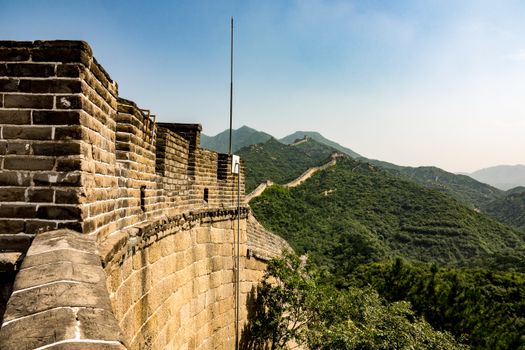
Many of the most accessible sections have been restored, with stone steps, handrails, watchtowers and visitor facilities. These areas are well suited to families, first-time visitors and anyone with limited hiking experience. They can also be crowded, and cable cars, shuttle buses and ticket queues may add time to a visit. Quieter sections often lie some distance from these hubs and may have fewer facilities. Choosing a less-visited section is therefore a trade-off between solitude and convenience.
Unrestored and wild sections
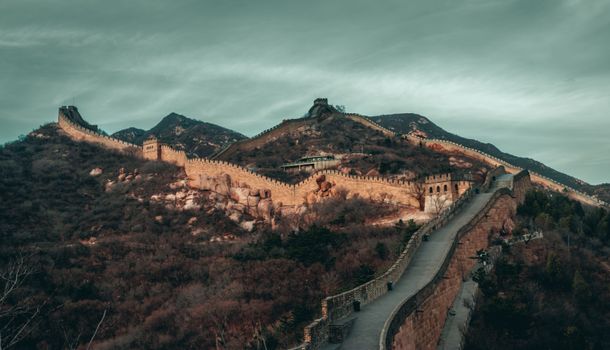
Some sections, such as those near Jiankou, are noted for their steep, partly collapsed structures and dramatic ridge-line views. These areas are generally unrestored, and the terrain can be uneven, narrow and exposed. Hikers should expect scrambling in places and should not assume that every part of the wall is safe to walk. Certain stretches are restricted or closed for safety or conservation reasons, and rules can change, so check current guidance before heading out.
Less-visited restored sections
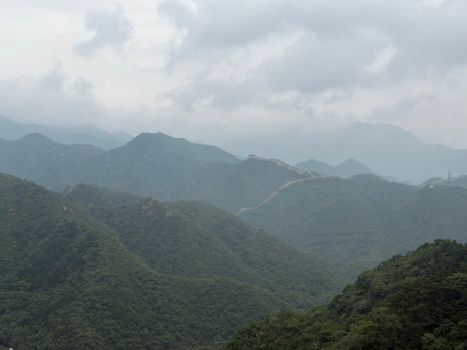
Other options include sections such as Gubeikou and Huangyaguan, which may see fewer visitors than the most famous restored areas, depending on the time of year and day of the week. These sections often combine historic architecture with more natural surroundings. Visitor facilities may be more limited, so bring water, snacks and any medication you might need. Check transport options in advance, since local buses and taxis may not run frequently.
Getting there and arranging transport
Many travelers reach the less-visited sections by hiring a driver, joining a guided tour or taking public transport to a nearby town and continuing by taxi. Transport options and departure points change, so confirm arrangements with a reputable local operator or your accommodation. Agree on a pick-up time and a plan for returning, especially if you are heading to a remote area with limited mobile coverage. Some routes require a permit or a guided arrangement, and it is sensible to check these requirements before arriving.
Safety, fitness and weather
Less-visited sections can involve long walks, steep steps and loose stones. Wear sturdy footwear with good grip, dress in layers and carry enough water for the full route. Start early in the day to avoid heat in summer and cold winds in spring and autumn. Stay on marked routes, avoid climbing on fragile masonry and never walk alone on remote stretches if you can avoid it. Tell someone your plan, and keep your phone charged with an offline map downloaded in advance.
Respecting the site
The Great Wall is a protected heritage site, and visitors are asked to respect its fabric. Do not remove stones, graffiti walls or climb barriers. Keep litter out of the landscape and follow the instructions of local staff. Many less-visited sections are close to villages, so be considerate of residents, avoid intrusive photography and support local businesses where appropriate.
Practical tips
- Check current access rules and whether any section is closed or restricted before travelling.
- Confirm the transport plan, including the return journey, before setting out.
- Carry water, snacks, a hat, sun protection and a light jacket for changing weather.
- Choose a section that matches your fitness, and be honest about the terrain and steps involved.
- Download offline maps and let someone know your route and expected return time.
Common mistakes to avoid
A frequent mistake is treating one unrestored section as representative of the entire wall. Conditions can vary greatly from one stretch to the next, and a route that suits one visitor may be unsuitable for another. Many people also underestimate how long walks take, especially when sections involve steep climbs, loose surfaces or frequent stops for photographs. Another error is assuming that services such as shops, toilets or shelter will be available along the route. Some travelers arrive late in the day and find that transport back has finished or that the light is fading early, particularly in winter. Finally, it is easy to choose a section because of striking pictures alone, without considering the fitness and experience needed to reach it safely. Reading route descriptions from reliable sources and planning a realistic timetable help avoid most of these problems.
How to decide: a simple checklist
Consider whether you can answer yes to these questions:
- Do I know the route and how I will get back?
- Will I have enough daylight for the full walk, with time to spare?
- Is my fitness suited to steps and uneven ground?
- Have I checked current access rules and any permit requirement?
- Can I carry enough water and keep my phone charged?
If not, a restored section or a guided day trip may be more suitable for your visit.
Who this suits and who it doesn't
Less-visited sections can suit experienced walkers who are comfortable with uneven ground, enjoy quiet surroundings and are happy to plan their own logistics. Travelers who value photography, historical atmosphere and a slower pace may also find them rewarding, particularly outside peak hours. They are generally less suitable for those with limited mobility, young children who cannot manage steps, or people who prefer full facilities and easy transport. Visitors with medical conditions should seek advice before attempting steep or remote routes. A restored section may be a better choice for a first visit or a short outing.
Less-visited sections of the Great Wall can offer a quieter and more atmospheric experience than the most popular restored areas, but they demand more planning and physical readiness. By checking access rules, arranging reliable transport, preparing for rugged conditions and respecting the heritage site, travelers can enjoy a memorable walk along one of the world's most famous structures.