The Great Wall Sections Tourists Never Visit (And Why You Should Go)
I stepped off the rickety bus, the air thick with the scent of damp earth and something faintly floral, like wild honeysuckle. The usual cacophony of tourist chatter was replaced by the rustle of leaves and the distant, almost ethereal cry of a hawk. This wasn't the bustling, postcard-perfect Great Wall I'd seen splashed across every travel brochure. This was… something else. This was the Great Wall whispered about in hushed tones by serious hikers and history buffs, the sections left to the elements and the occasional local shepherd. And in that moment, breathing in the quiet solitude, I knew I’d stumbled upon something truly special.
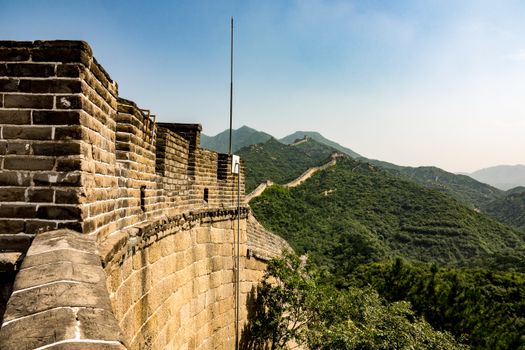
For too long, the narrative of the Great Wall has been dominated by a few heavily restored, undeniably impressive, but often overwhelmingly crowded sections. While places like Badaling and Mutianyu offer a glimpse, they’re just the tip of a colossal, dragon-like iceberg. The true magic, the raw, untamed spirit of this ancient behemoth, lies in the sections most tourists simply never visit. These are the places where history feels palpable, where you can walk in the footsteps of soldiers and feel the weight of centuries without battling for elbow room.
1. Jiankou: The "Wild" and Weathered Sentinel
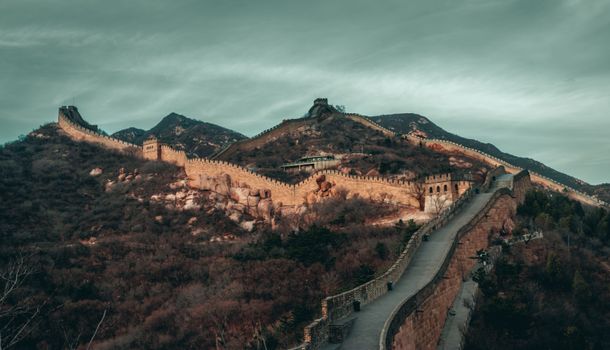
This is the Great Wall section that often comes up when you ask seasoned China travelers about their "secret spots." Jiankou (箭扣), translating to "Arrow Nock," is named for its rugged terrain that resembles an arrow about to be fired. It’s a photographer's dream and a hiker's challenge, known for its dramatic, crumbling watchtowers and precarious inclines.
Why it's Undiscovered: Jiankou is largely unrestored. This means steep climbs, uneven surfaces, and a genuine sense of adventure. It’s not for the faint of heart or those seeking paved walkways and souvenir shops. The journey to reach it also requires more effort, often involving local transport and a good hike just to get to the wall itself.
The Experience: Imagine scrambling over weathered bricks, the wind whipping around you as you survey panoramic views of jagged peaks stretching as far as the eye can see. The sheer scale of the natural landscape here is astounding, with the Wall weaving through it like a mythical serpent. You'll find yourself alone with the history, the silence broken only by the wind and your own breath. The feeling of accomplishment after conquering its steep sections is immense.
Pro-Tips:
- Best Time to Visit: Spring (April-May) and Autumn (September-October) offer pleasant temperatures and stunning foliage. Winter can be beautiful but extremely cold and slippery.
- The "Hike": This isn't a casual stroll. Wear sturdy hiking boots, bring plenty of water, and pack layers. It’s a strenuous hike, so be prepared.
- Guided Hikes are Key: Due to its wild nature, hiring a local guide is highly recommended for safety and to navigate the best routes. Many tours depart from Beijing.
2. Huanghuacheng: The "Water Great Wall" Oasis
Often dubbed the "Water Great Wall," Huanghuacheng (黄花城) offers a unique spectacle: sections of the Wall plunging directly into a serene reservoir. It's a breathtaking juxtaposition of ancient stone and tranquil water, a sight few international tourists ever witness.
Why it's Undiscovered: While it’s gaining a little more traction, it’s still far less known than its more famous counterparts. Its location, a bit further from central Beijing and requiring a specific bus route or private car, deters casual visitors.
The Experience: Picture this: you’re walking along a rampart, and suddenly, the Wall disappears into the shimmering blue water of the lake below. You can even take a boat ride that circles parts of the submerged Wall, offering a completely different perspective. The blend of rugged fortifications against the backdrop of lush green mountains and the expansive lake creates a truly picturesque and serene environment. It feels like a hidden paradise.
Pro-Tips:
- The "Hidden" Entrance: Ask locals for the less obvious entry points. Sometimes a small, unassuming path leads to a quieter section of the Wall.
- Boat Tours: Don't miss the opportunity to see the submerged sections from the water. It’s a unique and unforgettable experience.
- Local Flavors: Enjoy a meal at a local restaurant nearby. They often serve fresh, lake-caught fish seasoned with local herbs – a delicious taste of authentic Chinese countryside cuisine.
3. Simatai: The "Nighttime" Wonder
Simatai (司马台) is renowned for its dramatic, steep terrain and its status as the only section of the Great Wall opened for night tours. This offers an entirely different, almost mystical, perspective on this ancient wonder.
Why it's Undiscovered: While it’s a designated tourist attraction, its remote location and the fact that many tours focus on daytime visits mean it remains significantly less crowded than the most popular sections. The allure of the night tour is also a niche appeal.
The Experience: Imagine the Wall illuminated under a canopy of stars, the silence amplifying the immense scale of your surroundings. The watchtowers, some with unique architectural styles, stand silhouetted against the night sky. It's an incredibly romantic and awe-inspiring experience, a far cry from the daytime bustle. Even during the day, its steepness and original architecture are breathtaking.
Pro-Tips:
- Night Tours: Book these well in advance! They are a truly unique experience, offering a different ambiance and fewer people.
- The Cable Car: For those less inclined to strenuous climbs, the cable car offers spectacular views on the ascent, allowing you to explore the upper sections with ease.
- Gubei Water Town: This charming, traditional water town at the base of Simatai offers a perfect place to stay and explore, adding a cultural layer to your Great Wall visit.
4. Gubeikou: The "Unspoiled" Frontier
Gubeikou (古北口), meaning "Ancient North Pass," holds immense historical significance as a crucial defense point against northern invaders. Unlike its more manicured counterparts, Gubeikou remains largely unrestored, offering a raw and authentic glimpse into the Wall's past.
Why it's Undiscovered: Its historical importance is overshadowed by the more accessible sections. It's also located quite a distance from Beijing, requiring a dedicated trip. The lack of restoration means it's not as visually "polished" for the average tourist.
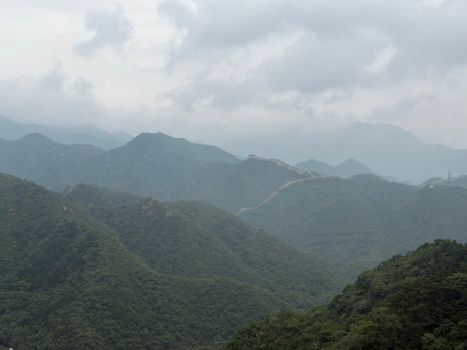
The Experience: Walking along Gubeikou feels like stepping back in time. You'll find crumbling watchtowers, sections where the Wall has been reclaimed by nature, and an overwhelming sense of solitude. The landscape is rugged and expansive, with rolling hills and vast skies. You can almost hear the echoes of ancient battles. It’s a place for deep reflection and a profound connection to history.
Pro-Tips:
- Combine with Panjiayuan: If you're a history buff, consider combining a visit to Gubeikou with the Panjiayuan Antique Market in Beijing to immerse yourself in Chinese history and artifacts.
- Local Homestays: Staying in a local village near Gubeikou can offer an incredibly authentic cultural experience and a chance to interact with residents.
- Respect the Ruins: This section is a historical site. Tread lightly, respect the crumbling structures, and leave no trace.
5. Mutianyu vs. Jinshanling: The "Underrated" Choice
While Mutianyu is popular, Jinshanling (金山岭) offers a more rugged and less crowded experience, often considered a more authentic alternative by serious hikers. It’s a perfect middle ground for those seeking a balance between accessibility and authenticity.
Why it's Undiscovered: Jinshanling is further from Beijing than Mutianyu, and while it has some restoration and facilities, it retains a more wild and less commercialized feel. Many tourists opt for the easier access and more polished look of Mutianyu.
The Experience: Jinshanling boasts a stunning combination of original and restored sections, offering varied hiking experiences. You’ll find intricate watchtowers and steep, challenging climbs that reward you with breathtaking, unobstructed views. The sheer number of watchtowers (over 150) is remarkable, each with its own unique design. The feeling of being on a less trodden path here is palpable.
Pro-Tips:
- The "West" vs. "East" Sections: The western section is more restored and accessible, while the eastern section is wilder and more challenging, offering incredible photographic opportunities.
- Sunrise/Sunset: Jinshanling is renowned for its spectacular sunrises and sunsets. Consider an overnight stay to capture these magical moments.
- The "Original" Feel: While parts are restored, Jinshanling retains a more authentic, less "theme park" feel than some other sections, allowing for a deeper appreciation of its history.
The "Real" Great Wall: Budget & Logistics
| Feature | Jiankou | Huanghuacheng | Simatai | Gubeikou | Jinshanling | | :---------------- | :----------------------- | :------------------------ | :-------------------------- | :--------------------------- | :---------------------------- | | Estimated Cost ($) | $$$ (Guide, Transport) | $$ (Transport, Entry) | $$$ (Entry, Cable Car/Tour) | $$ (Transport, Entry) | $$$ (Entry, Transport, Guide) | | Best Time to Visit | Spring, Autumn | Spring, Summer, Autumn | Spring, Autumn, Night Tours | Spring, Autumn | Spring, Autumn, Sunrise/Sunset | | How to Get There | Private driver/tour | Bus from Dongzhimen, Private driver | Bus from Dongzhimen, Private driver | Bus from Dongzhimen, Private driver | Bus from Dongzhimen, Private driver | | Crowd Level | Very Low | Low | Moderate (low at night) | Very Low | Low-Moderate | | Restoration Level | Unrestored | Partially restored | Partially restored | Unrestored | Partially restored |
Insider Lingo: When talking about these sections, you’ll often hear terms like "wild wall" (野长城 - yě chángchéng) for unrestored areas, or discussions about the "watchtower density" (敌楼密度 - dílóu mìdù) which indicates strategic importance and architectural variety. Locals might refer to specific, less-known access points as "secret paths" (秘密小路 - mìmì xiǎolù).
The Final Word: The Great Wall is not just a single monument; it’s a sprawling, ancient network that whispers tales of emperors, soldiers, and the relentless march of time. By venturing beyond the well-trodden paths, you’re not just avoiding crowds; you're unearthing a deeper, more profound connection to one of the world's most incredible wonders. So, pack your bags, embrace the adventure, and discover the Great Wall sections tourists never visit right now. You won't regret it.