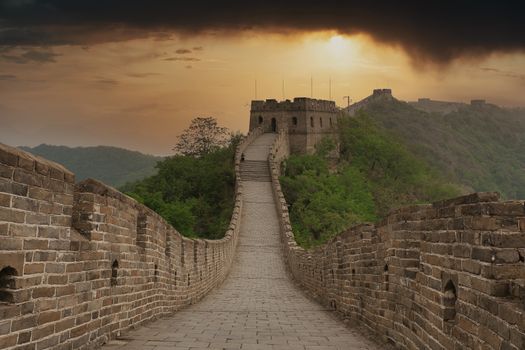
The air hung thick with the scent of pine and damp earth, a stark contrast to the exhaust fumes I’d grown accustomed to in Beijing. As I stepped off the rattling local bus, the distant, almost primal cry of a hawk echoed, a sound that seemed to have traveled through centuries. Before me, not the manicured stone steps of Mutianyu, but a wild, untamed ribbon of crumbling brick and moss-covered ramparts snaking across a jagged mountain ridge. This was it. The Great Wall, as it was meant to be seen – raw, magnificent, and utterly mine for the moment.
For too long, the iconic images of the Great Wall have been synonymous with overwhelming crowds. We’ve all seen the photos, the endless streams of people. But what if I told you there are sections of this colossal wonder that remain largely untouched, offering an intimacy with history that most tourists only dream of? As a travel journalist and someone who lives to uncover the 'under-the-radar' gems, I’ve tapped into a network of seasoned travel advisors who know China’s ancient secrets. Forget the usual suspects; it’s time to explore the Great Wall sections tourists never visit.
The Allure of the Untamed: Why Seek the Lesser-Known?
The popular sections of the Great Wall – Mutianyu, Badaling – are undeniably impressive. They’ve been meticulously restored, offering easy access and stunning vistas. But for the true adventurer, the history buff, the soul seeker, these can feel a little... sanitized. The real magic lies in the wild sections, where nature has begun to reclaim the ancient stones, where the silence is broken only by the wind, and where you can almost hear the echoes of the soldiers who once patrolled these formidable defenses.
Travel advisors I’ve spoken with consistently highlight the profound difference in experience. "It's like comparing a perfectly curated museum exhibit to stumbling upon an ancient ruin in the jungle," one seasoned advisor, Anya, told me. "The restored sections are important for preservation and accessibility, but the wild sections offer a visceral connection to the past. You feel the history under your boots, the wind whispering stories."
The Sensory Experience: Beyond the Postcard View
Imagine this: the rough, uneven texture of ancient bricks beneath your fingertips, worn smooth by centuries of wind and rain. The earthy smell of wild herbs clinging to the crumbling parapets. The sheer, exhilarating silence, punctuated only by the rustling of unseen wildlife. This is the sensory feast of the wild Great Wall. It's not just about the view; it's about the feeling. It's about standing on a precipice, imagining the watchmen scanning the horizon, their breath misting in the cold mountain air, their lives tied to the fate of an empire.
Secret Great Wall Sections Travel Advisors Suggest
These aren't just any old ruins; these are significant historical arteries of the Great Wall, offering unique perspectives and challenging, rewarding hikes.
1. Jiankou: The Wild Child of the Wall
The Hook: My first glimpse of Jiankou was through a swirling mist. It looked like a dragon's spine, impossibly jagged and defiant against the bruised sky. The sheer scale of its wildness, the way it clung precariously to sheer cliffs, was breathtaking.
The Meat: Jiankou is often described as the "most wild and beautiful" section. It’s unrestored, meaning you’ll encounter crumbling watchtowers, steep ascents, and precarious pathways. This is not for the faint of heart, but the rewards are immense. The "Heavenly Ladder" is a notoriously steep section, a near-vertical climb that offers unparalleled panoramic views once conquered. The "Eagle's Nest" watchtower provides a dramatic perch for sunrise or sunset.
Pro-Tips:
- Best Time to Visit: Spring (April-May) for wildflowers, Autumn (September-October) for crisp air and vibrant foliage. Avoid rainy seasons.
- What to Wear: Sturdy hiking boots are non-negotiable. Bring layers, as mountain weather can change rapidly. Pack plenty of water and snacks.
- Insider Access: Many local guides can lead you to less-trodden paths within Jiankou, adding to the sense of discovery.
Quick Facts: Jiankou Great Wall | Aspect | Details | | :------------ | :------------------------------------------ | | Estimated Cost ($) | $50 - $150 (including guide, transport) | | Best Time to Visit | April-May, September-October | | How to Get There | Hire a private driver from Beijing (approx. 3-4 hours). Local buses are possible but complex. | | Difficulty | Strenuous | | Restoration Level | Unrestored |
2. Huanghuacheng: The Lakeside Fortress
The Hook: The shimmer of the lake, reflecting the ancient stones that seemed to rise directly from its surface, was unlike anything I'd ever witnessed. It felt like stepping into a mythical landscape, where history and nature danced in perfect harmony.
The Meat: Huanghuacheng offers a unique spectacle: a section of the Great Wall that dips into and emerges from a reservoir. This creates a stunning visual where the water laps at the base of the ancient fortifications. While parts are restored for accessibility, significant portions remain wild, with watchtowers overlooking the serene lake. You can even take a boat ride to get a different perspective of the wall's integration with the water.
Pro-Tips:
- Unique Experience: Rent a rowboat to paddle near the submerged sections of the wall.
- Photography: The reflections in the water offer incredible photographic opportunities, especially during the golden hour.
- Local Flavors: Sample local freshwater fish dishes at the restaurants near the lake.
Quick Facts: Huanghuacheng Great Wall | Aspect | Details | | :------------ | :------------------------------------------ | | Estimated Cost ($) | $40 - $100 (including transport, boat hire) | | Best Time to Visit | May-June, September-October | | How to Get There | Private driver from Beijing (approx. 2-2.5 hours). Some public transport options exist but are time-consuming. | | Difficulty | Moderate | | Restoration Level | Partially restored, with significant wild sections |
3. Simatai: The Majestic and the Mysterious
The Hook: As I ascended Simatai, the wind whipped around me, carrying the faint scent of wild thyme. The sheer drop-offs and the intricately designed watchtowers, some with unique architectural styles, spoke of a strategic genius that sent shivers down my spine.
The Meat: Simatai is renowned for its dramatic scenery and the unique architectural styles of its watchtowers, some of which are remarkably well-preserved. It’s known for its steepness and challenging climbs, particularly the "Sky Stair." What sets Simatai apart is its slightly more controlled wildness, offering a balance between adventure and accessibility. It was also one of the first sections to allow night tours, offering a truly ethereal experience.
Pro-Tips:
- Night Tour: If available, book a night tour for a completely different, magical perspective. The illuminated wall against the starry sky is unforgettable.
- Cable Car Option: For those seeking less strenuous access to higher points, a cable car is available, but don't miss the hike!
- Local Legends: Ask your guide about the legends associated with Simatai's unique towers, like the "Facing-the-Heaven" tower.
Quick Facts: Simatai Great Wall | Aspect | Details | | :------------ | :------------------------------------------ | | Estimated Cost ($) | $60 - $180 (including transport, cable car if used) | | Best Time to Visit | April-May, September-October | | How to Get There | Private driver from Beijing (approx. 2.5-3 hours). | | Difficulty | Moderate to Strenuous | | Restoration Level | Partially restored, with significant challenging sections |
4. Gubeikou: The Unbroken Frontier
The Hook: Standing on the ramparts of Gubeikou, I felt a profound sense of history. This section, largely unrestored and stretching for miles, felt like the true frontier, a silent testament to centuries of defense and vigilance.
The Meat: Gubeikou is one of the longest, most intact, and least restored sections of the Great Wall. It stretches for over 40 kilometers, forming a natural barrier. Its historical significance is immense, having witnessed many crucial battles. Because it's so extensive and less developed, it offers a genuine sense of exploration. You can hike for hours and encounter very few people. The "General's Tower" is a key landmark offering sweeping views.
Pro-Tips:
- Long-Distance Hike: Plan for an extended hike here. It's ideal for those who want to immerse themselves in the wall for a full day.
- Local Guides: Essential for navigating the vastness and understanding the historical context.
- Respect the History: This section is a powerful reminder of China's defensive past. Approach with reverence.
Quick Facts: Gubeikou Great Wall | Aspect | Details | | :------------ | :------------------------------------------ | | Estimated Cost ($) | $70 - $200 (including guide, transport) | | Best Time to Visit | April-May, September-October | | How to Get There | Private driver from Beijing (approx. 2.5-3 hours). | | Difficulty | Moderate to Strenuous (depending on distance hiked) | | Restoration Level | Largely unrestored |
5. Jinshanling: The Photographer's Dream
The Hook: The golden light of dawn painted the watchtowers of Jinshanling in hues of amber and rose. The sheer number of watchtowers, each with its unique character, dotted along the undulating ridge, was a sight that made my camera work overtime.
The Meat: Jinshanling is celebrated for its stunning scenery, featuring a high density of watchtowers (over 140 in a 10.5 km stretch). It's a popular choice for photographers due to its dramatic landscapes and well-preserved sections that still retain a wild charm. While it’s more accessible than Jiankou, it offers challenging hikes and fewer crowds than Badaling. The "Sky Bridge" offers a thrilling, narrow ridge walk.
Pro-Tips:
- Sunrise/Sunset: Aim for these times for the most spectacular light and fewer visitors.
- Photography Focus: Bring your best lenses; the intricate details and vast panoramas are a photographer's paradise.
- Vary Your Route: Explore both the restored and less restored sections to experience the full spectrum of Jinshanling.
Quick Facts: Jinshanling Great Wall | Aspect | Details | | :------------ | :------------------------------------------ | | Estimated Cost ($) | $50 - $120 (including transport) | | Best Time to Visit | April-May, September-October | | How to Get There | Private driver from Beijing (approx. 2-2.5 hours). | | Difficulty | Moderate to Strenuous | | Restoration Level | Partially restored, with many original features |
The Budget & Logistics: Making Your Secret Wall Trip Happen
Navigating these less-visited sections requires a bit more planning than simply hopping on a tour bus. Here’s what you need to consider:
- Transportation: The most reliable way to reach these remote sections is by hiring a private driver from Beijing. This offers flexibility and comfort. Public transport is often convoluted and time-consuming, requiring multiple transfers.
- Guides: For unrestored sections like Jiankou and Gubeikou, a local guide is highly recommended, not just for safety but also for historical insights and to discover the best routes.
- Accommodation: You might need to stay overnight near some sections, especially if you're aiming for sunrise or sunset. Research local guesthouses or homestays for an authentic experience.
- Entrance Fees: Fees vary by section. Unrestored sections might have lower or no official fees, but hiring a guide is crucial.
- Food & Water: Carry ample water and high-energy snacks. Food options at these remote locations are often limited to basic local eateries.
Authenticity Beyond the Tourist Trail
What makes these sections truly special is their authenticity. You won't find souvenir shops selling mass-produced trinkets every few meters. Instead, you might find a lone farmer tending to a terraced field, or a local family offering a simple meal. The architecture itself tells stories – the different types of bricks, the defensive strategies evident in the placement of watchtowers, the sheer ingenuity of its construction. You're not just seeing a historical monument; you're experiencing a living, breathing piece of history, shaped by human endeavor and the relentless march of time.
Insider Language: What the Locals Say
When talking to locals or experienced guides, you’ll hear terms like "野长城" (yě chángchéng) – "wild Great Wall." They’ll speak of the "风水" (fēngshuǐ) – the geomancy and strategic placement of the wall. They might describe the "烽火台" (fēnghuǒtái) – the beacon towers – and the smoke signals that once carried messages across vast distances. Understanding these nuances adds another layer to your appreciation.
Your Turn to Explore the Undiscovered
The Great Wall is more than just a wall; it's a testament to human ambition, resilience, and history. By venturing beyond the well-trodden paths, you unlock an experience that is both profoundly personal and incredibly awe-inspiring. These secret sections, recommended by those who know them best, offer a chance to connect with this ancient wonder in a way that feels truly authentic. So, pack your bags, lace up your boots, and prepare to discover the Great Wall sections tourists never visit. Your epic adventure awaits.