The Whisper of the Dragon's Spine in Winter's Embrace
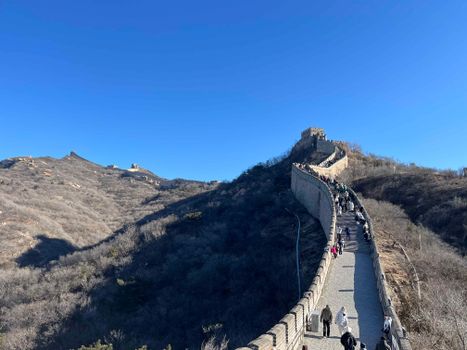
I stepped off the sputtering overnight train in Gubeikou, the air biting with a ferocity that only a Beijing winter can deliver. It wasn't the polished, perfectly restored stone of Badaling that greeted me, but something wilder, more primal. The scent of woodsmoke mingled with the faint, earthy aroma of ancient stone, a perfume of history. A lone hawk circled lazily overhead, its cry swallowed by the vast, silent expanse. This was it – the Great Wall, not as a tourist attraction, but as a living, breathing monument, whispering tales of centuries past under a blanket of crisp, white frost.
This winter, the smart traveler is looking beyond the obvious. While millions flock to the well-trodden paths, a new wave of explorers is seeking the secret Great Wall sections that are trending this winter. These are the stretches where history feels raw, where the wind howls through crumbling parapets, and where you can almost hear the echoes of ancient sentinels. Forget the crowds; this is your chance to claim a piece of the dragon's spine all to yourself.
Why Winter is the Unsung Hero of Great Wall Exploration
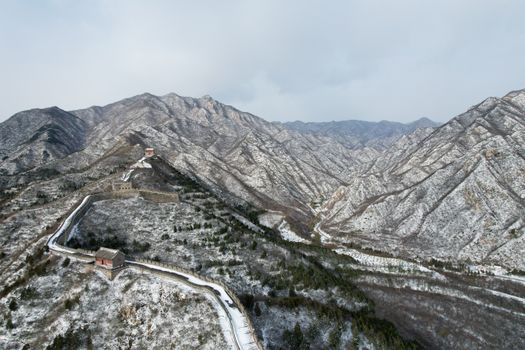
Everyone talks about spring blossoms and autumn foliage, but winter? Winter is when the Great Wall truly reveals its stoic, enduring soul. The biting cold strips away the superficial, leaving behind a stark, dramatic beauty. The landscape transforms into a monochrome masterpiece, with snow dusting the ancient stones and frost clinging to the watchtowers.
- Unparalleled Photography: The clean, crisp light and stark contrasts of winter create breathtaking photographic opportunities. Imagine capturing the Wall snaking across snow-dusted mountains – pure magic.
- Fewer Crowds, More Authenticity: This is the biggest draw. You’ll have sections of the Wall almost entirely to yourself, allowing for genuine immersion and contemplation.
- The Thrill of the Elements: Hiking in winter adds an element of adventure. The crisp air invigorates, and the silence amplifies the sense of history.
- Cost Savings: Off-season travel often means lower prices for flights and accommodation.
1. Jiankou: The Wild Child of the Great Wall
Jiankou is the name whispered among serious hikers and history buffs. It's the "wild" Great Wall, largely unrestored and gloriously rugged. Think precipitous climbs, crumbling watchtowers clinging to sheer cliffs, and panoramic views that will leave you speechless. Winter here is an experience for the true adventurer.
Pro-Tip: The most iconic stretch, "Sky Stair," is incredibly steep. Wear sturdy, waterproof hiking boots with excellent grip. Consider bringing microspikes if ice is present.
The Raw Beauty of Jiankou
The beauty of Jiankou lies in its untamed nature. Unlike the manicured sections, Jiankou feels like stepping back in time. Moss and lichen cling to stones that have stood for centuries, and the wind whistles through gaps in the parapets, carrying tales of battles fought and lost. The sheer audacity of its construction, clinging to the jagged mountain ridges, is awe-inspiring.
Insider Lingo: Locals often refer to Jiankou as the "Great Wall of the Three Rivers" due to its location.
Quick Facts: Jiankou
| Feature | Details | Estimated Cost ($) | Best Time to Visit (Winter) | How to Get There | | :-------------- | :---------------------------------------------------------------------- | :----------------- | :-------------------------- | :--------------------------------------------------------------------------------------------------------------------------------------------- | | Difficulty | Strenuous (steep climbs, uneven terrain) | $50-150 (guided) | Late November - February | Hire a private driver from Beijing (approx. 3 hours). Some tours offer transport. | | Scenery | Dramatic mountain vistas, unrestored watchtowers, rugged terrain | | | | | Crowds | Minimal to none in winter | | | | | Must-See | Sky Stair, Zhengbei Tower, Nine-Eye Tower | | | | | Accommodation | Basic guesthouses in nearby villages (e.g., Xizazi) or Beijing hotels | | | |
2. Huanghuacheng: The Lakeside Wonder
Imagine a section of the Great Wall that dramatically plunges into a serene lake, with parts of it submerged. Huanghuacheng offers this unique spectacle, and in winter, the juxtaposition of the ancient stone against the icy, still water is simply mesmerizing. It's a less strenuous option than Jiankou, offering incredible visual drama.
Pro-Tip: While the main section is accessible, explore the smaller, less-developed paths for truly deserted views of the wall meeting the water. Look for the "hidden entrance" near the lakeside restaurant.
The Serene Majesty of Huanghuacheng
The "Water Great Wall" is a sight to behold. In winter, the lake often freezes over, creating a surreal landscape where the stone battlements seem to rise directly from the ice. The quietude of the season amplifies the beauty, allowing you to appreciate the engineering marvel and its harmonious integration with the natural environment.
Insider Lingo: Locals affectionately call it "The Great Wall that Dives into the Water."
Quick Facts: Huanghuacheng
| Feature | Details | Estimated Cost ($) | Best Time to Visit (Winter) | How to Get There | | :-------------- | :------------------------------------------------------------------- | :----------------- | :-------------------------- | :--------------------------------------------------------------------------------------------------------------------------------------------- | | Difficulty | Moderate (some stairs, gentle inclines) | $30-100 (guided) | December - February | Private driver from Beijing (approx. 1.5-2 hours). Public transport is possible but more time-consuming. | | Scenery | Lakeside views, submerged wall sections, picturesque mountains | | | | | Crowds | Light in winter, significantly fewer than popular sections | | | | | Must-See | The section where the wall enters the water, watchtowers | | | | | Accommodation | Guesthouses near the lake or hotels in Huairou district, Beijing | | | |
3. Gubeikou: The Gateway to the Northern Frontier
Gubeikou is a historically significant section that served as a crucial military stronghold. It offers a fascinating blend of restored and unrestored sections, providing a tangible sense of its strategic importance. Winter here offers a stark, imposing beauty, and the relative lack of tourists makes it feel like you've stumbled upon a well-kept secret.
Pro-Tip: Visit the General's Tower (Yongding Tower) for panoramic views. Arrive early, around 8 AM, to catch the soft morning light and have the place to yourself.
The Solemn Grandeur of Gubeikou
The imposing stone fortifications and watchtowers of Gubeikou exude a solemn grandeur. In winter, the muted colors and crisp air lend an even more dramatic atmosphere. You can almost feel the weight of history, imagining soldiers manning these ramparts centuries ago. It's a place for quiet contemplation and a deep appreciation for China's defensive past.
Insider Lingo: Gubeikou translates to "Northern Pass," highlighting its strategic position.
Quick Facts: Gubeikou
| Feature | Details | Estimated Cost ($) | Best Time to Visit (Winter) | How to Get There | | :-------------- | :---------------------------------------------------------------------- | :----------------- | :-------------------------- | :-------------------------------------------------------------------------------- | | Difficulty | Moderate (some inclines, well-maintained paths in parts) | $40-120 (guided) | December - February | Private driver from Beijing (approx. 2.5-3 hours). Some bus routes go to nearby towns, requiring a taxi to the Wall. | | Scenery | Expansive mountain views, well-preserved watchtowers, historical feel | | | | | Crowds | Very light in winter | | | | | Must-See | General's Tower, walk along the restored and unrestored sections | | | | | Accommodation | Guesthouses in Gubeikou town or hotels in Miyun district, Beijing | | | |
4. Simatai: The Dramatic Cliffside Marvel
While parts of Simatai are now more developed for tourism, it remains one of the most breathtaking and challenging sections. Its steep inclines, intricate watchtowers, and dramatic cliffside construction make it a must-visit for those seeking a more adventurous experience. Winter adds a layer of stark beauty, with fewer visitors appreciating its formidable architecture.
Pro-Tip: The eastern section of Simatai is more rugged and less restored. For a truly unique experience, consider the cable car up and then hike down the steeper, more challenging paths.
The Daring Spirit of Simatai
Simatai is renowned for its dramatic architecture, with watchtowers perched precariously on narrow ridges. In winter, the snow-capped peaks and the stark silhouette of the Wall against the sky create a truly epic vista. It's a testament to human ingenuity and perseverance, a daring feat of engineering against a formidable natural backdrop.
Insider Lingo: Simatai means "parallel horse market," referring to its historical role as a trading post.
Quick Facts: Simatai
| Feature | Details | Estimated Cost ($) | Best Time to Visit (Winter) | How to Get There | | :-------------- | :-------------------------------------------------------------------- | :----------------- | :-------------------------- | :--------------------------------------------------------------------------------------------------------------------------------------------- | | Difficulty | Strenuous (very steep sections, uneven terrain) | $60-180 (guided) | December - February | Private driver from Beijing (approx. 2.5-3 hours). Bus tours are available but often have fixed itineraries. | | Scenery | Dramatic cliffside views, unique watchtower designs, panoramic vistas | | | | | Crowds | Moderate in winter, but significantly less than peak season | | | | | Must-See | Fairy-Maiden Pavilion, Heaven's Gate, the steep western section | | | | | Accommodation | Hotels near Simatai or in Miyun district, Beijing | | | |
Planning Your Winter Great Wall Expedition: Insider Tips
Embarking on a winter Great Wall adventure requires a bit more planning than a summer trip. But trust me, the rewards are immense.
- Dress in Layers: This is non-negotiable. Think thermal base layers, fleece mid-layers, and a windproof, waterproof outer shell. Don't forget a warm hat, gloves, and a scarf.
- Footwear is Key: Sturdy, waterproof hiking boots with good ankle support and excellent grip are essential. Consider bringing ice cleats or microspikes for slippery sections.
- Stay Hydrated (and Warm): Dehydration can be a risk even in winter. Bring a thermos of hot water or tea. Avoid drinking directly from plastic bottles as they can freeze.
- Pack Snacks: While some sections have vendors, don't rely on them, especially in winter. High-energy snacks like nuts, dried fruit, and energy bars are perfect.
- Check the Weather: Mountain weather can change rapidly. Always check the forecast before you go and be prepared for the worst.
- Consider a Guide: For unrestored or more challenging sections like Jiankou, a local guide is invaluable for safety, navigation, and historical insights. They often have access to less obvious trailheads.
- Start Early: To maximize daylight and avoid the coldest parts of the day, aim to start your hike as early as possible.
- Respect the Wall: This is a UNESCO World Heritage site. Do not litter, do not climb on unstable sections, and be mindful of its historical significance.
The Great Wall in winter isn't just a sight to see; it's an experience that will etch itself into your memory. It's a chance to connect with history in its rawest, most magnificent form, far from the madding crowds. So, pack your warmest gear, your sense of adventure, and prepare to be utterly captivated by the secret Great Wall sections trending this winter. You won't regret it.