Middle Eastern cities are often associated with ancient history, yet many of them are also centers of contemporary architecture, arts, business and food culture. Visitors can find gleaming skylines, innovative museums, lively cafe districts and neighborhoods where traditional markets sit beside design studios. Each city has its own character, shaped by history, geography and recent development. This guide introduces the modern urban experience in several cities across the region, and offers practical advice on customs, planning and respectful travel. Because conditions and travel rules can change, always check current information from official sources before your trip.
Architecture and urban development
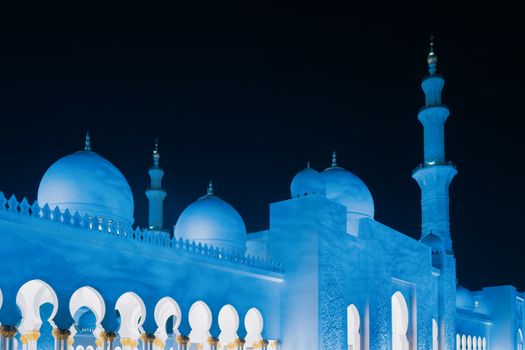
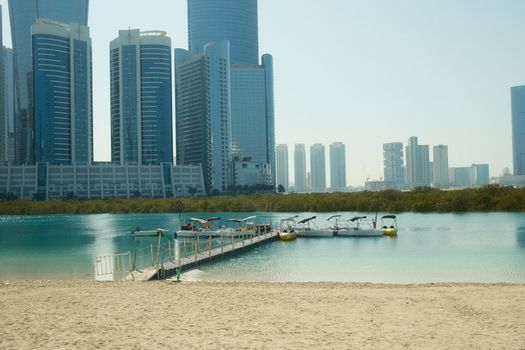
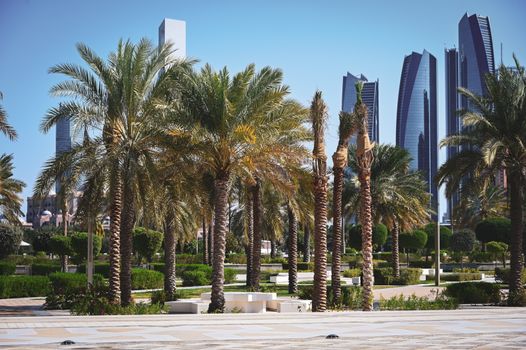
Several cities in the region have undergone rapid development, with new districts, cultural buildings and transport networks. Dubai and Doha are often noted for striking skylines and large-scale architecture, including museums, mixed-use towers and waterfront projects. Beirut is known for a more layered urban fabric, where historic buildings sit alongside newer structures and where neighborhoods reflect the city's diverse past. Amman combines hillside neighborhoods with contemporary cultural spaces. Tel Aviv is widely recognized for its concentration of modernist and Bauhaus-influenced buildings, many of which are part of a protected heritage area. Walking tours and architectural guides can help you understand how these styles developed over time.
Museums, galleries and the arts
Contemporary art and design have a growing presence in many Middle Eastern cities. Museums of modern and contemporary art, galleries and design institutions often host rotating exhibitions, and some combine permanent collections with research spaces. Doha and Abu Dhabi have invested in significant cultural institutions, while Amman and Beirut have active independent galleries and performance spaces. Check opening times and exhibition schedules in advance, since some venues close on certain days or during holidays. Many galleries also offer talks or guided tours, which can add context for visitors unfamiliar with regional art histories.
Food and everyday life
Food is a central part of city life across the region. Cafes, bakeries, markets and restaurants offer a range of flavors that reflect local ingredients and migration histories. In Beirut and Amman, you can find a mix of traditional dishes and modern kitchens. Muscat is known for its markets and seafood, while Dubai and Doha offer global cuisines alongside regional specialties. Eating with locals, whether in a neighborhood cafe or at a family-run restaurant, often provides a window into daily routines. Ask staff for recommendations, and be open to trying dishes you do not recognize.
Local customs and respectful travel
Visitors benefit from understanding local customs. Dress codes vary by setting, and many people dress more modestly in religious sites, traditional neighborhoods and rural areas. Check guidance for each specific site, as some mosques and historic buildings have rules on clothing and entry. During religious observances such as Ramadan, daily routines and opening hours can change, and it is considerate to avoid eating or drinking openly in public during fasting hours where this is expected. Photography etiquette also matters, so ask before photographing people, and be mindful of military or government sites where cameras may be restricted.
Planning and safety
Travel conditions can vary across the region, and political and security situations can change. Check the travel advice issued by your government, and monitor local news before departure. Confirm visa requirements well in advance, as entry rules differ by nationality and can be updated. Health and travel insurance should cover your planned activities. Use reputable transport, keep copies of important documents and follow local guidance during your stay.
Practical tips
- Check visa requirements and government travel advice before booking.
- Dress modestly in religious and traditional settings, and check site-specific rules.
- Verify museum and gallery opening times, which can vary by day and season.
- Ask before photographing people, and avoid sensitive sites.
- Plan around religious observances, when hours and daily routines may change.
Common mistakes to avoid
A frequent mistake is assuming that modern cities share the same customs throughout the region. Dress expectations, alcohol availability and opening hours can differ between neighbourhoods, religious sites and smaller towns. Visitors also sometimes plan sightseeing during religious observances without checking how daily routines may change. Another error is photographing people, government buildings or security installations without asking or confirming that it is allowed. Some travelers rely on one type of transport and find that services in certain districts are limited, so mixing options can help. Finally, many people focus on skylines and forget that museum and gallery opening times can change by day, which can lead to a wasted visit.
Who this suits and who it does not
Modern city travel in this region tends to suit visitors who enjoy architecture, contemporary art, food and urban walking, and who are comfortable adapting to local customs. It can suit business travellers with free time, couples and cultural explorers who appreciate both new and historic districts. It may be less suitable for travellers who need a relaxed dress code at all times, who are uneasy with intense heat, or who want to avoid planning altogether. Those travelling with family members who have specific needs should check accessibility and services in advance.
Frequently asked questions
Is it necessary to dress conservatively everywhere? Not always, but many religious sites and traditional neighbourhoods expect modest clothing, so it is wise to check local guidance for each place you visit.
Can I eat in public during Ramadan? Customs vary, and visitors are generally expected to be discreet during fasting hours. Check local guidance for the place you are visiting.
Are these cities suitable for independent travel? Many are, but visa rules, transport and safety conditions can vary, so check official advice before booking.
Modern Middle Eastern cities reward visitors who approach them with curiosity and respect. Looking beyond stereotypes to see the architecture, art and everyday life of these places can lead to a richer understanding of the region. Preparation, sensitivity to local customs and up-to-date information will help make your visit both enjoyable and considerate.