The Hook: Smelling Bog Myrtle at the Edge of the Wild
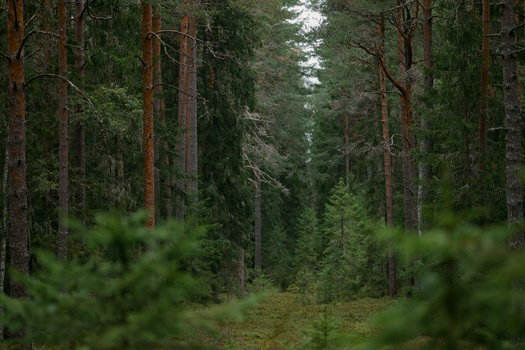
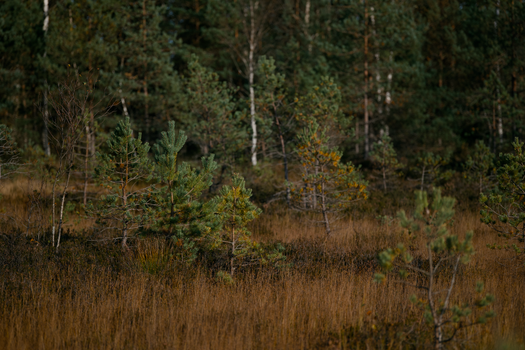
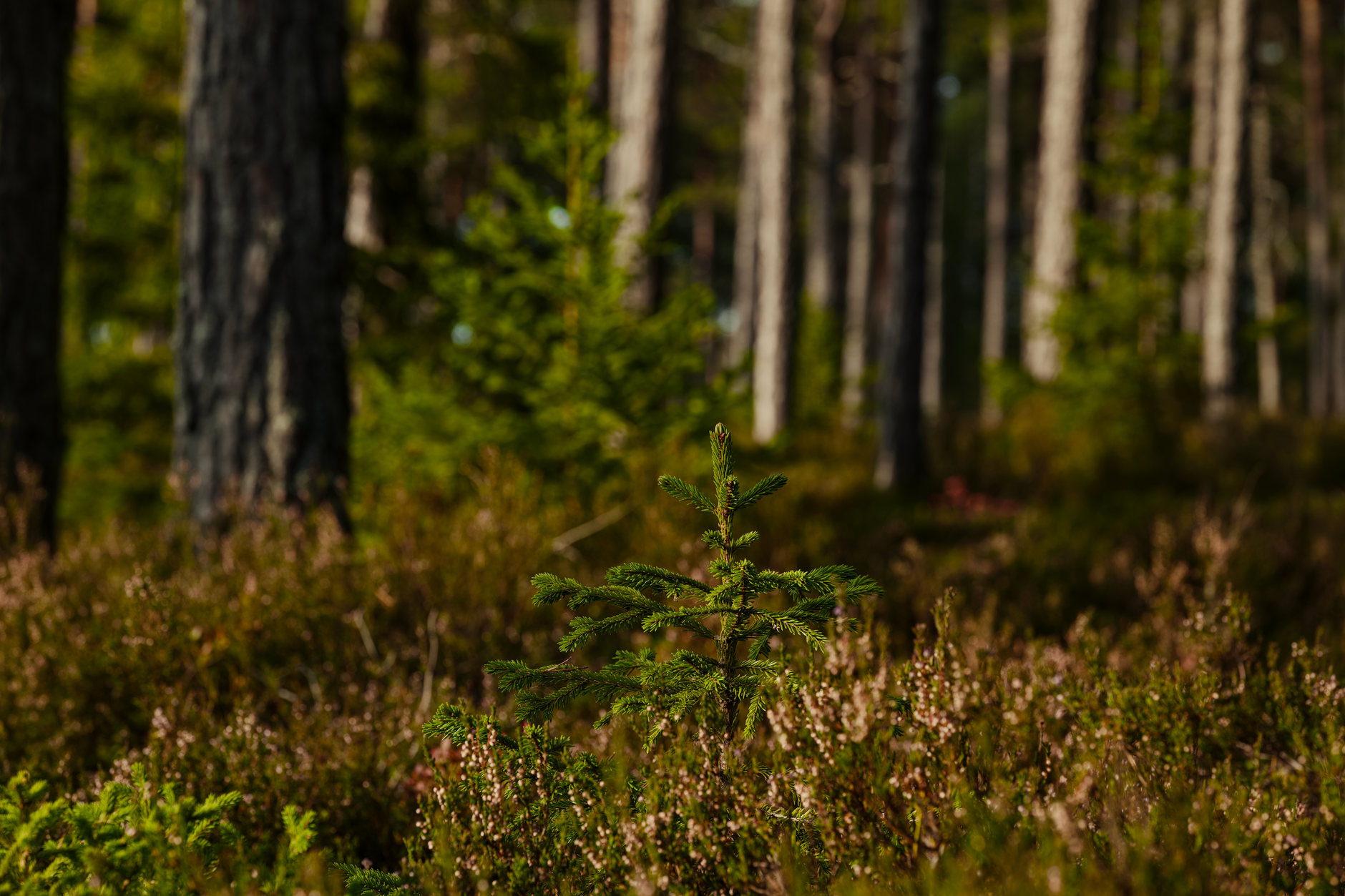
I stepped off the night train at Cannich in the Scottish Highlands, wet heather crunching under my waterproof boots, and drew in a sharp breath of soil-rich air laced with crushed bog myrtle and damp Caledonian pine resin. The dawn chorus here wasn't the lonely chirping of urban parks; it was a layered symphony of siskins, black grouse, and the faint, haunting call of a osprey echoing across Loch Beinn a' Mheadhoin.
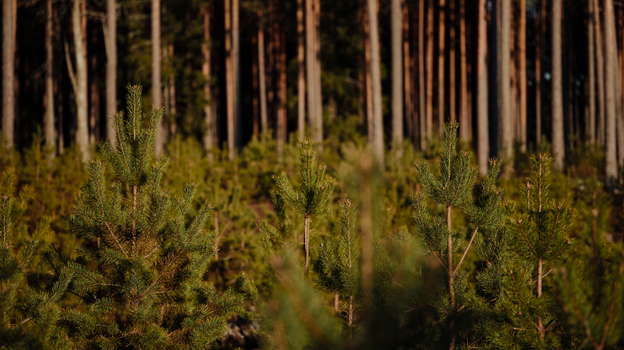
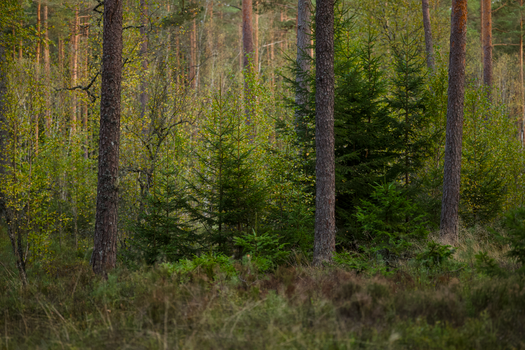
Just twenty years ago, this glen was a sterile, overgrazed sheep run—a green desert devoid of structural canopy or native biodiversity. Today, as part of the ambitious 30-year Affric Highlands project, nature is clawing its way back with fierce tenacity. Young rowans and Scots pines push through the moss, capercaillie strut in newly knitted underbrush, and beaver dams alter water courses to build fertile wetland traps for wild salmon.
Travel is changing. We no longer just want to see pristine nature—we want to participate in its resurrection. Rewilding—the process of stepping back and letting natural processes, native species, and keystone ecological drivers reclaim degraded landscapes—is no longer just a conservation theory. It is a dynamic, hands-on style of transformational travel.
Here are six definitive, emerging rewilding initiatives across the globe that you can actively visit, fund, and experience firsthand this year.
---
1. Affric Highlands, Scotland: Europe's Great Boreal Comeback
The Landscape Restored
Stretching across 500,000 acres from Loch Ness west to the Atlantic coast, the Affric Highlands represents the largest landscape-scale rewilding coalition in the United Kingdom. Led by Trees for Life in partnership with local landowners and communities, this decades-long effort connects fragmented remnant Caledonian pine forests to create seamless, climate-resilient ecological corridors.
``` +-----------------------------------------------------------------------------------+ | KEY SPECIES: Scots Pine, Capercaillie, Red Squirrel, Eurasian Beaver, Wildcat | | IMPACT SCORE: High (Landscape corridor connectivity & community timber co-ops) | +-----------------------------------------------------------------------------------+ ```
The Visitor Experience
Base yourself at the Dundreggan Rewilding Centre—the world's first dedicated rewilding visitor hub. Take guided walks with lead ecologists into native tree nurseries, where you can plant saplings grown from local wild seed stock. Specialized dawn hides allow you to spot elusive red squirrels and pine martens without disrupting their foraging trails.
- Pro-Tip: Book the 6:00 AM "Ghost Pine Walk" from Dundreggan Lodge with a local tracker. You’ll access locked conservation gates that bypass standard footpaths and reach the ancient pine stands where pine martens den.
- Insider Note: Stop at the Glen Urquhart community shop on your way in for fresh bannocks dusted with hand-harvested wild juniper berries—a taste of the landscape's natural bounty.
---
2. Esteros del Iberá, Argentina: From Poaching Grounds to Apex Sanctuary
The Landscape Restored
Once an overgrazed cattle region plagued by industrial poaching, the 1.8-million-acre Iberá Wetlands in northeastern Argentina now stand as South America's premier habitat restoration success story. Spearheaded by Rewilding Argentina and Tompkins Conservation, this vast matrix of lagoons, floating island bogs, and savannas has successfully reintroduced extirpated keystone species that had been missing for over half a century.
``` +-----------------------------------------------------------------------------------+ | KEY SPECIES: Jaguar, Giant River Otter, Green-winged Macaw, Marsh Deer, Anteater | | IMPACT SCORE: Exceptional (Apex predator reintroduction & eco-tourism pivot) | +-----------------------------------------------------------------------------------+ ```
The Visitor Experience
Stay at Rincón del Socorro, a restored eco-estancia operating on 100% solar power. Take silent electric boat safaris down the Laguna Iberá to watch habituated jaguar families hunt capybaras along the reed edges. Visitors can join conservation staff on night walks to track giant anteaters carrying pups on their backs.
- Pro-Tip: Visit during the dry shoulder season (May to July). Water levels recede into defined channels, packing wildlife along narrow river banks and providing world-class predator tracking conditions.
- Logistics Hack: Fly into Posadas (PSS) rather than Corrientes. The 4x4 overland transfer via Portal Galarza is two hours shorter and crosses prime savanna terrain home to jabiru storks.
---
3. The Oder Delta, Germany & Poland: Wild Waterways Unbound
The Landscape Restored
Bridging the border between Germany and Poland where the Oder River empties into the Baltic Sea, this transboundary rewilding zone encompasses over 250,000 hectares of wild lagoons, peatlands, and riparian forests. By breaching historical river dikes and halting industrial dredging, Rewilding Europe has allowed natural hydrological flooding cycles to regenerate crucial spawning habitats for migratory fish and bird species.
``` +-----------------------------------------------------------------------------------+ | KEY SPECIES: White-tailed Eagle, Atlantic Salmon, Grey Seal, European Bison, Lynx | | IMPACT SCORE: High (Transboundary watershed restoration & river re-meandering) | +-----------------------------------------------------------------------------------+ ```
The Visitor Experience
Hop into a sea kayak at Ueckermünde and paddle through quiet reed-lined backwaters where white-tailed eagles dive for bream just yards from your boat. Local safari guides run solar-powered pontoon boats into the Szczecin Lagoon to monitor recovering grey seal colonies and free-roaming herds of Konik horses that manage the marsh vegetation naturally.
- Pro-Tip: Skip the crowded summer beach resorts along the Baltic coast. Rent a carbon-neutral electric bicycle from the Anklam train station and ride the "Oder-Neisse Cycle Route" north at dusk to see beaver lodges actively altering the landscape.
- Local Secret: Eat at Gasthaus am Haff in Kamp; order the wild pike perch cooked in salt-marsh butter, paired with local craft lager brewed using unfiltered delta well-water.
---
4. Western Iberia, Portugal: Grazing the Ancient Steppes
The Landscape Restored
In the Côa Valley of northern Portugal, centuries of rural abandonment left land degraded and vulnerable to catastrophic wildfires. Rewilding Portugal has introduced free-roaming semi-wild herbivores—specifically Sorraia horses and Tauros cattle—to act as natural firebreaks and ecosystem architects. This grazing regime clears dense brush and creates an ideal mosaic landscape for apex hunters like the endangered Iberian lynx and Iberian wolf.
``` +-----------------------------------------------------------------------------------+ | KEY SPECIES: Iberian Lynx, Iberian Wolf, Sorraia Horse, Griffon Vulture, Tauros | | IMPACT SCORE: Very High (Wildfire risk reduction & ancient grazer proxies) | +-----------------------------------------------------------------------------------+ ```
The Visitor Experience
Base yourself at the Vale de Madeira Rewilding Center. Hike through granite boulder fields to watch herds of Sorraia horses navigate steep canyons, or sit in specialized bird hides suspended over cliff faces to photograph nesting Egyptian and Griffon vultures.
- Pro-Tip: Book a night observation tour with local trackers using thermal imaging equipment. You’ll increase your odds of spotting nocturnal Iberian wolves without using disruptive white lights.
- Cultural Connection: Visit the nearby Côa Valley Prehistoric Rock Art Site at night. Paleolithic artists carved images of wild horses and ibex onto the schist rocks over 20,000 years ago—the very same animals rewilders are reintroducing today.
---
5. American Prairie, Montana, USA: Restoring the Ocean of Grass
The Landscape Restored
In north-central Montana, the non-profit American Prairie is assembling a seamless 3.2-million-acre nature reserve by purchasing private ranches and combining them with surrounding public lands. The goal: restore a fully functioning Great Plains grassland ecosystem featuring thousands of wild, free-roaming bison, black-tailed prairie dogs, and their natural predators.
``` +-----------------------------------------------------------------------------------+ | KEY SPECIES: Plains Bison, Black-footed Ferret, Pronghorn, Swift Fox, Golden Eagle| | IMPACT SCORE: Massive (Scale-focused grassland ecosystem rehabilitation) | +-----------------------------------------------------------------------------------+ ```
The Visitor Experience
Camp under brilliant night skies at the Krenak or Mars Coulee campsites, or rent off-grid yurt cabins on the prairie floor. Wake at dawn to the thunderous sound of thousands of bison hooves vibrating through the soil. Visitors can participate in citizen-science bird counts or help clear legacy cattle fencing that blocks migration routes for pronghorn antelope.
- Pro-Tip: Rent a high-clearance 4WD vehicle with dual spare tires. The dirt roads across the prairie turn into sticky gumbo clay after sudden summer rains, trapping unprepared drivers.
- Hidden Spot: Hike up the PN Property coulees along the Missouri River Breaks at golden hour. You'll tread paths carved by bison over thousands of years, far away from any marked trails.
---
6. Raja Ampat Marine Rewilding, Indonesia: Ocean Floor Renaissance
The Landscape Restored
While terrestrial rewilding grabs headlines, marine rewilding in the Coral Triangle is setting a high bar for ocean recovery. In West Papua’s Raja Ampat archipelago, community-managed Marine Protected Area (MPA) networks combined with active coral reef rebuilding, shark sanctuary enforcement, and giant clam nurseries have led to a spectacular rebound in marine biomass.
``` +-----------------------------------------------------------------------------------+ | KEY SPECIES: Reef Manta Ray, Walking Shark, Giant Clam, Hawksbill Turtle, Dugong | | IMPACT SCORE: Exceptional (Community-enforced marine refuges & coral propagation) | +-----------------------------------------------------------------------------------+ ```
The Visitor Experience
Stay in traditional eco-homestays run by local Papuan families on Misool or Kri island. Spend your days snorkeling and diving alongside ocean giants. Join marine biologists at coral propagation tables to secure fragmented corals onto bio-rock structures that jumpstart degraded reef beds.
- Pro-Tip: Time your visit with the dark moon phase between October and April. High nutrient upwellings draw dozens of giant oceanic manta rays into shallow cleaning stations at Magic Mountain reef.
- Insider Insight: Choose operator boats certified by the Raja Ampat Local Homestay Association. This ensures your park permit fees flow directly back into village-led anti-poaching patrols.
---
Quick Facts & Travel Logistics
Use this practical breakdown to plan your trip, budget your journey, and align your timing with natural cycles:
| Project Location | Best Time to Visit | Est. Daily Budget ($ USD) | Primary Access Hub | Top Recommended Gear | | :--- | :--- | :--- | :--- | :--- | | Affric Highlands (Scotland) | May – September | $120 – $250 | Inverness Airport / Train | Gore-Tex gaiters & midge head net | | Iberá Wetlands (Argentina) | April – October | $180 – $400 | Posadas or Corrientes Airport | Binoculars (10x42) & quick-dry clothing | | Oder Delta (Germany/Poland) | May – October | $90 – $180 | Berlin Brandenburg / Szczecin | Waterproof dry-bag & light sea kayak paddle | | Western Iberia (Portugal) | March – June, Sept – Nov | $80 – $170 | Porto Airport | Sturdy leather hiking boots & trail hat | | American Prairie (USA) | June – September | $60 – $220 | Billings or Bozeman Airport | High-clearance 4WD vehicle & GPS messenger | | Raja Ampat (Indonesia) | October – April | $150 – $350 | Sorong Airport (SOQ) | Reef-safe sunscreen & personal dive mask |
---
The Rewilding Visitor's Code of Ethics
Traveling to ecologically fragile rewilding zones carries real responsibility. To ensure your visit leaves a net-positive footprint, keep these golden rules in mind:
``` ┌──────────────────────────────────────────┐ │ THE ECO-RESPONSIBLE TRAVELER'S PATH │ └────────────────────┬─────────────────────┘ │ ┌─────────────────────────────┼─────────────────────────────┐ ▼ ▼ ▼ ┌─────────────────┐ ┌─────────────────┐ ┌─────────────────┐ │ LEAVE NO TRACE │ │ HIRE LOCAL │ │ RESPECT DISTANCE│ │ Keep to paths & │ │ Support native │ │ Use telephoto │ │ pack out waste │ │ guides & shops │ │ lenses for wild │ └─────────────────┘ └─────────────────┘ │ animals │ └─────────────────┘ ```
- Fund Local First: Choose accommodation and guiding services that directly hire local residents. Rewilding works best when local communities earn more from standing forests and live wildlife than from resource extraction.
- Observe Silent Boundaries: Never approach habituated or wild animals to capture smartphone selfies. Use a telephoto lens (300mm+) and follow all guide instructions regarding distance.
- Prevent Biological Contamination: Clean thoroughly all hiking boots, water gear, and vehicle tires before entering sensitive conservation zones to stop the spread of invasive seeds or plant pathogens.
- Offset Your Journey Wisely: Calculate your total travel carbon footprint and purchase high-integrity offsets through certified community forest restoration projects tied directly to the regions you visit.
---
FEATURED_IMAGE_PROMPT
A wide-angle, cinematic photograph taken during the golden hour in the Affric Highlands of Scotland. The shot captures a vast, rolling valley featuring a winding river, young Scots pine saplings, and vibrant purple heather under a soft mist. A single traveler with a backpack stands quietly on a rock ridge in the foreground looking toward the horizon, where wild red deer graze peacefully. Natural warm light, deep green and purple color palette, high detail, shot on 35mm lens, f/8 aperture, atmospheric mist, photorealistic eco-tourism photography.
TAGS: rewilding, eco-travel, sustainable-tourism, scotland, argentina, wildlife-conservation, adventure-travel, national-parks, ethical-travel, wild-places