The Symphony of Silence and the Roar of Revival
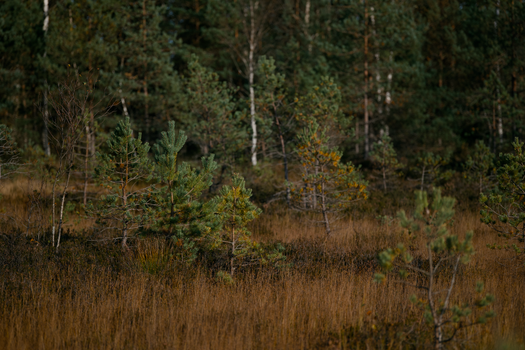
I stepped off the small, sputtering ferry onto the windswept shores of the Isle of Rum, and the world shifted. The usual cacophony of modern life – car horns, buzzing phones, distant sirens – was replaced by a profound symphony of silence. Or rather, a symphony of nature. The wind whispered through the long grasses, carrying the salty tang of the Atlantic and the faint, earthy scent of damp peat. The cry of a distant sea eagle echoed across the rugged landscape, a sound so primal it sent shivers down my spine. This wasn't just a beautiful vista; it was a living, breathing testament to nature’s resilience, a glimpse into a future where ecosystems are given the space to heal themselves. This is the magic of rewilding, and it’s a magic you can not only witness but actively participate in.
What Exactly is Rewilding, Anyway?
Let's cut through the jargon. Rewilding isn't just about planting a few trees or creating a nature reserve. It's a bold, ambitious conservation approach that aims to restore natural processes and ecosystems, allowing nature to take the lead in shaping its own future. Think of it as stepping back and letting nature do its thing, often by reintroducing keystone species, removing artificial barriers, and allowing natural processes like grazing and predation to flourish. It's about creating wilder, more resilient landscapes that can adapt to climate change and support a rich tapestry of biodiversity. Experts are increasingly advocating for this approach, recognizing its power to heal damaged ecosystems and foster a deeper connection between humans and the natural world.
Rewilding Projects You Can Actually Visit (And Why Experts Are Raving)
The good news? You don't need a secret handshake or a research permit to experience rewilding firsthand. Numerous projects around the globe are opening their doors (or rather, their wild landscapes) to visitors, offering unparalleled opportunities for immersive experiences and meaningful support. Here are a few of the most compelling, hand-picked by yours truly and lauded by conservation leaders:
1. The Mighty Scottish Highlands: Knepp Estate's Legacy & Beyond
The Hook: Forget the manicured golf courses and postcard-perfect glens. The true magic of the Scottish Highlands is being reborn through visionary rewilding. My first visit to Knepp Estate in West Sussex (a pioneering rewilding project that has inspired countless others, including many in Scotland) was an awakening. The air hummed with insects, the ground was alive with the rustle of small mammals, and the sheer abundance of birdlife was astonishing. Now, this ethos is spreading north.
The Meat: While Knepp isn't in Scotland, it's the blueprint. Projects in Scotland are taking this cue, focusing on restoring peatlands, reintroducing native herbivores like red deer and ponies, and allowing scrubland to regenerate. This creates vital habitats for ground-nesting birds, insects, and a whole host of other wildlife.
Pro-Tip: Look for smaller, community-led initiatives alongside the larger estates. These often offer more intimate experiences and direct engagement with local conservation efforts. Many are developing visitor centers and guided walks.
Quick Facts:
- Estimated Costs ($): £50 - £250+ per person for guided tours and accommodation.
- Best Time to Visit: Spring (for breeding birds) and Autumn (for rutting deer and stunning foliage).
- How to Get There: Fly into Edinburgh or Glasgow, then rent a car or take public transport (trains and buses) to specific regions. Many projects are in remote areas, so a car is often recommended.
2. The Iberian Lynx Renaissance: Spain & Portugal's Comeback Kid
The Hook: Imagine a world where a species teetering on the brink of extinction stages a spectacular comeback. That’s the story of the Iberian lynx, and you can be part of its ongoing success. I remember the hushed excitement of a dawn patrol in Andalusia, the hope in the eyes of the researchers as they scanned the scrubland.
The Meat: This is a success story driven by dedicated conservation efforts, including captive breeding programs and habitat restoration. Projects in areas like the Doñana National Park (Spain) and the Vale do Guadiana Natural Park (Portugal) are crucial. Visitors can often participate in guided wildlife tours focused on spotting this elusive feline, as well as learn about the vital role of rabbits (their primary prey) in the ecosystem. Supporting these projects means contributing to habitat protection and anti-poaching initiatives.
Insider's Tip: Many local tour operators are deeply involved with conservation. Choosing one of these ensures your tourism dollars directly benefit the lynx and its habitat. They often have the best knowledge of where and when sightings are most likely.
Quick Facts:
- Estimated Costs ($): $100 - $400+ per person for guided wildlife tours.
- Best Time to Visit: Spring and Autumn offer pleasant temperatures and good wildlife activity.
- How to Get There: Fly into Seville or Faro (Portugal). Car rental is highly recommended for exploring the park areas.
3. The Yellowstone to Yukon (Y2Y) Initiative: A Transboundary Vision
The Hook: This isn't a single park, but a sprawling, interconnected vision for wildness. The Yellowstone to Yukon Conservation Initiative (Y2Y) is a testament to what can be achieved when we think big – really big. My journey through parts of this corridor felt like stepping into a living nature documentary. The sheer scale of the wilderness, the feeling of being a tiny speck in a vast, untamed landscape, is humbling.
The Meat: Y2Y connects and protects wild lands and waters from Yellowstone National Park in the US to the Yukon Territory in Canada. It focuses on maintaining large, intact ecosystems that allow wildlife, like grizzly bears, wolves, and elk, to roam freely. While you can’t "visit" the entire initiative, you can explore its constituent parts. Think Banff and Jasper National Parks in Canada, or the Greater Yellowstone Ecosystem in the US. Many lodges and tour operators in these regions are committed to sustainable practices and support Y2Y's goals.
Pro-Tip: Engage with local visitor centers and park rangers. They are a wealth of information on responsible wildlife viewing and the conservation challenges and successes within the Y2Y corridor.
Quick Facts:
- Estimated Costs ($): $150 - $600+ per person for multi-day tours and accommodation.
- Best Time to Visit: Summer for accessibility and wildlife viewing, but shoulder seasons (late spring/early autumn) offer fewer crowds and stunning scenery.
- How to Get There: Major airports include Calgary, Edmonton, and Denver. Car rental is essential for exploring the vast distances.
4. Oostvaardersplassen, Netherlands: A Bold Experiment in Dutch Wildness
The Hook: Prepare to be surprised. In the heart of the Netherlands, a country renowned for its polders and canals, lies a vast, wild experiment that’s challenging conventional ideas of landscape management. I admit, I was skeptical. Could true wildness exist here? The sight of Konik ponies grazing freely and the haunting call of spoonbills rising from the wetlands silenced my doubts.
The Meat: This is one of Europe’s most ambitious rewilding projects. Large herbivores like Heck cattle, Konik ponies, and red deer roam freely, shaping the landscape through their grazing. This creates a mosaic of habitats, supporting an incredible diversity of birdlife, insects, and other animals. While direct intervention is minimal, the project offers observation points and guided tours that allow visitors to witness this dynamic ecosystem evolve.
Insider's Tip: Visit during migration seasons for an unparalleled birdwatching experience. The sheer numbers are breathtaking. Check the official visitor center for the best viewing spots and information on guided walks.
Quick Facts:
- Estimated Costs ($): €10 - €50 per person for visitor center access and guided tours.
- Best Time to Visit: Spring and Autumn for bird migration; Summer for lush vegetation and abundant wildlife.
- How to Get There: Fly into Amsterdam Schiphol (AMS). Take a train to Lelystad or Almere, then a bus or taxi to the reserve.
5. The European Bison Reintroduction: Poland, Romania, and Beyond
The Hook: The king of the European forest is making a comeback. Standing in the Białowieża Forest, a sliver of ancient woodland straddling Poland and Belarus, and knowing that the European bison – the continent’s largest land mammal – are roaming these depths, is an electrifying feeling. The sheer presence of these magnificent creatures, re-emerging from near extinction, is a powerful symbol of hope.
The Meat: Following devastating declines due to hunting, European bison were brought back from the brink through captive breeding. Projects in Białowieża Forest (Poland), Vânători-Neamț Nature Reserve (Romania), and elsewhere are working to establish viable wild populations. Supporting these initiatives often involves visiting responsible eco-lodges, participating in guided forest tours, and learning about the challenges of coexistence between humans and these massive herbivores.
Pro-Tip: Look for tours that emphasize ethical wildlife viewing and minimal disturbance. Guides with deep knowledge of the forest and bison behavior are invaluable.
Quick Facts:
- Estimated Costs ($): €70 - €300+ per person for guided tours and accommodation.
- Best Time to Visit: Spring and Autumn offer good chances for sightings and pleasant hiking conditions. Winter can be magical but challenging.
- How to Get There: For Białowieża, fly into Warsaw (WAW) and take a train or bus to the region. For Vânători-Neamț, fly into Iași (IAS). Car rental is useful for exploring the surrounding areas.
Beyond the Big Names: Supporting Local Rewilding Efforts
While these larger projects grab headlines, remember that rewilding is happening at all scales. Many smaller, community-led initiatives are doing incredible work. Supporting them might involve:
- Volunteering: Many projects welcome volunteers for tasks like habitat restoration, wildlife monitoring, and visitor management.
- Donating: Direct financial contributions are vital for purchasing land, funding research, and implementing conservation strategies.
- Choosing Responsible Tourism Operators: Seek out tour companies that are committed to ethical practices and actively support local conservation efforts.
- Citizen Science: Participate in projects that involve data collection, from bird counts to habitat mapping.
The 'Why Now?' for Rewilding Travel
We're at a critical juncture. The planet is facing unprecedented environmental challenges. Rewilding offers a tangible, hopeful path forward. By visiting and supporting these projects, you’re not just taking a vacation; you’re investing in a wilder, healthier future. You’re becoming a steward of the planet, experiencing nature in its most powerful and authentic form, and returning home with a renewed sense of purpose and connection.
So, pack your sense of adventure, your curiosity, and your commitment to a better world. The wild is calling, and it’s more accessible – and more important – than ever before.