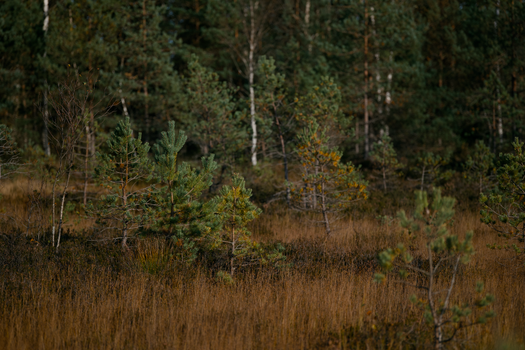
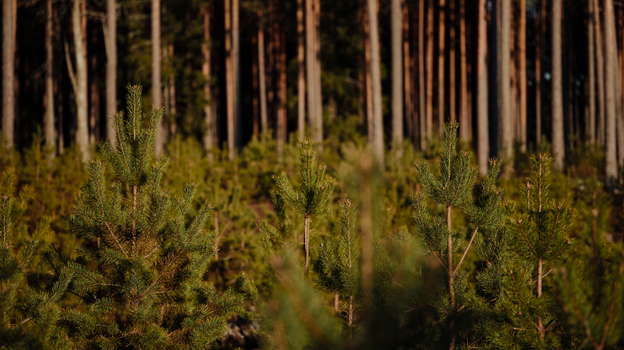
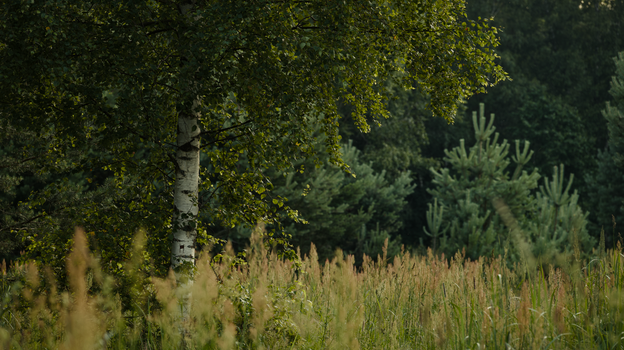
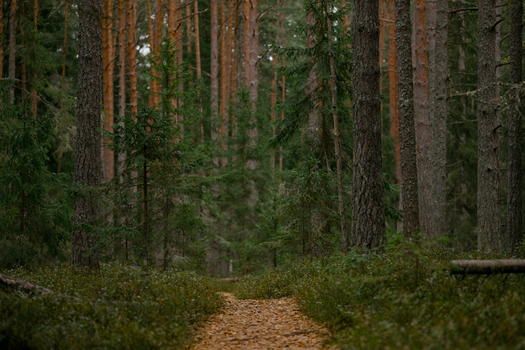
Rewilding is an approach to conservation that aims to restore natural processes, such as grazing, predation, flooding and natural regeneration, so that ecosystems can function with less direct management. Some projects involve reintroducing species that were lost from an area, while others focus on allowing woodland, wetland or grassland to recover. For travelers, rewilding sites can offer a rare view of landscapes in transition, with wildlife, dense new growth and changing habitats. Visiting or supporting these projects can be a rewarding way to connect with conservation, but it requires realistic expectations about timescales and outcomes.
This article explains how rewilding projects work, what visitors may experience and how to support them responsibly. It does not single out individual sites, because access and facilities change over time.
How Rewilding Works in Practice
Rewilding is not the same as leaving land untouched. Projects may begin with active steps, such as removing fences, restoring rivers, controlling invasive species or reintroducing herbivores that shape vegetation. Over time, the aim is for natural processes to take over, which can reduce the need for ongoing intervention. The pace depends on soil, climate, surrounding land use and the presence of species that can recolonize the area.
Projects also involve negotiation with farmers, landowners, local communities and government agencies. Successful schemes often combine ecological goals with economic activity, such as nature-based tourism or sustainable land management, so that local people have a stake in the outcome.
Types of Sites Open to Visitors
Many rewilding areas welcome visitors through waymarked trails, observation hides, guided walks or visitor centers. Some sites are large and remote, with limited facilities, while others are close to towns and offer more infrastructure. Certain projects restrict access during sensitive periods, such as breeding seasons, or keep parts of the land closed to protect recovering habitats. Check each site's current access arrangements before visiting, since closures may apply.
Visitor experiences can include birdwatching, wildflower walks, wildlife observation and learning about ecological restoration. Some sites run educational programs for schools or families, and these can be a good way to understand the goals of the project.
Visiting Responsibly
Responsible visiting protects both wildlife and the restoration effort. Keep to marked paths and avoid disturbing animals or nesting birds. Keep dogs under control, since even well-behaved animals can frighten wildlife or livestock. Do not collect plants, fossils or other natural materials. Respect seasonal closures and signs, and avoid drones unless they are explicitly permitted. Carry out all litter, and avoid making noise that might disturb sensitive species.
Consider how you travel to the site. Public transport or cycling may be preferable where available, and parking should be used only in designated areas. Local accommodation and food purchases can also help communities that live alongside the project.
Supporting Projects Beyond the Visit
Support can take several forms. Many rewilding initiatives accept donations, membership fees or sponsorship of specific actions, such as hedgerow planting or species monitoring. Volunteer schemes may offer practical roles, although these vary in intensity and should be approached with realistic expectations. Some projects publish annual reports, scientific papers and monitoring data, which can help supporters understand progress.
When choosing how to support a project, look for transparency about how funds are used, governance structures and partnerships with recognized research or conservation bodies. Be wary of appeals that promise rapid results, since rewilding typically takes years or decades to show measurable change.
Judging Progress Honestly
Rewilding outcomes are often gradual and sometimes difficult to interpret. Improvements may appear first in plant communities, then in invertebrates and birds, and later in larger animals. Some changes can be unexpected, and projects may need to adapt. Look for reports that describe baseline conditions, the methods used to monitor change and the limits of the data. Honest updates that include setbacks are generally a good sign of credible management.
Visitors can also learn to recognize signs of recovery, such as returning species, healthier river systems or more varied vegetation structure. Interpreting these signs with the help of guides or published information makes the visit more informative.
Practical Tips
Check the project's website or visitor information for opening times, access rules and any charges before you travel. Dress for changeable weather and wear sturdy footwear. Bring binoculars if you plan to observe wildlife, and a field guide or app to help identify species. Keep your distance from animals, and follow instructions from wardens. If you wish to volunteer, ask about training, supervision and time commitment. Finally, share accurate information about the project with others, rather than sensational claims about its results.
Rewilding projects offer an unusual combination of wild landscapes and conservation purpose. Visiting with care, supporting projects transparently and judging their progress with patience helps ensure that these places can continue to develop for wildlife and for the people who value them.